

Taxidea Taxus
American Badger
Prairies, open fields, farmlands, and the edges of forests
The American Badger, taxidea taxus, is a robust, low-slung mammal known for its powerful digging abilities, which are facilitated by its strong forelimbs and long claws. This creature sports a distinctive appearance with a broad, flat body, short legs, and a short, bushy tail. Adults typically measure around 60 to 75 centimeters in length, including the tail, and weigh between 7 to 11 kilograms. The badger's coat is coarse and grizzled; its face is marked with distinctive black and white stripes that extend from the nose over the back of the head. The badger's overall coloration blends well with the open grasslands, fields, and prairies where it prefers to live.
| Population: | Stable, but varies regionally |
| Generation Length: | 4-5 years |
| Average Weight: | 4-12 kg |
| Average Length: | 60-75 cm including tail |
| Lifespan: | 4-14 years in the wild, longer in captivity |
| Diet: | Primarily small mammals, but also insects and carrion |
| Conservation Status: | Least Concern (LC) |
American Badgers inhabit a wide range of environments across North America, from southern Canada to northern Mexico. They are primarily nocturnal, spending the daylight hours in burrows that they excavate with their powerful claws. These burrows, which can be quite extensive, serve as protection against predators and extreme weather. Badgers are solitary animals, except during the breeding season, and they have a reputation for being fierce and tenacious. Their diet mainly consists of small mammals, including rodents, rabbits, and ground squirrels, which they hunt using their keen sense of smell to locate prey in their underground burrows.
The diet of the American Badger is carnivorous, with a preference for burrowing animals such as prairie dogs, voles, and moles. This predation not only feeds the badger but also plays a crucial role in controlling rodent populations, contributing to the health of their ecosystems. Badgers may also consume birds, reptiles, insects, and some plant materials, demonstrating a degree of dietary flexibility when necessary.
Mating for the American Badger occurs in late summer or early fall, but implantation of the embryo is delayed until December or January, with the actual gestation period lasting only about six weeks. This adaptation ensures that the young, usually a litter of one to five cubs, are born in the spring when food is more abundant. The cubs are born blind and furless, depending on their mother for warmth and milk. They develop quickly, however, and are usually weaned by late spring or early summer.
The population of the American Badger is considered stable across much of its range, though it faces threats from habitat loss due to agricultural expansion and urban development. In some areas, badgers are viewed as nuisances because of their burrowing habits, which can damage crops and infrastructure. Nevertheless, they are protected under various laws in different parts of their range, reflecting the recognition of their role in maintaining healthy ecosystems. Conservation efforts focus on habitat preservation and ensuring sustainable land management practices that accommodate the badger's ecological needs.
Classifications
The Key Attributes
Features
- Movement:
Quadrupedal
- Territorial Behavior:
Solitary and territorial
- Speed:
Can move quickly in short bursts when threatened or hunting
- Diet:
Carnivore
- Physical Features:
- Stocky body
- Short legs
- Long claws for digging
- Striped face
- Primary Senses:
- Smell
- Hearing
- Sight
Understanding Habitat and Range
Geography
- Habitat:
Prairies, open fields, farmlands, and the edges of forests
- Migration Patterns:
Non-migratory, but may have seasonal shifts within their territory
- Geographical Range:
Throughout the central and western United States, northern Mexico, and south-central Canada
- Climate Preferences:
Temperate
Navigating the Wilderness
In the wild
- Predators:
Coyotes, eagles, and humans
- Prey:
Rodents, rabbits, ground-nesting birds
- Feeding Behavior:
Nocturnal and fossorial (adapted to digging and living underground)
- Diet:
Primarily small mammals, but also insects and carrion
- Defensive Mechanisms:
- Digging to escape predators
- Powerful jaws
- Thick skin
- Preferred Food Sources:
- Small mammals
- Insects
Insights Into Reproduction
Mating
- Mating System:
Polygynous
- Number of Offspring:
1-5 kits
- Gestation Period:
6-7 weeks
- Parental Involvement:
- Mother raises the kits alone, teaching them to hunt before they disperse
Youngsters Section
American Badger
Fun Fact
American badgers are skilled diggers, using their powerful claws to create extensive burrow systems.
These burrows provide shelter and are crucial for hunting, as badgers often dig to catch prey like rodents. Their digging ability also helps aerate the soil, benefiting the ecosystem. They are mostly solitary animals, except during mating season or when a mother is raising her young.

Download word search puzzles
Word Search Puzzles


Check Out Other Mammals
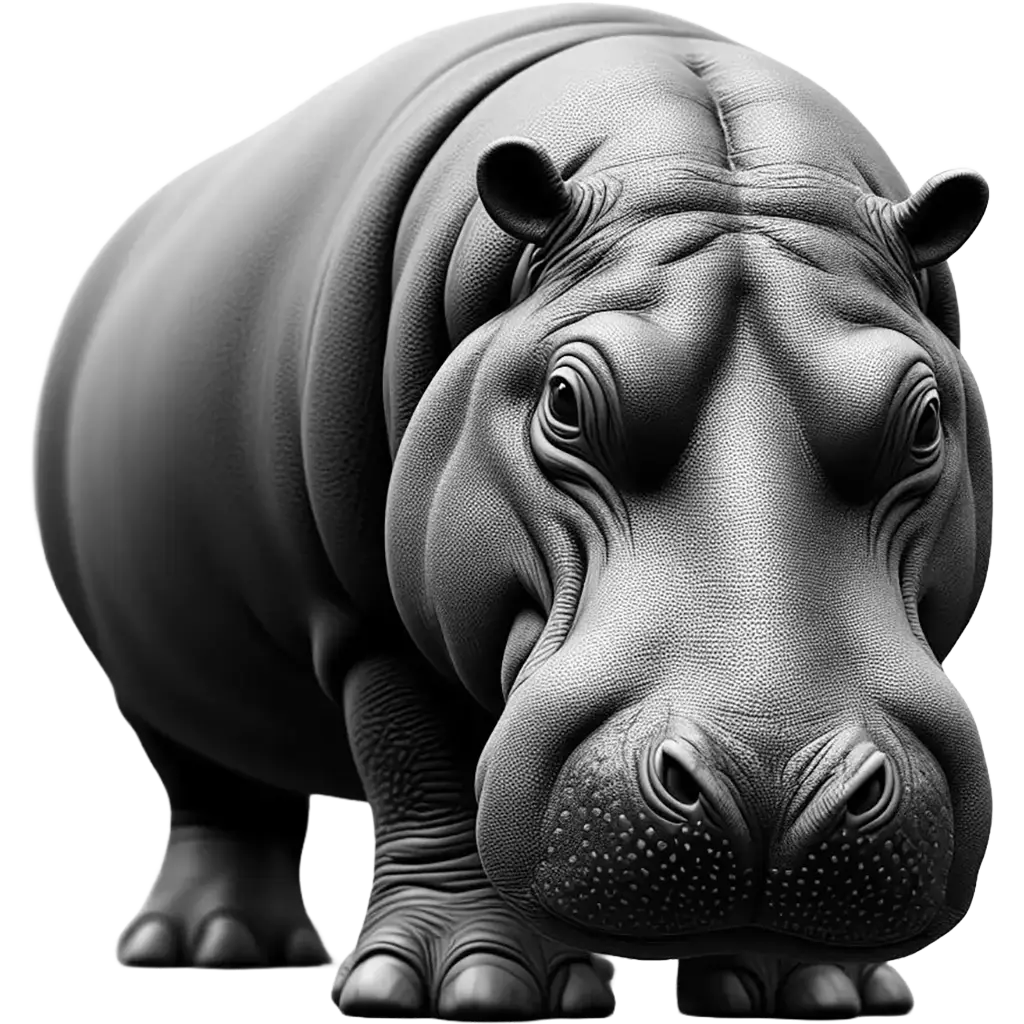
The Common Hippopotamus, hippopotamus amphibius, is a large, mostly herbivorous mammal native to sub-Saharan Africa, known for its immense size, with adults commonly weighing between 1,500 to 3,200 kilograms, though some males can weigh as much as 4,500 kilograms. Characterized by their barrel-shaped torsos, wide-opening mouths revealing large canine tusks,

The Mohol Bushbaby, galago moholi, is a small, nocturnal primate native to the southern regions of Africa. This agile creature is characterized by its large, expressive eyes, which are well-adapted to its nighttime activities, and its soft, grey to brown fur, which provides camouflage in its woodland and savannah habitats.
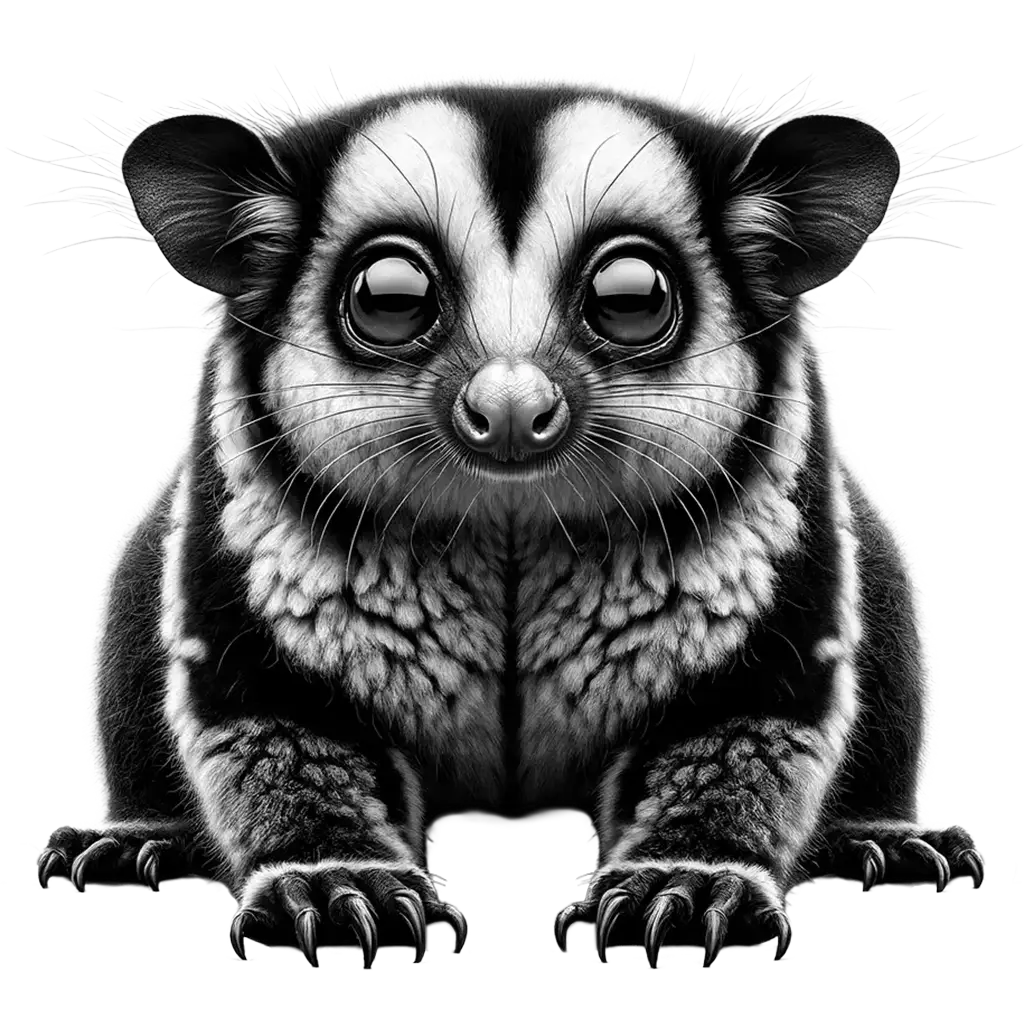
The Biak Glider, petaurus biacensis, is a small marsupial native to the Biak and Supiori islands off the northern coast of Papua, Indonesia. This species is part of the family Petauridae, which includes other gliding possums known for their ability to glide between trees using a membrane called a patagium
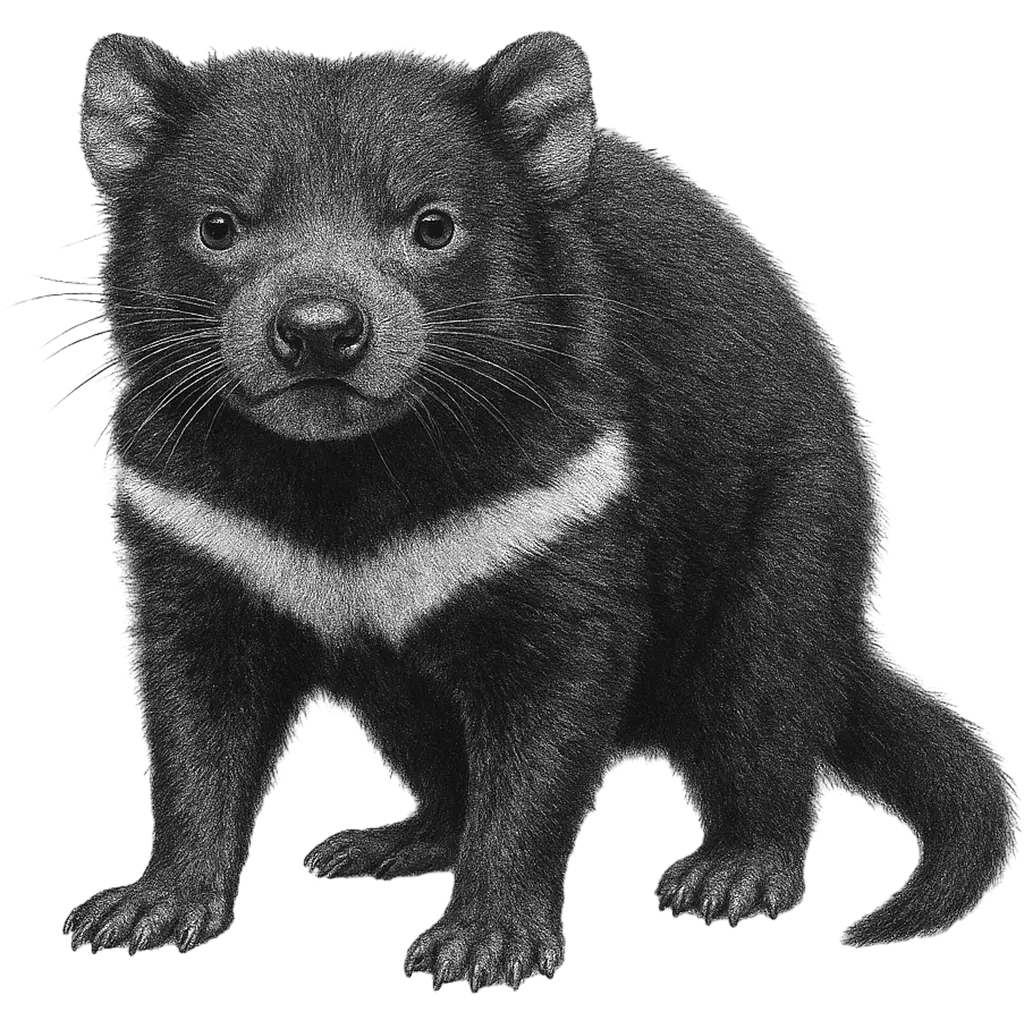
With a compact, muscular build, the Tasmanian Devil stands about thirty centimeters at the shoulder and measures sixty to eighty centimeters from nose to tail. Its dense black fur is punctuated by irregular white patches on the chest and rump. The broad head features powerful jaws and sharp premolars, while