

Galago Moholi
Mohol Bushbaby
Woodlands, savannas, and forested areas
The Mohol Bushbaby, galago moholi, is a small, nocturnal primate native to the southern regions of Africa. This agile creature is characterized by its large, expressive eyes, which are well-adapted to its nighttime activities, and its soft, grey to brown fur, which provides camouflage in its woodland and savannah habitats. Adults typically weigh between 140 to 190 grams and measure about 14 to 16 cm in body length, with a tail that can be as long as 20 cm, aiding in balance during their arboreal escapades.
| Population: | Listed as Least Concern, but habitat destruction and the pet trade pose risks |
| Generation Length: | 2-3 years |
| Average Weight: | 200-300 grams |
| Average Length: | 14-16 cm body length, with a tail of 18-25 cm |
| Lifespan: | 12-16 years in the wild |
| Diet: | Primarily insectivorous but supplements diet with fruits and tree gums |
| Conservation Status: | Least Concern (LC) |
The Mohol Bushbaby thrives in a variety of woodland, savannah, and forested environments, where it can find shelter in tree hollows or dense foliage during the day. At night, it becomes highly active, leaping between branches with remarkable agility in search of food. Its diet primarily consists of insects, tree gums, fruits, and occasionally small vertebrates, showcasing its adaptability in foraging.
The specialized diet of the Mohol Bushbaby includes a significant amount of tree gum, which it obtains by gouging tree bark with its teeth. This gum provides essential carbohydrates and minerals, complementing its insectivorous tendencies. Their insect diet is captured using quick, precise movements, demonstrating their prowess as hunters.
Reproduction in the Mohol Bushbaby involves seasonal breeding, with females giving birth to one or two offspring after a gestation period of about four months. The young are born in a well-hidden nest and are cared for attentively by the mother. This species exhibits a high degree of parental investment, with offspring remaining dependent on their mother for several months.
The population of the Mohol Bushbaby is currently stable, though it faces threats from habitat destruction and the illegal pet trade. Conservation efforts are focused on habitat preservation and raising awareness about the ecological importance of bushbabies. As nocturnal pollinators and insect controllers, they play a vital role in their ecosystems, underlining the need for their protection.
Classifications
The Key Attributes
Features
- Movement:
Jumping, climbing
- Territorial Behavior:
Social, living in small family groups
- Speed:
Quick and agile in trees
- Diet:
Omnivore
- Physical Features:
- Small, with large eyes for nocturnal vision
- Powerful hind legs for jumping
- Long tail for balance while moving through trees
- Soft, woolly fur
- Primary Senses:
- Sight
- Hearing
- Smell
Understanding Habitat and Range
Geography
- Habitat:
Woodlands, savannas, and forested areas
- Migration Patterns:
Non-migratory, but may move locally due to environmental pressures
- Geographical Range:
Southern Africa, primarily in countries like South Africa, Botswana, and Zimbabwe
- Climate Preferences:
Prefers warm, dry environments
Navigating the Wilderness
In the wild
- Predators:
Owls, snakes, and small carnivorous mammals
- Prey:
Insects, spiders, small birds, and eggs
- Feeding Behavior:
Feeds on insects, fruits, tree gums, and occasionally small vertebrates
- Diet:
Primarily insectivorous but supplements diet with fruits and tree gums
- Defensive Mechanisms:
- Camouflage
- Agility to escape predators
- Vocalizations to communicate danger
- Preferred Food Sources:
- Areas rich in insects and trees with gum-producing bark
Insights Into Reproduction
Mating
- Mating System:
Polygynous
- Number of Offspring:
Usually 1-2 offspring
- Gestation Period:
About 4 months
- Parental Involvement:
- Females primarily care for the young, with some assistance from other group members
Youngsters Section
Mohol Bushbaby
Fun Fact
The Mohol bushbaby is a small, nocturnal primate known for its large eyes and excellent night vision.
These remarkable creatures are capable of leaping distances up to 2 meters in a single bound, using their strong legs and tail for balance. Native to Southern Africa, they communicate through vocalizations and scent marking. Their diet consists mainly of insects, fruits, and tree gum, which they extract using their specialized dental comb, a unique feature among primates.

Download word search puzzles
Word Search Puzzles


Check Out Other Mammals
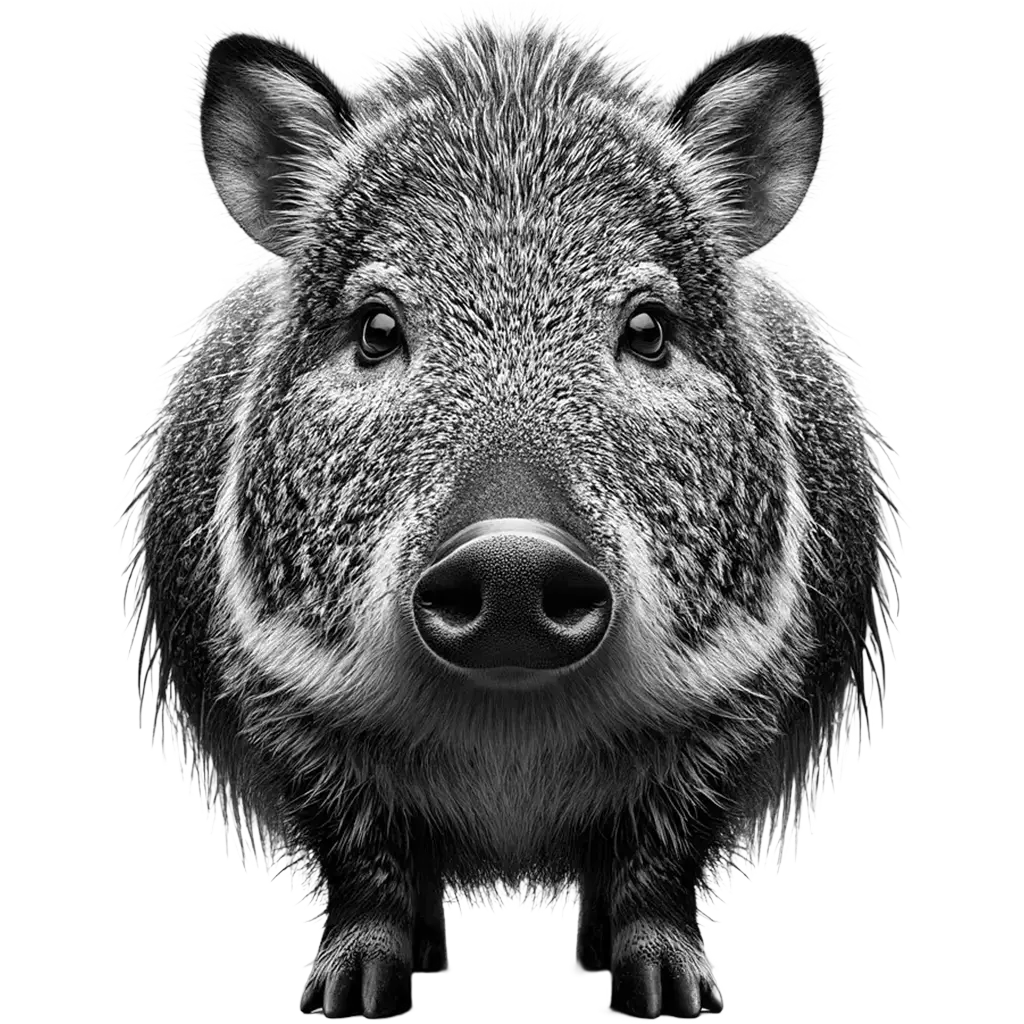
The Collared Peccary, dicotyles tajacu, commonly referred to as the javelina, is a medium-sized, hoofed mammal of the New World pig family, found throughout Central and South America and the southwestern United States. Distinguished by its dark gray body, coarse hair, and a white to yellowish collar of fur around
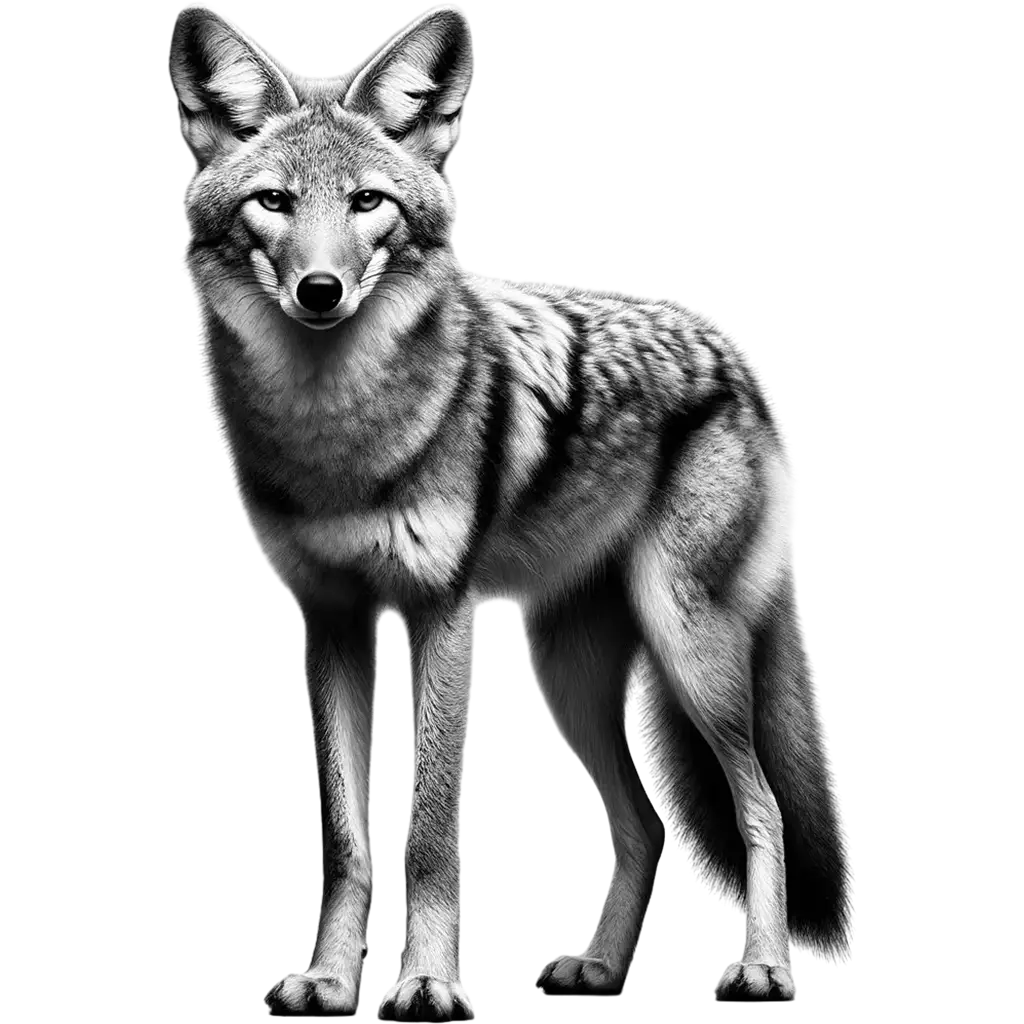
The Coyote, canis latrans, is a highly adaptable and versatile canid native to North America. Adults typically measure between 1.0 to 1.35 meters in length, including the tail, and weigh between 15 to 46 kg, with males generally larger than females. Their fur color can vary widely from grayish-brown to

The Grizzly Bear, ursus arctos horribilis, is a formidable subspecies of the brown bear, residing primarily in the forests, mountains, and tundras of North America, particularly in Alaska, western Canada, and parts of the northwestern United States. Characterized by its distinctive hump on its back—a result of powerful muscles used
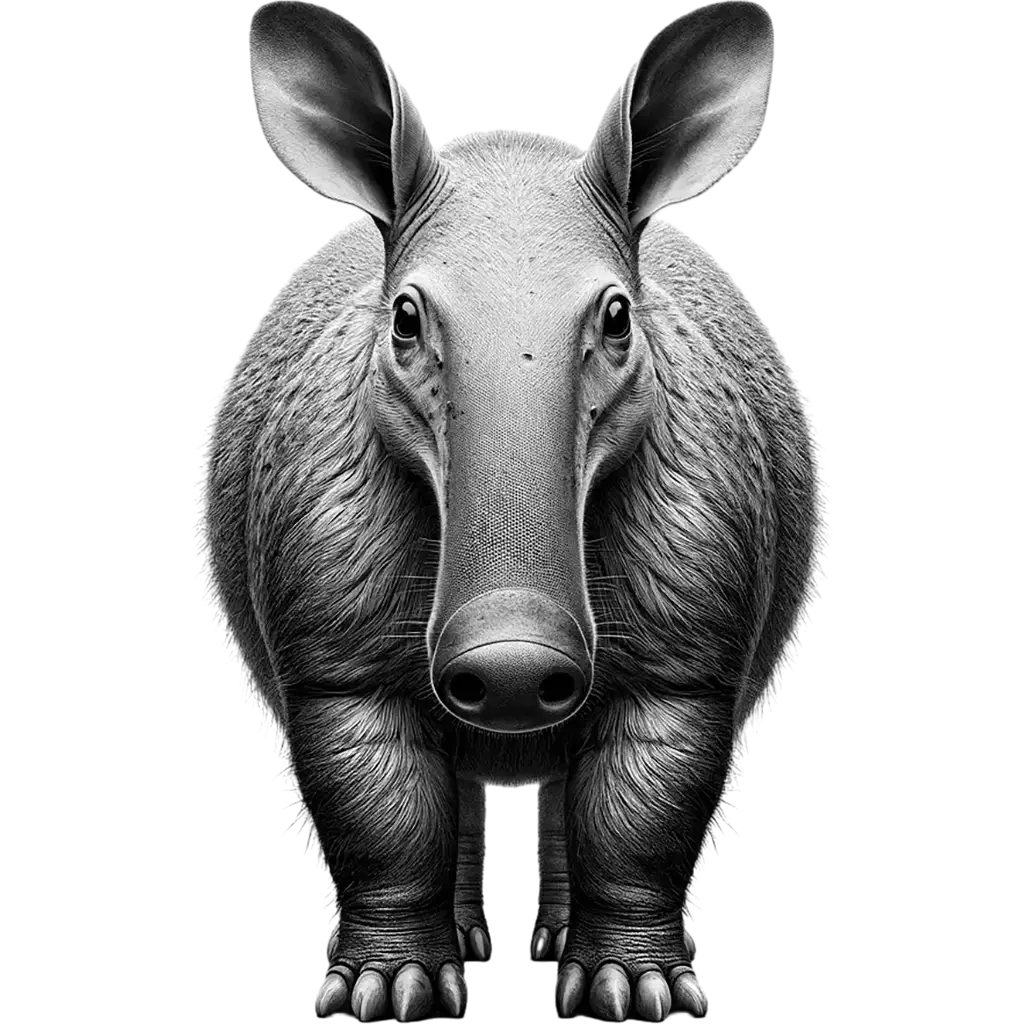
The Aardvark, orycteropus afer, is a unique mammal native to Africa, distinguished by its pig-like snout, long ears, and powerful limbs equipped with large claws. It measures approximately 1 to 1.5 meters in length and weighs between 40 to 65 kg. The Aardvark's body is covered in coarse, sparse fur