
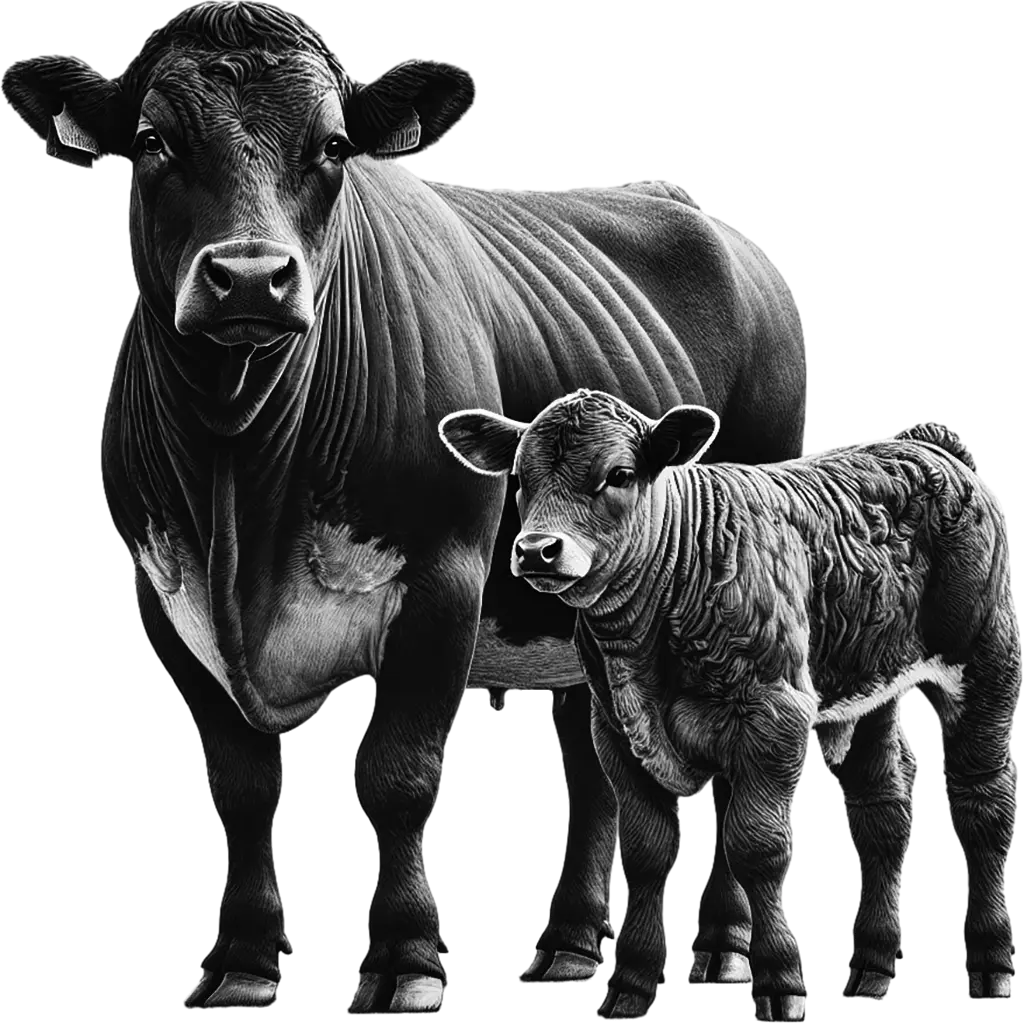
Top ten fascinating facts about
Shorthorn
Bos Taurus
Shorthorns are a versatile cattle breed known for their adaptability and high-quality milk and beef. Originating in England, Shorthorns are one of the oldest recognized cattle breeds, dating back to the 18th century. They are popular worldwide due to their gentle disposition and efficient feed conversion. Shorthorns are used in crossbreeding programs to enhance traits in other cattle breeds, making them invaluable in the livestock industry.
Shorthorn cattle are one of the oldest recognized cattle breeds.
Originating in the late 18th century in the northeastern counties of England, Shorthorn cattle are among the oldest recorded breeds. They were developed from local Teeswater and Durham cattle and were among the first breeds to have a herd book, established in 1822 with the Coates Herd Book.
They are known for their dual-purpose utility in both dairy and beef production.
Shorthorn cattle are versatile animals bred for both milk and meat. This dual-purpose nature makes them valuable to farmers who require efficient livestock capable of producing high-quality beef and substantial milk yields.
Shorthorns come in a variety of coat colors, including red, white, and roan.
The breed displays a range of colors: solid red, solid white, or a mix known as roan—a distinctive intermingling of red and white hairs. The roan pattern is unique among beef breeds and is a sought-after trait in Shorthorns.
They have contributed to the development of over 40 other cattle breeds worldwide.
Shorthorn genetics have been influential globally, playing a significant role in developing more than 40 other cattle breeds. Their desirable traits have been used to improve both beef and dairy characteristics in various countries.
Shorthorns are known for their docile temperament and ease of handling.
The breed is recognized for its calm and friendly disposition, making them easier to manage. This trait is beneficial for farmers and handlers, contributing to safer and more efficient farm operations.
They have a high fertility rate and strong maternal instincts.
Shorthorn cows are noted for their reproductive efficiency, with high conception rates and ease of calving. They exhibit excellent mothering abilities, ensuring the health and growth of their calves.
Shorthorn cattle adapt well to a variety of climates and environments.
Their hardiness allows them to thrive in different environmental conditions, from temperate regions to more extreme climates. This adaptability makes them a popular choice in diverse agricultural settings around the world.
The breed has a long lifespan and can remain productive for many years.
Shorthorns often have longer productive lives compared to other breeds, contributing to their economic value. Cows can remain in the breeding herd for many years, providing consistent milk production and calving.
They are often used in agricultural education and youth programs.
Due to their manageable size and gentle temperament, Shorthorn cattle are frequently used in agricultural education, 4-H clubs, and youth livestock shows, helping young people learn about animal husbandry.
Shorthorn meat is known for its marbling and high-quality beef.
Beef from Shorthorn cattle is prized for its tenderness and flavor, resulting from good intramuscular fat distribution (marbling). This quality makes their meat sought after in premium beef markets.
Check Out Other Mammals
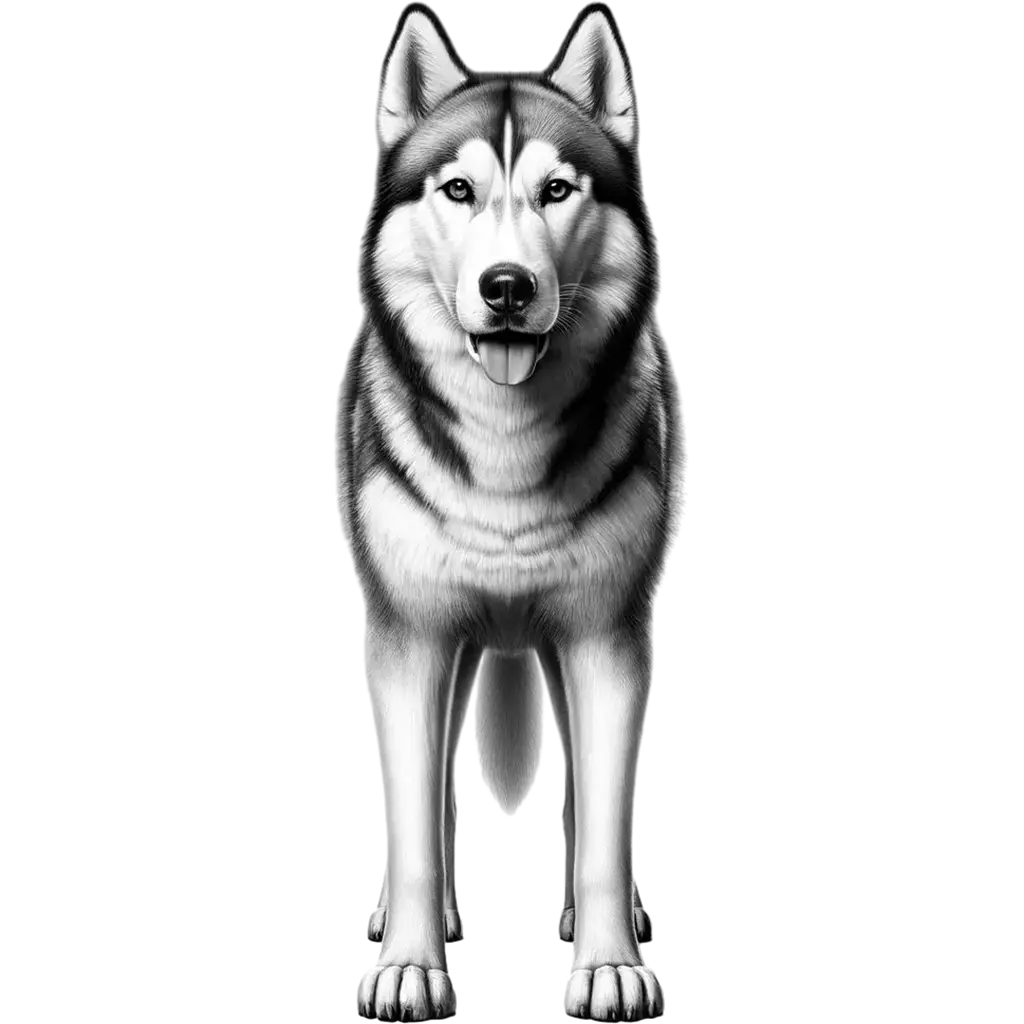
The Siberian Husky, a medium-sized working dog breed, is renowned for its endurance and willingness to work. Originating from Siberia, these dogs were bred by the Chukchi people for sled pulling and companionship. Siberian Huskies have a striking appearance, characterized by their thick double coat, erect triangular ears, and distinctive
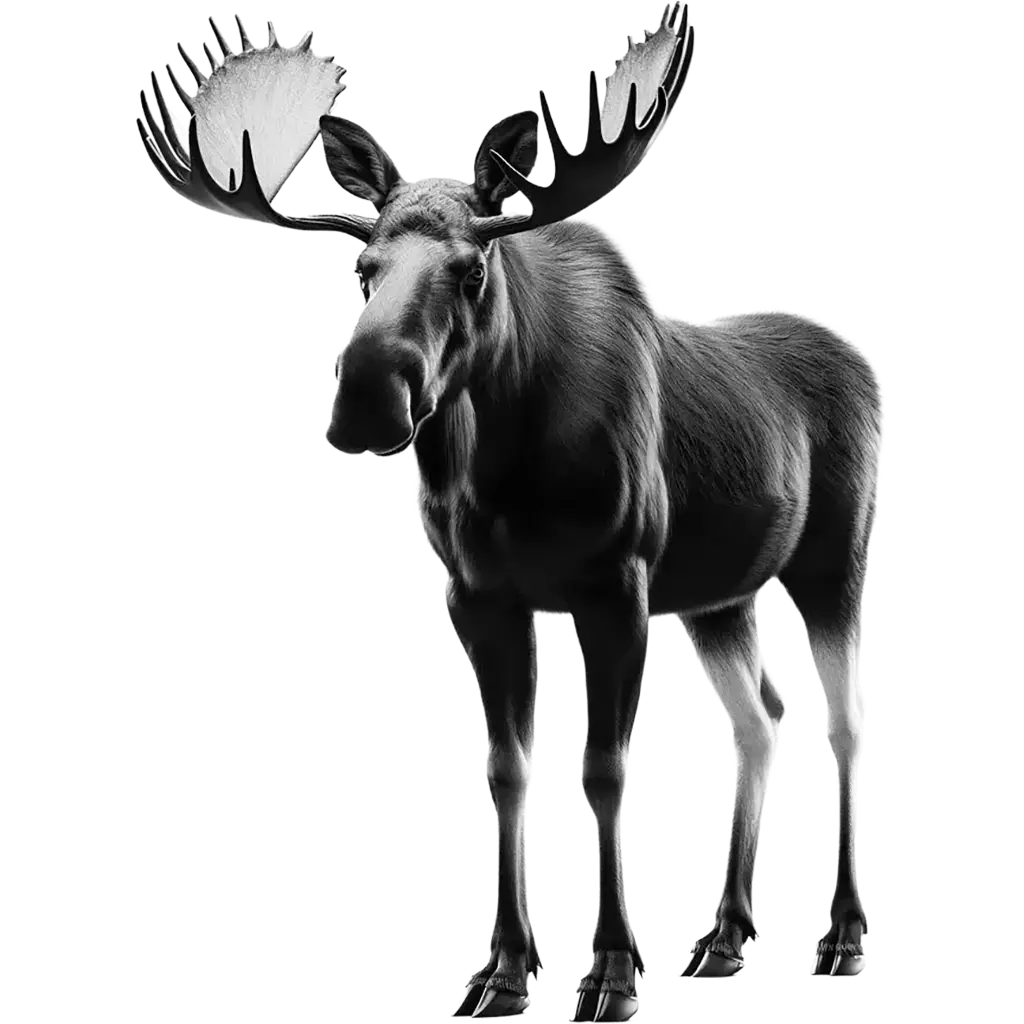
The Moose, alces alces, is the largest and most majestic member of the deer family, known for its impressive stature and distinctive features. With a towering height that can reach up to 2.1 meters (6.9 feet) at the shoulder, adult males are adorned with massive, palmate antlers that can span

The Orca, orcinus Orca, commonly known as the killer whale, is a highly intelligent and adaptable marine mammal found in all the world's oceans. Recognized by their striking black and white coloration, adult males are distinguished by their tall, triangular dorsal fins, which can reach heights of up to 1.8
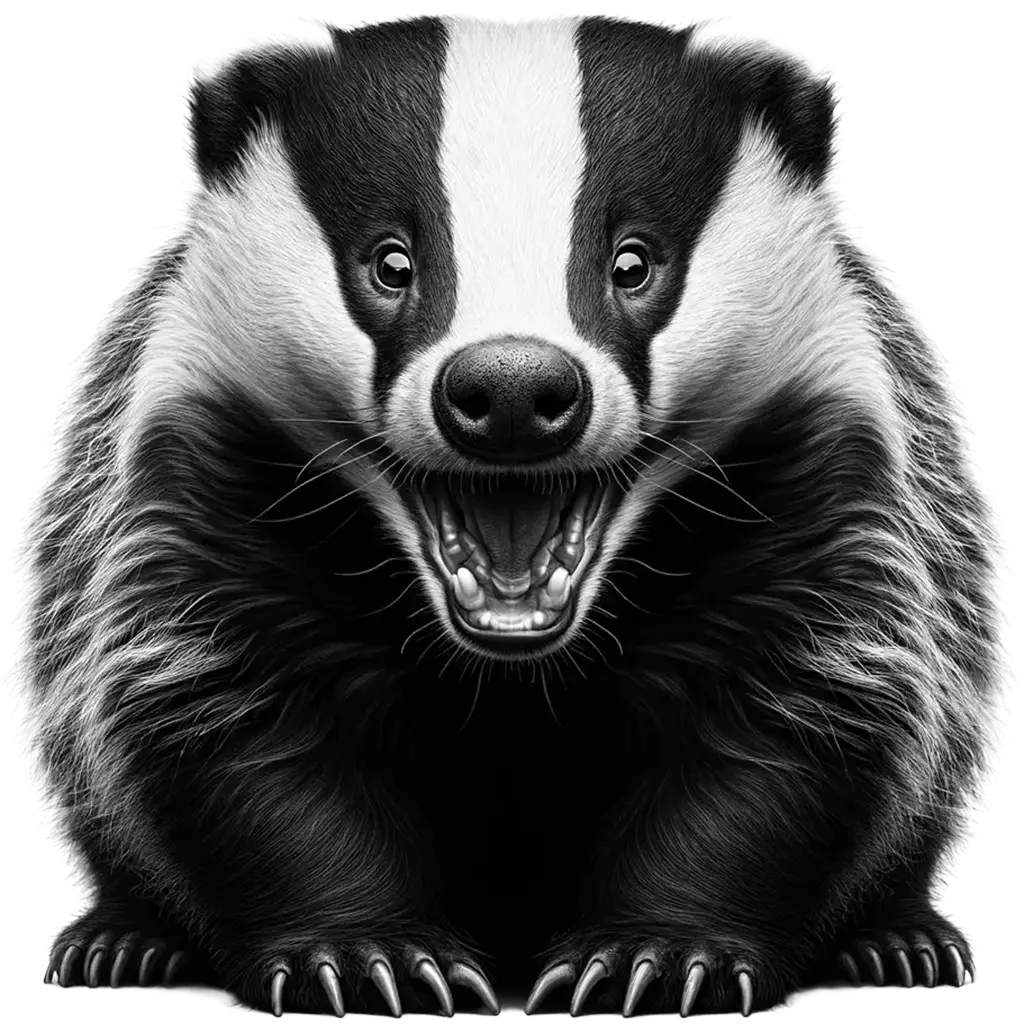
The American Badger, taxidea taxus, is a robust, low-slung mammal known for its powerful digging abilities, which are facilitated by its strong forelimbs and long claws. This creature sports a distinctive appearance with a broad, flat body, short legs, and a short, bushy tail. Adults typically measure around 60 to