
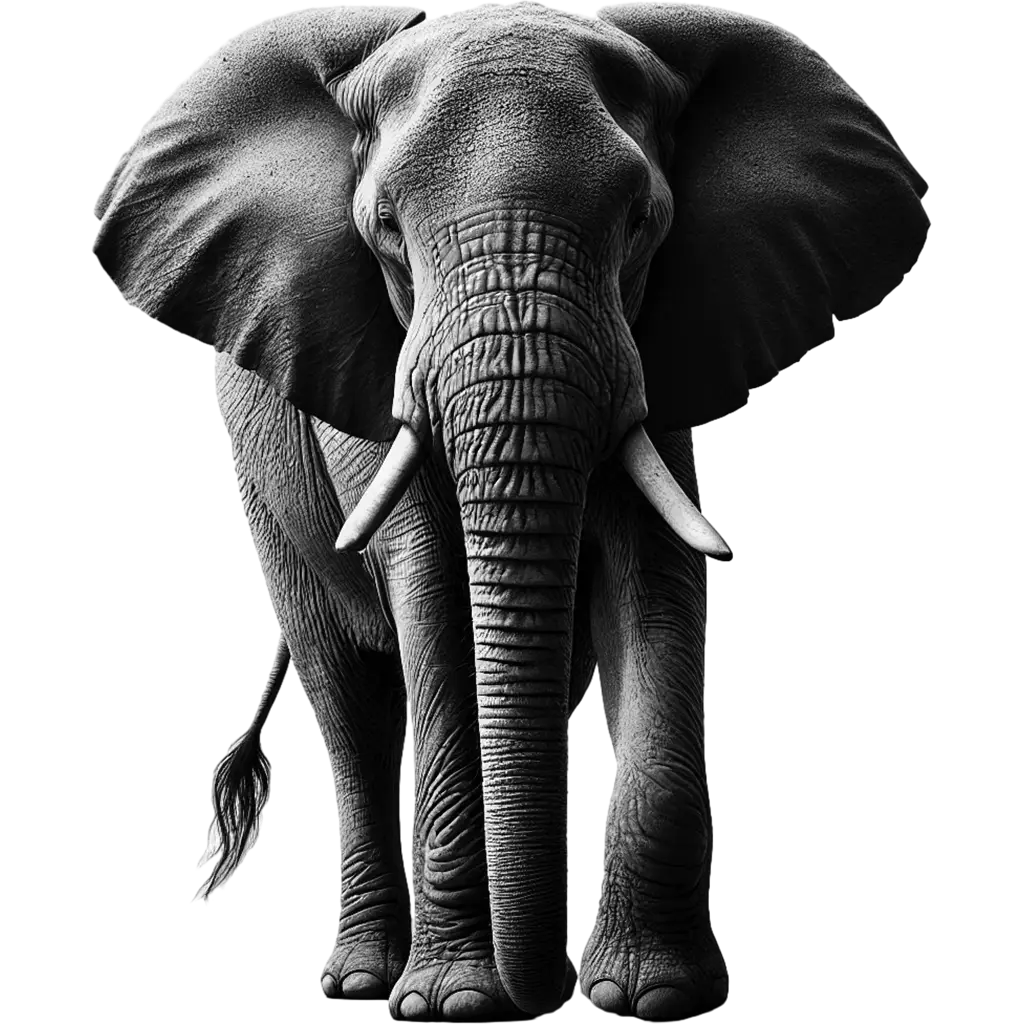
Loxodonta Africana
African Bush Elephant
Savannas, grasslands, woodlands, forests
The African Bush Elephant is the largest land animal on Earth, distinguished by its massive size, large ears, and long tusks. Males can grow over 7 meters in length and weigh up to 12,000 kg, while females are smaller but still formidable. Their large, fan-like ears help dissipate heat, while their long, muscular trunks are used for feeding, drinking, and communication. The species is known for its wrinkled, thick skin that helps retain moisture and protect against harsh sun exposure.
| Population: | Estimated 415,000 individuals |
| Generation Length: | 25 years |
| Average Weight: | 2,700-6,000 kg (females), 4,500-12,000 kg (males) |
| Average Length: | 5.5-7.5 meters (body), 1-1.5 meters (tail) |
| Lifespan: | 60-70 years in the wild |
| Diet: | Grasses, bark, leaves, fruits, roots |
| Conservation Status: | Endangered (EN) |
These elephants live in close-knit, matriarchal herds, led by an experienced female. They are highly intelligent, displaying strong family bonds and complex social behaviors. Herds move seasonally across vast distances in search of food and water, communicating through deep rumbles, infrasound, and body gestures. Males typically leave their birth herds upon reaching adolescence, forming loose bachelor groups before becoming solitary as they mature.
As herbivores, African Bush Elephants consume up to 300 kg of vegetation daily. They have a varied diet, feeding on grasses, leaves, bark, and fruits. Their tusks allow them to strip tree bark for nutrients, dig for water, and defend against threats. They play a critical role in shaping ecosystems by dispersing seeds and modifying landscapes, creating habitats for other species.
Mating occurs when males enter musth, a period of heightened aggression and reproductive drive. Dominant bulls compete for access to females, who give birth after a 22-month gestation period—the longest of any land mammal. Calves are dependent on their mothers for several years, receiving care and protection from the entire herd. This strong social structure ensures the survival of young elephants.
Despite their ecological importance, African Bush Elephants face severe threats from poaching for their ivory, habitat destruction, and human-wildlife conflict. Their population has declined significantly, leading to their classification as Endangered. Conservation efforts focus on anti-poaching measures, habitat protection, and promoting coexistence between humans and elephants to prevent further population loss.
Classifications
The Key Attributes
Features
- Movement:
Quadrupedal
- Territorial Behavior:
Highly social, living in matriarchal herds
- Speed:
Up to 40 km/h in short bursts
- Diet:
Herbivore
- Physical Features:
- Large, fan-like ears for heat regulation
- Long, prehensile trunk used for feeding and communication
- Massive tusks for defense and digging
- Wrinkled, thick skin for moisture retention
- Primary Senses:
- Smell
- Hearing
- Touch
Understanding Habitat and Range
Geography
- Habitat:
Savannas, grasslands, woodlands, forests
- Migration Patterns:
Seasonal migrations for food and water
- Geographical Range:
Sub-Saharan Africa
- Climate Preferences:
Tropical and subtropical environments
Navigating the Wilderness
In the wild
- Predators:
No natural predators as adults; calves may be targeted by lions, hyenas, and crocodiles
- Prey:
None (herbivorous)
- Feeding Behavior:
Consumes up to 300 kg of vegetation daily
- Diet:
Grasses, bark, leaves, fruits, roots
- Defensive Mechanisms:
- Strong herd protection for calves
- Powerful tusks used in defense
- Trumpeting and charging to deter threats
- Preferred Food Sources:
- Acacia trees
- Baobab bark
- Savanna grasses
- Water plants
Insights Into Reproduction
Mating
- Mating System:
Polygynous
- Number of Offspring:
Usually one calf per birth
- Gestation Period:
22 months
- Parental Involvement:
- Mother provides primary care
- Herd assists in protecting young
Youngsters Section
African Bush Elephant
Fun Fact
African Bush Elephants can use infrasound to communicate over distances of several kilometers.
Their large ears help regulate body temperature, allowing them to dissipate excess heat in the hot African climate. The flapping of their ears increases airflow, cooling their blood and helping them stay comfortable in extreme heat.

Download word search puzzles
Word Search Puzzles

Check Out Other Mammals
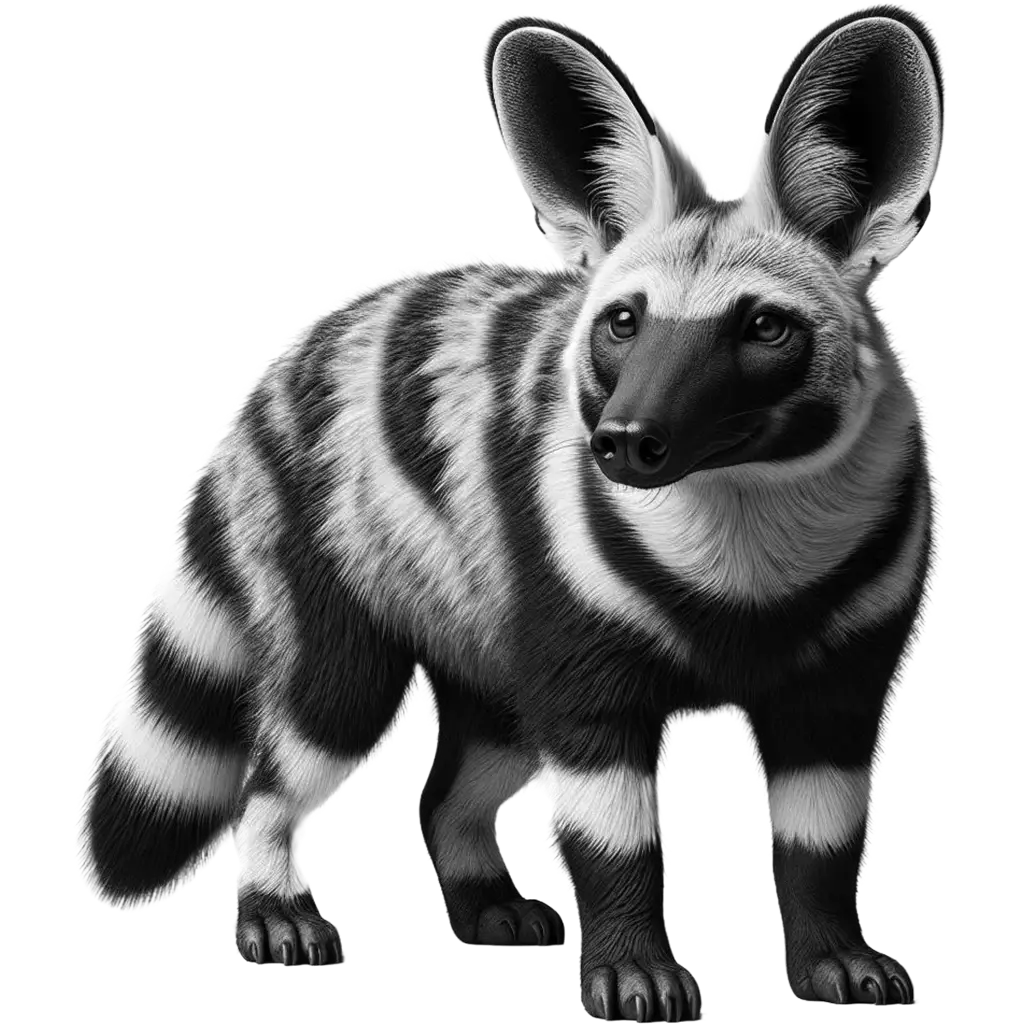
The Aardwolf, proteles cristatus, is a small, insectivorous mammal, distinct from its larger carnivorous relatives in the Hyaenidae family, such as hyenas. With a shoulder height of about 40 to 50 cm and weighing between 8 to 14 kg, the Aardwolf possesses a slender frame, covered in a coarse yellow-brown
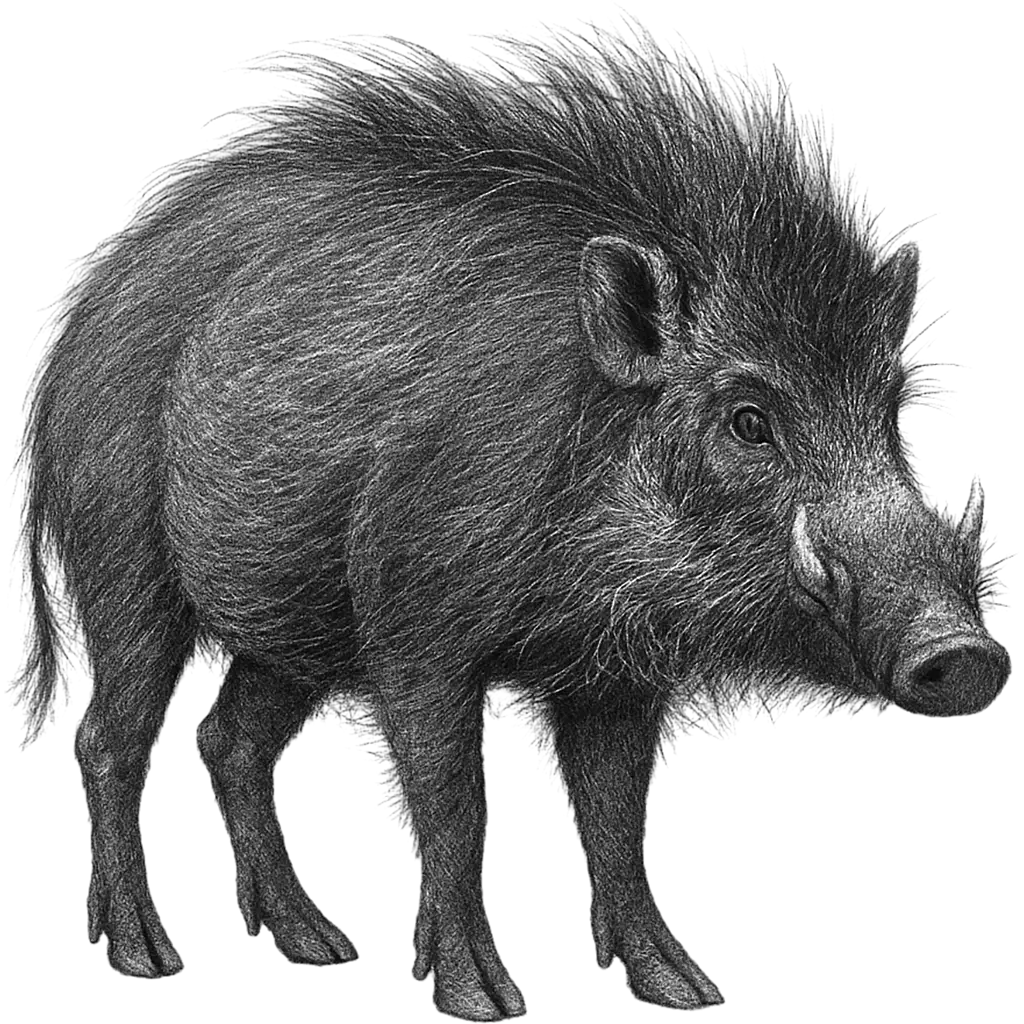
The Visayan Warty Pig has a compact, sturdy body measuring approximately 100 to 125 centimeters in length, supported by short, powerful legs. Its coarse fur ranges from dark gray to black, often with a lighter dorsal stripe and faint speckling. Adult males bear three pairs of distinctive fleshy warts along

The Fossa, cryptoprocta ferox, is a unique and elusive carnivore native to Madagascar, often described as a 'cat-like' predator despite its closer genetic ties to mongooses and civets. This apex predator of the Malagasy forests stands as the largest mammalian carnivore on the island, with adults measuring up to 80
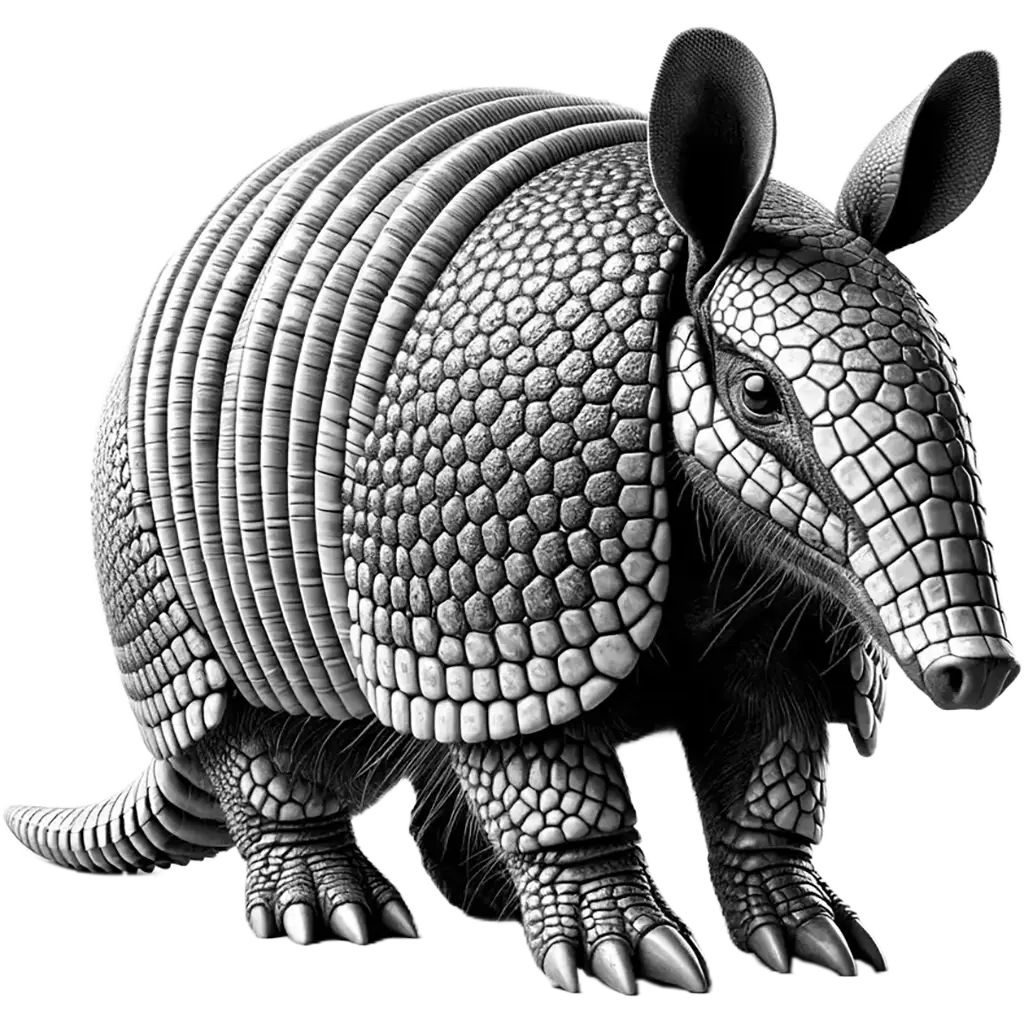
The Nine-Banded Armadillo, Dasypus novemcinctus, is a medium-sized mammal known for its distinctive armor-like shell, consisting of flexible, bony plates that cover its back, sides, head, and tail. This unique adaptation provides protection against predators. Adult armadillos typically measure between 38 to 58 centimeters in body length, with a 26