
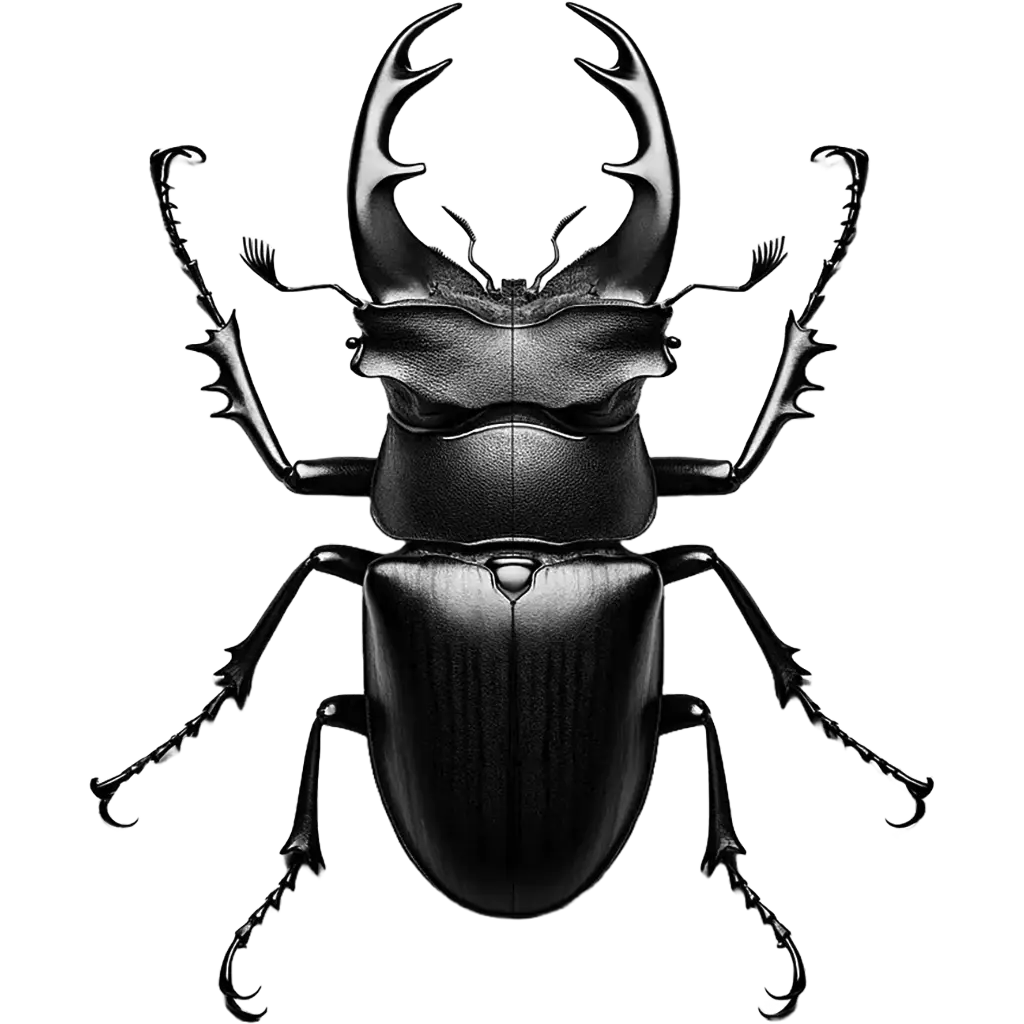
Aegus Laevicollis
Aegus Beetle
Deciduous forests, gardens, and hedgerows
The Aegus Beetle, aegus laevicollis, a genus of stag beetles, belonging to the family Lucanidae, is one of the most recognizable and spectacular of beetles, known for the impressive, oversized mandibles of the males, which resemble the antlers of a stag, hence their name. These mandibles are used in combat with other males over mating rights, making them a unique example of sexual dimorphism in the insect world. Stag Beetles can vary significantly in size, with some species' males reaching up to 12 cm in length, though most are between 2 to 7 cm. Their body is typically black, brown, or reddish-brown, with a shiny, hard exoskeleton.
| Population: | Not globally assessed, but some species are considered threatened or endangered |
| Generation Length: | Approximately 4-6 years |
| Average Weight: | Not applicable, but relatively heavy for beetles |
| Average Length: | 5-12 cm depending on the species |
| Lifespan: | 3-7 years (including larval stage) |
| Diet: | Adults mainly consume sap and other plant fluids, larvae feed on decaying wood |
| Conservation Status: | Not Evaluated (NE) |
Stag Beetles are found in woodlands, forests, and gardens across Europe, Asia, and North America. They prefer habitats with a plentiful supply of decaying wood, which is crucial for the larvae's development. The larvae, which can be up to 8 cm long, feed on this decomposing wood for several years before pupating and emerging as adults. This lengthy larval stage plays a vital role in the ecosystem, aiding in the decomposition process and nutrient cycling.
The diet of adult Stag Beetles primarily consists of sap, fruit, and tree juices. Unlike their larvae, which are detritivores, the adults are not dependent on decaying wood for nutrition. Instead, they often feed on the sap from damaged trees, using their mandibles to access it.
Reproduction in Stag Beetles involves a fascinating display of male combat, where they use their mandibles to wrestle and flip opponents. After mating, females lay their eggs in or on the ground near decaying wood, where the larvae will have immediate access to food upon hatching. This reproductive strategy ensures the continuation of the species and the ongoing process of wood decomposition in their habitats.
The population of Stag Beetles is considered vulnerable in some areas due to habitat loss, pollution, and the removal of dead wood from forests, which reduces larval feeding sites. Conservation efforts focus on protecting natural habitats, promoting the retention of dead wood in forests, and raising awareness about the ecological importance of these remarkable insects. Despite their fearsome appearance, Stag Beetles are harmless to humans and play a crucial role in their ecosystems.
Classifications
The Key Attributes
Features
- Movement:
Crawling, flying
- Territorial Behavior:
Males can be territorial and will fight with their mandibles
- Speed:
Not particularly fast, but capable flyers over short distances
- Diet:
Omnivore
- Physical Features:
- Large, prominent mandibles resembling antlers
- Strong exoskeleton
- Wing cases (elytra) often shiny and robust
- Variability in size and color among species
- Primary Senses:
- Touch
- Smell
- Taste
Understanding Habitat and Range
Geography
- Habitat:
Deciduous forests, gardens, and hedgerows
- Migration Patterns:
Non-migratory, but adults may disperse to find mates
- Geographical Range:
Widely distributed across Europe, Asia, and North America
- Climate Preferences:
Temperate regions with abundant decaying wood for larval development
Navigating the Wilderness
In the wild
- Predators:
Birds, small mammals, and larger insects
- Prey:
Primarily plant-based materials like sap and fruit
- Feeding Behavior:
Adults feed on tree sap, fruit, and nectar; larvae feed on decaying wood
- Diet:
Adults mainly consume sap and other plant fluids, larvae feed on decaying wood
- Defensive Mechanisms:
- Mandibles used for defense and combat between males
- Hard exoskeleton protects against predators and environmental factors
- Preferred Food Sources:
- Trees with exposed sap and areas with plentiful decaying wood
Insights Into Reproduction
Mating
- Mating System:
Polygynous
- Number of Offspring:
Eggs are laid in rotting wood; number varies
- Incubation Period:
Larval stage lasts 1-2 years before pupating
- Parental Involvement:
- Minimal; after laying eggs, females provide no further care
Youngsters Section
Aegus Beetle
Fun Fact
The Aegus Beetle is known for its shiny exoskeleton and impressive mandibles, often found in Asia.
These beetles are typically nocturnal and use their strong mandibles for defense and competition. They thrive in moist environments, often hiding under logs or leaf litter. Their larvae feed on decaying wood, playing a vital role in forest ecosystems by aiding decomposition.

Download word search puzzles
Word Search Puzzles

Check Out Other Invertebrates
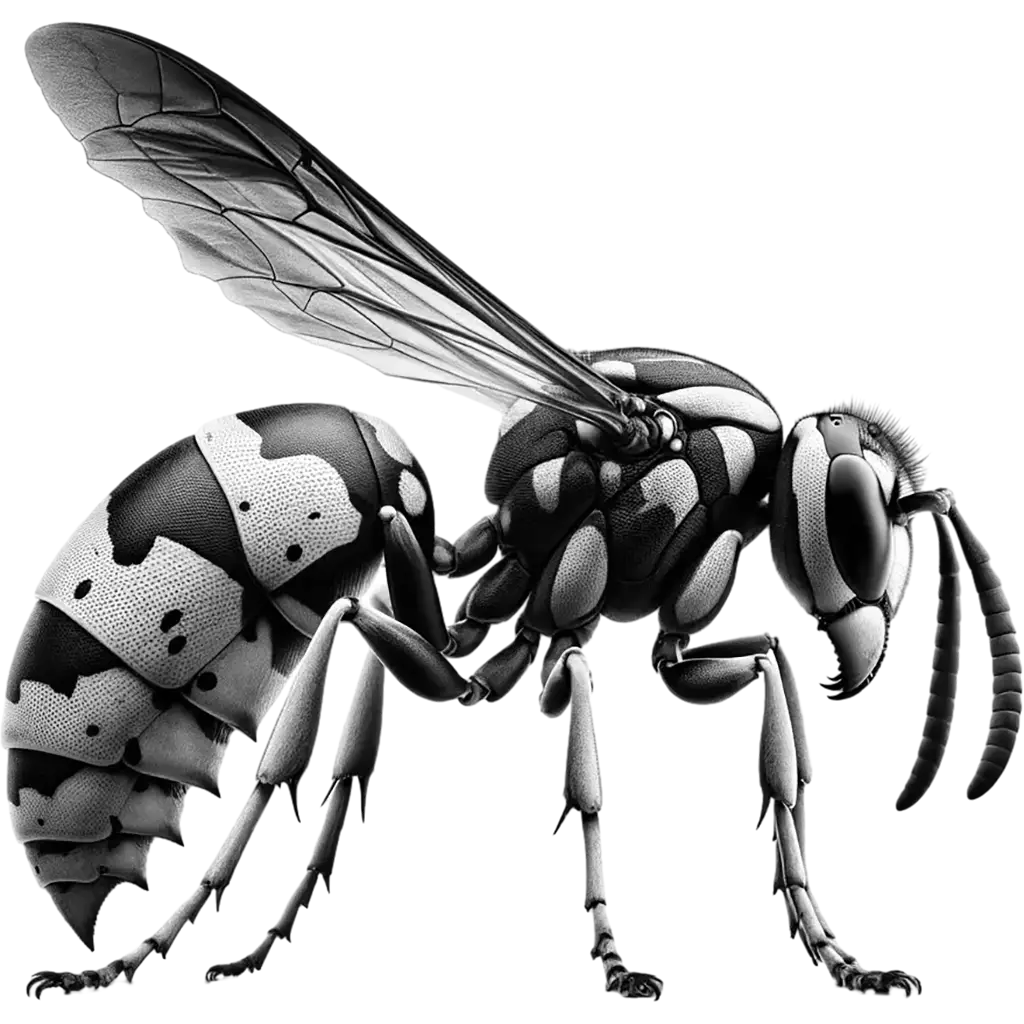
The term Yellowjacket refers to several species of the genus Dolichovespula and Vespula, known for their distinctive yellow and black body markings. These social insects are medium-sized wasps, with workers typically measuring 10 to 16 mm in length. They possess a slender body with a narrow waist, two pairs of
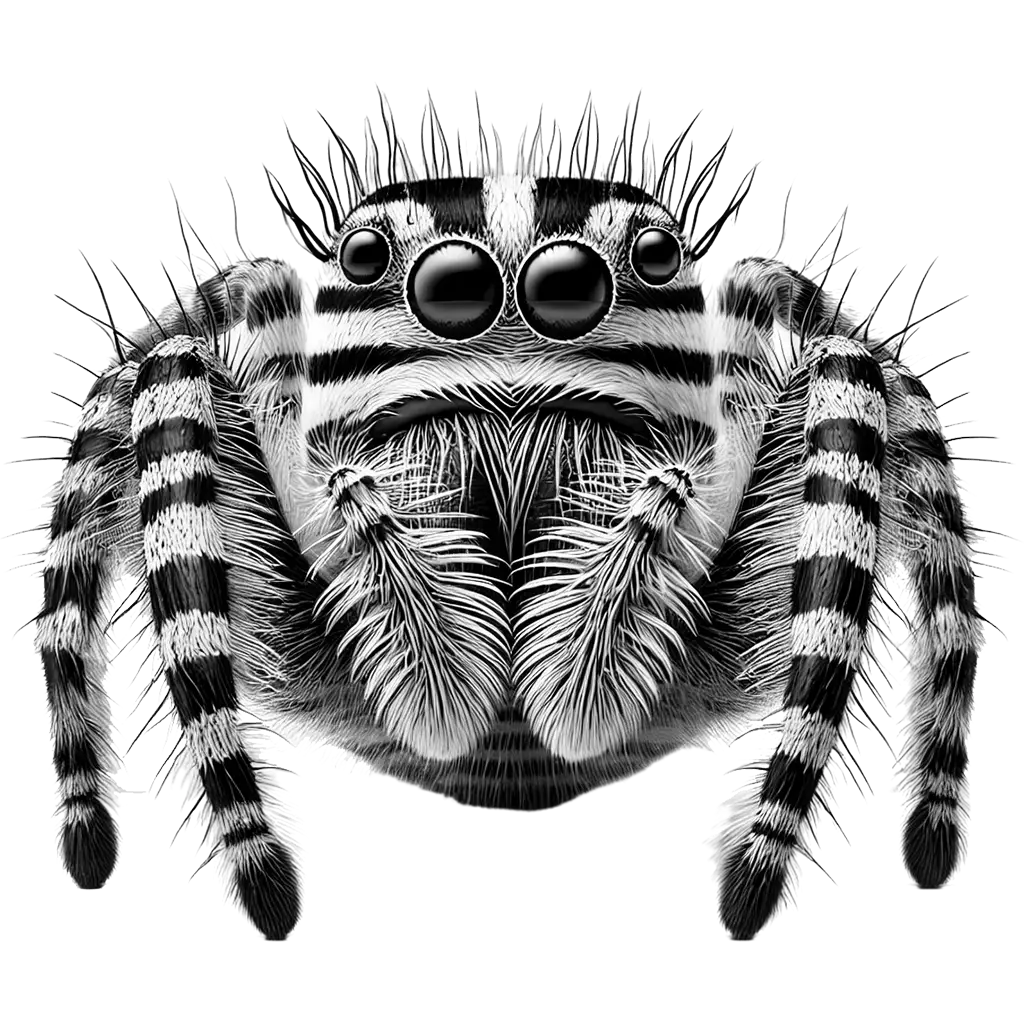
The Zebra Spider is a small, agile jumping spider characterized by its distinctive black and white striped pattern that resembles zebra markings. Its compact body, long spindly legs, and large forward-facing eyes give it an alert and inquisitive appearance, perfectly adapted for active hunting on walls and windows in both
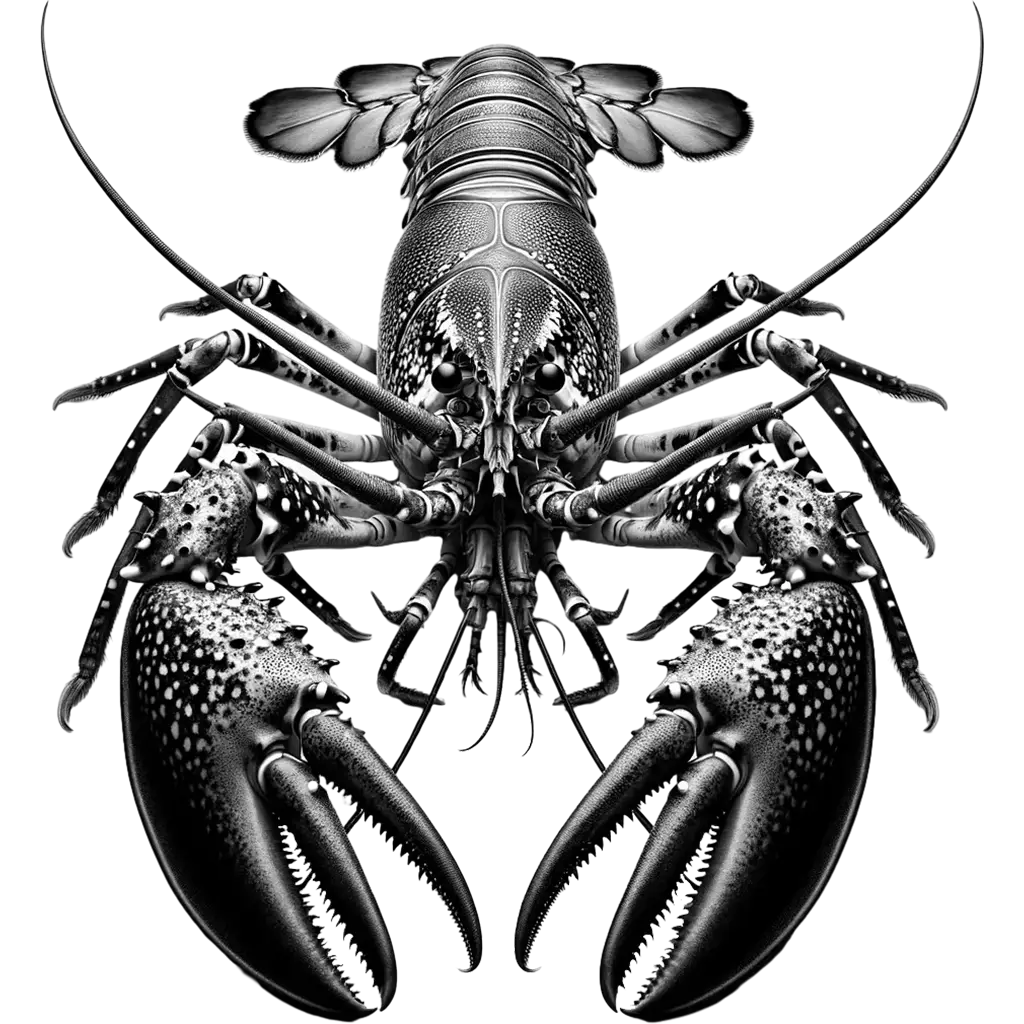
The American Lobster, homarus americanus, is a large marine crustacean found along the Atlantic coast of North America, from Labrador to New Jersey. It is distinguished by its heavy, segmented body covered in a hard exoskeleton, two large claws (one larger and one smaller, specialized for crushing and cutting), and
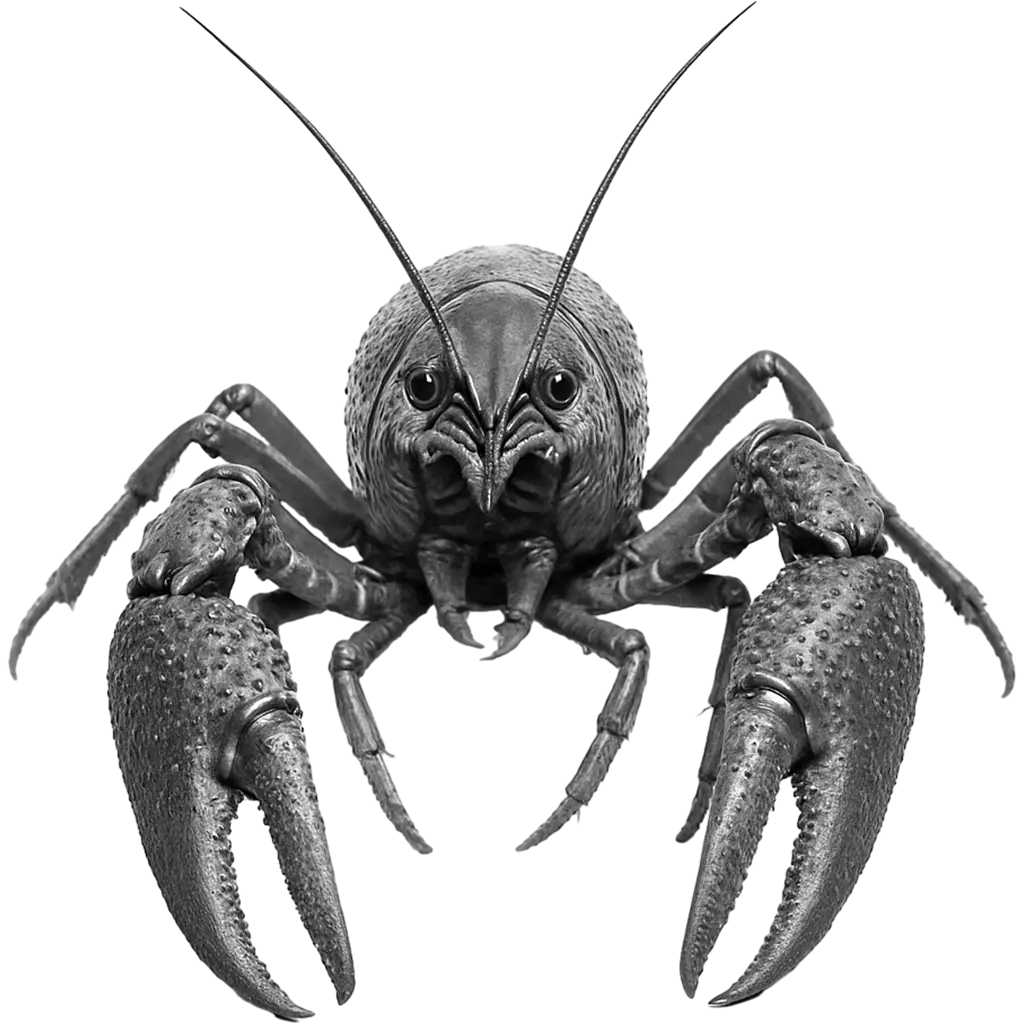
The common yabby is characterized by a robust, segmented body with a sturdy exoskeleton that provides protection. Its limbs are adorned with prominent, clawed pincers and sensitive antennae. The organism features a fan-like tail which aids in swift aquatic movements. Its coloration is usually mottled brown and green, perfectly blending