
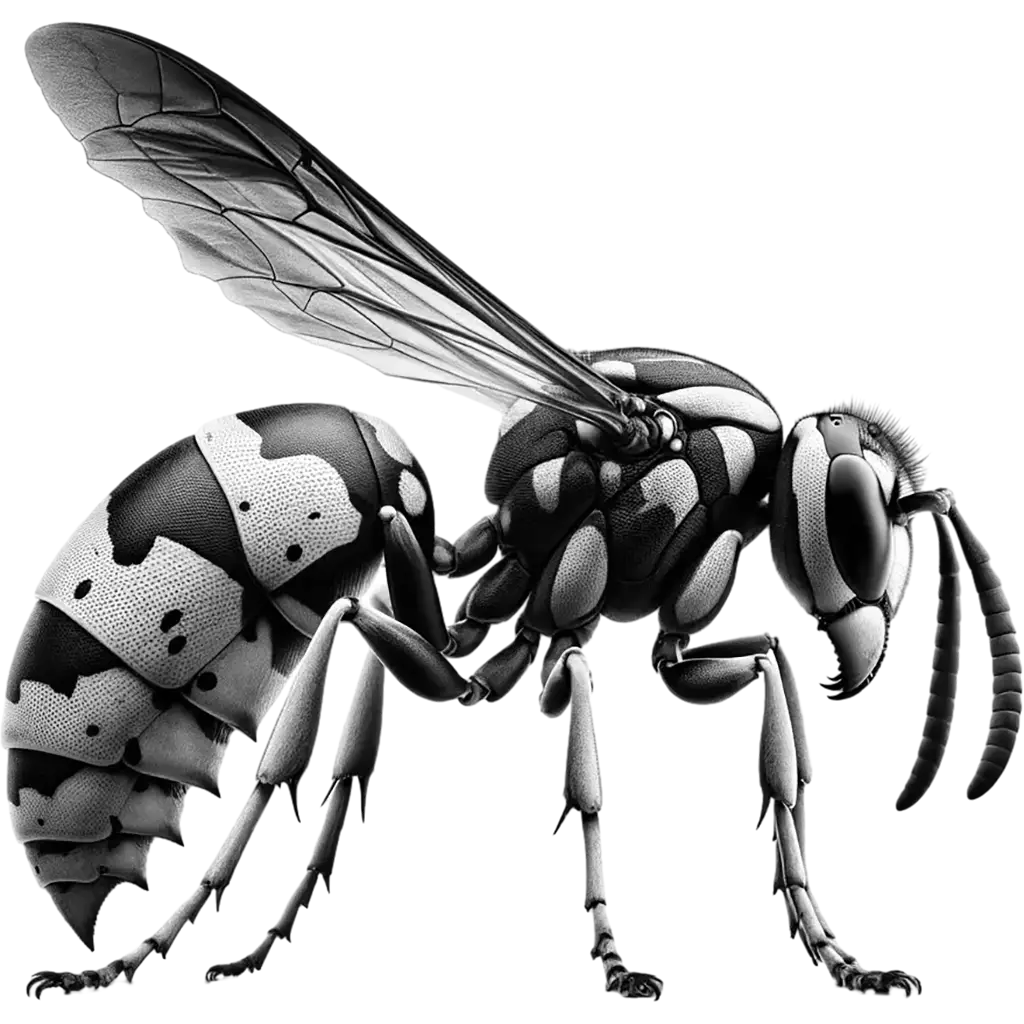
Dolichovespula Maculata
Yellowjacket
Varied, including forests, meadows, gardens, and urban areas
The term Yellowjacket refers to several species of the genus Dolichovespula and Vespula, known for their distinctive yellow and black body markings. These social insects are medium-sized wasps, with workers typically measuring 10 to 16 mm in length. They possess a slender body with a narrow waist, two pairs of wings, and a sting used for defense and hunting. Yellowjackets are often mistaken for bees due to their similar size and coloration, but they can be distinguished by their more aggressive behavior and smoother, less hairy bodies.
| Population: | Widespread and common in various regions |
| Generation Length: | 1 year |
| Average Weight: | Very light, typically less than 1 gram |
| Average Length: | 10-16 mm |
| Lifespan: | Workers live for several weeks; queens can live up to one year |
| Diet: | Varied diet including proteins from other insects and carbohydrates from plant nectar |
| Conservation Status: | Not Evaluated (NE) |
Yellowjackets are highly adaptable and can be found in a variety of habitats, including urban areas, forests, and open fields. They construct paper nests from chewed wood pulp, often located underground, in hollow trees, or within structural voids in buildings. These nests can contain thousands of individuals, including a queen, male drones, and female workers. Yellowjackets are known for their aggressive defense of their nests, posing a risk to humans who venture too close.
The diet of Yellowjackets is primarily carnivorous, feeding on insects and other arthropods. However, they are also attracted to human food, especially sweets and proteins, which can lead to conflicts at outdoor activities. In the ecosystem, they serve as both predators, controlling insect populations, and as scavengers, contributing to the decomposition process.
Reproduction in Yellowjackets involves the queen laying eggs in the spring, which hatch into female workers responsible for nest expansion, foraging, and care of subsequent offspring. By late summer, the queen produces males and future queens, which leave the nest to mate. The newly fertilized queens overwinter in protected locations, emerging in spring to start new colonies. The original colony and queen die off in winter.
The population dynamics of Yellowjackets are influenced by environmental conditions, availability of food resources, and predation. While considered pests due to their potential to harm humans and invade recreational and residential areas, they play important roles in natural pest control and are part of the complex web of pollinators. Management efforts typically focus on mitigating human-wasp conflicts, especially in populated areas.
Classifications
The Key Attributes
Features
- Movement:
Flying, crawling
- Territorial Behavior:
Highly territorial, especially near the nest
- Speed:
Fast fliers, capable of quick maneuvers
- Diet:
Omnivore
- Physical Features:
- Yellow and black segmented body with six legs and two pairs of wings
- Narrow waist with an elongated abdomen
- Equipped with a stinger used for defense and prey subdual
- Antennae on the head used for sensing
- Primary Senses:
- Sight
- Smell
- Taste
Understanding Habitat and Range
Geography
- Habitat:
Varied, including forests, meadows, gardens, and urban areas
- Migration Patterns:
Non-migratory, but new nests are established seasonally
- Geographical Range:
Found throughout North America, Europe, and Asia
- Climate Preferences:
Prefer temperate climates but can thrive in a variety of environmental conditions
Navigating the Wilderness
In the wild
- Predators:
Birds, bears, and other wasps
- Prey:
Insects, caterpillars, spiders, and other arthropods
- Feeding Behavior:
Feeds on insects, human food waste, and nectar
- Diet:
Varied diet including proteins from other insects and carbohydrates from plant nectar
- Defensive Mechanisms:
- Stinging
- Swarming in defense of the nest
- Mimicry and camouflage in some environments
- Preferred Food Sources:
- Areas rich in insect prey and accessible sugar sources, like flower nectar or human food waste
Insights Into Reproduction
Mating
- Mating System:
Haplodiploid, where males are haploid and females are diploid
- Number of Offspring:
Varies significantly; a single queen can produce thousands of workers in her lifetime
- Incubation Period:
Eggs hatch in 3-5 days; larvae stage lasts about 2-3 weeks
- Parental Involvement:
- Queens lay eggs and initiate the colony; workers provide care and feeding for larvae
Youngsters Section
Yellowjacket
Fun Fact
Yellowjackets are not bees, but wasps, known for their aggressive behavior and painful stings.
These wasps are important predators, controlling pest populations by feeding on insects. They live in colonies, which can reach up to 5,000 members. Unlike bees, yellowjackets can sting multiple times. In late summer, they become more aggressive as food sources diminish, leading to more human encounters.

Download word search puzzles
Word Search Puzzles
Check Out Other Invertebrates
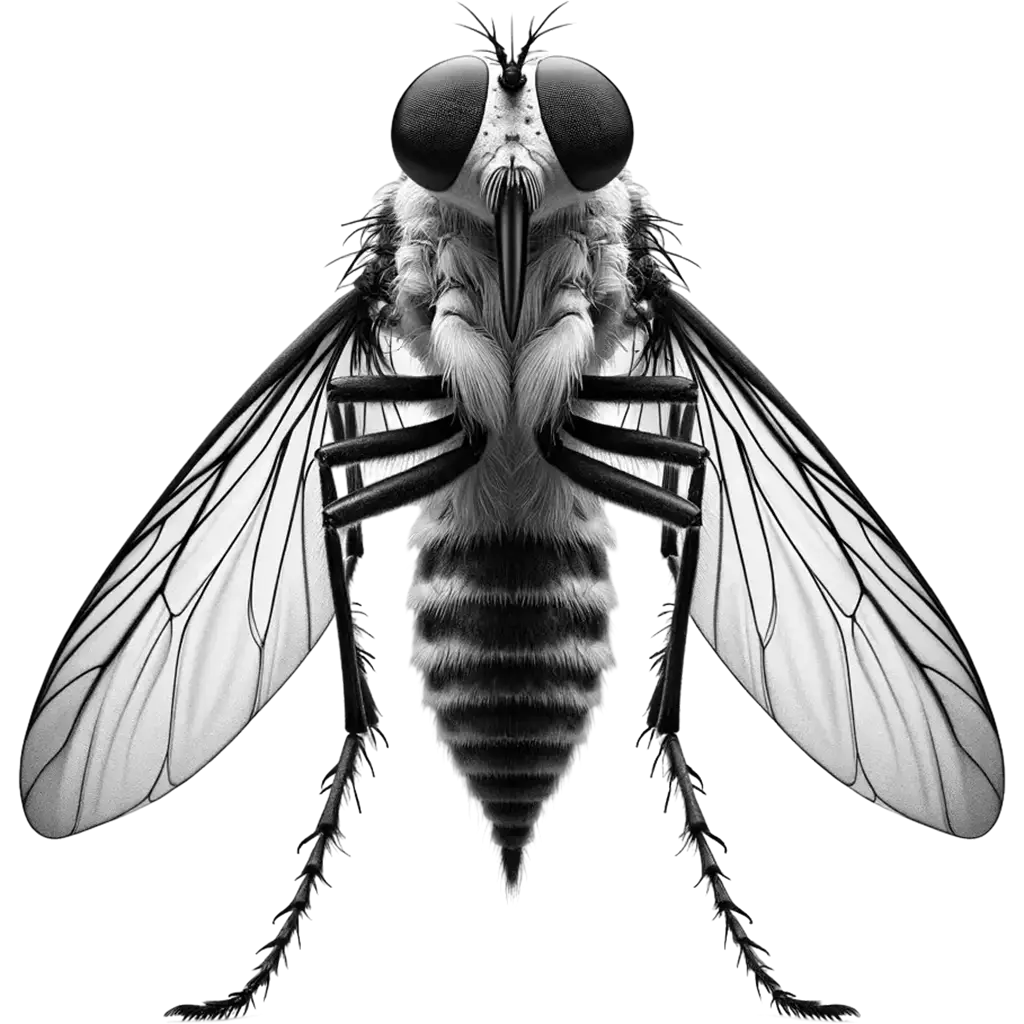
The Tsetse Fly, glossina morsitans, is a blood-feeding insect known for its role in transmitting trypanosomiasis, also known as sleeping sickness in humans and nagana in animals. Measuring about 8 to 17 mm in length, tsetse flies are distinguishable by their distinct forward-projecting proboscis and the unique hatchet-shaped cell in
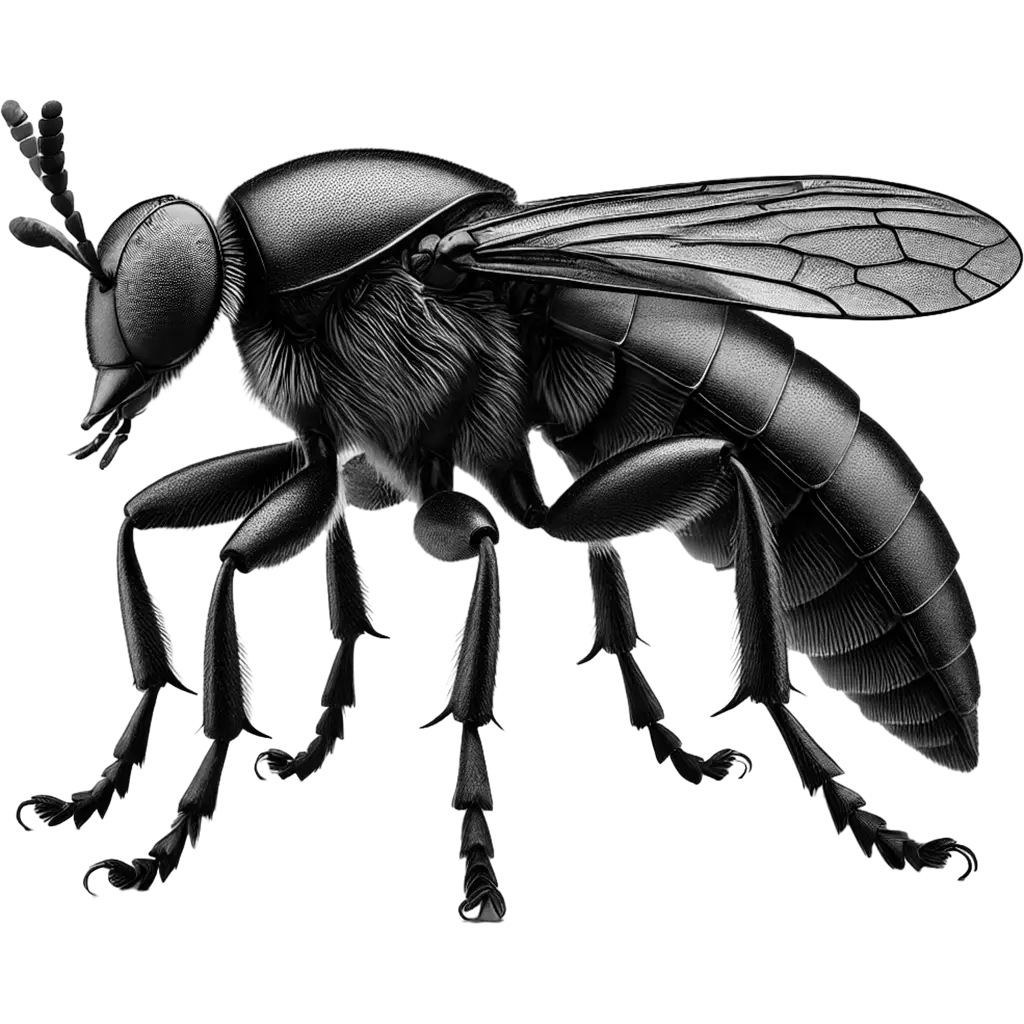
The Spanish fly is a striking blister beetle with a smooth, elongated body that measures roughly 1.5 to 2 centimeters in length. Its vivid orange to deep red coloration, accented by contrasting dark markings along the elytra, creates a bold, warning display. The body is slender yet soft, with delicate,
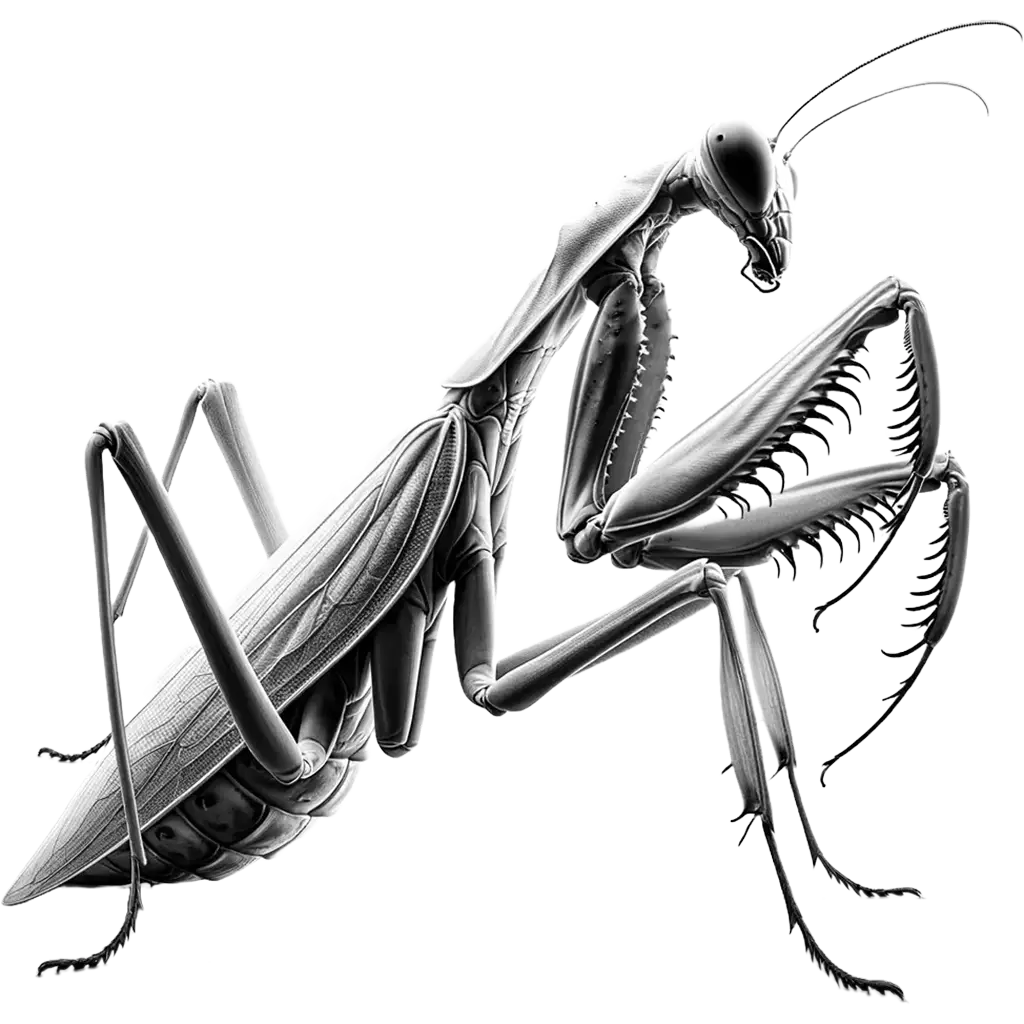
The European Mantis, mantis religiosa, is a widely recognized species of praying mantis, notable for its distinctive posture and predatory behavior. Adult mantises can reach lengths of about 5 to 7.5 cm, exhibiting a range of colors from green to brown, which aids in camouflage within their natural habitats. They
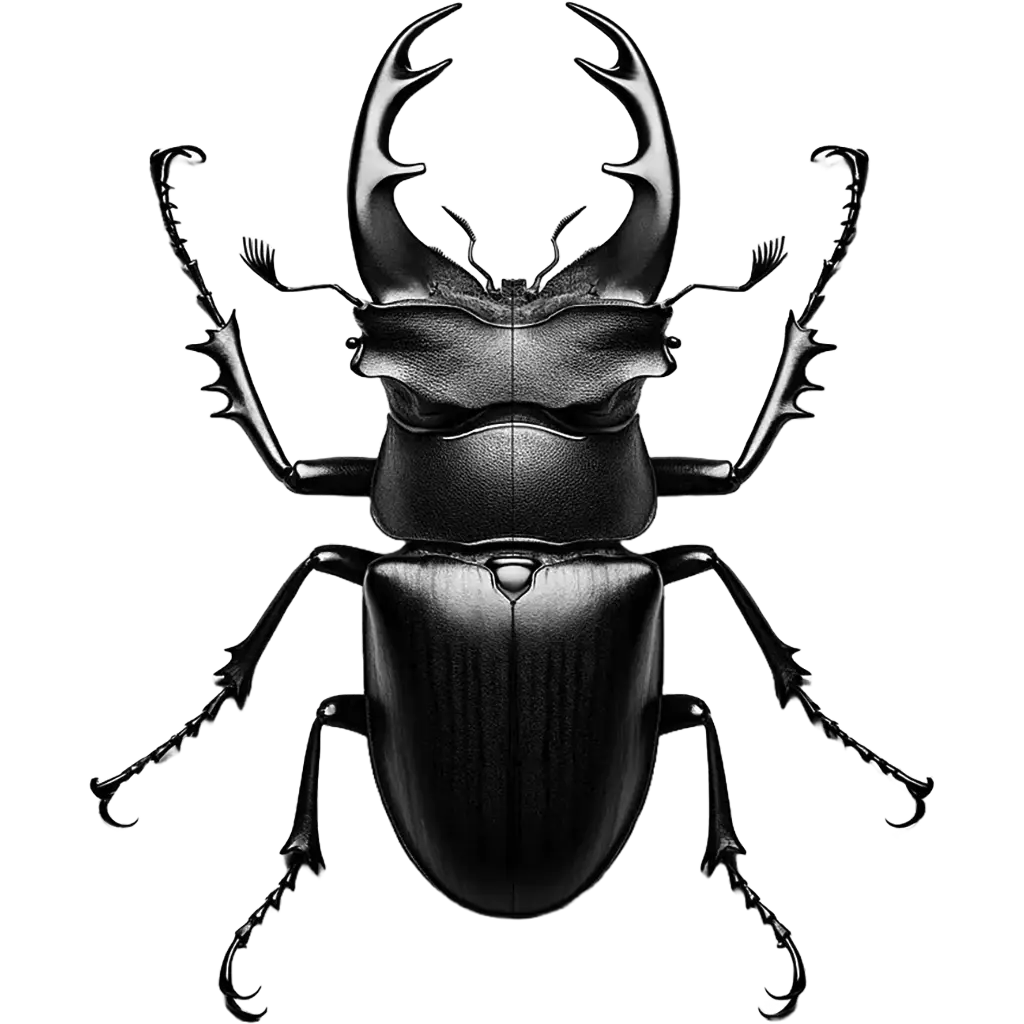
The Aegus Beetle, aegus laevicollis, a genus of stag beetles, belonging to the family Lucanidae, is one of the most recognizable and spectacular of beetles, known for the impressive, oversized mandibles of the males, which resemble the antlers of a stag, hence their name. These mandibles are used in combat