
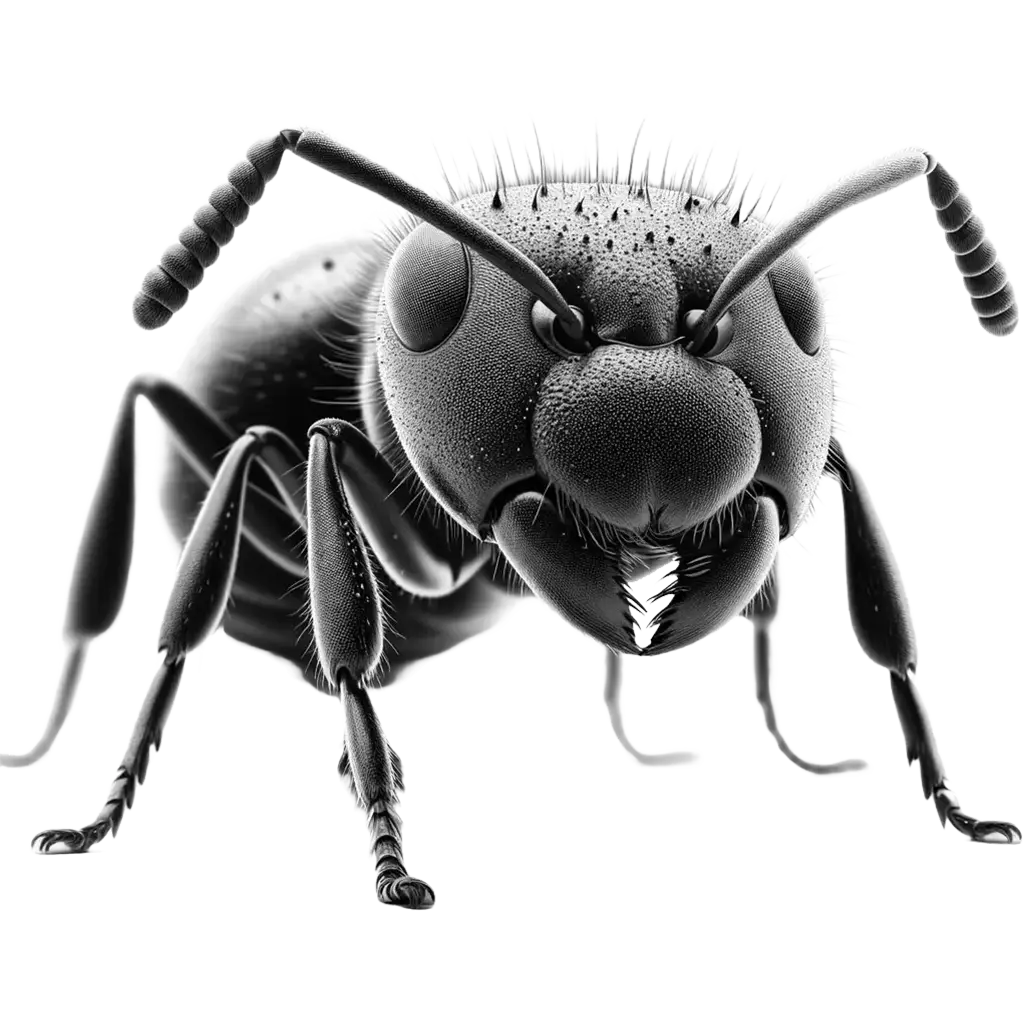
Formica Rufa
Red Wood Ant
Temperate forests, especially in coniferous woods
The Red Wood Ant, formica rufa, is easily recognizable by its distinctive reddish-brown coloration and relatively large size, with workers typically measuring between 4.5 to 9 mm in length. These ants possess strong mandibles and a characteristic formic acid spray used for defense, making them formidable inhabitants of their ecosystems. They are often found in large, conspicuous mounds built from pine needles, twigs, and other forest debris, which can house thousands to millions of individuals. These mounds play a crucial role in regulating the colony's internal temperature and humidity.
| Population: | Widespread and common in suitable habitats; not considered threatened |
| Generation Length: | Queens can live and produce workers for many years, but individual workers have a shorter lifespan |
| Average Weight: | Not typically measured due to the small size of individual ants |
| Average Length: | Workers: 4.5-9 mm, Queens: up to 12 mm |
| Lifespan: | Workers: 1-2 years, Queens: up to 15 years |
| Diet: | Varied, including live and dead insects, aphid honeydew, and sometimes seeds |
| Conservation Status: | Near Threatened (NT) |
Red Wood Ants exhibit complex social structures and behaviors, with colonies consisting of multiple queens and a large number of workers that perform a variety of tasks, from foraging to nest maintenance. They are primarily diurnal, with activity peaking during warmer hours when workers venture out to gather food and materials for the nest. Their sophisticated communication system involves pheromones and tactile signals, which coordinate activities such as defense, foraging, and caring for the young. Remarkably, these ants also engage in mutualistic relationships with certain tree species and aphids, offering protection in exchange for food.
The diet of Red Wood Ants is diverse, including insects, honeydew produced by aphids, and occasionally plant material. They play a significant role in pest control, preying on larvae and adults of many forest pest species. Foraging workers can travel considerable distances from their nest in search of food, and their hunting techniques vary, including ambushing prey and using chemical trails to lead others to food sources. This varied diet helps control pest populations and contributes to the nutrient cycling in their forest habitats.
Mating occurs during nuptial flights, which typically take place on warm, sunny days in late spring or early summer. Males die shortly after mating, while fertilized females go on to establish new colonies. This reproductive strategy ensures the dispersal and genetic diversity of the species. The survival of new queens is critical to the continuation of the species, with many facing predation or failing to find suitable nesting sites.
The population of Red Wood Ants is considered stable in many areas, but they face threats from habitat destruction, pesticide use, and climate change. Conservation efforts are important to maintain the ecological balance they help to sustain in forest ecosystems. Their role in controlling pest populations and enhancing soil fertility underscores their importance, highlighting the need for measures to protect their habitats and ensure their survival.
Classifications
The Key Attributes
Features
- Movement:
Crawling
- Territorial Behavior:
Highly social, living in large colonies with complex hierarchical structures
- Speed:
Not quantified; capable of moving quickly to forage and defend the nest
- Diet:
Omnivore
- Physical Features:
- Strong mandibles for carrying food, materials, and digging
- Reddish-brown color
- Distinctive size difference between workers and queens
- Primary Senses:
- Chemical communication through pheromones
- Tactile
- Sight
Understanding Habitat and Range
Geography
- Habitat:
Temperate forests, especially in coniferous woods
- Migration Patterns:
Non-migratory, but colonies can expand through budding or when queens fly to start new colonies
- Geographical Range:
Widely distributed across Europe and into parts of Asia
- Climate Preferences:
Prefers temperate climates with distinct seasons
Navigating the Wilderness
In the wild
- Predators:
Birds, larger insects, spiders, and mammals
- Prey:
Small insects, aphids
- Feeding Behavior:
Forages for food including insects, aphid honeydew, and plant materials
- Diet:
Varied, including live and dead insects, aphid honeydew, and sometimes seeds
- Defensive Mechanisms:
- Formic acid spray
- Biting
- Large numbers in colonies provide strength in defense
- Preferred Food Sources:
- Aphid honeydew
- Insects
Insights Into Reproduction
Mating
- Mating System:
Haplodiploidy, with queens mating with multiple males during nuptial flights
- Number of Offspring:
Queens lay thousands of eggs over their lifetime
- Incubation Period:
Eggs develop into larvae in a few weeks, with time to adulthood varying
- Parental Involvement:
- Workers in the colony care for the queen's eggs, larvae, and pupae
Youngsters Section
Red Wood Ant
Fun Fact
Red Wood Ants build large, dome-shaped nests using twigs, leaves, and soil, often in forests.
These industrious ants can construct nests up to 2 meters wide and over a meter tall. They play a crucial role in ecosystems by aerating soil and controlling pest populations, often farming aphids for their sugary secretions. They are known for their aggressive defense tactics.

Download word search puzzles
Word Search Puzzles
Check Out Other Invertebrates
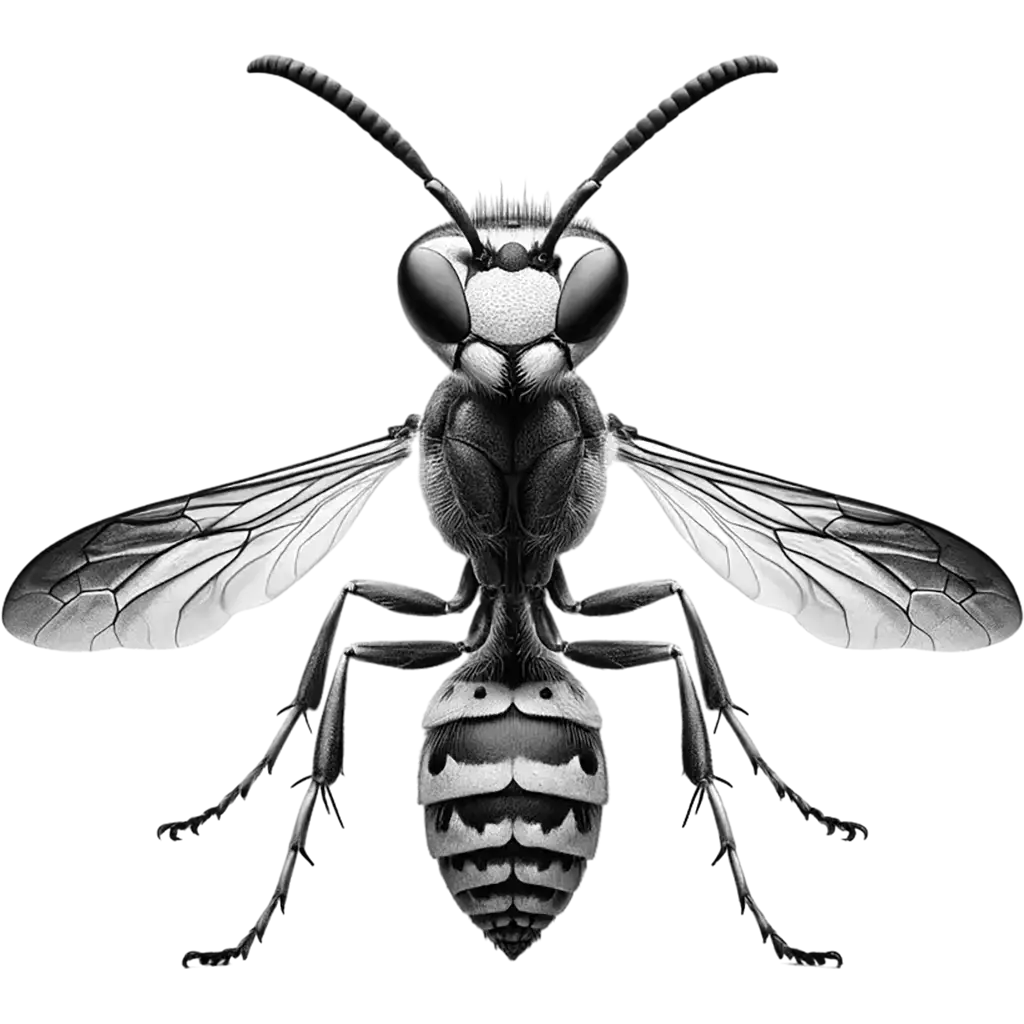
Wasps, encompassing a wide range of insects within the order Hymenoptera and suborder Apocrita, are known for their diverse sizes, colors, and behaviors. Adult Wasps typically range from about 5 to 30 mm in length, featuring slender bodies with a narrow waist connecting the thorax and abdomen, and two pairs
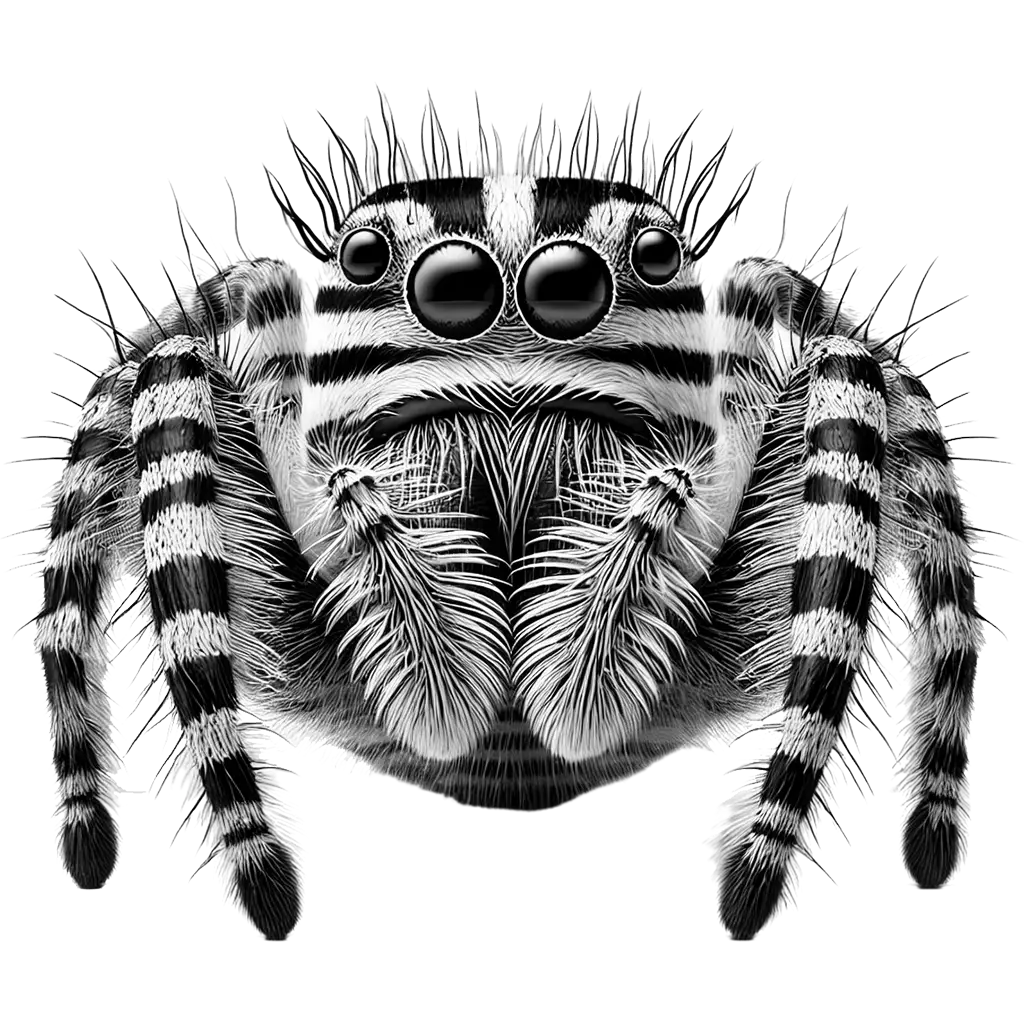
The Zebra Spider is a small, agile jumping spider characterized by its distinctive black and white striped pattern that resembles zebra markings. Its compact body, long spindly legs, and large forward-facing eyes give it an alert and inquisitive appearance, perfectly adapted for active hunting on walls and windows in both
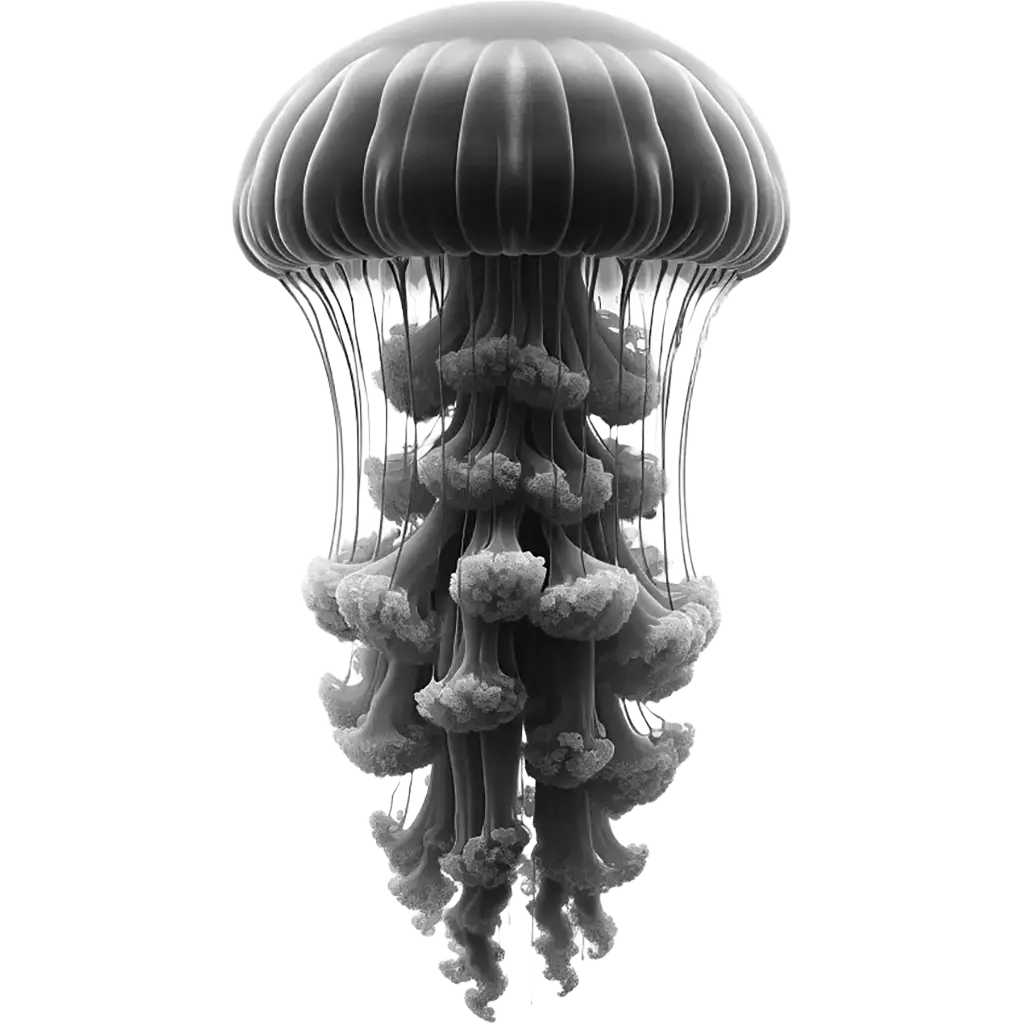
Jellyfish are fascinating marine creatures, known for their gelatinous bodies and graceful, pulsating movements through the ocean's waters. These ancient animals have roamed the seas for at least 500 million years, making them one of the oldest living organisms on the planet. Jellyfish range in size from a few millimeters
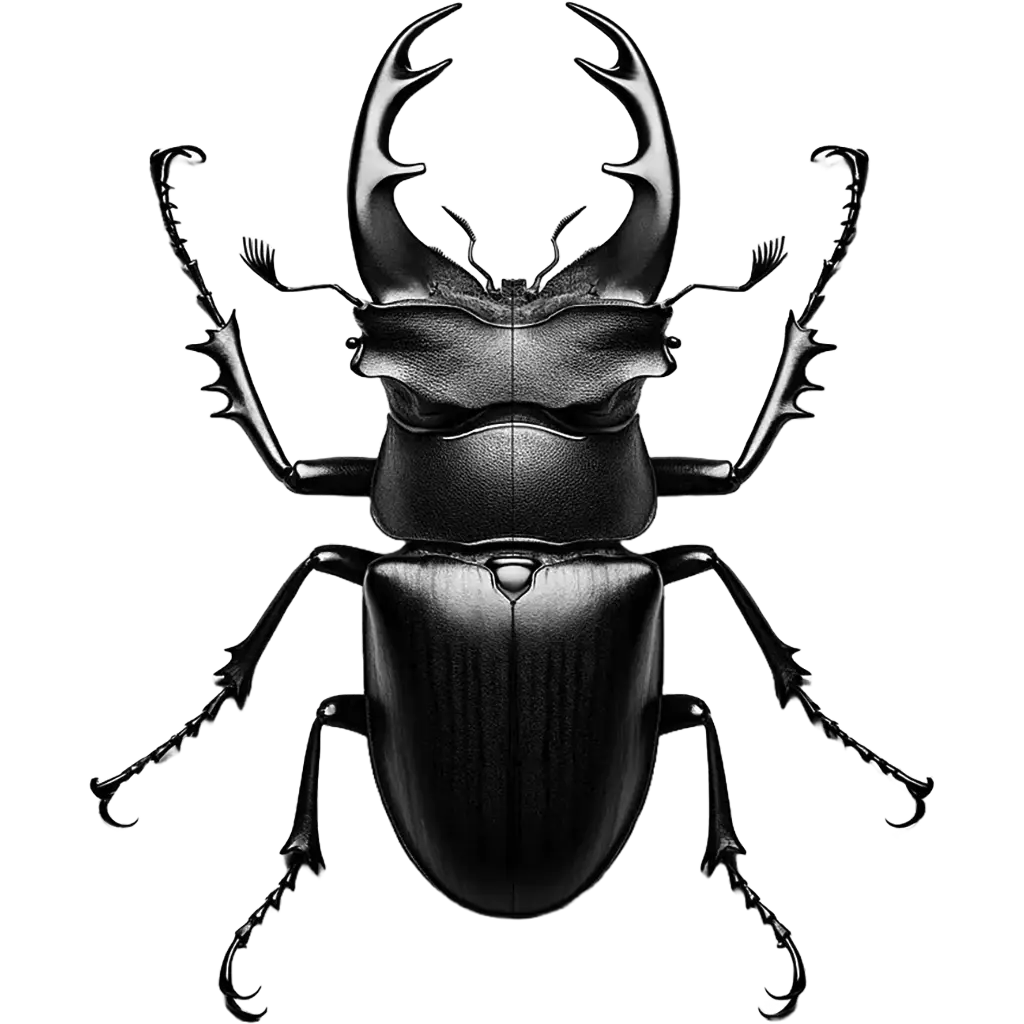
The Aegus Beetle, aegus laevicollis, a genus of stag beetles, belonging to the family Lucanidae, is one of the most recognizable and spectacular of beetles, known for the impressive, oversized mandibles of the males, which resemble the antlers of a stag, hence their name. These mandibles are used in combat