
Actias Luna
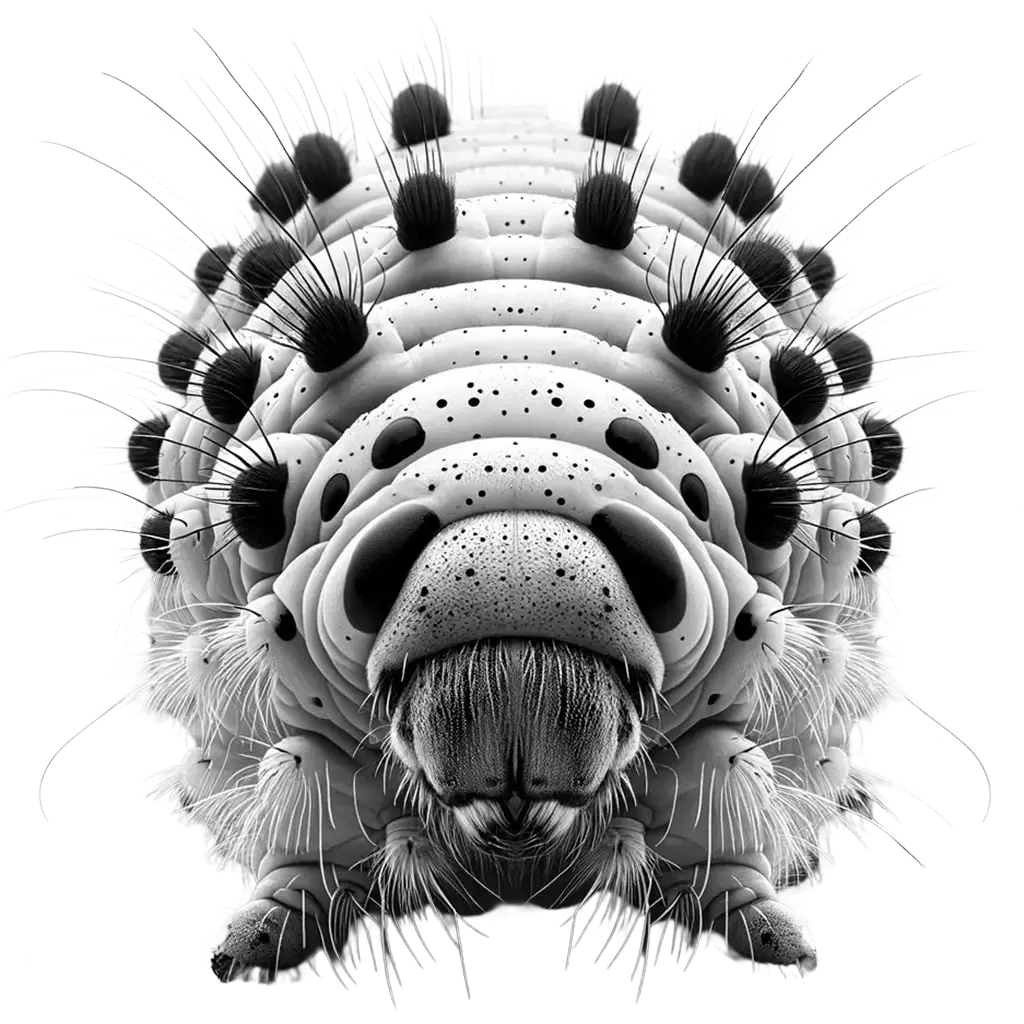
Luna Moth Caterpillar
Deciduous forests, suburban areas, and gardens
The Luna moth, actias luna, is a mesmerizing nocturnal moth known for its striking beauty and large size, with a wingspan of up to 114 mm (4.5 inches). Its pale green wings are edged with a transparent, yellowish border and adorned with eyespots to deter predators. The long, tapering hindwings extend into trailing tails, enhancing its ethereal appearance. The body of the Luna moth is white, with a hint of green, and its legs are covered in fine, hair-like scales. This moth is not only a marvel of natural beauty but also a symbol of renewal and transformation in many cultures.
| Population: | Common and widespread, not currently considered threatened |
| Generation Length: | 1 year |
| Average Weight: | Not commonly measured; insects are lightweight |
| Average Length: | Wingspan: 7.5-10.5 cm |
| Lifespan: | Adult stage lasts about 1 week; total lifecycle from egg to adult is about 1 year |
| Diet: | Larvae are herbivorous |
| Conservation Status: | Not Evaluated (NE) |
Found across the eastern parts of North America, from Canada to Northern Mexico, the Luna moth thrives in deciduous hardwood forests. These moths are most active during the early hours of the night, where their soft, green coloration allows them to blend seamlessly with the foliage, providing camouflage from nocturnal predators. They are solitary creatures, with adults living only about a week, during which their sole purpose is to mate and lay eggs.
The diet of the Luna moth undergoes a significant transformation throughout its life cycle. As caterpillars, they feed voraciously on the leaves of a variety of tree species, including walnut, hickory, sweet gum, and birch. This stage is crucial for accumulating energy for metamorphosis. Adults, however, do not feed; they lack functional mouthparts and survive off the energy stored during their larval stage.
Reproduction occurs shortly after emergence from the cocoon, with females releasing a pheromone to attract males. After mating, females lay eggs on the underside of host plant leaves. The lifecycle from egg to adult spans approximately one month during the warmer seasons, with most populations producing two generations per year. In colder climates, Luna moths may produce only one generation, with larvae entering diapause over winter.
The Luna moth population is considered stable, though it faces threats from habitat destruction and the use of pesticides. Light pollution is also a concern, as it disrupts the natural behaviors essential for their reproduction and survival. Conservation efforts focus on preserving woodland habitats and promoting practices that reduce pesticide usage, ensuring the continued enchantment of night skies by these luminous moths.
Classifications
The Key Attributes
Features
- Movement:
Flying
- Territorial Behavior:
Not territorial; adults are primarily focused on reproduction
- Speed:
Not specifically quantified; capable of quick, fluttering flight
- Diet:
Adults do not feed; larvae feed on leaves of host plants
- Physical Features:
- Large and brightly colored wings with a lime-green hue
- Long, trailing hindwing tails
- Fuzzy, white body
- Eyespots on both the forewings and hindwings to deter predators
- Primary Senses:
- Sight
- Tactile
Understanding Habitat and Range
Geography
- Habitat:
Deciduous forests, suburban areas, and gardens
- Migration Patterns:
Non-migratory, but can disperse widely to find suitable habitats for laying eggs
- Geographical Range:
Eastern North America, from Canada to Northern Mexico
- Climate Preferences:
Temperate regions with distinct seasonal changes
Navigating the Wilderness
In the wild
- Predators:
Birds, bats, and small mammals
- Prey:
Leaves from host trees such as birch, persimmon, sweet gum, and hickory
- Feeding Behavior:
Larvae feed on a variety of deciduous tree leaves
- Diet:
Larvae are herbivorous
- Defensive Mechanisms:
- Camouflage with green wings blending into foliage
- Eyespots on wings to startle or misdirect predators
- Nocturnal behavior reduces exposure to diurnal predators
- Preferred Food Sources:
- Deciduous trees and shrubs in forested areas
Insights Into Reproduction
Mating
- Mating System:
Polygamous
- Number of Offspring:
200-400 eggs
- Incubation Period:
Eggs hatch within a week after being laid
- Parental Involvement:
- No parental care after eggs are laid; larvae are independent upon hatching
Youngsters Section
Luna Moth Caterpillar
Fun Fact
The Luna moth caterpillar is known for its striking green color and distinctive appearance.
As it grows, the caterpillar undergoes several molts, shedding its skin to accommodate its increasing size. Luna moth caterpillars feed primarily on the leaves of various trees, such as walnut, hickory, and sweet gum. After about a month, they spin cocoons and metamorphose into the adult Luna moth, which is known for its beautiful, lime-green wings and short adult lifespan.

Download word search puzzles
Word Search Puzzles


Check Out Other Invertebrates

The Housefly, musca domestica, is one of the most common and widespread flying insects, known for its close association with human habitats across the globe. Adult houseflies typically measure about 6 to 7 millimeters in length and display a grey thorax with four longitudinal dark stripes. Their body is covered
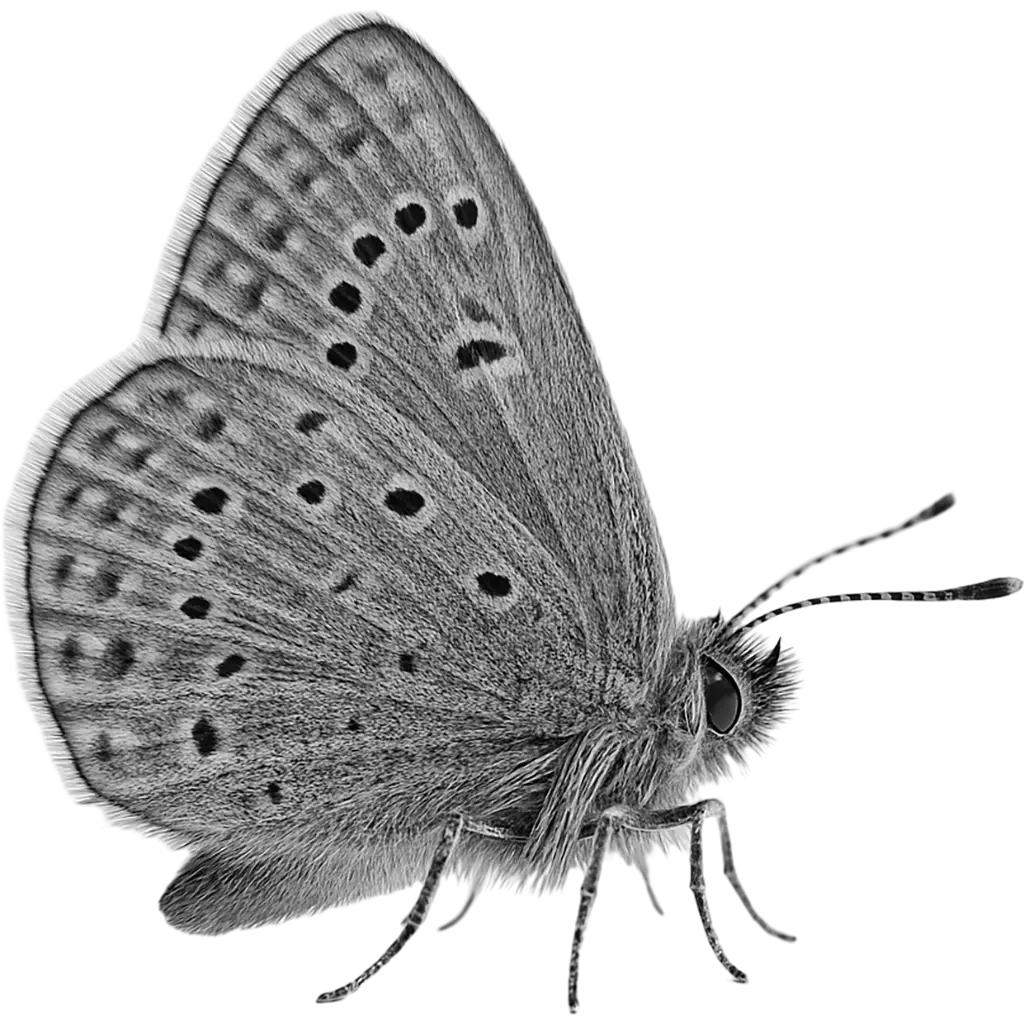
The Tiny Grass Blue is a diminutive butterfly with a wingspan of approximately 15 to 20 millimetres. Upperside wings display bright pale blue hues bordered with narrow dark margins, while the underwings are greyish with faint white streaks and tiny black spots. The body is slender and covered in fine,
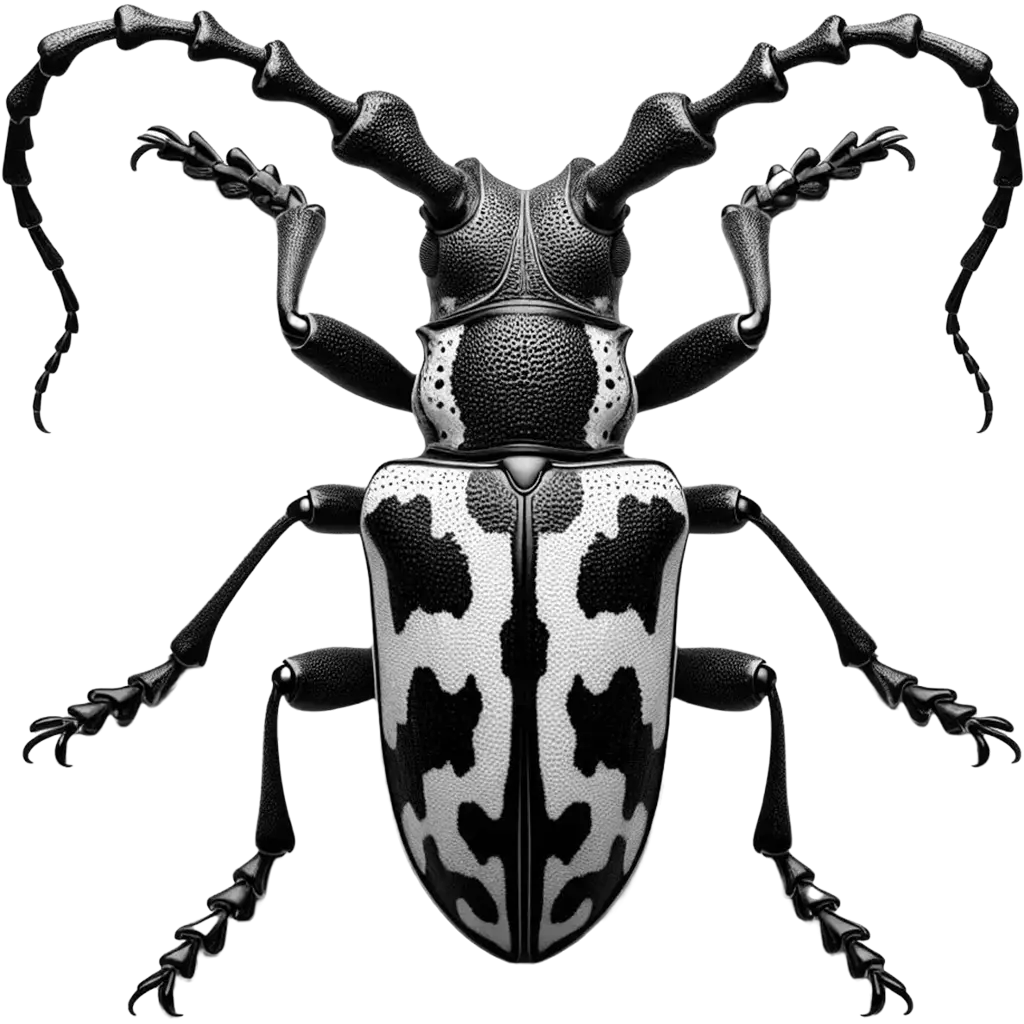
The Harlequin Beetle, acrocinus longimanus, is a striking species of longhorn beetle, renowned for its large size and vividly patterned exoskeleton. Native to the tropical rainforests of Central and South America, these beetles can reach lengths of up to 8 centimeters (3 inches), with males sporting exceptionally long front legs,

The Giant Glasswing, methona confusa, is a visually striking species known for its distinctive appearance and is commonly found in the tropical regions of South America. These butterflies exhibit large, translucent wings marked with an intricate pattern of black veins and borders, creating a stunning contrast against the greenery of