
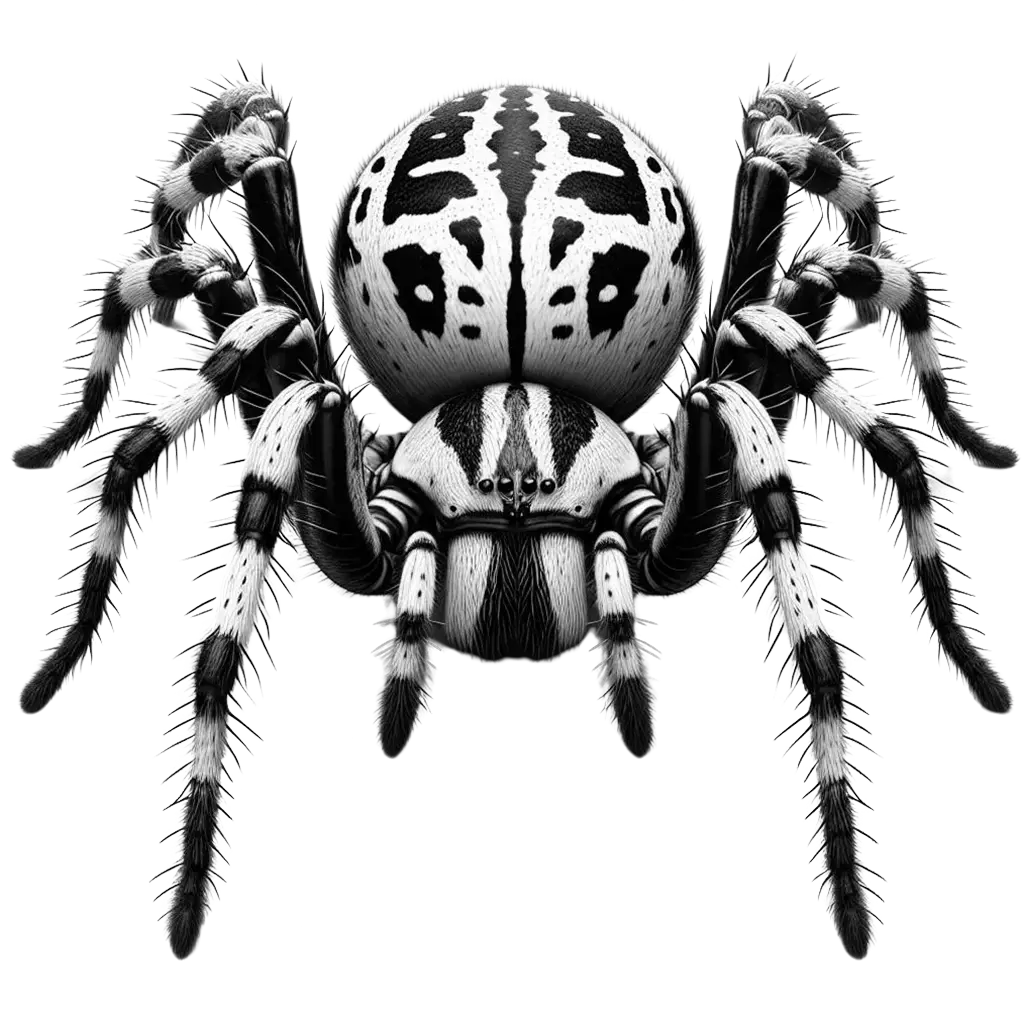
Argiope Aurantia
Garden Spider
Gardens, fields, forests, and grasslands; often found near human dwellings
The Garden Spider, argiope aurantia, is a striking species, easily identifiable by its bold, black and yellow markings on the abdomen, and a silver carapace. Adult females typically range from 19 to 28 mm in length, while males are much smaller, usually half the size or less. Their large, orb-shaped webs are often found in gardens, fields, and forests, showcasing the spider's remarkable engineering skills. The web's center, where the spider often waits for its prey, is usually decorated with a distinctive zigzag pattern of silk known as a stabilimentum, which has intrigued scientists for its potential functions.
| Population: | Widespread and common, not currently considered threatened |
| Generation Length: | 1 year |
| Average Weight: | Not typically measured due to small size |
| Average Length: | Females: 19-28 mm, Males: 5-9 mm |
| Lifespan: | 1 year typically, as most die after the first hard freeze |
| Diet: | Insects caught in its web |
| Conservation Status: | Not Evaluated (NE) |
Garden Spiders lead solitary lives, with each individual spider spinning its own large, intricate web to catch prey. These webs are marvels of natural engineering, designed to maximize the capture of insects. The spiders are diurnal, meaning they are most active during the day, especially in the early morning when they repair their webs from the damage incurred overnight. Their lifestyle is a fascinating study in patience and efficiency; they can sit motionless for hours, waiting for an unsuspecting insect to become ensnared in their sticky traps. Once the prey is caught, the spider quickly immobilizes it with venom before wrapping it in silk for later consumption.
Their diet primarily consists of insects that blunder into their webs. This includes a variety of flies, moths, beetles, and other flying insects. The Garden Spider's method of feeding is both efficient and brutal; after ensnaring an insect, it delivers a venomous bite to paralyze its prey. It then proceeds to wrap the victim in silk, creating a neat package. This method of predation ensures that the spider can feast on its catch at its leisure, usually by injecting digestive enzymes into the package to liquefy the insides of the prey, which are then sucked out, leaving the exoskeleton intact.
Mating habits of the Garden Spider involve a delicate and dangerous courtship, especially for the males. They must approach the females with caution, using vibrations on the web to signal their intentions and to avoid being mistaken for prey. After mating, the female lays eggs in a silk sac, often hidden in foliage. The male's role ends here, and he often falls prey to the female post-mating, a common practice among many spider species to provide nutrition for the developing eggs.
Garden Spider populations are considered stable and are not currently listed as endangered. They play a significant role in controlling insect populations, making them beneficial to gardens and agricultural fields. However, their habitat and population can be affected by excessive pesticide use and habitat destruction. Despite this, they are adaptable and can thrive in a variety of environments, from woodlands to grasslands and even in human-altered landscapes, as long as there are structures to support their webs.
Classifications
The Key Attributes
Features
- Movement:
Crawling, web-slinging
- Territorial Behavior:
Solitary; builds large webs to catch prey
- Speed:
Not quantified; capable of quick movements on webs and while capturing prey
- Diet:
Carnivore
- Physical Features:
- Distinctive yellow and black coloring on abdomen
- Silvery carapace on the cephalothorax
- Large, orb-shaped webs with a zigzag pattern of silk known as a stabilimentum
- Primary Senses:
- Touch (vibration sensing through web)
- Sight
Understanding Habitat and Range
Geography
- Habitat:
Gardens, fields, forests, and grasslands; often found near human dwellings
- Migration Patterns:
Non-migratory, but young spiders may disperse by ballooning
- Geographical Range:
North America, from southern Canada through Mexico and Central America
- Climate Preferences:
Temperate to subtropical climates
Navigating the Wilderness
In the wild
- Predators:
Birds, parasitic wasps
- Prey:
Insects such as flies, mosquitoes, moths, and beetles
- Feeding Behavior:
Catches prey in its web, then uses venom to immobilize before consuming
- Diet:
Insects caught in its web
- Defensive Mechanisms:
- Camouflage
- Dropping from the web to escape predators
- Venom for subduing prey
- Preferred Food Sources:
- Various flying insects
Insights Into Reproduction
Mating
- Mating System:
Polygynous
- Number of Offspring:
Hundreds of eggs in one egg sac
- Incubation Period:
Over winter, with spiderlings emerging in spring
- Parental Involvement:
- Female creates an egg sac to protect eggs but does not provide further care
Youngsters Section
Garden Spider
Fun Fact
Garden spiders, known for their striking yellow and black patterns, are orb-weaving arachnids.
They construct intricate webs to catch prey and are beneficial for controlling garden pests. Females are larger than males and create zigzag patterns, called stabilimenta, in their webs. These patterns may help in camouflaging the spider or attracting prey.

Download word search puzzles
Word Search Puzzles


Check Out Other Invertebrates
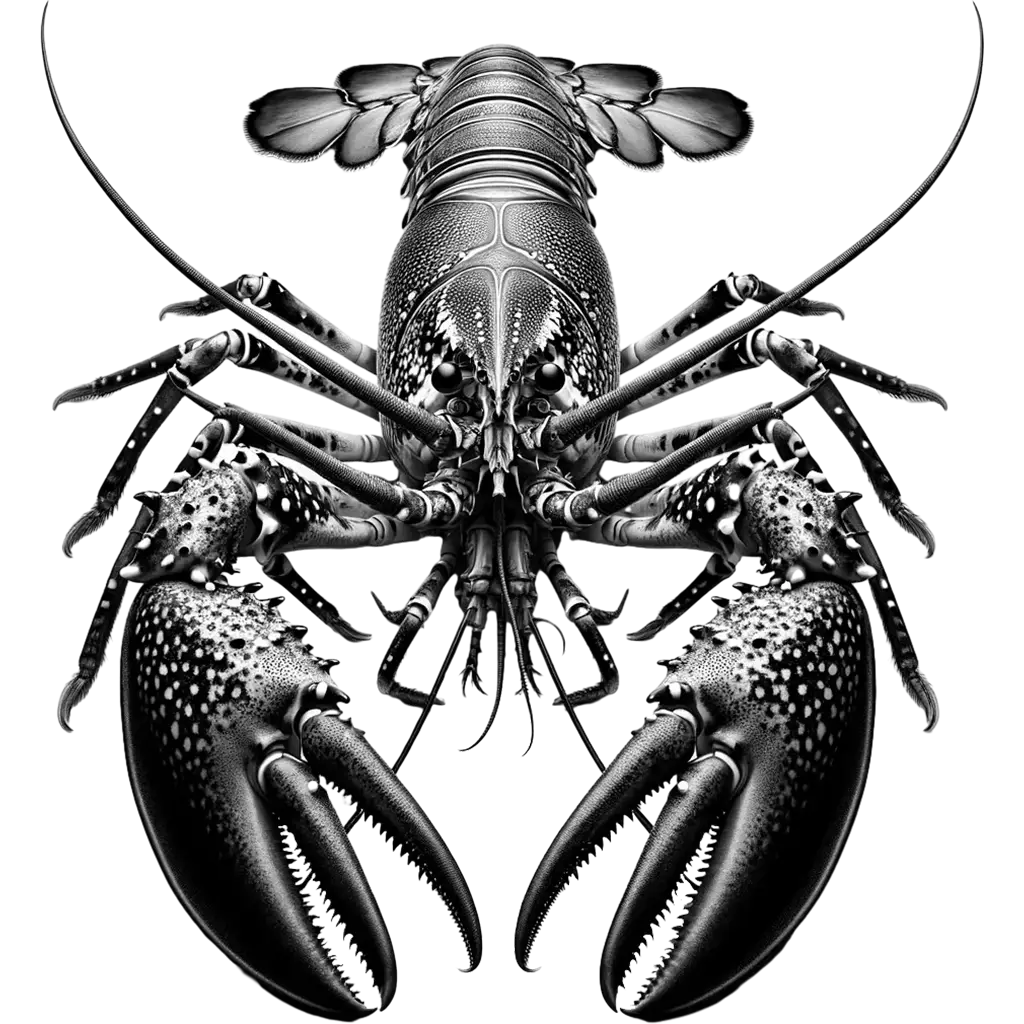
The American Lobster, homarus americanus, is a large marine crustacean found along the Atlantic coast of North America, from Labrador to New Jersey. It is distinguished by its heavy, segmented body covered in a hard exoskeleton, two large claws (one larger and one smaller, specialized for crushing and cutting), and
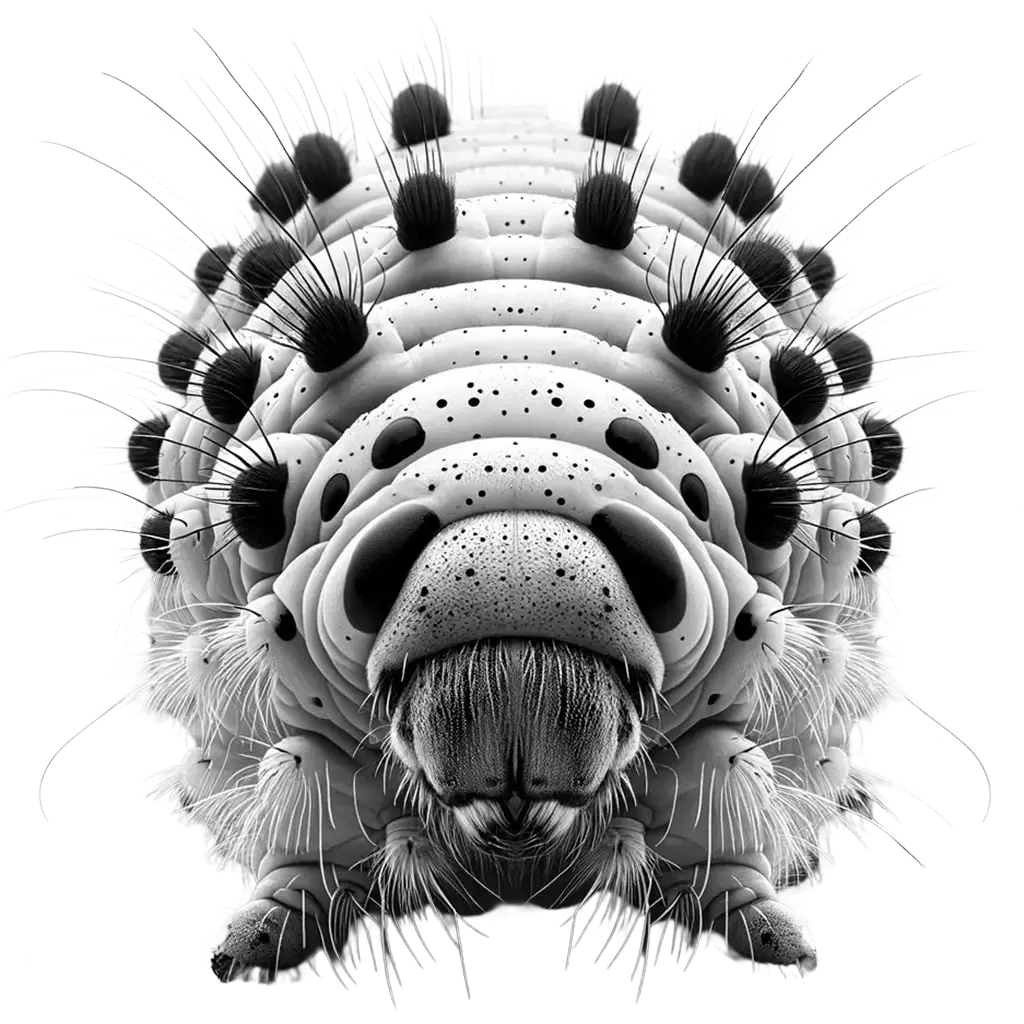
The Luna moth, actias luna, is a mesmerizing nocturnal moth known for its striking beauty and large size, with a wingspan of up to 114 mm (4.5 inches). Its pale green wings are edged with a transparent, yellowish border and adorned with eyespots to deter predators. The long, tapering hindwings
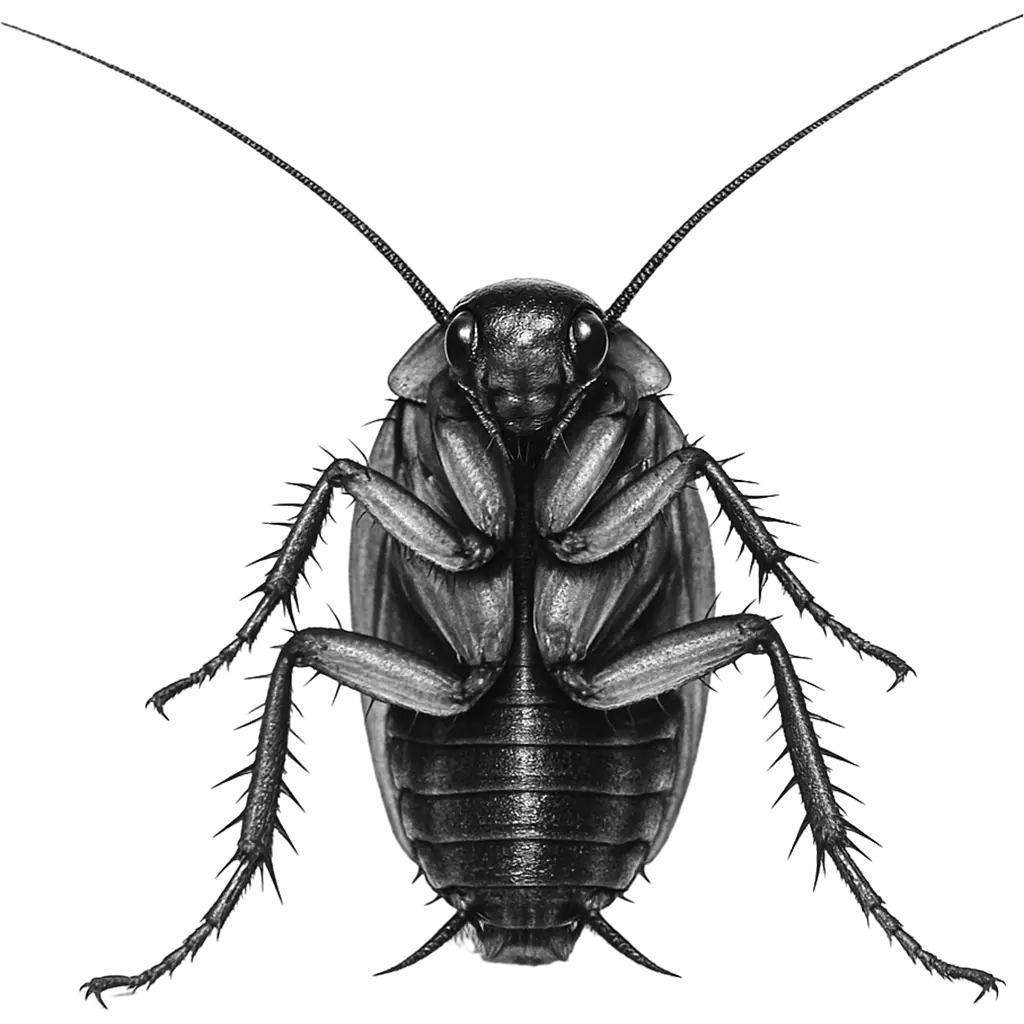
The German Cockroach displays a compact, oval-shaped body with a light brown to tan coloration that provides effective camouflage in indoor environments. Its exoskeleton is smooth and slightly shiny, complementing a pair of long, delicate antennae that constantly explore the surrounding environment. This small insect measures only a fraction of

The Common Starfish, asterias rubens, is a widely recognized marine invertebrate found across the North Atlantic, from the Arctic Ocean to the Mediterranean Sea. This species typically exhibits five arms radiating from a central disc, though specimens with more arms can occasionally be found. The Common Starfish can reach a