
Sepioteuthis Sepioidea
Caribbean Reef Squid
Coral reefs and shallow coastal waters
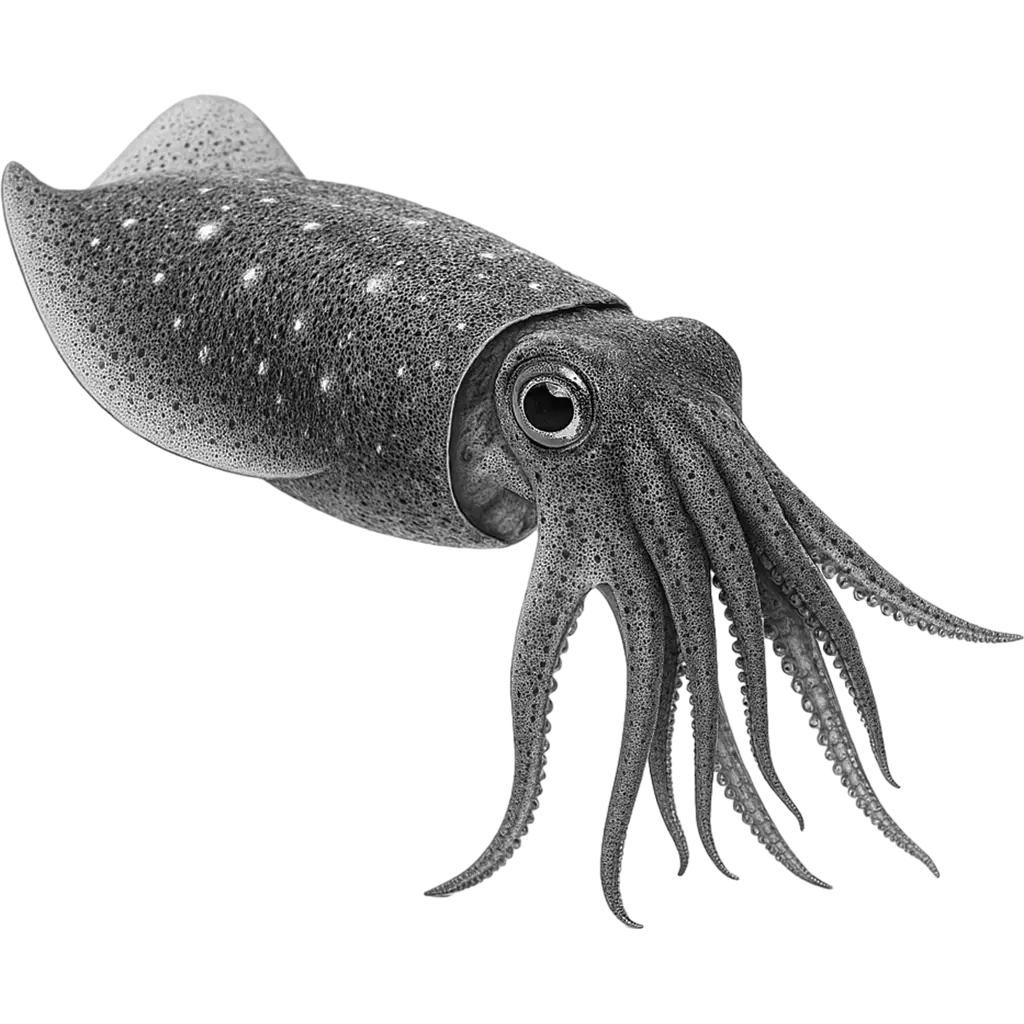
The Caribbean Reef Squid exhibits a sleek, elongated body with a soft mantle that shimmers in silvery hues and iridescent blues. Its large eyes and a crown of retractable tentacles, each lined with tiny suckers, give it an otherworldly appearance. The flexible skin rapidly changes color, enabling it to blend with vibrant coral backgrounds, while its streamlined shape aids swift, fluid movements in the water.
| Population: | Abundant and stable in the Caribbean coastal waters |
| Generation Length: | 6-9 months |
| Average Weight: | 0.3-0.5 kg |
| Average Length: | 25-35 cm |
| Lifespan: | 1-2 years |
| Diet: | Opportunistic carnivore |
| Conservation Status: | Least Concern (LC) |
The Caribbean Reef Squid is highly active, known for its dynamic lifestyle in complex reef systems. It often moves in small, transient groups, yet maintains a solitary streak when hunting. Using jet propulsion, it zips through coral outcrops and open waters, displaying remarkable agility and responsiveness. These squid exhibit intricate behaviors, such as rapid color shifts to communicate or to warn off rivals. This adaptability enables them to efficiently exploit the abundant resources of their warm, tropical environment, making them resilient and integral to the reef ecosystem.
The diet of the Caribbean Reef Squid predominantly comprises small fish, crustaceans, and other invertebrates. It employs sudden bursts of speed and stealth to ambush prey, ensuring high energy intake to support its vigorous lifestyle. Rich in proteins and essential nutrients, its food sources sustain both growth and quick reflexes. This opportunistic carnivorous approach plays a key role in regulating prey populations, contributing to the overall balance and health of coastal marine habitats.
During mating, Caribbean Reef Squid engage in elaborate displays marked by rapid color changes and synchronized movements. Males and females participate in a complex courtship, with males often showcasing vibrant patterns to attract partners. These encounters are brief yet intense, with minimal parental involvement once eggs are laid, and the fertilization process is external, occurring in the surrounding water. The courtship rituals are highly competitive, ensuring only the fittest secure successful mating.
The Caribbean Reef Squid is known for its large, stable population throughout the Caribbean region. Populations tend to fluctuate seasonally with water temperature and food availability, yet remain abundant overall. Continuous research confirms their widespread presence in diverse coastal habitats, making them a vital component of the marine food web and an indicator of ecosystem health. Recent surveys consistently show that their numbers remain robust across various ecological zones.
Classifications
The Key Attributes
Features
- Movement:
Jet propulsion
- Territorial Behavior:
Solitary or in small groups
- Speed:
Rapid
- Diet:
Carnivorous
- Physical Features:
- Soft, elongated mantle
- Large, expressive eyes
- Eight arms and two longer tentacles
- Skin capable of rapid color change
- Primary Senses:
- Sight
- Touch
Understanding Habitat and Range
Geography
- Habitat:
Coral reefs and shallow coastal waters
- Migration Patterns:
Local movements
- Geographical Range:
Caribbean Sea and adjacent Atlantic coasts
- Climate Preferences:
Warm tropical waters
Navigating the Wilderness
In the wild
- Predators:
Large fish, marine mammals
- Prey:
Small fish and crustaceans
- Feeding Behavior:
Active predator using rapid jets and camouflage
- Diet:
Opportunistic carnivore
- Defensive Mechanisms:
- Ink expulsion
- Camouflage
- Jet propulsion escapes
- Preferred Food Sources:
- Small fishes
- Crustaceans
Insights Into Reproduction
Mating
- Mating System:
Polygynandrous
- Number of Offspring:
Hundreds of eggs
- Incubation Period:
20-30 days
- Parental Involvement:
- Minimal care after egg laying
Youngsters Section
Caribbean Reef Squid
Fun Fact
Caribbean Reef Squid are agile, color-changing marine invertebrates.
They can rapidly alter their appearance to blend into surroundings, communicate during social interactions, and evade predators using dynamic jet propulsion. Observations reveal that their unique camouflage and swift maneuvers not only serve as defense mechanisms but also enhance their hunting efficiency in vibrant coastal ecosystems.

Download word search puzzles
Word Search Puzzles

Check Out Other Invertebrates
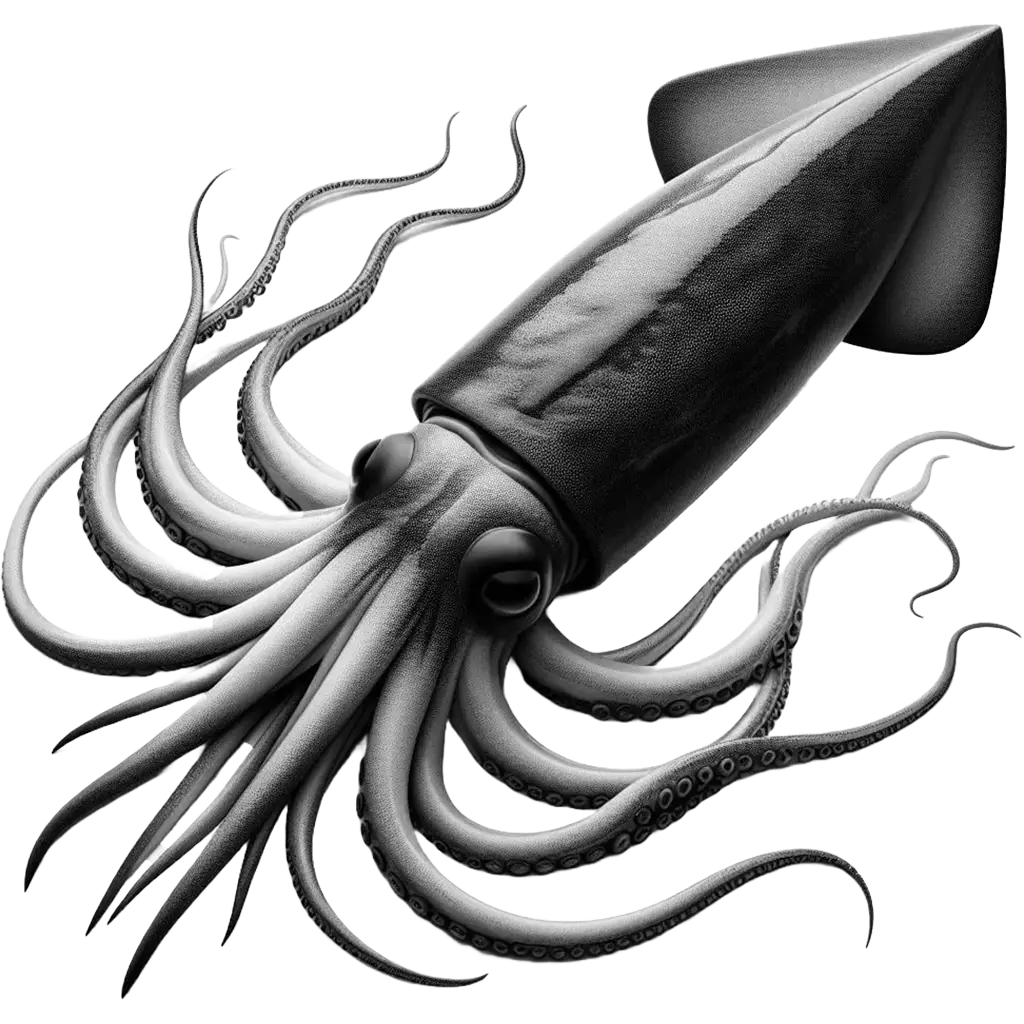
The Giant Squid, architeuthis dux, is a deep-sea dwelling cephalopod known for its immense size and elusive nature. It is one of the largest living organisms, with the largest specimens measuring up to 13 meters (43 feet) in length, including their tentacles. The body of the Giant Squid, or mantle,
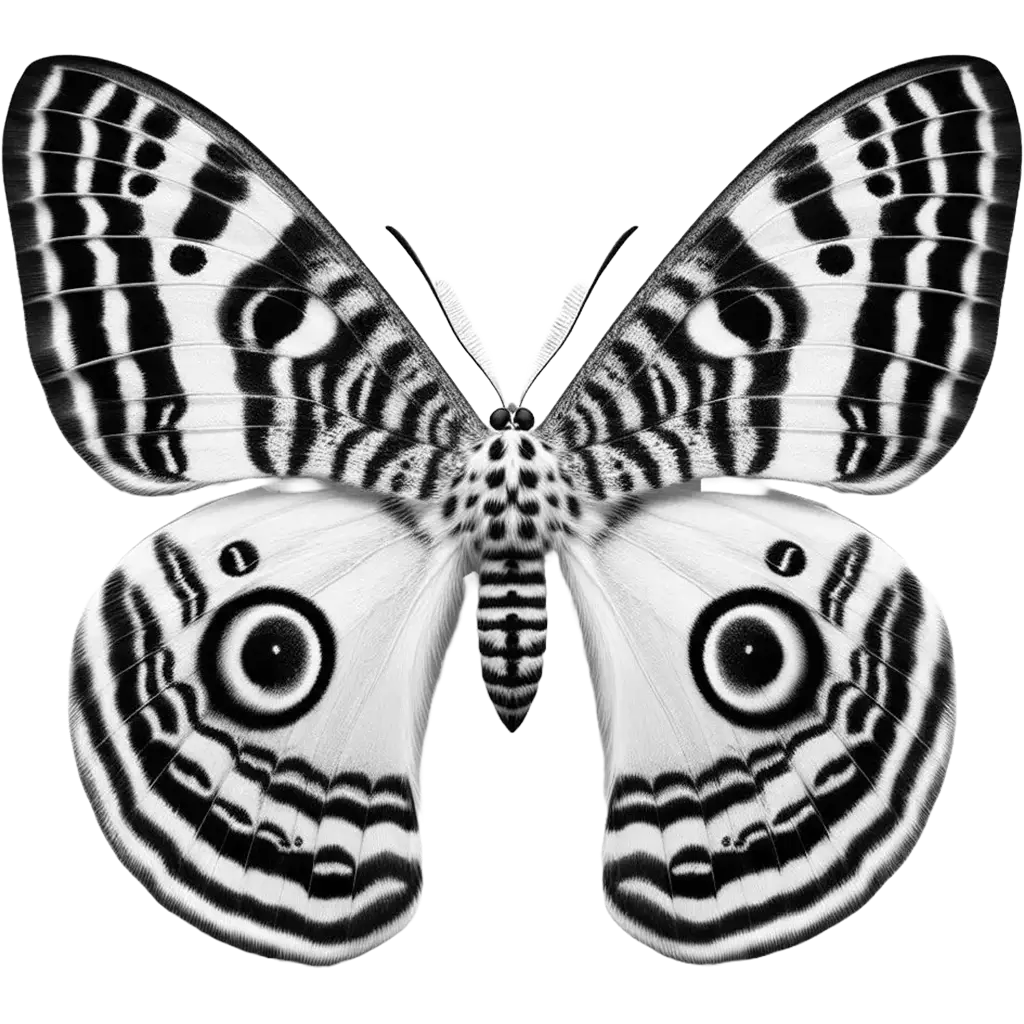
The Turquoise Cracker, hamadryas arinome, is a striking butterfly species known for its vibrant turquoise patches and unique cracker-like sounds, from which its common name derives. This butterfly is part of the Nymphalidae family and is primarily found in the forests and woodland areas of Central and South America, ranging
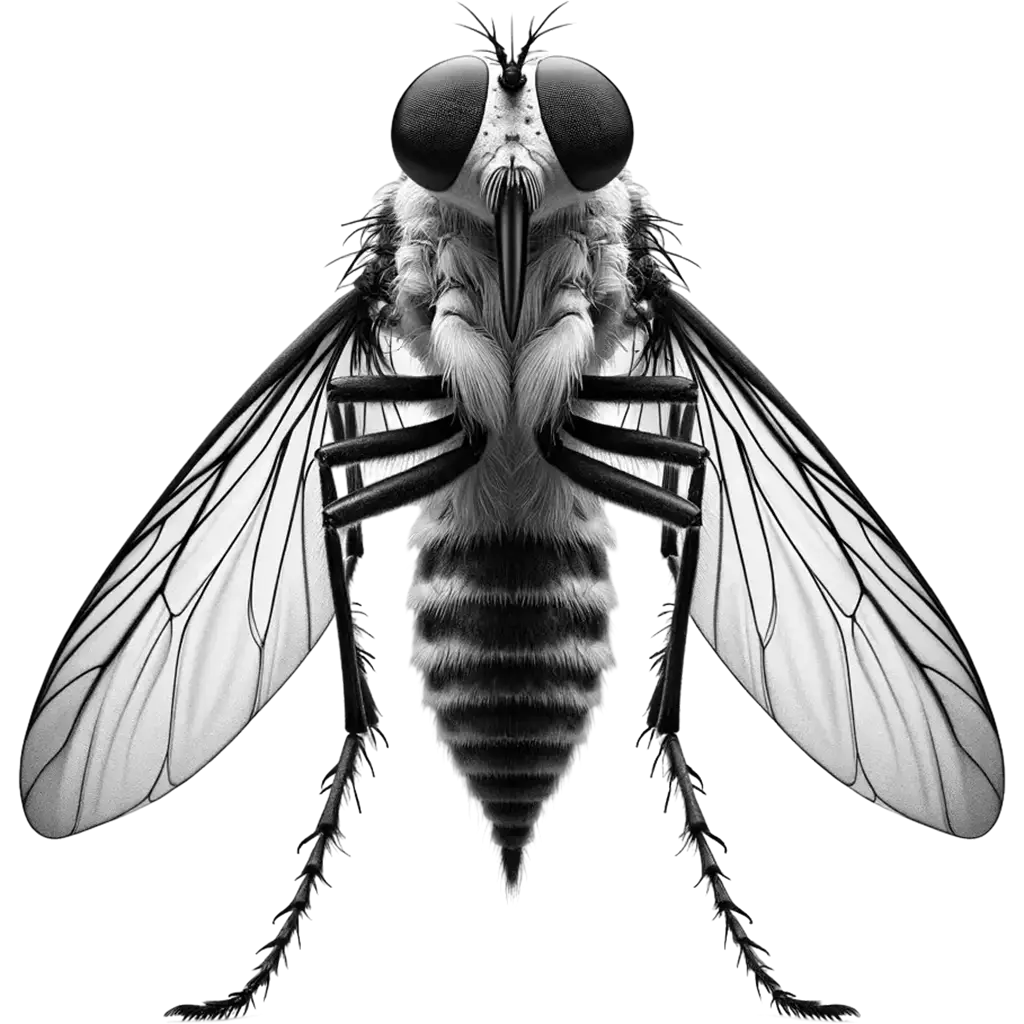
The Tsetse Fly, glossina morsitans, is a blood-feeding insect known for its role in transmitting trypanosomiasis, also known as sleeping sickness in humans and nagana in animals. Measuring about 8 to 17 mm in length, tsetse flies are distinguishable by their distinct forward-projecting proboscis and the unique hatchet-shaped cell in
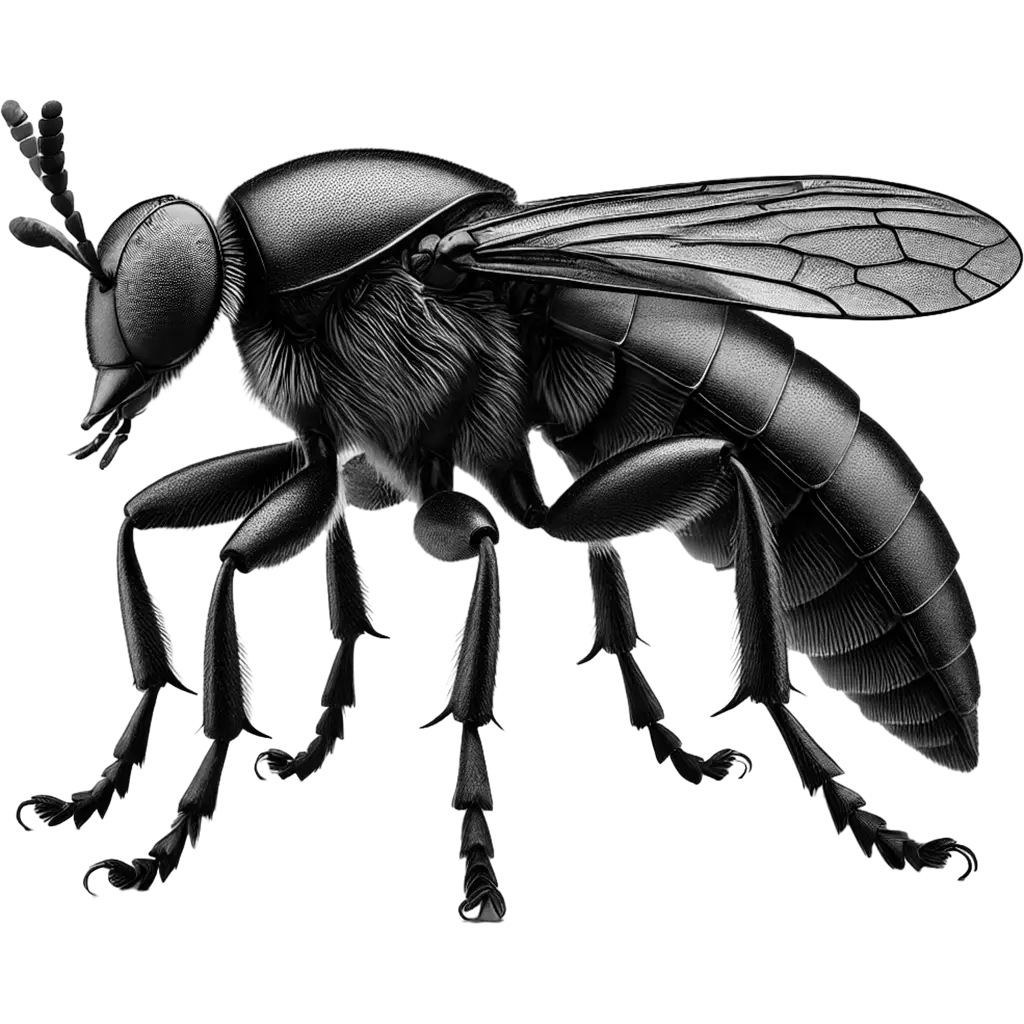
The Spanish fly is a striking blister beetle with a smooth, elongated body that measures roughly 1.5 to 2 centimeters in length. Its vivid orange to deep red coloration, accented by contrasting dark markings along the elytra, creates a bold, warning display. The body is slender yet soft, with delicate,