

Hamadryas Arinome
Turquoise Cracker
Tropical forests, forest edges, and clearings
The Turquoise Cracker, hamadryas arinome, is a striking butterfly species known for its vibrant turquoise patches and unique cracker-like sounds, from which its common name derives. This butterfly is part of the Nymphalidae family and is primarily found in the forests and woodland areas of Central and South America, ranging from Mexico down to the Amazon basin. Adults typically exhibit a wingspan ranging from 7 to 8 centimeters (2.75 to 3.15 inches), with males showcasing more pronounced turquoise coloration on their dorsal wing surfaces compared to females.
| Population: | Not precisely quantified; considered to be of least concern with stable populations in suitable habitats |
| Generation Length: | 1-2 months, depending on environmental conditions and availability of host plants |
| Average Weight: | Not typically measured due to the small size and weight of butterflies |
| Average Length: | Wingspan: Around 70-80 mm |
| Lifespan: | The adult butterfly typically lives for a few weeks |
| Diet: | Nectar from flowers |
| Conservation Status: | Not Evaluated (NE) |
Turquoise Crackers inhabit tropical and subtropical forests, particularly favoring environments where they can easily access the sap and rotting fruit, which comprise a significant portion of their diet. They are known for their habit of congregating in large groups on tree trunks, where they feed and make the distinctive cracking sounds, believed to be a form of communication or a means to deter predators.
The diet of the Turquoise Cracker primarily consists of tree sap and rotting fruits. This preference leads them to spend a considerable amount of time near the forest floor or on low-hanging branches, where these food sources are most abundant. Their feeding behavior plays a role in the dispersal of seeds and the pollination of certain plant species.
Reproduction for the Turquoise Cracker involves the laying of eggs on the leaves of host plants, which are typically species of the Acanthaceae family. Upon hatching, the caterpillars feed on the leaves of these plants, undergoing several instars before pupating into the adult butterfly. The lifecycle from egg to adult is closely tied to the availability of specific host plants, highlighting the importance of plant diversity for their survival.
The Turquoise Cracker is not currently listed as endangered, but like many butterfly species, it faces threats from habitat destruction, deforestation, and climate change, which can impact its food sources and breeding grounds. Conservation efforts for this and other butterfly species include habitat preservation, reforestation projects, and the establishment of protected areas. The Turquoise Cracker's beauty and ecological role underscore the importance of biodiversity conservation in tropical forest ecosystems.
Classifications
The Key Attributes
Features
- Movement:
Flight
- Territorial Behavior:
Males can be territorial and may engage in aerial disputes over territory
- Speed:
Not specifically quantified; capable of agile and quick flight maneuvers
- Diet:
Nectarivore
- Physical Features:
- Bright turquoise patches on the upper side of the hindwings
- Cracked or marbled appearance on the underwings for camouflage
- Robust body
- Primary Senses:
- Sight
- Chemical sensing
Understanding Habitat and Range
Geography
- Habitat:
Tropical forests, forest edges, and clearings
- Migration Patterns:
Non-migratory, but may disperse locally to find suitable feeding and breeding areas
- Geographical Range:
Found in Central and South America, from Mexico to the Amazon basin
- Climate Preferences:
Prefers warm, humid tropical climates
Navigating the Wilderness
In the wild
- Predators:
Birds, spiders, and other insect predators
- Prey:
Not applicable
- Feeding Behavior:
Feeds on nectar from a variety of flowers
- Diet:
Nectar from flowers
- Defensive Mechanisms:
- Camouflage
- Flight to escape predators
- Preferred Food Sources:
- A variety of flowering plants
Insights Into Reproduction
Mating
- Mating System:
Polygynous
- Number of Offspring:
Females lay eggs on the underside of host plant leaves
- Incubation Period:
Eggs hatch within a few days to a week, depending on temperature
- Parental Involvement:
- No parental care after laying eggs; caterpillars are independent
Youngsters Section
Turquoise Cracker
Fun Fact
The Turquoise Cracker is a striking butterfly known for its vibrant blue and black wing patterns.
These butterflies are found in Central and South America. They produce a distinctive cracking sound by rapidly opening and closing their wings. This sound is thought to play a role in communication. They thrive in tropical forests, often seen near riverbanks.

Download word search puzzles
Word Search Puzzles


Check Out Other Invertebrates

The Musky Octopus, eledone moschata, is a lesser-known species of octopus residing in the Mediterranean Sea and parts of the adjacent Atlantic Ocean. Characterized by its relatively small size, with a total length reaching up to 50 cm, including its arms, this species is distinguished by its single row of

The Housefly, musca domestica, is one of the most common and widespread flying insects, known for its close association with human habitats across the globe. Adult houseflies typically measure about 6 to 7 millimeters in length and display a grey thorax with four longitudinal dark stripes. Their body is covered
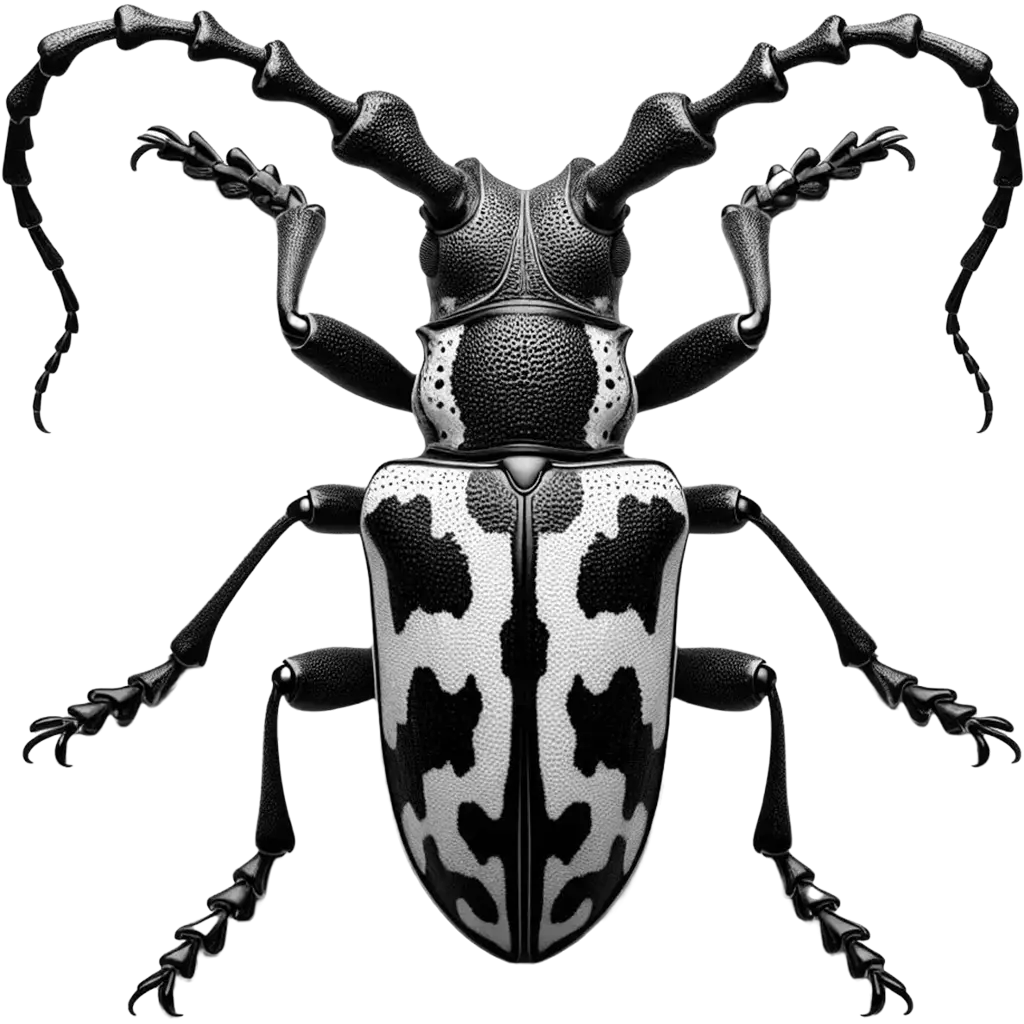
The Harlequin Beetle, acrocinus longimanus, is a striking species of longhorn beetle, renowned for its large size and vividly patterned exoskeleton. Native to the tropical rainforests of Central and South America, these beetles can reach lengths of up to 8 centimeters (3 inches), with males sporting exceptionally long front legs,
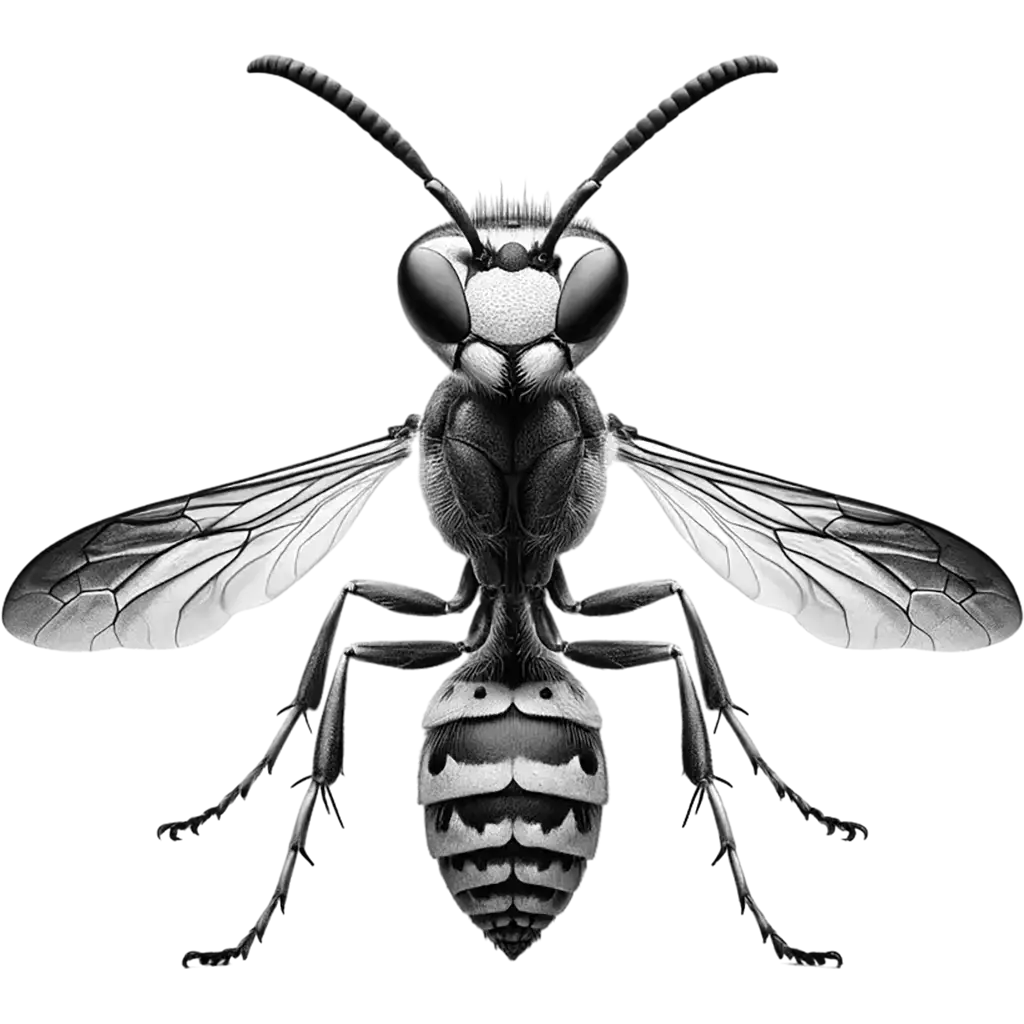
Wasps, encompassing a wide range of insects within the order Hymenoptera and suborder Apocrita, are known for their diverse sizes, colors, and behaviors. Adult Wasps typically range from about 5 to 30 mm in length, featuring slender bodies with a narrow waist connecting the thorax and abdomen, and two pairs