

Mantis Religiosa
European Mantis
Meadows, gardens, agricultural fields, and forest edges
The European Mantis, mantis religiosa, is a widely recognized species of praying mantis, notable for its distinctive posture and predatory behavior. Adult mantises can reach lengths of about 5 to 7.5 cm, exhibiting a range of colors from green to brown, which aids in camouflage within their natural habitats. They are characterized by their triangular heads, elongated bodies, and the prominent forelegs that are folded in a manner suggesting prayer, hence the name 'praying mantis.'
| Population: | Widely distributed and common in many areas |
| Generation Length: | 1 year |
| Average Weight: | Not typically measured due to small size |
| Average Length: | 5-7.5 cm |
| Lifespan: | Approximately 1 year |
| Diet: | Primarily insectivorous, with opportunistic feeding on available small animals |
| Conservation Status: | Least Concern (LC) |
Native to Europe, the European Mantis has been introduced to North America and other regions, where it has adapted to a variety of environments, including grasslands, gardens, and fields. This species is diurnal, primarily active during the day, relying on its excellent vision to spot prey. The European Mantis is a solitary predator, known for its patience and precision in capturing insects and other small prey.
The diet of the European Mantis primarily consists of live insects, including flies, crickets, beetles, and occasionally other small arthropods. They are ambush predators, waiting motionless for prey to come within reach before striking swiftly with their spined forelegs. This predatory behavior benefits gardens and crops by controlling pest populations.
Reproduction in the European Mantis involves a well-known and sometimes perilous mating process, where females may cannibalize males before, during, or after copulation. Females lay eggs in a frothy mass known as an ootheca, which hardens to protect the eggs through the winter. Each ootheca contains dozens to hundreds of eggs, from which nymphs emerge in the spring.
The population of the European Mantis is considered stable across its native and introduced ranges. While not endangered, their presence and abundance can be influenced by pesticide use, habitat destruction, and climate change. As generalist predators, European Mantises play a significant role in controlling insect populations, contributing to the ecological balance within their environments.
Classifications
The Key Attributes
Features
- Movement:
Walking, flying
- Territorial Behavior:
Solitary, with cannibalistic tendencies, especially after mating
- Speed:
Not fast-moving, relies on stealth and camouflage
- Diet:
Carnivore
- Physical Features:
- Triangular head with bulging eyes and the ability to rotate 180 degrees
- Elongated body with a distinct thorax
- Forelegs adapted for catching and holding prey
- Wings in adults, with males more capable of flight than females
- Primary Senses:
- Sight
- Vibration sensitivity
Understanding Habitat and Range
Geography
- Habitat:
Meadows, gardens, agricultural fields, and forest edges
- Migration Patterns:
Non-migratory, but can disperse through active movement or accidental human transportation
- Geographical Range:
Native to Europe, Asia, and Africa, but introduced to North America and other regions
- Climate Preferences:
Prefers temperate climates with distinct seasons
Navigating the Wilderness
In the wild
- Predators:
Birds, spiders, and larger insects
- Prey:
Various insects, spiders, and occasionally small vertebrates
- Feeding Behavior:
Ambush predator, waiting motionless for prey to come within range before striking with rapid movement
- Diet:
Primarily insectivorous, with opportunistic feeding on available small animals
- Defensive Mechanisms:
- Camouflage for hiding from predators and ambushing prey
- Deimatic display to startle predators, showing large forewings with eye-like patterns
- Preferred Food Sources:
- Areas with abundant insect populations for hunting
Insights Into Reproduction
Mating
- Mating System:
Polygynous, with females sometimes engaging in sexual cannibalism
- Number of Offspring:
Produces several egg cases, each containing up to 200 eggs
- Incubation Period:
Eggs overwinter and hatch in spring
- Parental Involvement:
- No parental involvement post-oviposition
Youngsters Section
European Mantis
Fun Fact
The European mantis is known for its distinctive "praying" posture.
This insect gets its name from the way it folds its front legs, resembling a praying position. Found across Europe, it plays a crucial role in pest control by preying on various insects. Interestingly, the female sometimes eats the male after mating, which is a well-documented behavior in many mantis species.

Download word search puzzles
Word Search Puzzles


Check Out Other Invertebrates
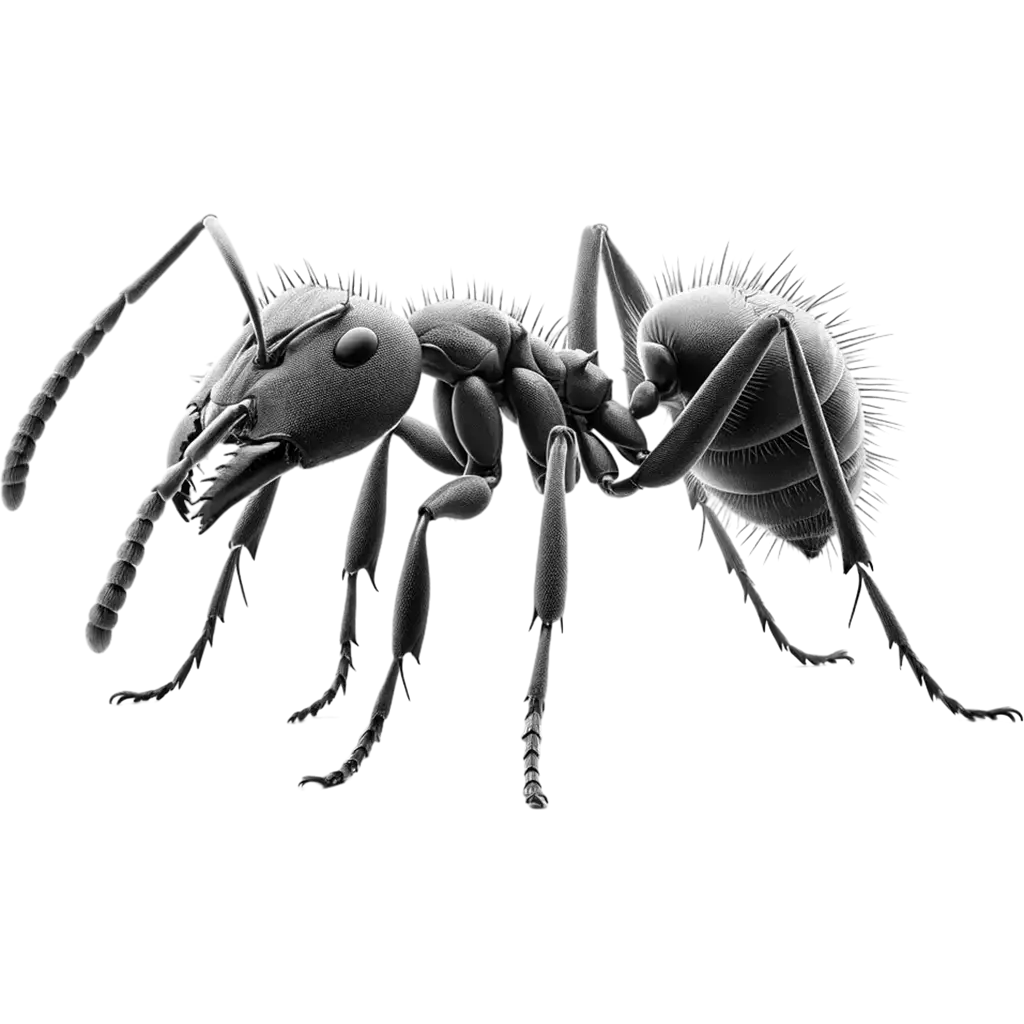
Fire Ants, solenopsis invicta, belonging to the genus Solenopsis, are small yet aggressive insects notorious for their painful stings and rapid, widespread colonization. These ants are easily recognizable by their reddish-brown to black coloration and vary in size, typically measuring between 2 to 6 mm in length. Fire Ants build
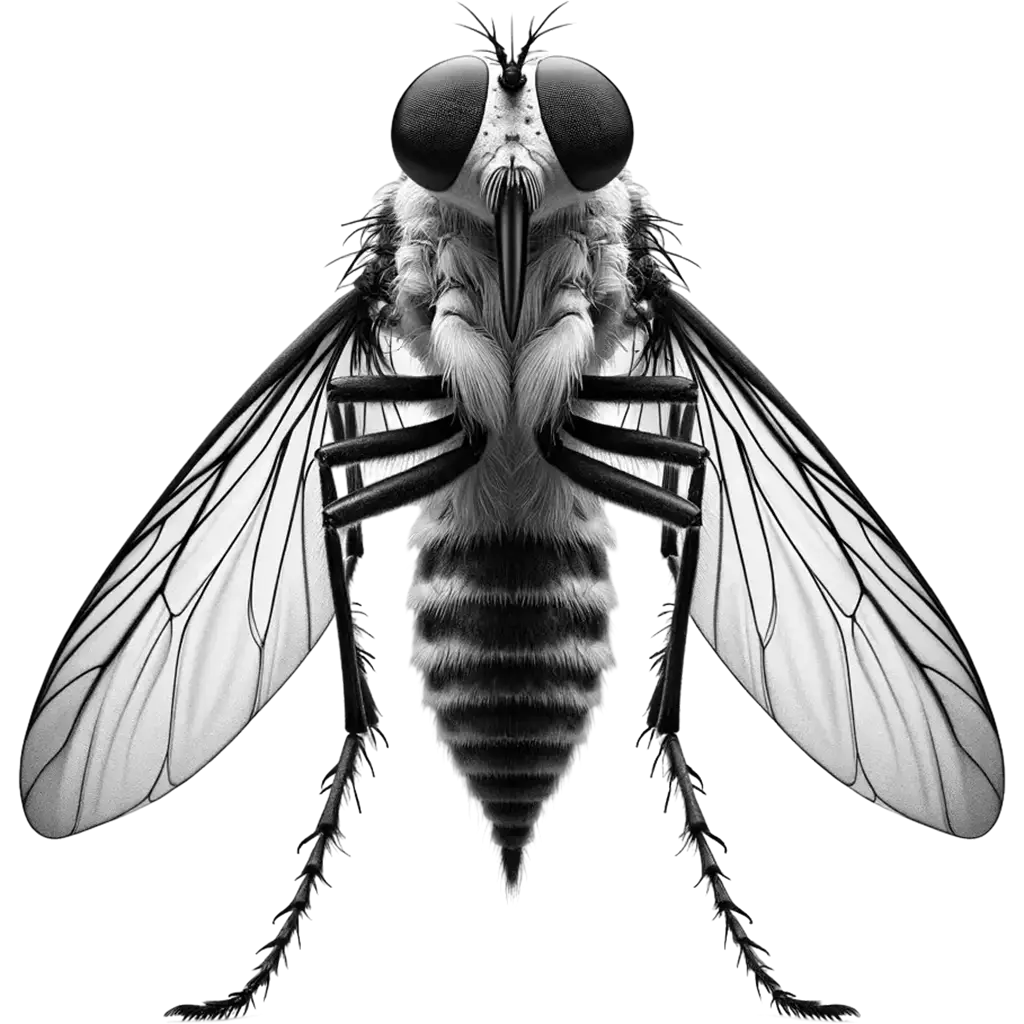
The Tsetse Fly, glossina morsitans, is a blood-feeding insect known for its role in transmitting trypanosomiasis, also known as sleeping sickness in humans and nagana in animals. Measuring about 8 to 17 mm in length, tsetse flies are distinguishable by their distinct forward-projecting proboscis and the unique hatchet-shaped cell in
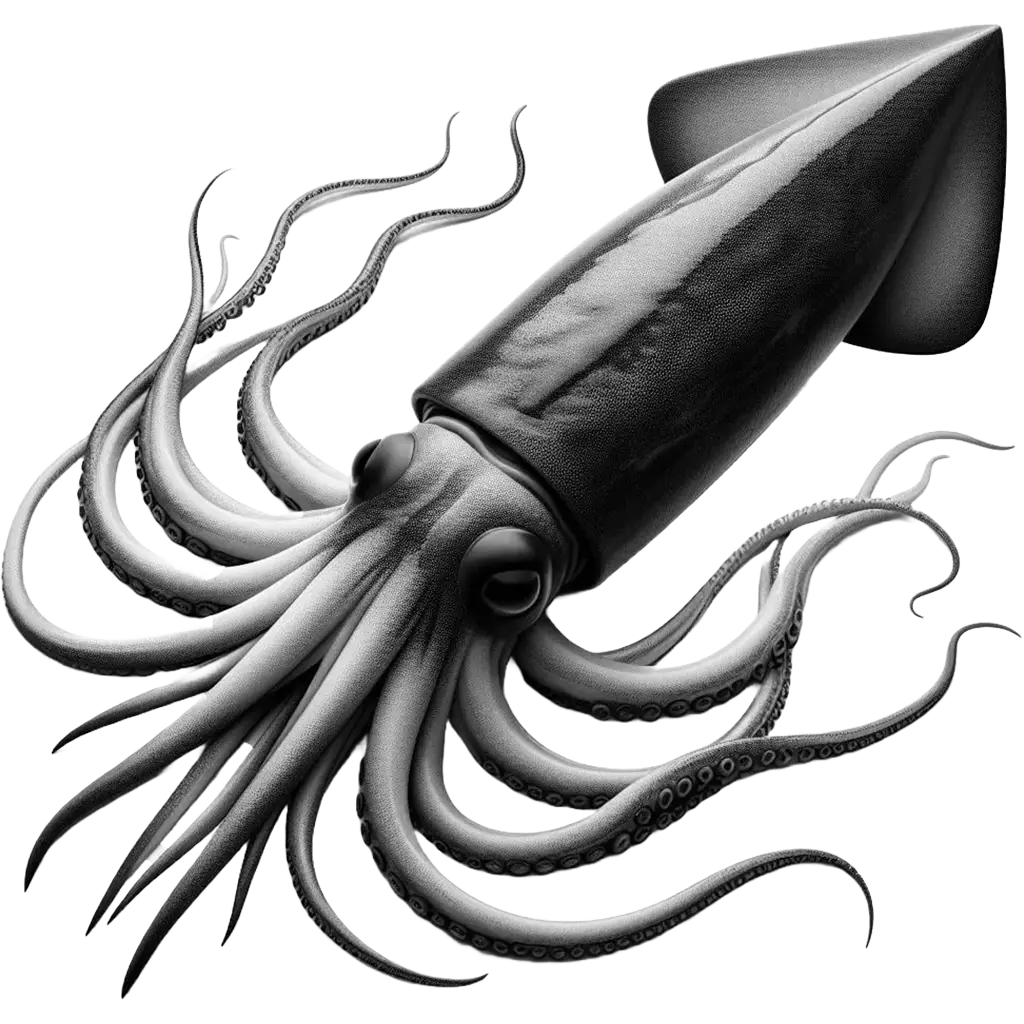
The Giant Squid, architeuthis dux, is a deep-sea dwelling cephalopod known for its immense size and elusive nature. It is one of the largest living organisms, with the largest specimens measuring up to 13 meters (43 feet) in length, including their tentacles. The body of the Giant Squid, or mantle,

Slim Aesop, facelina auriculata, is a species of nudibranch, a group of soft-bodied, marine gastropod mollusks known for their extraordinary colors and striking forms. This particular species is characterized by its slender, transparent body, which can reach up to 40 mm in length, allowing for the visibility of its internal