
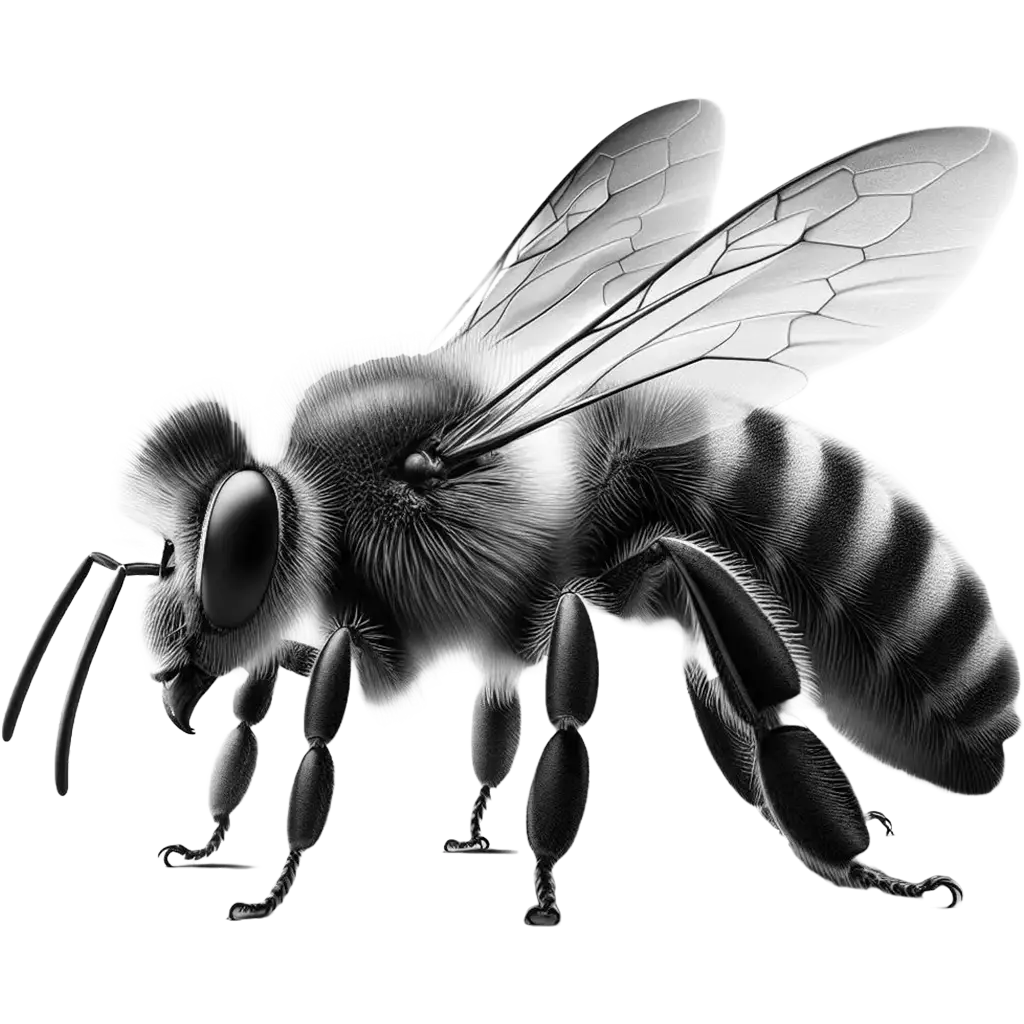
Apis Mellifera
Western Honey Bee
Diverse, including meadows, gardens, woods, and agricultural areas
The Western Honey Bee, apis mellifera, is a pivotal species within ecosystems and agriculture due to its role as a pollinator. These bees are characterized by their golden-brown and black body, with bands of orange and brown hairs that vary in color intensity among individuals and subspecies. Workers, which are the most commonly seen, measure about 15 mm in length. Their bodies are divided into three main parts: the head, thorax, and abdomen, with two pairs of wings and six legs. The variation in size and coloration among queens, workers, and drones reflects their different roles within the hive.
| Population: | Widespread and abundant, though some local populations face declines due to various stressors |
| Generation Length: | Varies significantly within a year due to the continuous reproduction cycle in active seasons |
| Average Weight: | Approximately 0.1 grams |
| Average Length: | Workers: 12-15 mm, Queens: 15-20 mm, Drones: 15-17 mm |
| Lifespan: | Workers: 5-6 weeks, Queens: up to 5 years, Drones: live until mating or expelled before winter |
| Diet: | Nectar and pollen |
| Conservation Status: | Data Deficient (DD) |
Western Honey Bees exhibit highly sophisticated social behavior, living in well-organized colonies that can contain up to 60,000 individuals during peak season. Each colony is a complex society with a single egg-laying queen, thousands of non-reproductive female workers, and, during the breeding season, hundreds of male drones. Their societies are models of efficiency, with workers performing tasks such as foraging for nectar and pollen, caring for the queen and larvae, and maintaining and protecting the hive. Communication among workers involves dances and pheromones, which convey information about food sources and the health of the colony.
Diet and nutrition play a critical role in the colony's health, with workers collecting nectar and pollen from flowering plants. Nectar is converted into honey and stored as a food source, providing energy for the colony, while pollen serves as a protein source, vital for larval development. This diet not only supports the colony but also facilitates the pollination of plants, making the Western Honey Bee an essential participant in both natural and agricultural ecosystems.
Mating occurs during flight, which is the only time queens and drones leave the hive. Queens mate with multiple drones to collect enough sperm to last their entire life, storing it in a special organ. After mating, drones die, while the queen returns to the hive to lay eggs. This process ensures genetic diversity within the hive and the continuation of the colony.
The Western Honey Bee faces challenges from habitat loss, pesticides, disease, and parasites, notably the Varroa destructor mite. Despite these threats, their status as a species is not currently listed as endangered due to their importance to agriculture and efforts to protect and manage bee populations. However, the decline in wild bee populations underscores the need for ongoing conservation efforts to ensure their survival and the pollination services they provide.
Classifications
The Key Attributes
Features
- Movement:
Flying
- Territorial Behavior:
Highly social, living in well-organized colonies
- Speed:
Flight speed around 25 km/h
- Diet:
Herbivore - primarily nectar and pollen
- Physical Features:
- Hairy body
- Three pairs of legs with pollen baskets on the hind legs
- Two pairs of wings
- Stinger used for defense in workers
- Primary Senses:
- Sight
- Smell
- Tactile
Understanding Habitat and Range
Geography
- Habitat:
Diverse, including meadows, gardens, woods, and agricultural areas
- Migration Patterns:
Non-migratory, but managed colonies are moved by beekeepers for pollination services
- Geographical Range:
Native to Europe, Africa, and the Middle East; introduced worldwide
- Climate Preferences:
Adaptable to various climates but prefers temperate zones
Navigating the Wilderness
In the wild
- Predators:
Birds, spiders, wasps, and hornets
- Prey:
Not applicable
- Feeding Behavior:
Forage on flowers for nectar and pollen
- Diet:
Nectar and pollen
- Defensive Mechanisms:
- Stinging
- Releasing alarm pheromones to alert colony members
- Swarming behavior
- Preferred Food Sources:
- A wide variety of flowering plants
Insights Into Reproduction
Mating
- Mating System:
Polyandrous (Queens mate with multiple drones)
- Number of Offspring:
Queens can lay up to 2000 eggs per day during peak season
- Incubation Period:
Eggs hatch into larvae after 3 days, develop into adult bees over 21 days
- Parental Involvement:
- Extensive care by worker bees for eggs, larvae, and pupae
Youngsters Section
Western Honey Bee
Fun Fact
Western honey bees communicate through a unique "waggle dance."
This dance helps them convey information about the direction and distance of nectar sources to other bees in the hive. By moving in a specific pattern, the bee indicates the angle relative to the sun and the distance to the food, helping the colony locate resources efficiently.

Download word search puzzles
Word Search Puzzles


Check Out Other Invertebrates

The Common Octopus, octopus vulgaris, is a highly intelligent and adaptable cephalopod found in a variety of marine environments around the world, from tropical waters to temperate seas. This species is characterized by its bulbous head, eight long arms lined with suction cups, and a mantle that can dramatically alter
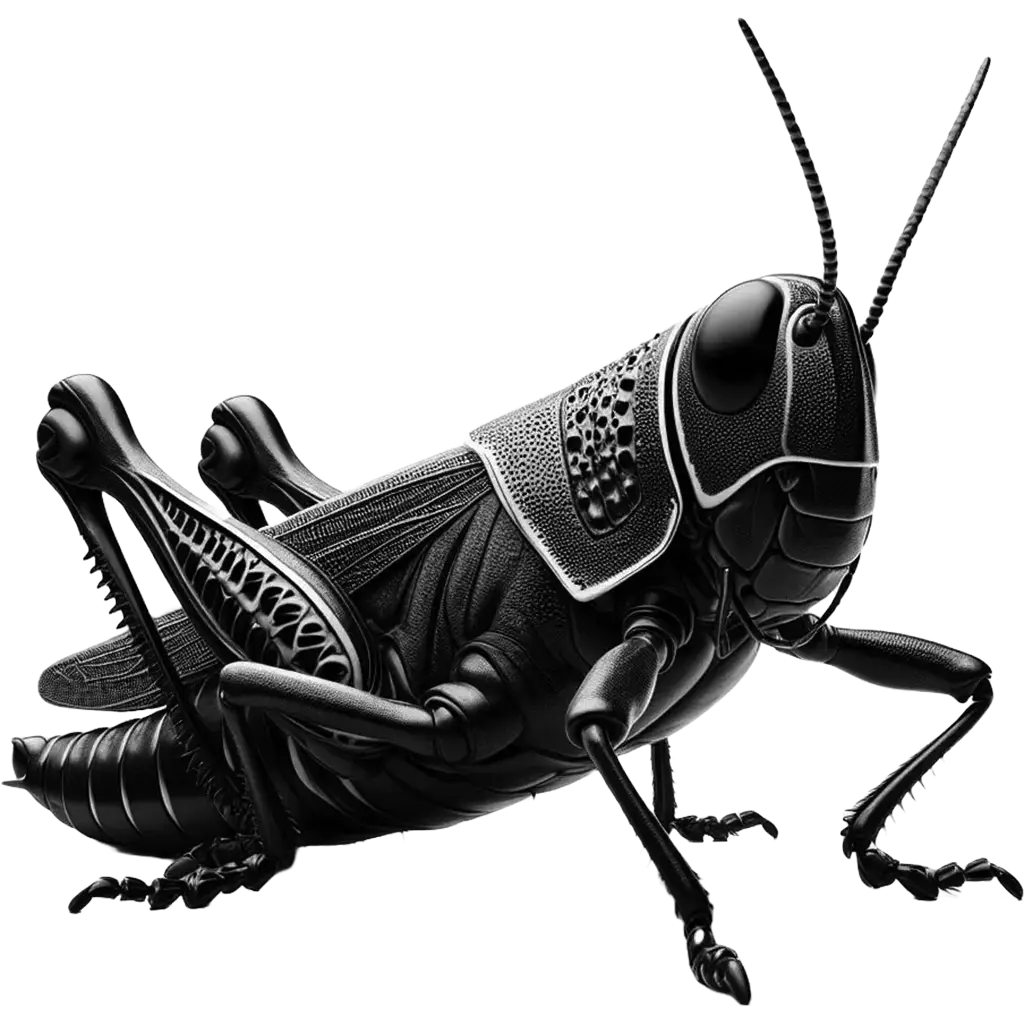
The American Grasshopper, schistocerca americana, is a robust insect known for its sizeable body and striking coloration, which ranges from yellow to olive-green, often with black or brown markings that provide camouflage in their natural grassland habitats. Adults can grow up to 2.5 inches (about 6.35 cm) in length, making
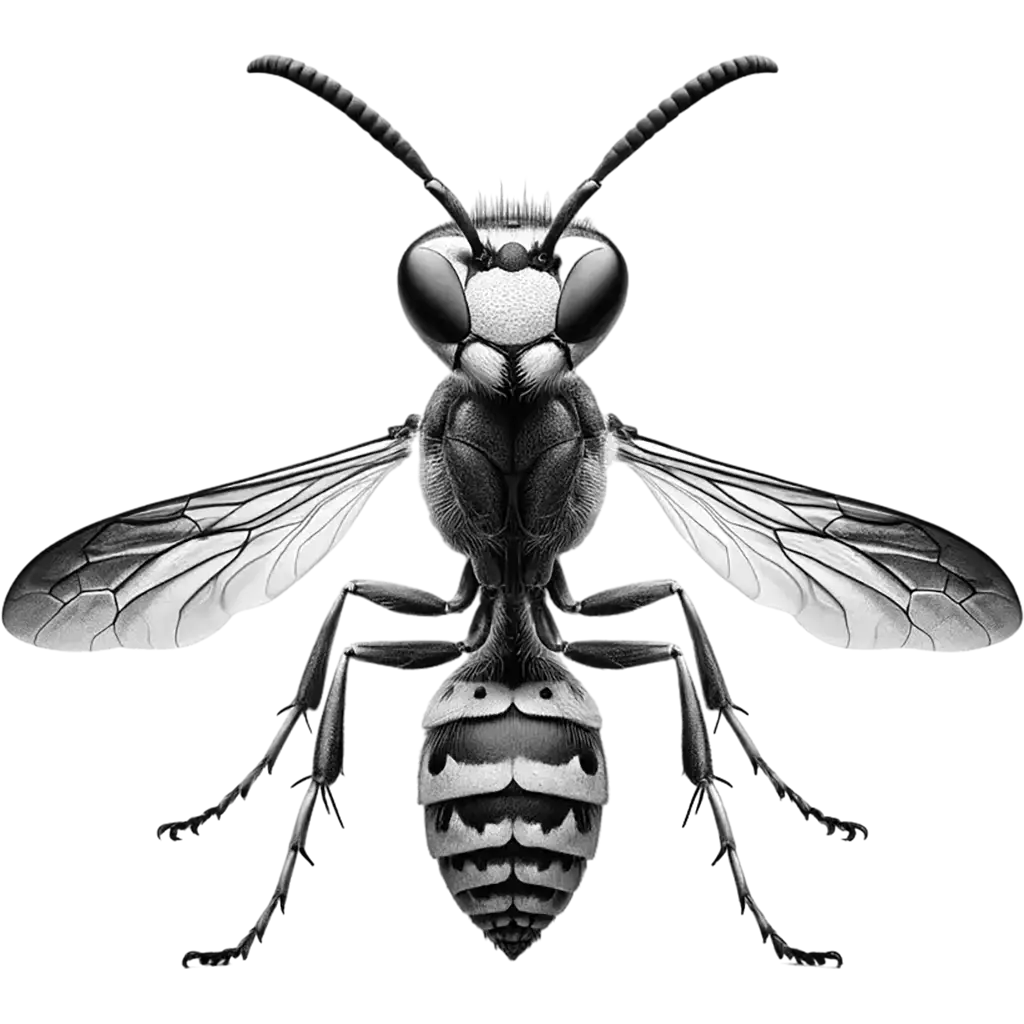
Wasps, encompassing a wide range of insects within the order Hymenoptera and suborder Apocrita, are known for their diverse sizes, colors, and behaviors. Adult Wasps typically range from about 5 to 30 mm in length, featuring slender bodies with a narrow waist connecting the thorax and abdomen, and two pairs
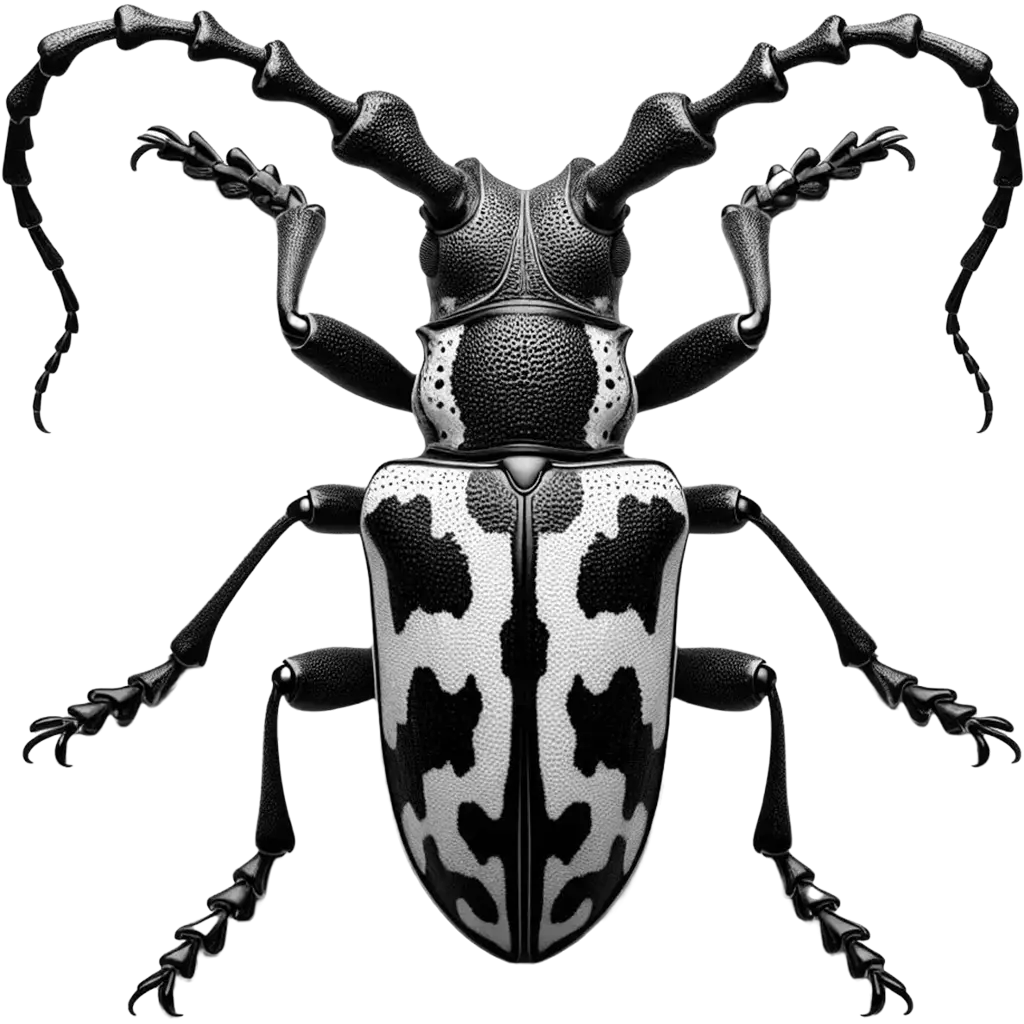
The Harlequin Beetle, acrocinus longimanus, is a striking species of longhorn beetle, renowned for its large size and vividly patterned exoskeleton. Native to the tropical rainforests of Central and South America, these beetles can reach lengths of up to 8 centimeters (3 inches), with males sporting exceptionally long front legs,