
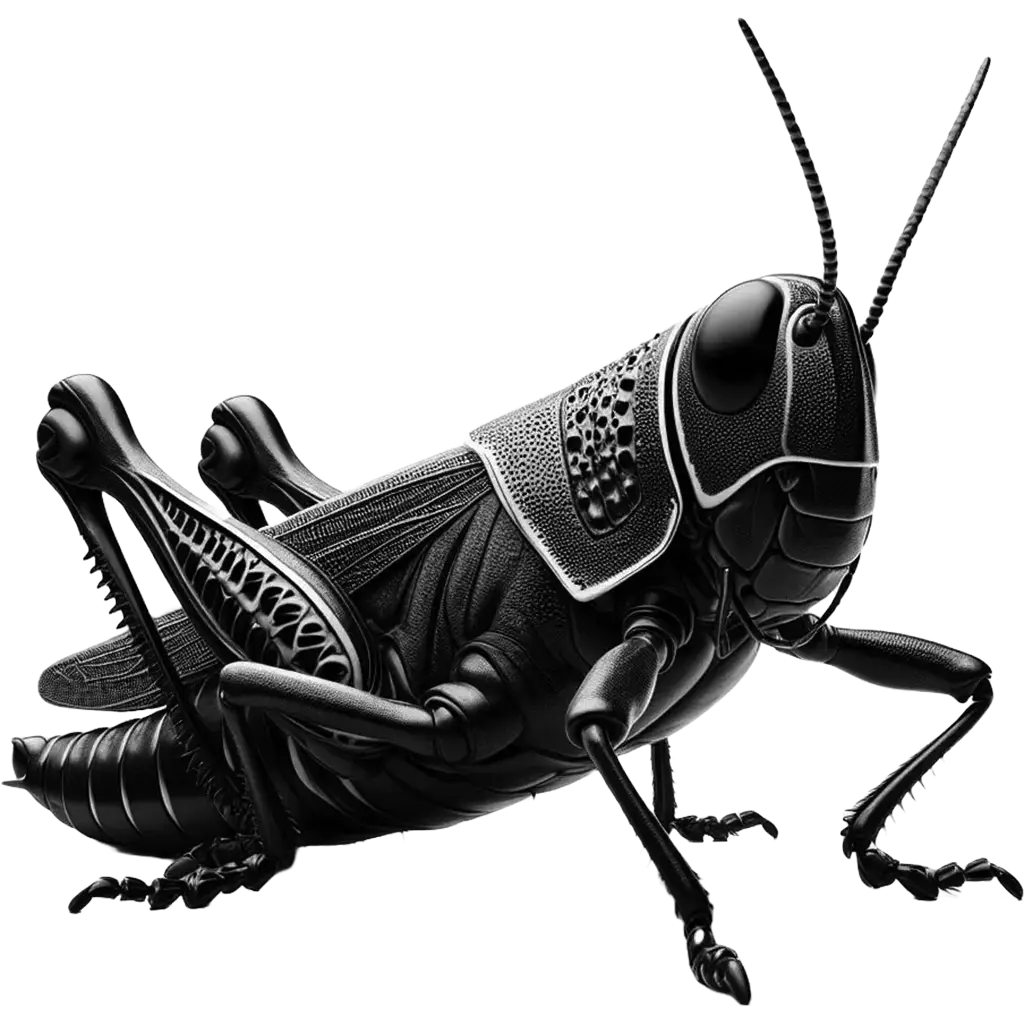
Schistocerca Americana
American Grasshopper
Grasslands, fields, crops, and urban areas
The American Grasshopper, schistocerca americana, is a robust insect known for its sizeable body and striking coloration, which ranges from yellow to olive-green, often with black or brown markings that provide camouflage in their natural grassland habitats. Adults can grow up to 2.5 inches (about 6.35 cm) in length, making them one of the larger grasshopper species in North America. Their powerful hind legs are not only adapted for jumping great distances but also feature sharp edges that can be used for defense. The wings, when extended, reveal a more delicate, sometimes brightly colored underwing, contrasting with their otherwise earthy tones. This visual warning is part of their defense strategy against predators, alongside their ability to fly short distances to escape threats.
| Population: | Widespread and abundant, not currently considered threatened |
| Generation Length: | One year, with multiple generations per year depending on climate |
| Average Weight: | Not typically measured due to small size |
| Average Length: | 5-6.5 cm |
| Lifespan: | Approximately one year |
| Diet: | Plant materials |
| Conservation Status: | Not Evaluated (NE) |
American Grasshoppers are highly adaptable and can be found in a variety of environments across the United States, from grasslands to agricultural fields, where they sometimes become significant pests. They exhibit a solitary phase under normal population densities but can become gregarious and form large swarms under favorable environmental conditions, leading to extensive crop damage. These insects are diurnal, most active during the day, especially in warm, sunny weather, which energizes them for feeding and mating. Their lifecycle includes several stages, from egg to nymph to adult, with the nymphs resembling smaller, wingless versions of the adults. The entire lifecycle can span a single season, with eggs laid in the soil surviving through the winter to hatch in spring.
The diet of the American Grasshopper is primarily herbivorous, consisting of a wide range of plants, including grasses, weeds, and crops. This diverse diet allows them to thrive in many environments but also makes them a threat to agriculture. They have mandibles designed for chewing tough plant material, and when food is abundant, they can consume large quantities, contributing to their potential as pests. However, in natural settings, they play a vital role in the ecosystem by controlling plant growth and serving as a food source for various predators.
Mating habits of the American Grasshopper involve males attracting females through a series of calls and displays, which may include wing flicking and producing a characteristic sound by rubbing their hind legs against their wings. After mating, females lay eggs in the soil, where they remain overwinter until environmental conditions trigger hatching. This reproductive strategy ensures that the next generation can take advantage of the spring growth of vegetation, providing ample food for the newly hatched nymphs.
The population dynamics of the American Grasshopper are influenced by weather conditions and available food sources, with numbers fluctuating from year to year. While they are not considered endangered, their populations can experience dramatic changes due to agricultural practices, such as the use of pesticides and habitat modification. Despite these challenges, the American Grasshopper remains a common and resilient species, capable of adapting to a changing environment and continuing to play a crucial role in its ecosystem.
Classifications
The Key Attributes
Features
- Movement:
Hopping, flying
- Territorial Behavior:
Not territorial; often found in large groups during outbreaks
- Speed:
Capable of rapid jumps and short flights
- Diet:
Herbivore
- Physical Features:
- Large, robust body
- Long legs adapted for jumping
- Wings for flight
- Variable coloration, typically yellowish-green or brown to blend with surroundings
- Primary Senses:
- Sight
- Touch
- Chemoreception (taste and smell)
Understanding Habitat and Range
Geography
- Habitat:
Grasslands, fields, crops, and urban areas
- Migration Patterns:
Non-migratory, but can disperse over large areas during population outbreaks
- Geographical Range:
Throughout the United States, extending into parts of Canada and Mexico
- Climate Preferences:
Prefers warm climates but is adaptable to a range of conditions
Navigating the Wilderness
In the wild
- Predators:
Birds, rodents, reptiles, and other insects
- Prey:
Not applicable
- Feeding Behavior:
Feeds on a wide variety of plant material, including leaves, stems, and some crops
- Diet:
Plant materials
- Defensive Mechanisms:
- Camouflage
- Jumping to escape predators
- Flying to disperse
- Preferred Food Sources:
- Grasses
- Weeds
- Crop plants in agricultural areas
Insights Into Reproduction
Mating
- Mating System:
Polygynous
- Number of Offspring:
Females can lay several hundred eggs in their lifetime, divided among multiple egg pods
- Incubation Period:
Eggs hatch in about 10 days to several weeks, depending on temperature
- Parental Involvement:
- No parental care after eggs are laid; nymphs are independent upon hatching
Youngsters Section
American Grasshopper
Fun Fact
American Grasshoppers are known for their impressive migratory behavior, often traveling long distances.
They can form swarms that stretch over miles, consuming vast amounts of vegetation as they move. These swarms can be so large and dense that they block out sunlight, creating a shadow over the land they travel across.

Download word search puzzles
Word Search Puzzles


Check Out Other Invertebrates

The Common Starfish, asterias rubens, is a widely recognized marine invertebrate found across the North Atlantic, from the Arctic Ocean to the Mediterranean Sea. This species typically exhibits five arms radiating from a central disc, though specimens with more arms can occasionally be found. The Common Starfish can reach a
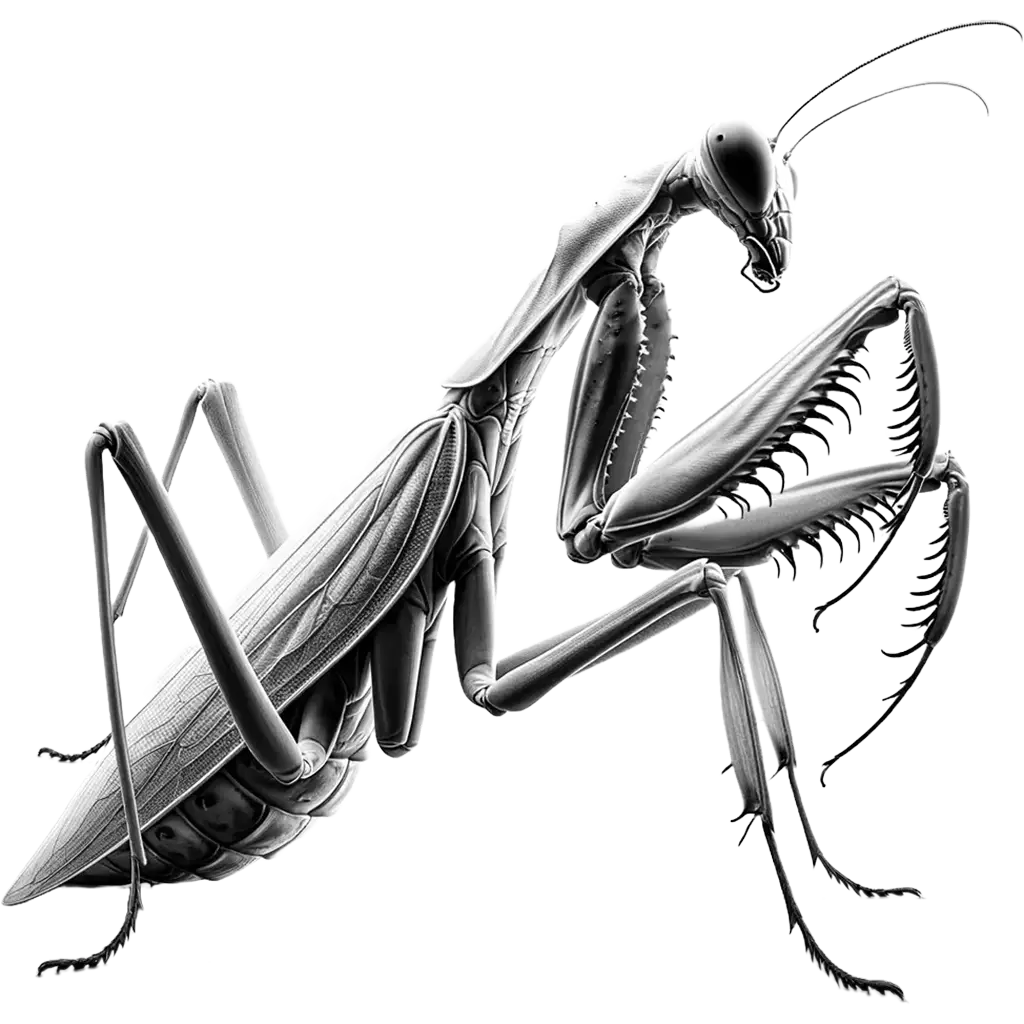
The European Mantis, mantis religiosa, is a widely recognized species of praying mantis, notable for its distinctive posture and predatory behavior. Adult mantises can reach lengths of about 5 to 7.5 cm, exhibiting a range of colors from green to brown, which aids in camouflage within their natural habitats. They
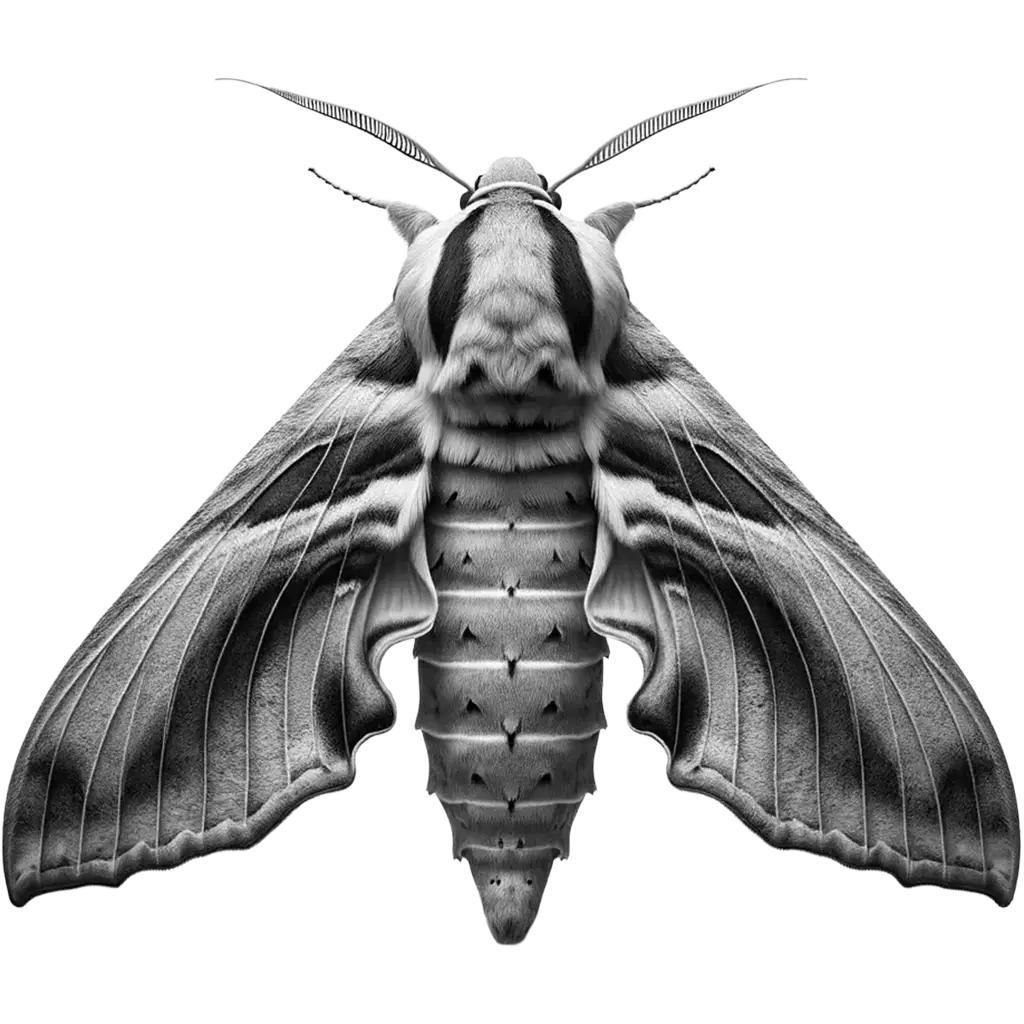
The Lime Hawk-Moth, mimas tiliae, is a striking and colorful species of moth found across Europe and into parts of Asia, recognized for its vibrant green and pink hues that blend seamlessly with the foliage of lime trees, its primary habitat and food source during the larval stage. Adult moths

The Giant Peacock Moth, saturnia pyri, is Europe's largest moth, showcasing an impressive wingspan of up to 15 centimeters (6 inches). Its name derives from the eye-catching 'eyes' on its wings, resembling those of a peacock's feathers. These large, circular spots serve as a defense mechanism, deterring predators by mimicking