
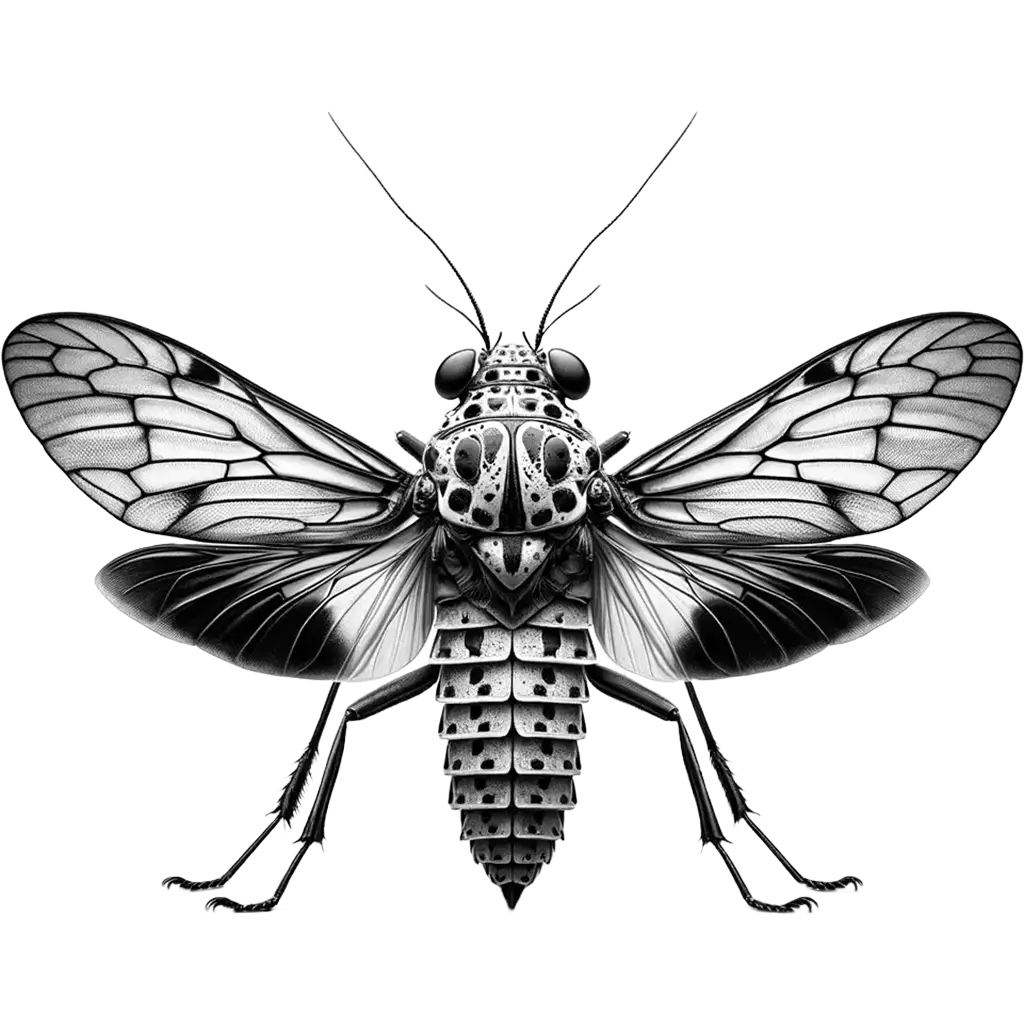
Lycorma Delicatula
Spotted Lanternfly
Tropical forests, gardens, and agricultural areas where host plants are abundant
The Spotted Lanternfly, lycorma delicatula, belonging to the family Fulgoridae, encompasses a diverse group of insects known for their striking appearance and unique protrusions resembling a snout or lantern, though these structures do not produce light. Typically, lanternflies are medium to large in size, with bodies measuring between 2 to 7.5 cm in length, and exhibit vibrant colors and patterns on their wings, which serve as camouflage or warnings to predators. Their distinctive feature, the lantern-like structure, is actually an elongated head or pronotum that was once thought to be luminescent, giving rise to their common name.
| Population: | Widespread across various species; some are common while others may be rare or localized |
| Generation Length: | 1 year |
| Average Weight: | Not commonly measured due to their small size |
| Average Length: | Varies by species, typically 2-8 cm in length |
| Lifespan: | Approximately 1 year |
| Diet: | Sap from host plants |
| Conservation Status: | Not Evaluated (NE) |
Lanternflies are found in tropical and subtropical regions around the world, thriving in dense forests where they feed on a wide variety of plants, including trees, shrubs, and vines. They use their piercing mouthparts to tap into plant stems, branches, or trunks to feed on the sap. This feeding behavior can damage host plants, making some Lanternfly species significant agricultural pests.
The diet of lanternflies primarily consists of plant sap, which they extract using their specialized mouthparts. This sap-feeding habit impacts the plants' health and can lead to the secretion of honeydew, a sugary by-product of their feeding process. Honeydew can attract other insects and lead to the growth of sooty mold, further harming the plant.
Reproduction in lanternflies involves laying eggs on the bark of trees or under leaves, with some species producing a waxy coating to protect the eggs from predators and environmental conditions. The lifecycle from egg to adult can vary, with many species having one generation per year, though this may differ based on climatic conditions.
While the Fulgoridae family is not considered endangered as a whole, some species may face threats from habitat destruction and pesticide use. Conservation efforts for lanternflies focus on understanding their role in ecosystems and developing integrated pest management strategies for species that impact agriculture. Despite their beauty and fascinating biology, the presence of Lanternfly species such as the Spotted Lanternfly (Lycorma delicatula) in non-native regions has prompted efforts to control their spread due to the significant damage they cause to crops and trees.
Classifications
The Key Attributes
Features
- Movement:
Flying, hopping
- Territorial Behavior:
Not territorial; often found in groups on host plants
- Speed:
Not specifically quantified; capable of quick, short flights and hops
- Diet:
Mostly herbivore, feeding on sap from plants
- Physical Features:
- Notable for their colorful and ornate appearances
- Large and sometimes transparent or reflective wings
- Elongated bodies with a protruding head or snout
- In some species, the males have a lantern-like structure that does not produce light
- Primary Senses:
- Sight
- Chemical sensing
Understanding Habitat and Range
Geography
- Habitat:
Tropical forests, gardens, and agricultural areas where host plants are abundant
- Migration Patterns:
Non-migratory, but may spread to new areas through human activity
- Geographical Range:
Global, with high diversity in tropical and subtropical regions
- Climate Preferences:
Prefer warm, humid climates but can adapt to a variety of environmental conditions
Navigating the Wilderness
In the wild
- Predators:
Birds, spiders, and other insect predators
- Prey:
Sap from a variety of plants, including trees, shrubs, and vines
- Feeding Behavior:
Feeds on plant sap using its specialized mouthparts to pierce plant stems or leaves
- Diet:
Sap from host plants
- Defensive Mechanisms:
- Camouflage and mimicry to blend into their surroundings
- Quick flight or hops to evade predators
- In some species, secretion of a waxy substance for protection
- Preferred Food Sources:
- A wide range of host plants specific to each species
Insights Into Reproduction
Mating
- Mating System:
Polygamous
- Number of Offspring:
Can lay hundreds of eggs in a single laying event
- Incubation Period:
Eggs hatch after several weeks to months, depending on environmental conditions
- Parental Involvement:
- No parental care after laying eggs
Youngsters Section
Spotted Lanternfly
Fun Fact
Spotted Lanternflies are invasive insects known for their colorful wings and destructive feeding habits.
They feed on sap from over 70 plant species, affecting agriculture and forests. Originating from Asia, they spread rapidly in the U.S., primarily through human activity. Their presence threatens crops like grapes, apples, and hardwood trees, impacting industries significantly.

Download word search puzzles
Word Search Puzzles
Check Out Other Invertebrates
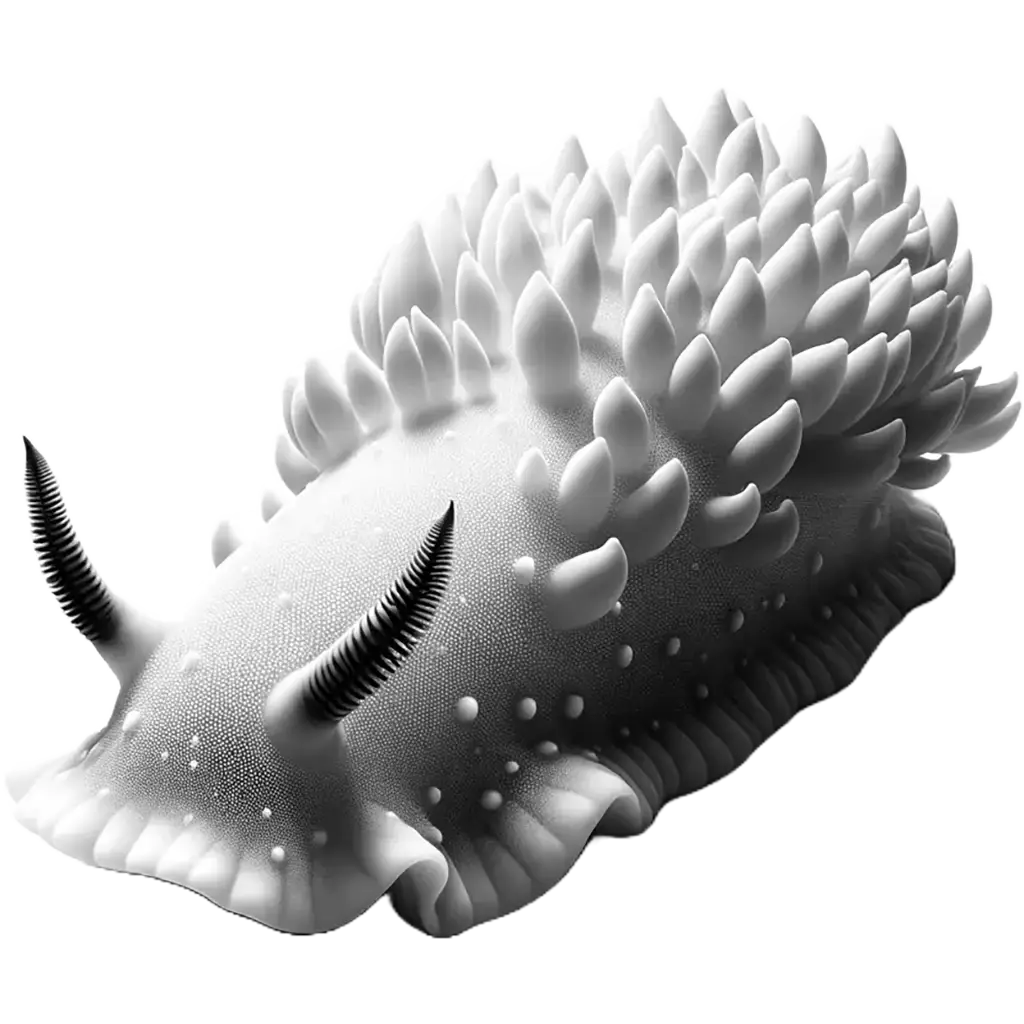
Slim Aesop, facelina auriculata, is a species of nudibranch, a group of soft-bodied, marine gastropod mollusks known for their extraordinary colors and striking forms. This particular species is characterized by its slender, transparent body, which can reach up to 40 mm in length, allowing for the visibility of its internal
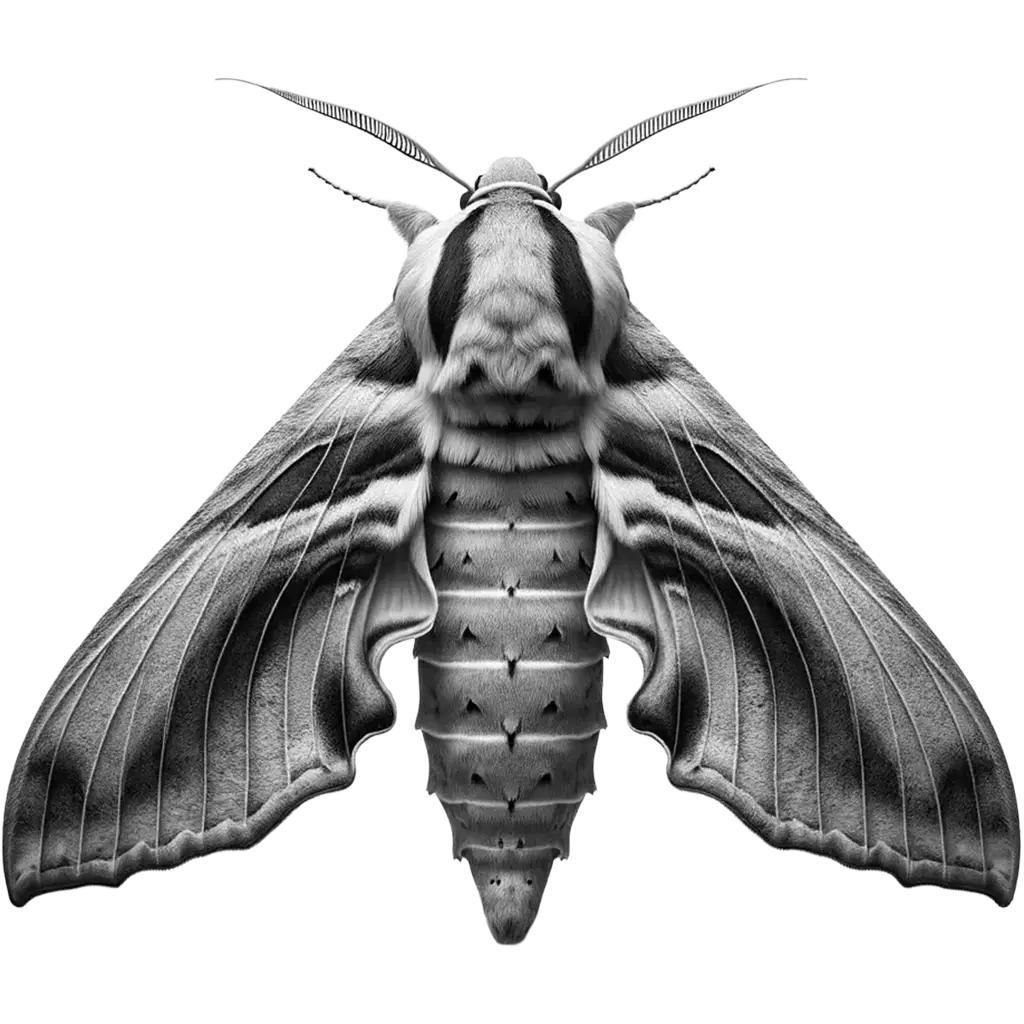
The Lime Hawk-Moth, mimas tiliae, is a striking and colorful species of moth found across Europe and into parts of Asia, recognized for its vibrant green and pink hues that blend seamlessly with the foliage of lime trees, its primary habitat and food source during the larval stage. Adult moths
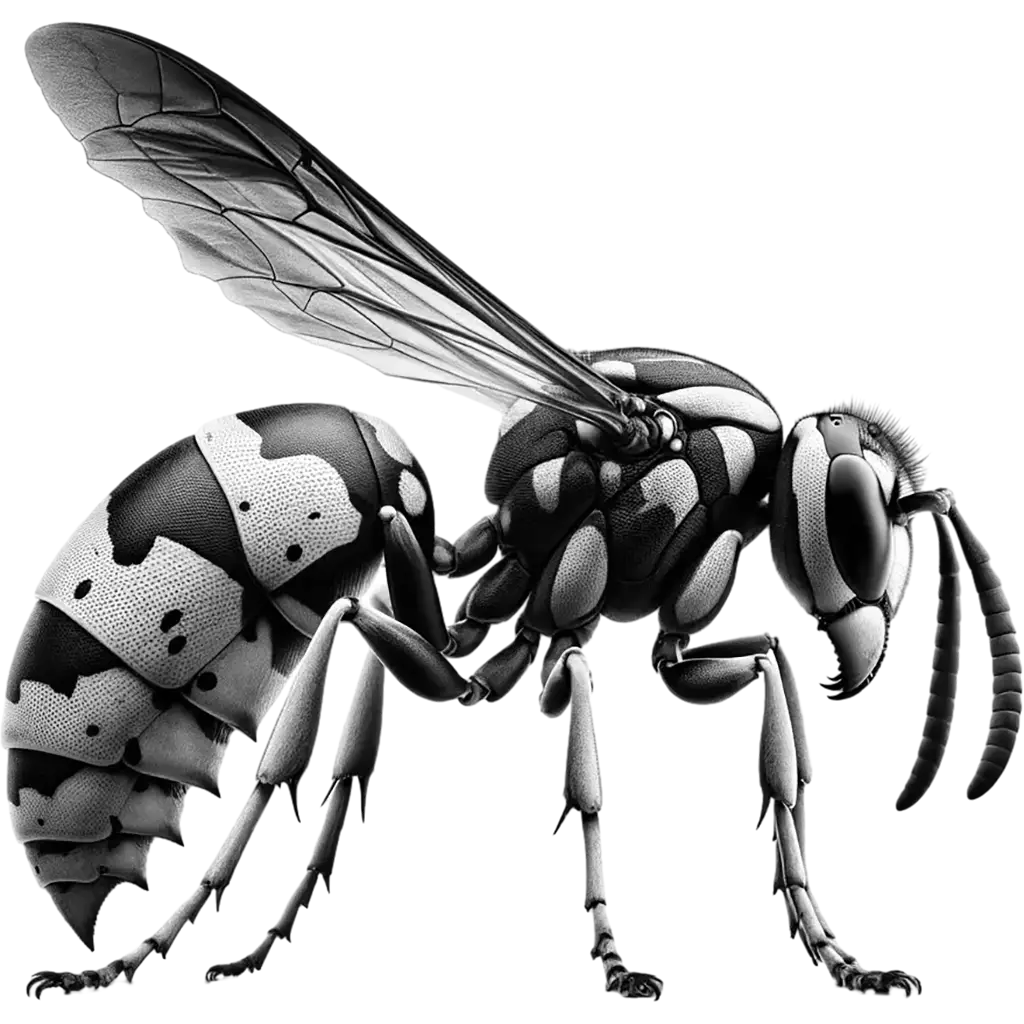
The term Yellowjacket refers to several species of the genus Dolichovespula and Vespula, known for their distinctive yellow and black body markings. These social insects are medium-sized wasps, with workers typically measuring 10 to 16 mm in length. They possess a slender body with a narrow waist, two pairs of
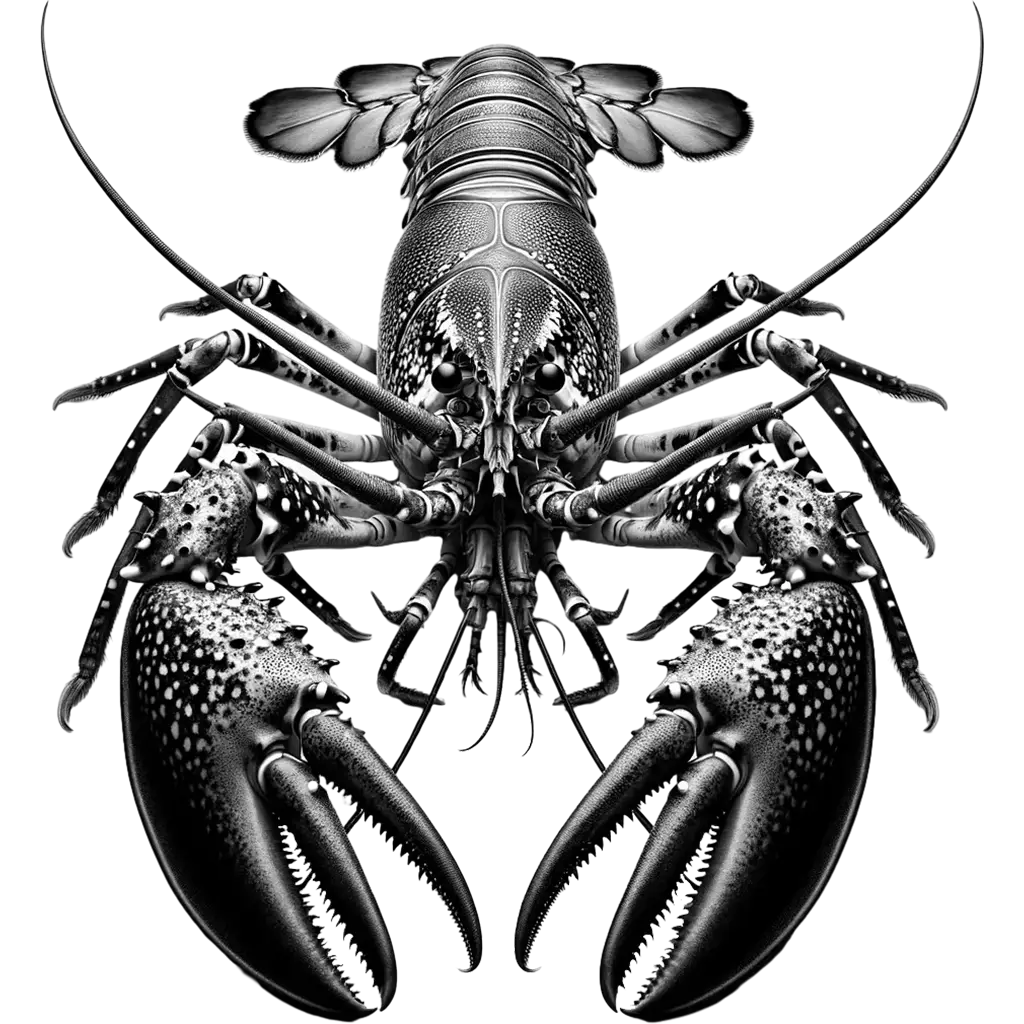
The American Lobster, homarus americanus, is a large marine crustacean found along the Atlantic coast of North America, from Labrador to New Jersey. It is distinguished by its heavy, segmented body covered in a hard exoskeleton, two large claws (one larger and one smaller, specialized for crushing and cutting), and