
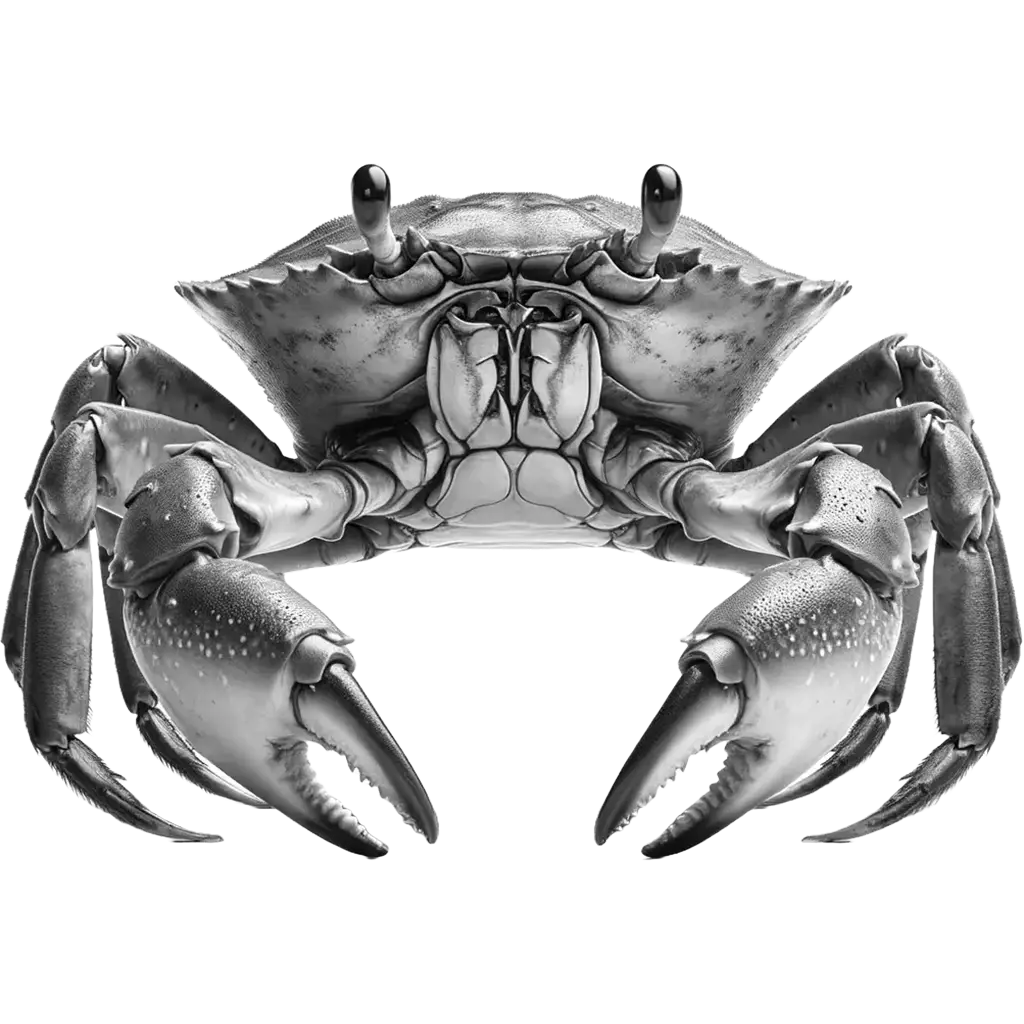
Callinectes Sapidus
Maryland Blue Crab
Estuarine environments, salt marshes, and muddy bottoms
The Maryland Blue Crab, callinectes sapidus, is a renowned crustacean found in the waters of the Western Atlantic Ocean and the Gulf of Mexico, particularly flourishing in the Chesapeake Bay. Distinguished by its bright blue claws and olive-green carapace, the male blue crab showcases vibrant colors, while the female is identified by her red-tipped claws. This species can reach up to 23 cm (9 inches) across the carapace, making it one of the most sizable crabs harvested for culinary use. The blue crab's body is equipped with a pair of robust swimming legs or 'swimmerets,' enabling agile movement through its aquatic habitat.
| Population: | Abundant, but subject to overfishing and habitat loss |
| Generation Length: | 1 year |
| Average Weight: | 200-300 grams |
| Average Length: | Carapace width: 10-23 cm |
| Lifespan: | 3-4 years |
| Diet: | Varied, includes both plant and animal matter |
| Conservation Status: | Not Evaluated (NE) |
Blue Crabs are vital components of their ecosystems, thriving in brackish coastal lagoons and estuaries where freshwater mixes with saltwater. These environments provide the crabs with rich feeding grounds and nursery areas. Blue Crabs are known for their remarkable lifecycle, including a larval stage that drifts in ocean currents before settling in estuarine habitats. They are both predators and scavengers, feeding on a wide array of organisms and contributing to the health of the marine food web.
The diet of the Maryland Blue Crab is varied and includes small fish, bivalves, annelids, and plant detritus. This omnivorous appetite allows them to play a significant role in controlling the population of benthic organisms, thereby maintaining a balanced ecosystem. Their feeding behavior also makes them susceptible to bioaccumulation of toxins, serving as indicators of environmental health.
Reproduction in Blue Crabs is a critical part of their life cycle, with females capable of producing millions of eggs in their lifetime. Mating occurs just after the female molts and is still soft; she carries the fertilized eggs in a brood pouch beneath her abdomen until they hatch. This reproductive strategy ensures a high potential for population growth, albeit balanced by high predation rates on larvae.
The population of the Maryland Blue Crab faces challenges from overfishing, habitat loss, and pollution. Management strategies, including size limits, season closures, and sanctuary zones, have been implemented to sustain crab populations. The blue crab not only supports a significant commercial fishery but also serves as a cultural icon in the region, symbolizing the ecological and economic importance of the Chesapeake Bay and surrounding waters.
Classifications
The Key Attributes
Features
- Movement:
Walking, swimming
- Territorial Behavior:
Territorial during mating season
- Speed:
Not specifically quantified; known for quick sideways movement
- Diet:
Omnivore
- Physical Features:
- Bright blue shell and claws in males, with females having redder tips on claws
- Five pairs of legs with the last pair modified into swimming paddles
- Hard exoskeleton with a pair of pincers
- Primary Senses:
- Sight
- Taste
- Touch
Understanding Habitat and Range
Geography
- Habitat:
Estuarine environments, salt marshes, and muddy bottoms
- Migration Patterns:
Migrates between fresh and saltwater environments depending on life stage and temperature
- Geographical Range:
Native to the western Atlantic Ocean and Gulf of Mexico, particularly common in the Chesapeake Bay area
- Climate Preferences:
Temperate to subtropical climates
Navigating the Wilderness
In the wild
- Predators:
Fish, birds, sea turtles, and humans
- Prey:
Small fish, algae, mollusks, and detritus
- Feeding Behavior:
Feeds on a variety of foods, including fish, plants, smaller crustaceans, and detritus
- Diet:
Varied, includes both plant and animal matter
- Defensive Mechanisms:
- Retreating into its shell
- Using its claws for defense
- Burrowing into mud to hide from predators
- Preferred Food Sources:
- Diverse, based on availability in the estuarine ecosystem
Insights Into Reproduction
Mating
- Mating System:
Polygynous
- Number of Offspring:
Up to 2 million eggs per spawning event
- Gestation Period:
Eggs are carried on the female's abdomen for about two weeks before hatching
- Parental Involvement:
- No parental care after eggs hatch; larvae are independent
Youngsters Section
Maryland Blue Crab
Fun Fact
The Maryland Blue Crab is renowned for its sweet, tender meat and vibrant blue claws.
These crabs are a vital part of Chesapeake Bay's ecosystem and economy. They are excellent swimmers, using their paddle-like rear legs to navigate waters. During summer, they are abundant and a staple in Maryland cuisine, especially in crab cakes and steamed crabs.

Download word search puzzles
Word Search Puzzles
Check Out Other Invertebrates
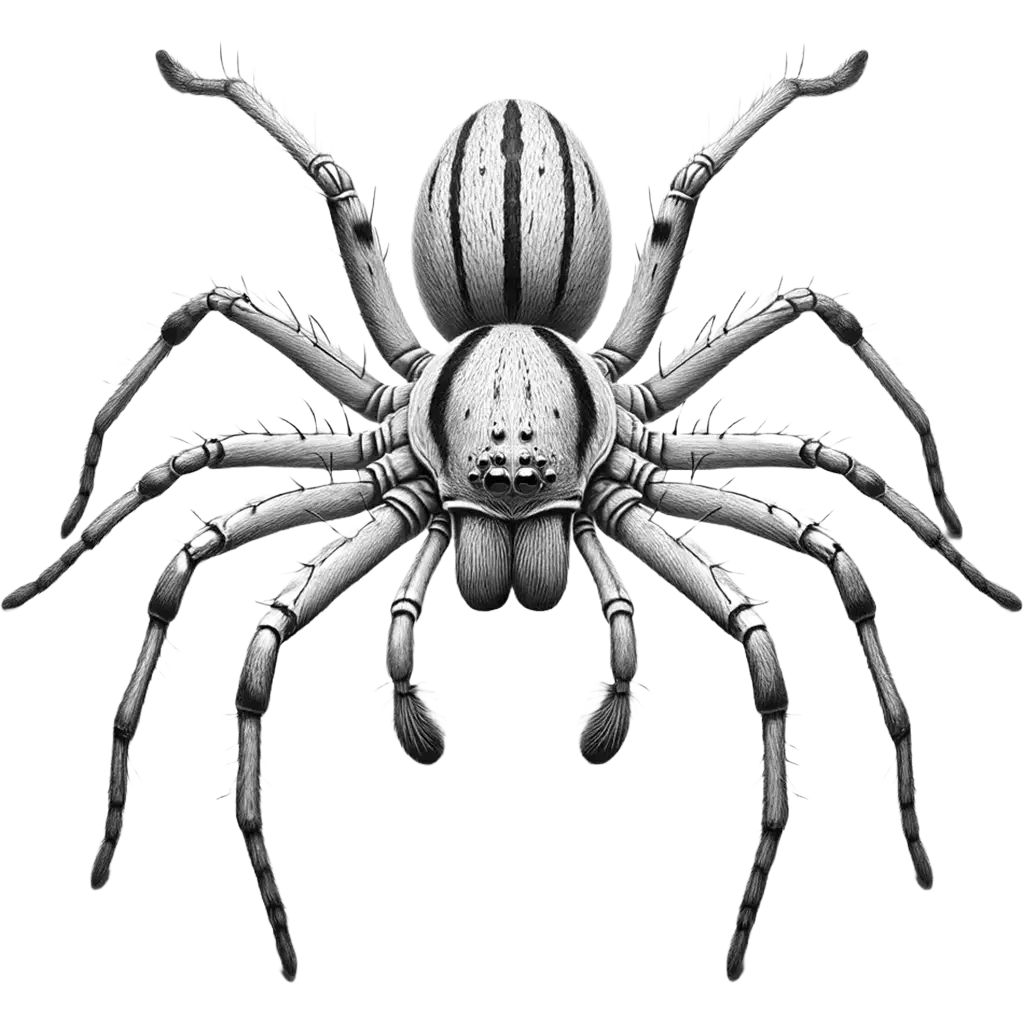
The Diving Bell Spider, argyroneta aquatica, stands out as the only spider known to live almost entirely under water. Adults typically measure between 10 to 15 mm in length, with females generally larger than males. Their coloration ranges from dark grey to brown, with a velvety appearance due to fine
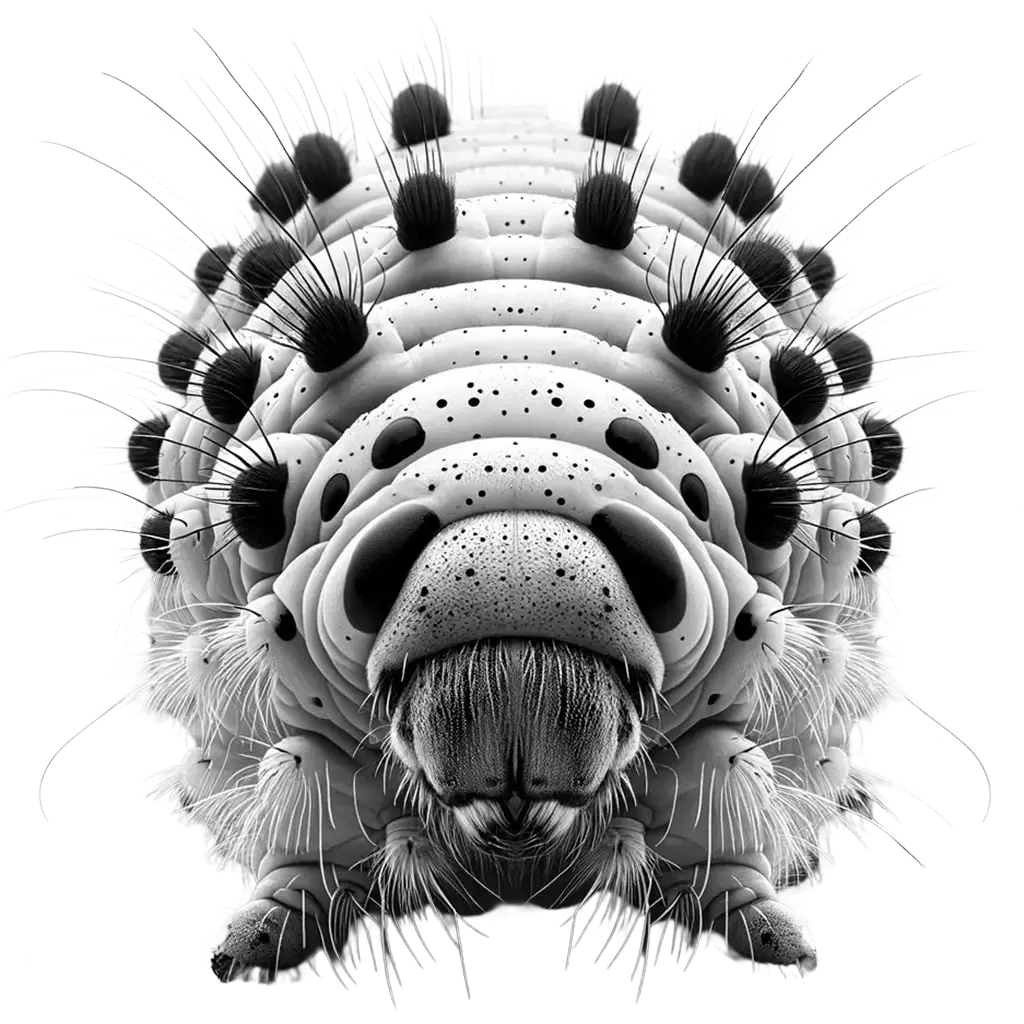
The Luna moth, actias luna, is a mesmerizing nocturnal moth known for its striking beauty and large size, with a wingspan of up to 114 mm (4.5 inches). Its pale green wings are edged with a transparent, yellowish border and adorned with eyespots to deter predators. The long, tapering hindwings
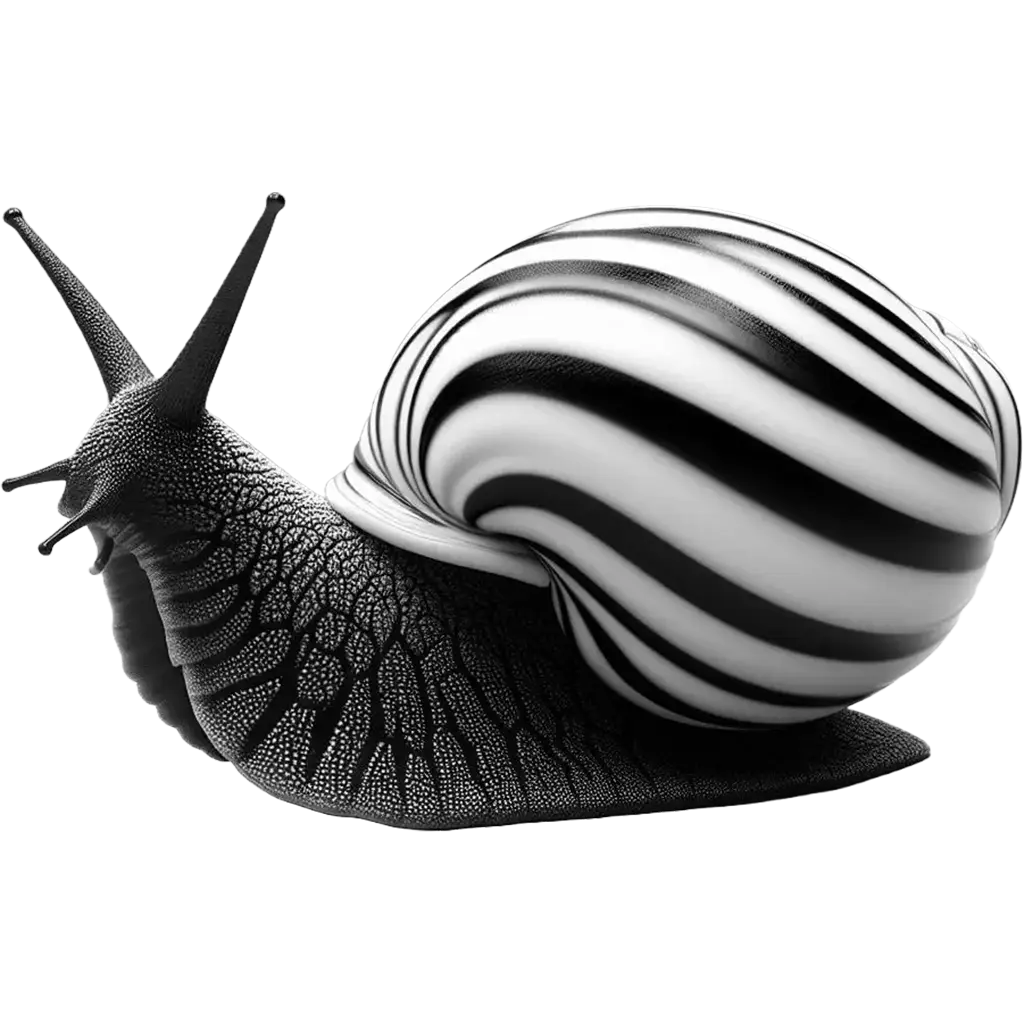
The Cowry Snail, cypraea tigris, often simply referred to as the Tiger Cowry, is a marine gastropod renowned for its highly polished, beautifully patterned shell. This species is widespread across the tropical and subtropical waters of the Indo-Pacific region, from the east coast of Africa, across the Indian Ocean, to
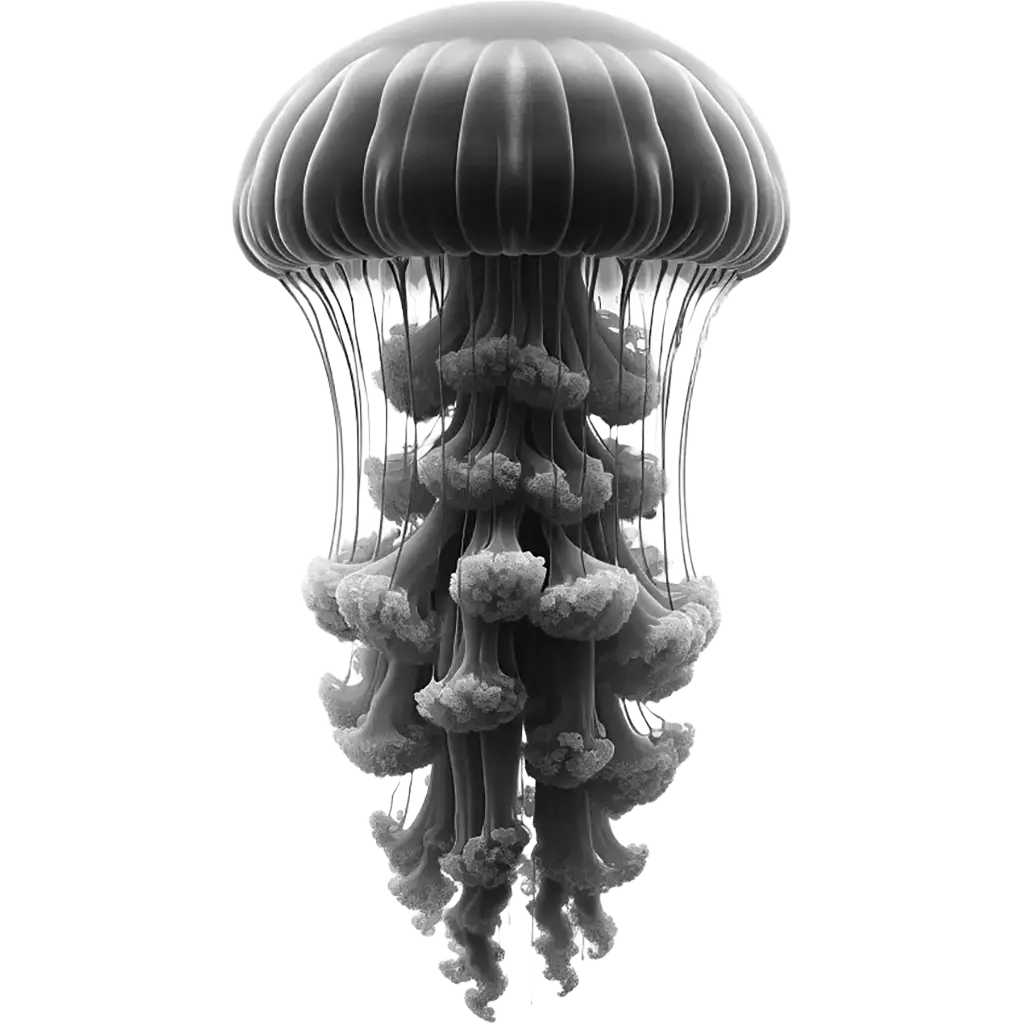
Jellyfish are fascinating marine creatures, known for their gelatinous bodies and graceful, pulsating movements through the ocean's waters. These ancient animals have roamed the seas for at least 500 million years, making them one of the oldest living organisms on the planet. Jellyfish range in size from a few millimeters