
Vespidae
Wasp
Diverse, including forests, meadows, deserts, and human-inhabited areas
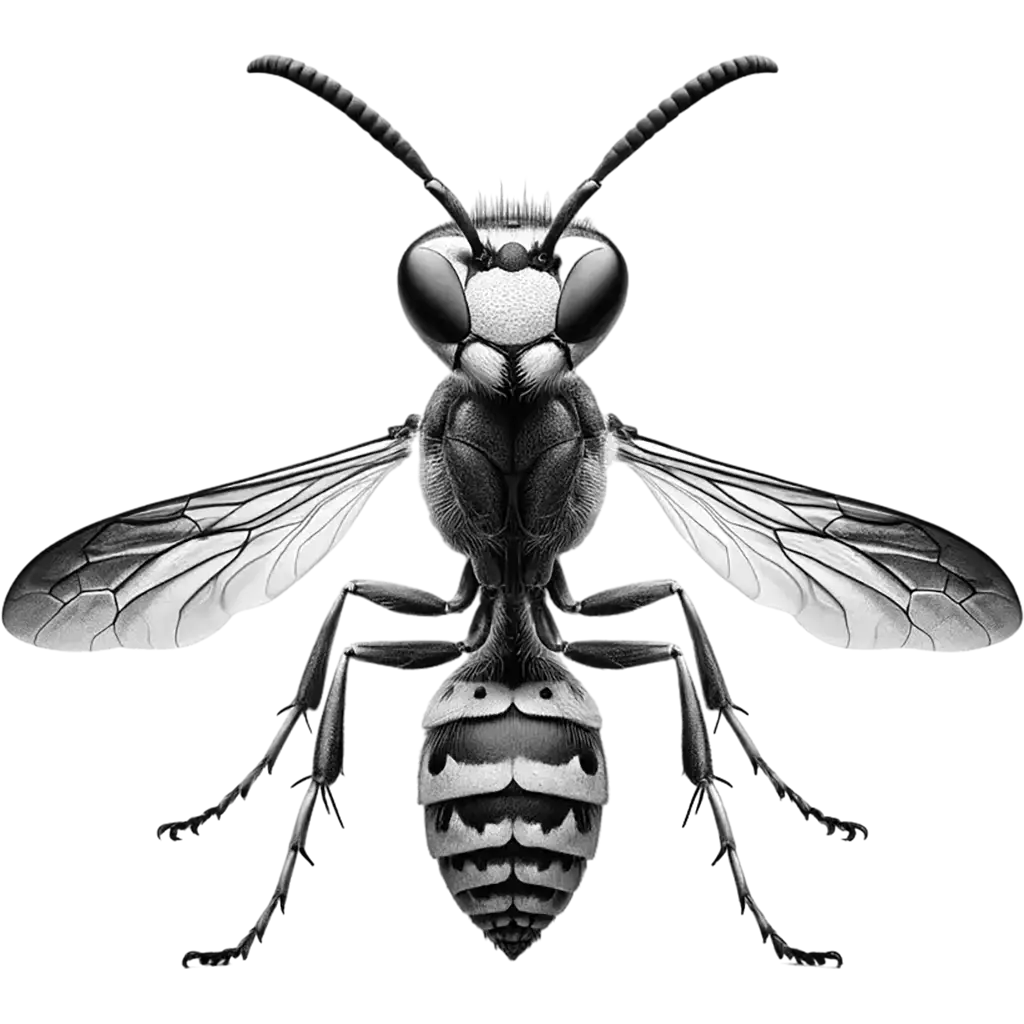
Wasps, encompassing a wide range of insects within the order Hymenoptera and suborder Apocrita, are known for their diverse sizes, colors, and behaviors. Adult Wasps typically range from about 5 to 30 mm in length, featuring slender bodies with a narrow waist connecting the thorax and abdomen, and two pairs of wings. Their coloration varies widely, including yellow and black patterns, metallic blues and greens, and solid colors, depending on the species. Wasps are equipped with a stinger, used for defense and to immobilize prey, which distinguishes them from their bee relatives.
| Population: | Widespread and abundant with numerous species worldwide |
| Generation Length: | 1 year for colony-based species; individual life spans are shorter |
| Average Weight: | Varies by species, generally very light, measured in milligrams |
| Average Length: | Varies by species, commonly 1-2 cm |
| Lifespan: | Typically several weeks to months; queens can live up to a year |
| Diet: | Ranges from strictly carnivorous to nectar-feeding, depending on the species |
| Conservation Status: | Not Evaluated (NE) |
Wasps are found worldwide, inhabiting nearly every ecosystem from tropical rainforests to arid deserts. They are incredibly diverse, with over 100,000 described species, including solitary and social varieties. Social Wasps, such as yellow jackets and hornets, live in colonies with a structured hierarchy, while solitary Wasps live and breed independently, often laying their eggs in or on other insects.
The diet of Wasps varies by species. Social Wasps primarily feed on nectar, fruits, and sap, but they will also hunt insects and arthropods to feed their larvae. Solitary Wasps usually paralyze prey with their sting to provide a fresh food source for their hatching larvae. This predatory behavior makes Wasps significant in controlling pest populations, benefiting agriculture and garden ecosystems.
Reproduction strategies in Wasps also differ between solitary and social species. In social colonies, the queen is the only female to lay eggs, while male Wasps (drones) and female workers support the colony's maintenance and defense. Solitary Wasps lay their eggs directly on or near a food source for the larvae, such as within a host insect.
The population of Wasps is considered stable across most species, though some are affected by habitat loss, pesticide use, and climate change. While often misunderstood and feared for their stings, Wasps play essential roles in pollination, natural pest control, and as indicators of environmental health. Conservation efforts focus on preserving habitats and promoting ecological balance to support Wasp populations and the broader ecosystem.
Classifications
The Key Attributes
Features
- Movement:
Flying, walking
- Territorial Behavior:
Some species are solitary, others live in colonies with complex social structures
- Speed:
Fast and agile fliers
- Diet:
Varies; some are predators, others are parasitic, and some feed on nectar
- Physical Features:
- Two pairs of wings with the hind wings smaller than the forewings
- Narrow waist connecting the thorax and abdomen
- Mandibles for feeding, some with stingers for defense and prey subduing
- Antennae for sensing the environment
- Primary Senses:
- Sight
- Smell
- Touch
Understanding Habitat and Range
Geography
- Habitat:
Diverse, including forests, meadows, deserts, and human-inhabited areas
- Migration Patterns:
Non-migratory, but can spread into new areas particularly where habitats are disturbed
- Geographical Range:
Global, found on every continent except Antarctica
- Climate Preferences:
Varies widely; some prefer temperate climates, others thrive in tropical and subtropical regions
Navigating the Wilderness
In the wild
- Predators:
Birds, other wasps, spiders, and insects
- Prey:
Insects, spiders, and other small animals for predatory species; nectar and pollen for others
- Feeding Behavior:
Varies; can include hunting other insects, scavenging, or feeding on plant nectar and sap
- Diet:
Ranges from strictly carnivorous to nectar-feeding, depending on the species
- Defensive Mechanisms:
- Stinging
- Biting
- Camouflage
- Mimicry
- Preferred Food Sources:
- Dependent on species; ranges from other insects to plant materials
Insights Into Reproduction
Mating
- Mating System:
Varies, from solitary breeders to complex eusocial systems with queens and workers
- Number of Offspring:
Varies widely; solitary wasps lay fewer eggs, while social species may have hundreds to thousands in a colony
- Incubation Period:
Days to weeks, depending on species and environmental conditions
- Parental Involvement:
- Varies; from no parental care in some solitary species to intensive care in social species
Youngsters Section
Wasp
Fun Fact
Wasps are crucial to ecosystems as they control pest populations by preying on insects.
Their social structure is fascinating, with a queen leading colonies. Wasps can sting multiple times, unlike bees. They also pollinate plants, though not as effectively as bees, contributing to biodiversity. Their nests are built from chewed wood fibers, forming a paper-like material.

Download word search puzzles
Word Search Puzzles
Check Out Other Invertebrates
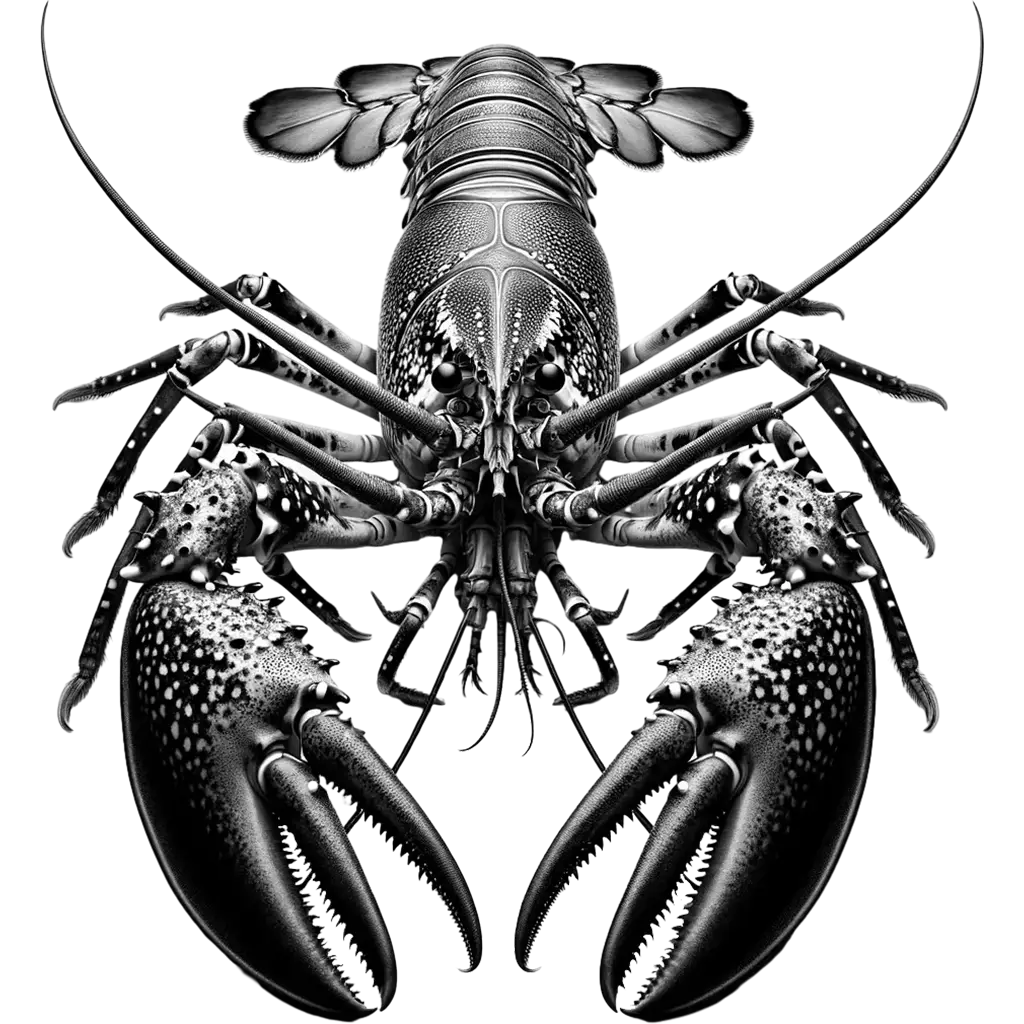
The American Lobster, homarus americanus, is a large marine crustacean found along the Atlantic coast of North America, from Labrador to New Jersey. It is distinguished by its heavy, segmented body covered in a hard exoskeleton, two large claws (one larger and one smaller, specialized for crushing and cutting), and
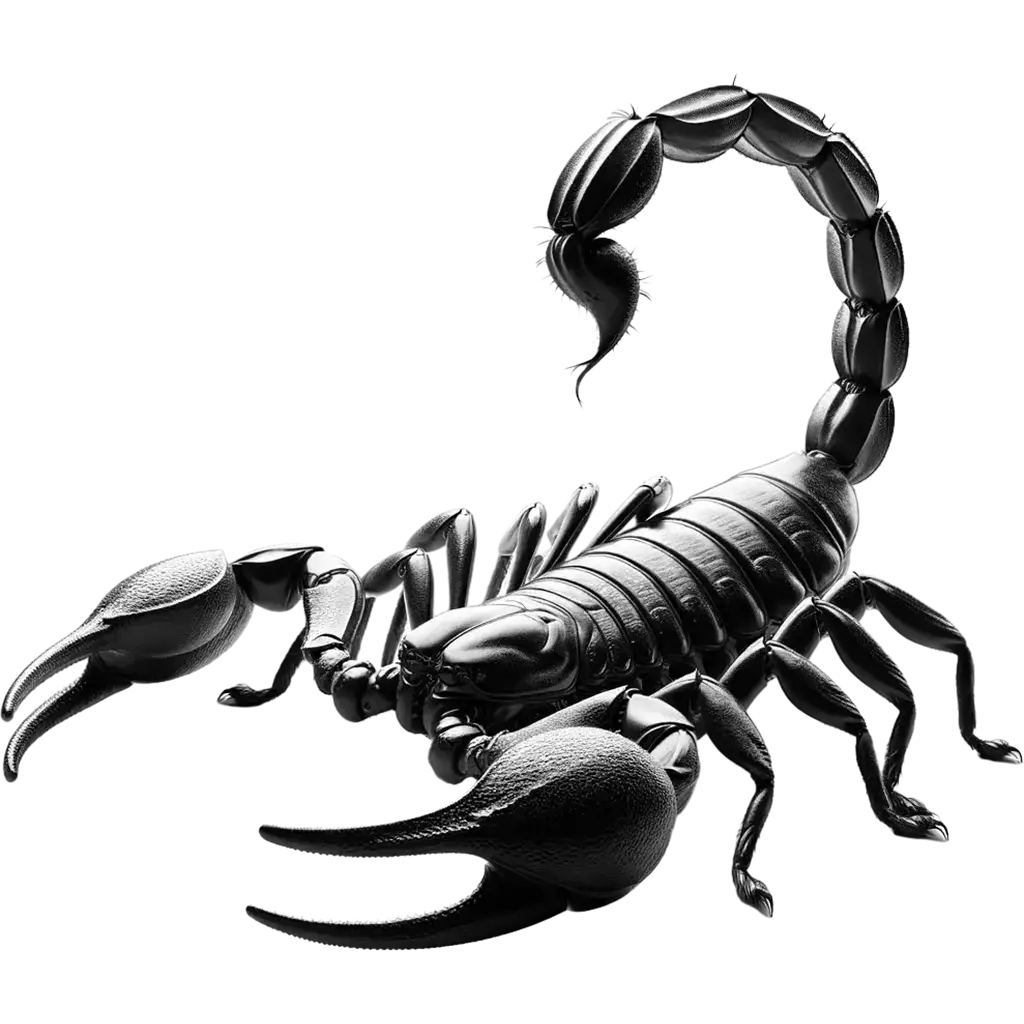
Large Clawed Scorpions, scorpio maurus, belonging to the class Arachnida and order Scorpiones, are predatory arachnids known for their segmented tail tipped with a venomous stinger, along with a pair of grasping pincers. They range in size from about 9 mm to over 20 cm. Scorpions are characterized by a
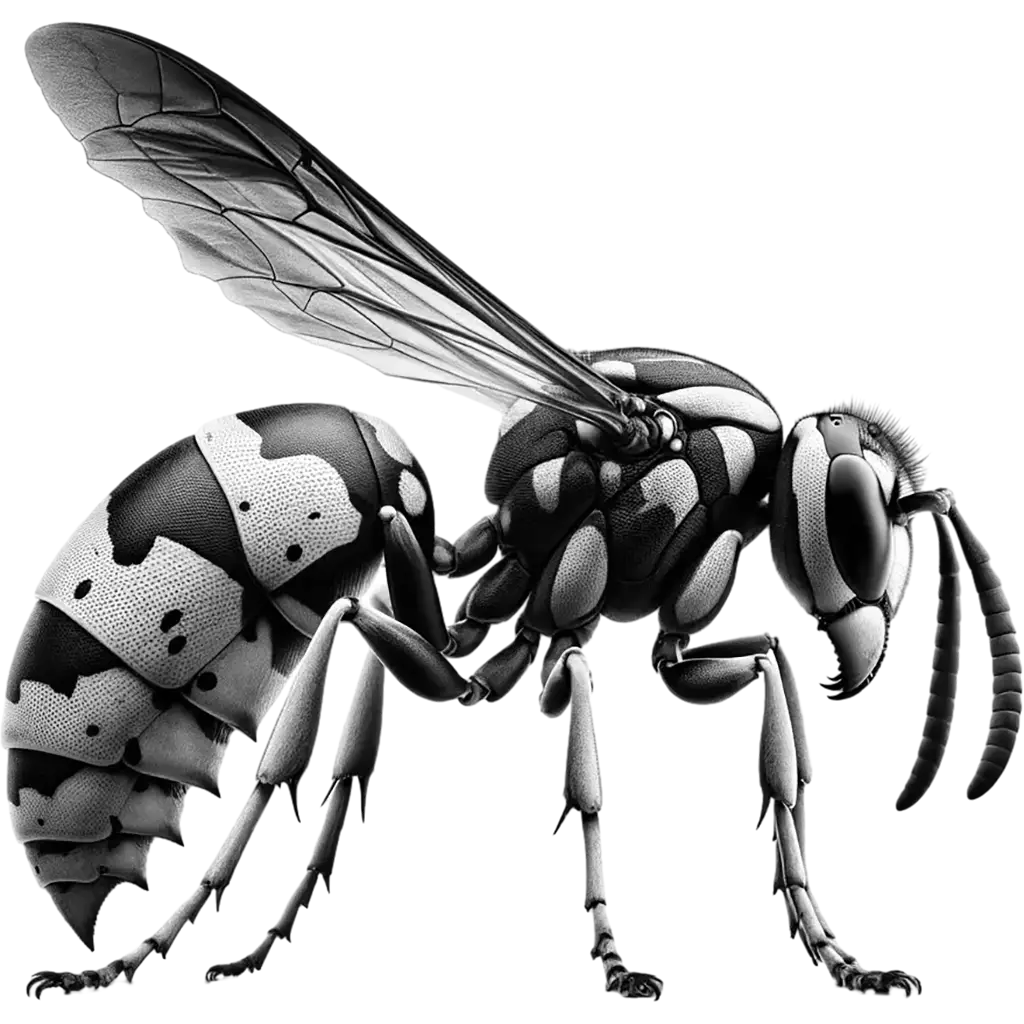
The term Yellowjacket refers to several species of the genus Dolichovespula and Vespula, known for their distinctive yellow and black body markings. These social insects are medium-sized wasps, with workers typically measuring 10 to 16 mm in length. They possess a slender body with a narrow waist, two pairs of
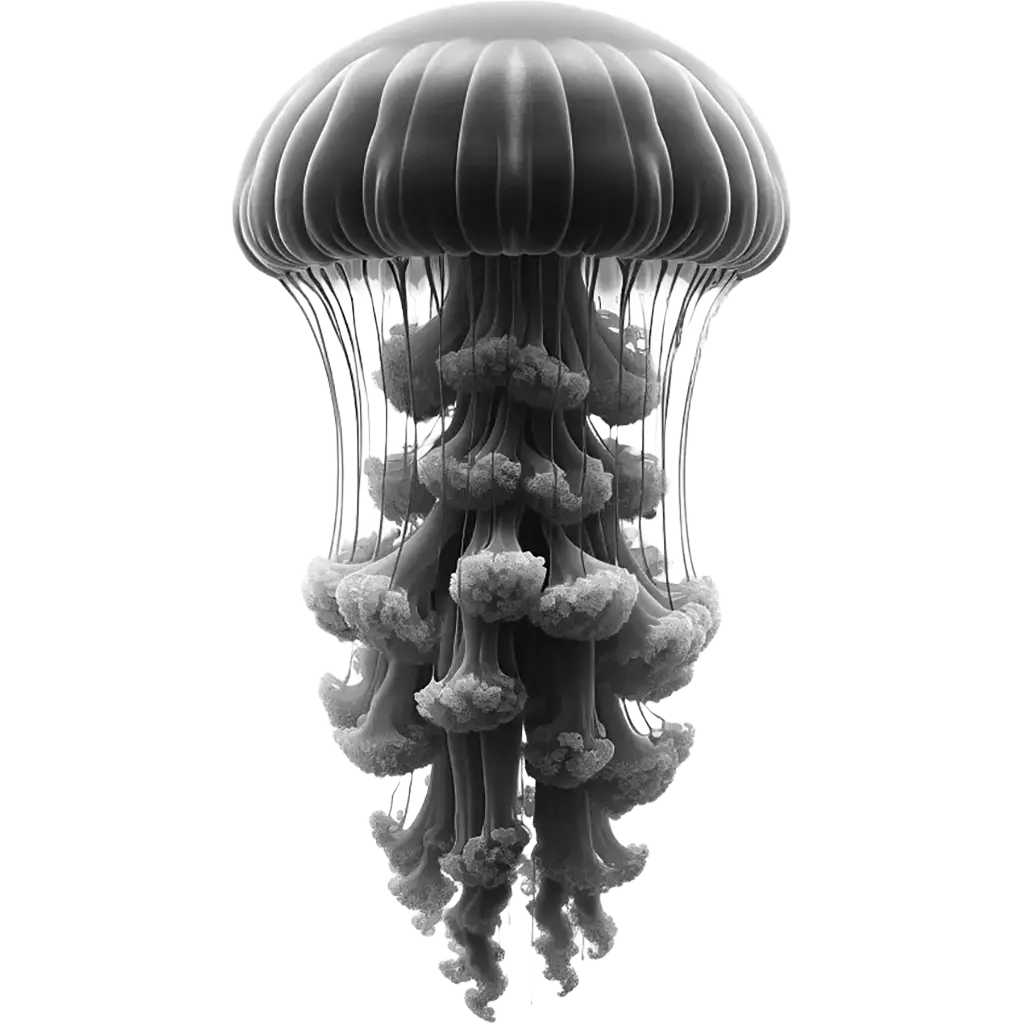
Jellyfish are fascinating marine creatures, known for their gelatinous bodies and graceful, pulsating movements through the ocean's waters. These ancient animals have roamed the seas for at least 500 million years, making them one of the oldest living organisms on the planet. Jellyfish range in size from a few millimeters