
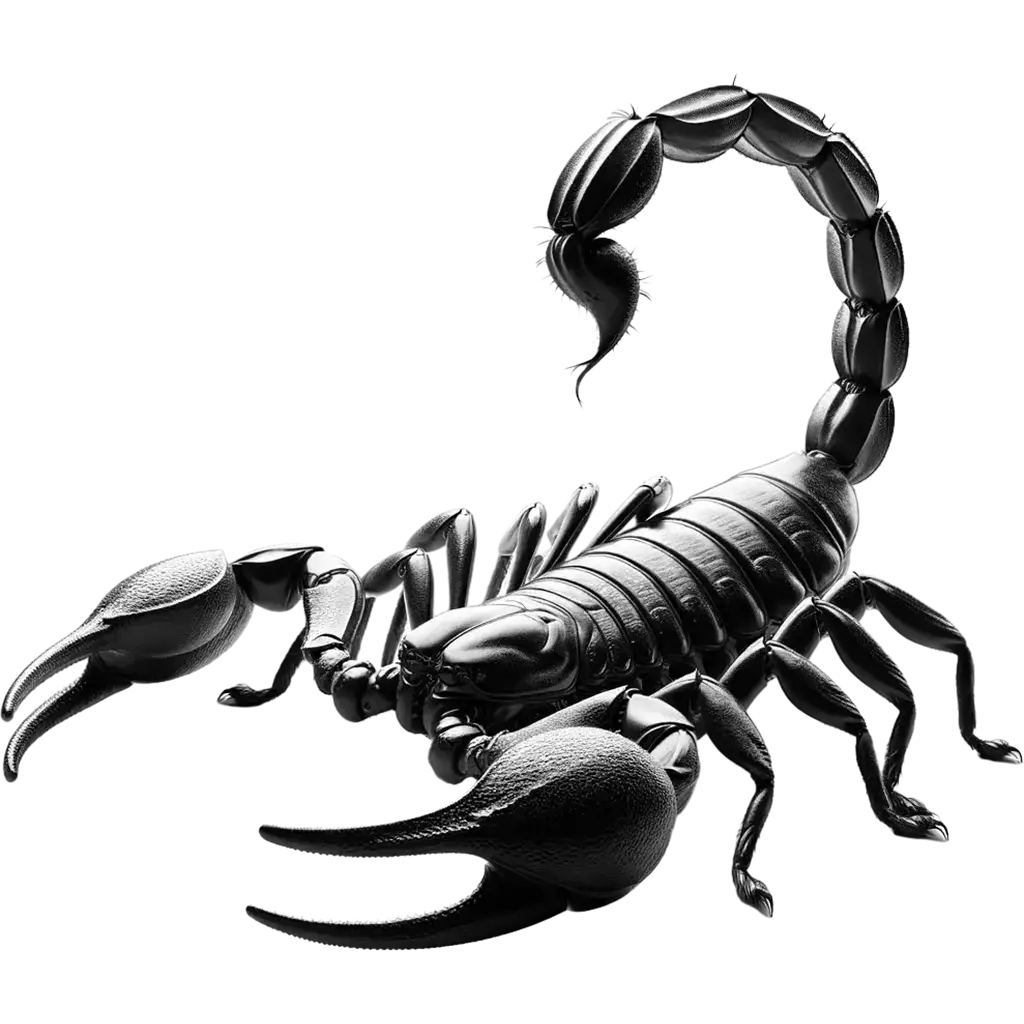
Scorpio Maurus
Large Clawed Scorpion
Diverse, including deserts, grasslands, forests, and caves
Large Clawed Scorpions, scorpio maurus, belonging to the class Arachnida and order Scorpiones, are predatory arachnids known for their segmented tail tipped with a venomous stinger, along with a pair of grasping pincers. They range in size from about 9 mm to over 20 cm. Scorpions are characterized by a tough exoskeleton that can vary in color from yellow, blue, black, or brown, aiding in camouflage with their natural environment. The body of a Scorpion is divided into two parts: the cephalothorax, which includes the head and midsection, and the abdomen, which is segmented and extends into the tail.
| Population: | Widespread with numerous species globally |
| Generation Length: | 2-3 years |
| Average Weight: | Varies significantly among species, generally a few grams |
| Average Length: | 2-20 cm, depending on the species |
| Lifespan: | 2-6 years, some species live longer |
| Diet: | Primarily insectivorous or carnivorous, depending on available prey |
| Conservation Status: | Not Evaluated (NE) |
Scorpions are found on all continents except Antarctica, inhabiting diverse environments including deserts, forests, grasslands, and caves. They are primarily nocturnal creatures, using the cover of night to hunt and avoid the heat of the day. Their ability to adapt to extreme conditions is remarkable, with some species thriving in the hottest deserts while others can live in sub-zero temperatures.
Their diet mainly consists of insects, spiders, and sometimes small mammals and reptiles, which they immobilize with a sting from their tail before consuming. Scorpions are equipped with venom that varies in potency, used both for defense and to subdue prey. This venom is delivered through a stinger located at the end of their tail, which is arched over the body when in a defensive posture.
Reproduction in Scorpions involves a complex mating dance, followed by the female carrying the fertilized eggs internally. Scorpions are viviparous, giving birth to live young, which climb onto the mother's back where they remain until their first molt. This maternal care is unique among arachnids and ensures a higher survival rate for the offspring.
The population of Scorpions is considered stable across most species, though habitat destruction and climate change pose potential threats. Despite their fearsome reputation, Scorpions play a vital role in controlling insect populations, contributing to the ecological balance of their habitats. While most Scorpions are harmless to humans, a few species possess venom potent enough to require medical attention if stung.
Classifications
The Key Attributes
Features
- Movement:
Crawling
- Territorial Behavior:
Solitary, with territorial instincts
- Speed:
Varies, generally quick over short distances
- Diet:
Carnivore
- Physical Features:
- Two pincers (pedipalps) for grasping prey
- Segmented tail with a venomous stinger at the tip
- Exoskeleton made of chitin
- Eight legs and a pair of sensory pectines under the abdomen
- Primary Senses:
- Vibration sensitivity
- Chemical detection
Understanding Habitat and Range
Geography
- Habitat:
Diverse, including deserts, grasslands, forests, and caves
- Migration Patterns:
Non-migratory, but can disperse locally
- Geographical Range:
Global, with highest diversity in desert and tropical regions
- Climate Preferences:
Varies widely, from arid deserts to tropical rainforests
Navigating the Wilderness
In the wild
- Predators:
Birds, rodents, larger mammals, and other scorpions
- Prey:
Insects, arachnids, and occasionally small vertebrates like lizards and rodents
- Feeding Behavior:
Nocturnal predators, feeding on insects, spiders, and small vertebrates
- Diet:
Primarily insectivorous or carnivorous, depending on available prey
- Defensive Mechanisms:
- Venomous sting for defense and subduing prey
- Camouflage and burrowing to evade predators
- Preferred Food Sources:
- Environments rich in insect and small animal populations
Insights Into Reproduction
Mating
- Mating System:
Varies by species, with some exhibiting complex courtship rituals
- Number of Offspring:
Range from a few to over a hundred young depending on the species
- Gestation Period:
Varies widely, from several months to over a year in some species
- Parental Involvement:
- Females often care for the young, carrying them on their backs until first molt
Youngsters Section
Large Clawed Scorpion
Fun Fact
The Large Clawed Scorpion is notable for its powerful pincers, which it uses to capture prey.
These scorpions are native to North Africa and the Middle East, thriving in arid environments. Despite their intimidating appearance, their venom is not lethal to humans. They use their pincers more often than their sting to subdue prey, making them unique among scorpions. Their burrowing behavior provides them with protection from predators and extreme temperatures.

Download word search puzzles
Word Search Puzzles
Check Out Other Invertebrates
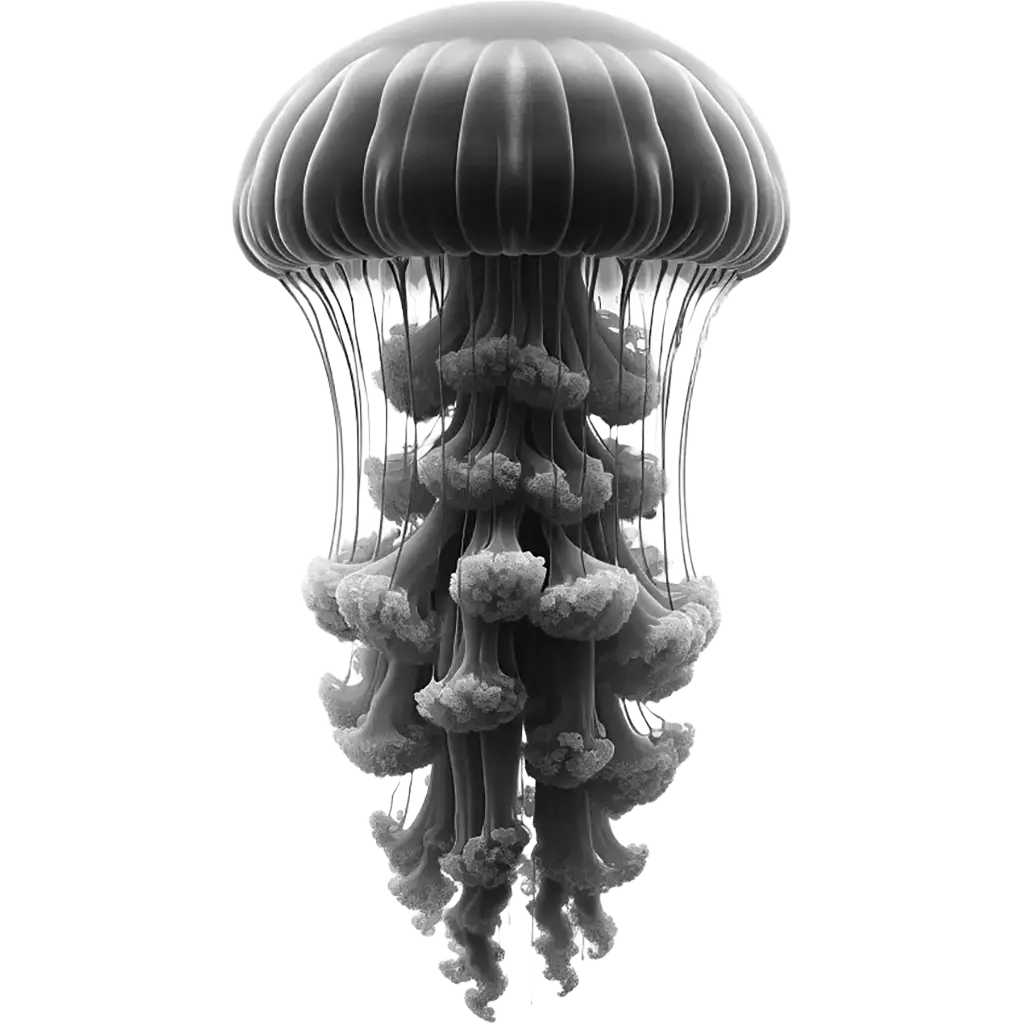
Jellyfish are fascinating marine creatures, known for their gelatinous bodies and graceful, pulsating movements through the ocean's waters. These ancient animals have roamed the seas for at least 500 million years, making them one of the oldest living organisms on the planet. Jellyfish range in size from a few millimeters
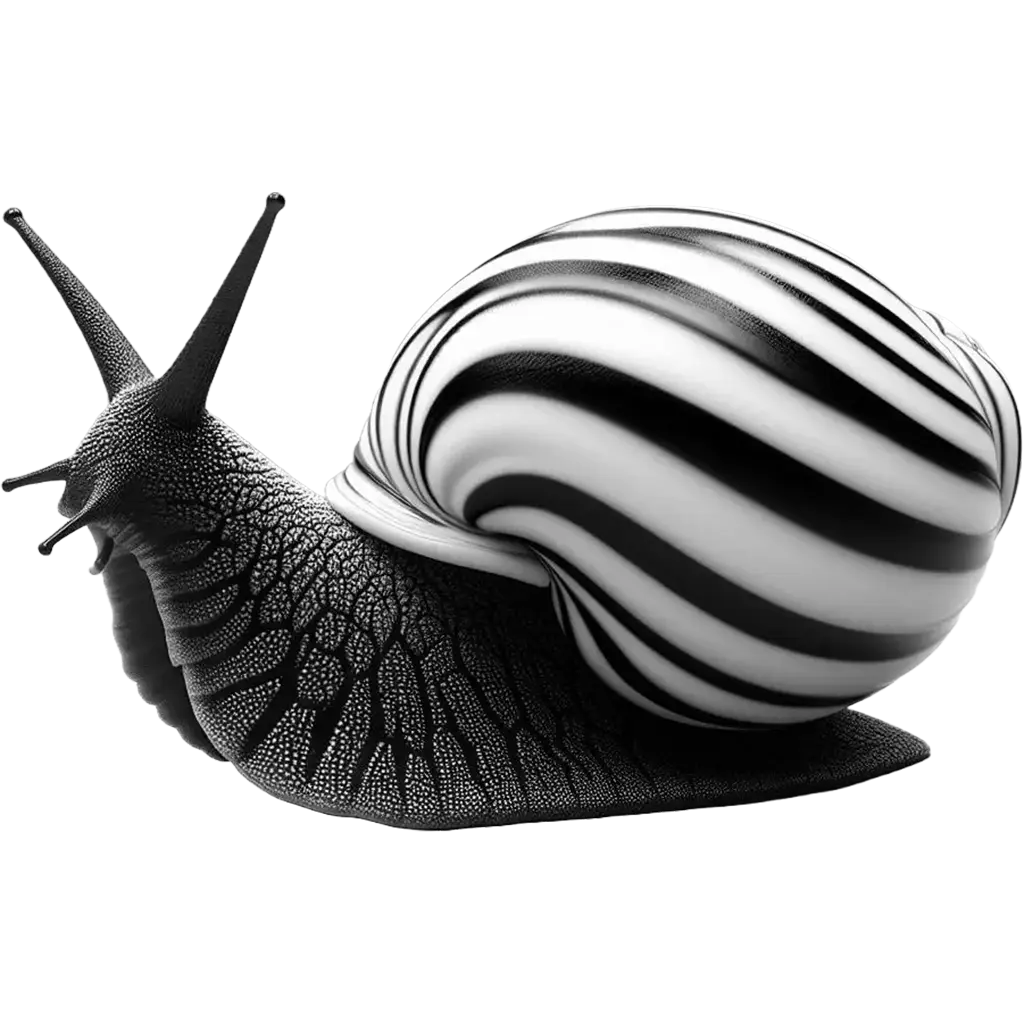
The Cowry Snail, cypraea tigris, often simply referred to as the Tiger Cowry, is a marine gastropod renowned for its highly polished, beautifully patterned shell. This species is widespread across the tropical and subtropical waters of the Indo-Pacific region, from the east coast of Africa, across the Indian Ocean, to
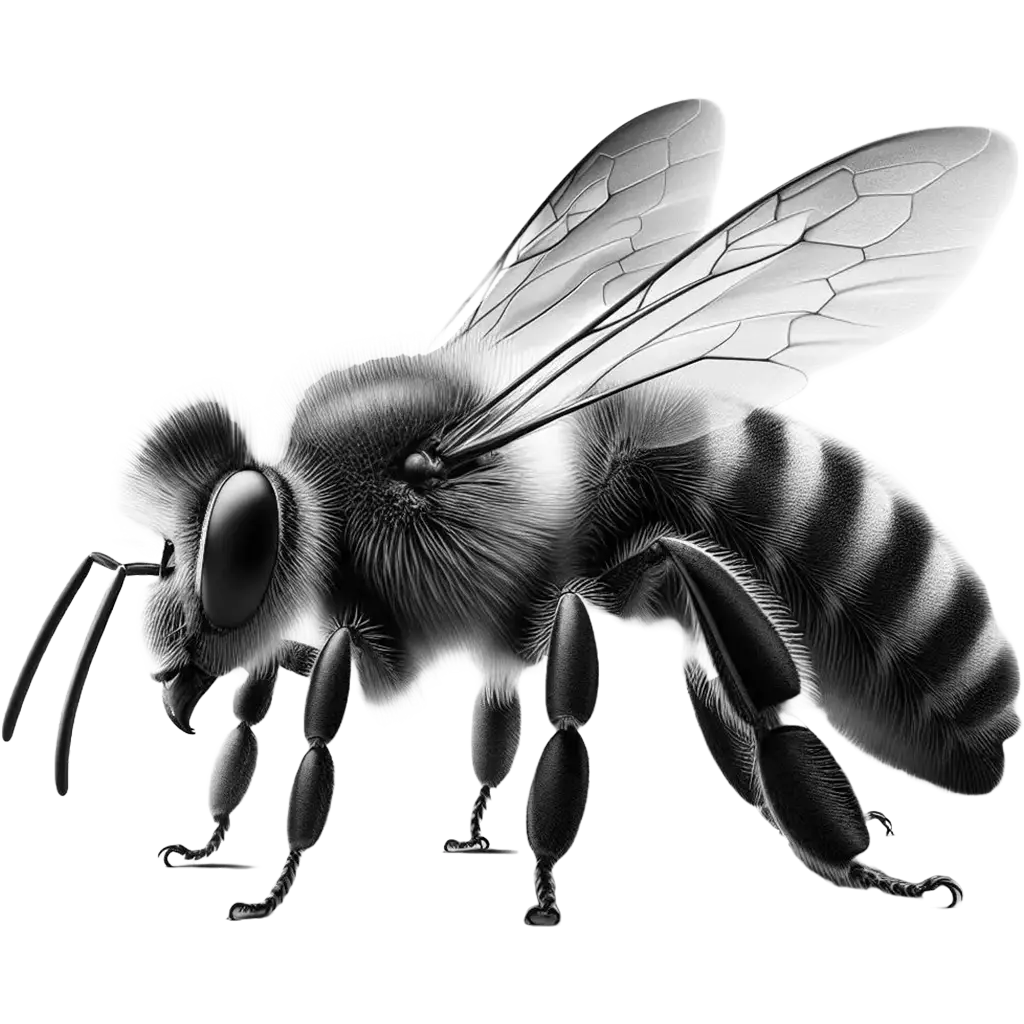
The Western Honey Bee, apis mellifera, is a pivotal species within ecosystems and agriculture due to its role as a pollinator. These bees are characterized by their golden-brown and black body, with bands of orange and brown hairs that vary in color intensity among individuals and subspecies. Workers, which are
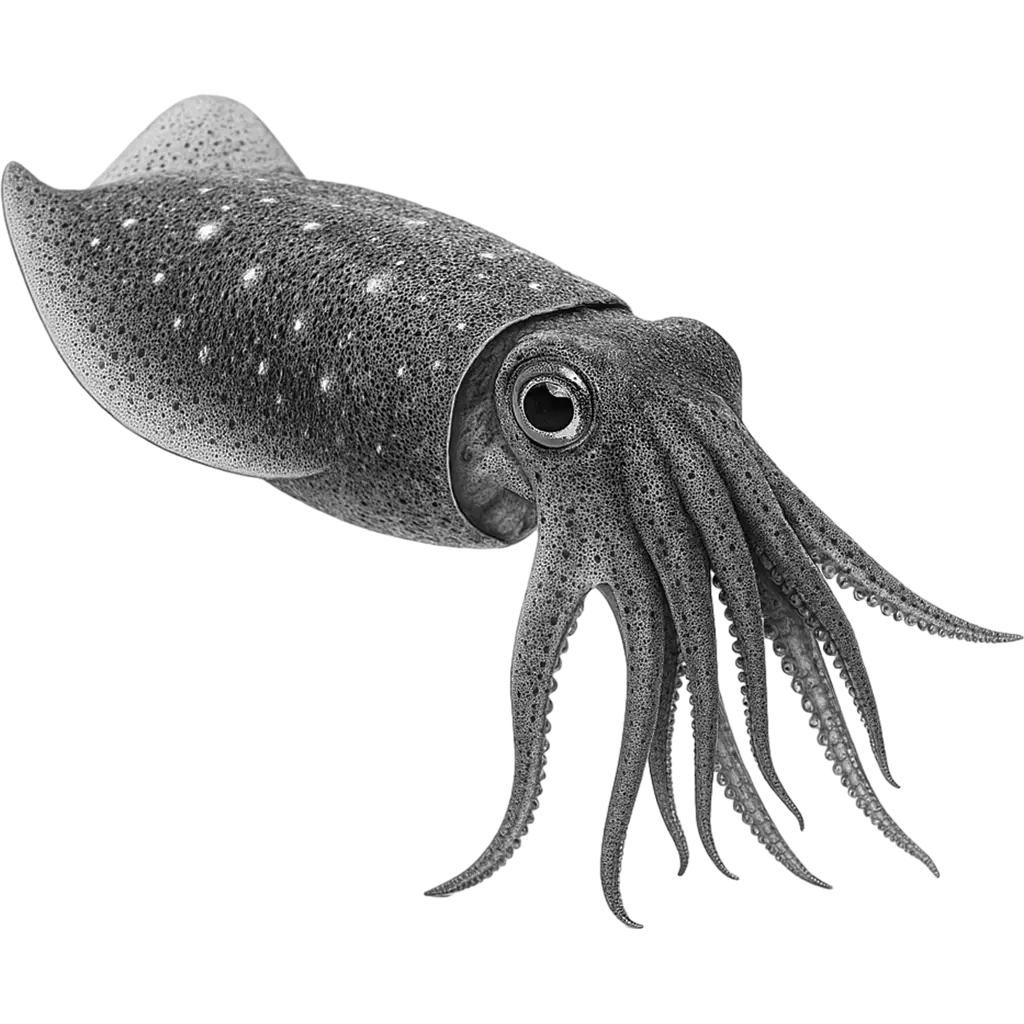
The Caribbean Reef Squid exhibits a sleek, elongated body with a soft mantle that shimmers in silvery hues and iridescent blues. Its large eyes and a crown of retractable tentacles, each lined with tiny suckers, give it an otherworldly appearance. The flexible skin rapidly changes color, enabling it to blend