
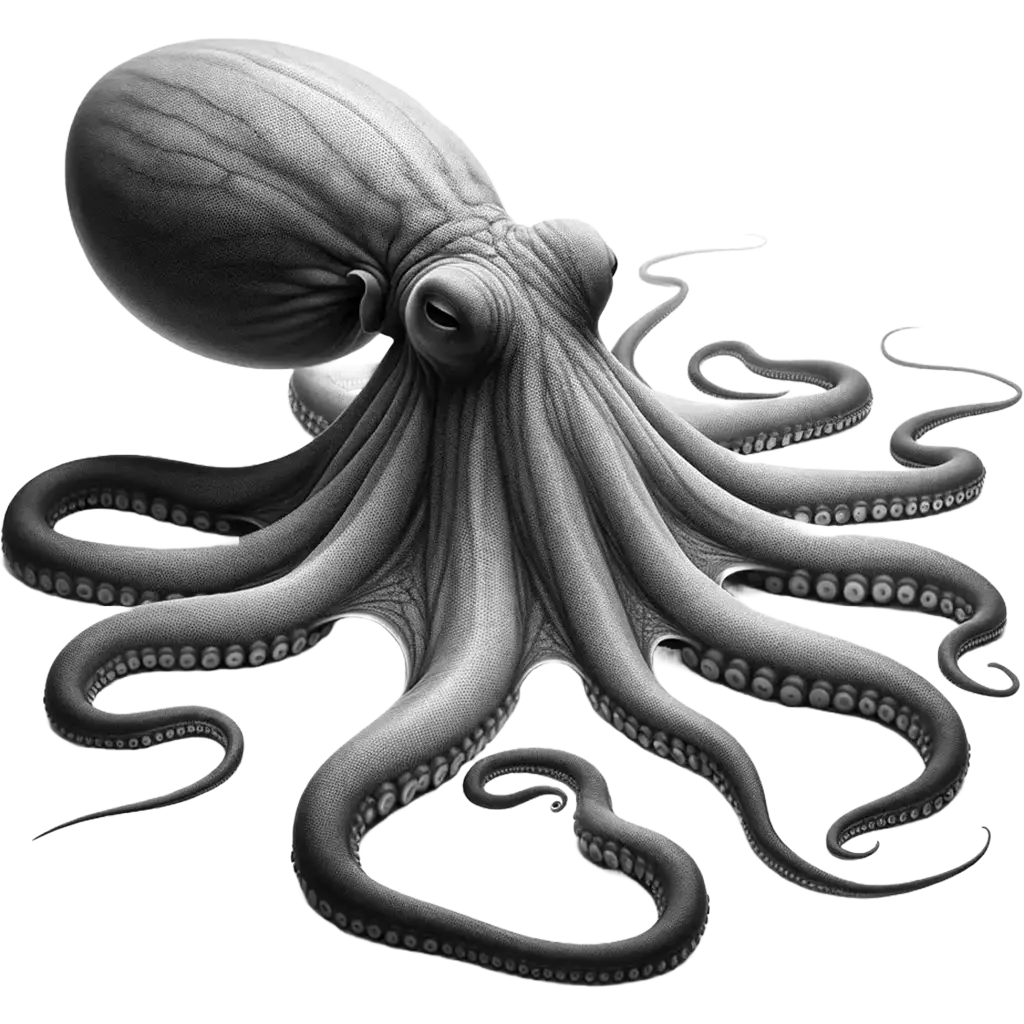
Eledone Moschata
Musky Octopus
Muddy and sandy bottoms in coastal waters, often near seagrass beds
The Musky Octopus, eledone moschata, is a lesser-known species of octopus residing in the Mediterranean Sea and parts of the adjacent Atlantic Ocean. Characterized by its relatively small size, with a total length reaching up to 50 cm, including its arms, this species is distinguished by its single row of suckers on each arm and a smooth, soft body. The Musky Octopus is named for the distinctive musky odor it emits, a unique feature among cephalopods. Its coloration varies from reddish-brown to a more subdued beige, allowing it to blend seamlessly with the seafloor.
| Population: | Not well documented; considered not endangered but may be affected by fishing practices and habitat changes |
| Generation Length: | 1 year |
| Average Weight: | Up to 1 kg |
| Average Length: | Up to 20 cm, with arms extending up to 80 cm |
| Lifespan: | 1-2 years |
| Diet: | Primarily feeds on crustaceans and small marine organisms |
| Conservation Status: | Least Concern (LC) |
Preferring sandy and muddy bottoms, the Musky Octopus is found at depths ranging from shallow waters to about 200 meters. It is a nocturnal predator, spending the day hidden under rocks or buried in the substrate, emerging at night to hunt. Its diet primarily consists of small fish, crustaceans, and mollusks, captured using its arms and the element of surprise.
The reproductive habits of the Musky Octopus involve the female laying a clutch of eggs in a secure, hidden location. She guards and cares for the eggs until they hatch, foregoing food during this period. This dedication ensures a high survival rate for the offspring, albeit at the cost of the mother's life, as she often dies shortly after the eggs hatch.
Despite its elusive nature, the Musky Octopus plays a significant role in the marine food web, both as a predator and prey for larger marine species. Its behavior and life cycle are indicative of the complex dynamics that govern marine ecosystems.
The population status of the Musky Octopus is not well-documented, due to its cryptic nature and the challenges of deep-sea research. However, it is subject to the same threats facing many marine species, including habitat degradation, pollution, and the impacts of climate change. Conservation efforts focusing on marine protection and sustainable fishing practices are crucial to ensuring the longevity of this and other marine species, maintaining the biodiversity and health of oceanic ecosystems.
Classifications
The Key Attributes
Features
- Movement:
Crawling, swimming
- Territorial Behavior:
Solitary, with a defined home range
- Speed:
Capable of quick bursts of speed using jet propulsion
- Diet:
Carnivore
- Physical Features:
- Single row of suckers on each arm
- Rounded body with a relatively small mantle
- Ability to change skin color and texture for camouflage and communication
- Beak-like mouth for feeding on prey
- Primary Senses:
- Sight
- Touch
- Chemical sensing
Understanding Habitat and Range
Geography
- Habitat:
Muddy and sandy bottoms in coastal waters, often near seagrass beds
- Migration Patterns:
Non-migratory, but may move locally in search of food
- Geographical Range:
Mediterranean Sea and eastern Atlantic Ocean
- Climate Preferences:
Prefers temperate marine environments
Navigating the Wilderness
In the wild
- Predators:
Larger fish, marine mammals, and seabirds
- Prey:
Crustaceans, small fish, mollusks
- Feeding Behavior:
Hunts at night, preying on crustaceans, small fish, and other mollusks
- Diet:
Primarily feeds on crustaceans and small marine organisms
- Defensive Mechanisms:
- Camouflage and ability to change color
- Ejecting ink to escape predators
- Hiding in crevices and under rocks
- Preferred Food Sources:
- Coastal areas rich in small prey like crabs, shrimp, and bivalves
Insights Into Reproduction
Mating
- Mating System:
Polygynous
- Number of Offspring:
Lays hundreds of eggs in clusters
- Gestation Period:
Eggs are laid several weeks after mating and hatch in about 1-2 months
- Incubation Period:
30-60 days
- Parental Involvement:
- Females guard the eggs until they hatch, then die shortly after
Youngsters Section
Musky Octopus
Fun Fact
The musky octopus is known for its distinctive musky scent, which is unique among octopuses.
This intriguing aroma is released from specialized glands and is believed to serve as a deterrent to predators. The musky octopus is found in the Mediterranean Sea and parts of the Atlantic Ocean. Its scent is often likened to that of sandalwood or musk, which can be quite strong when the octopus is disturbed or threatened.

Download word search puzzles
Word Search Puzzles


Check Out Other Invertebrates
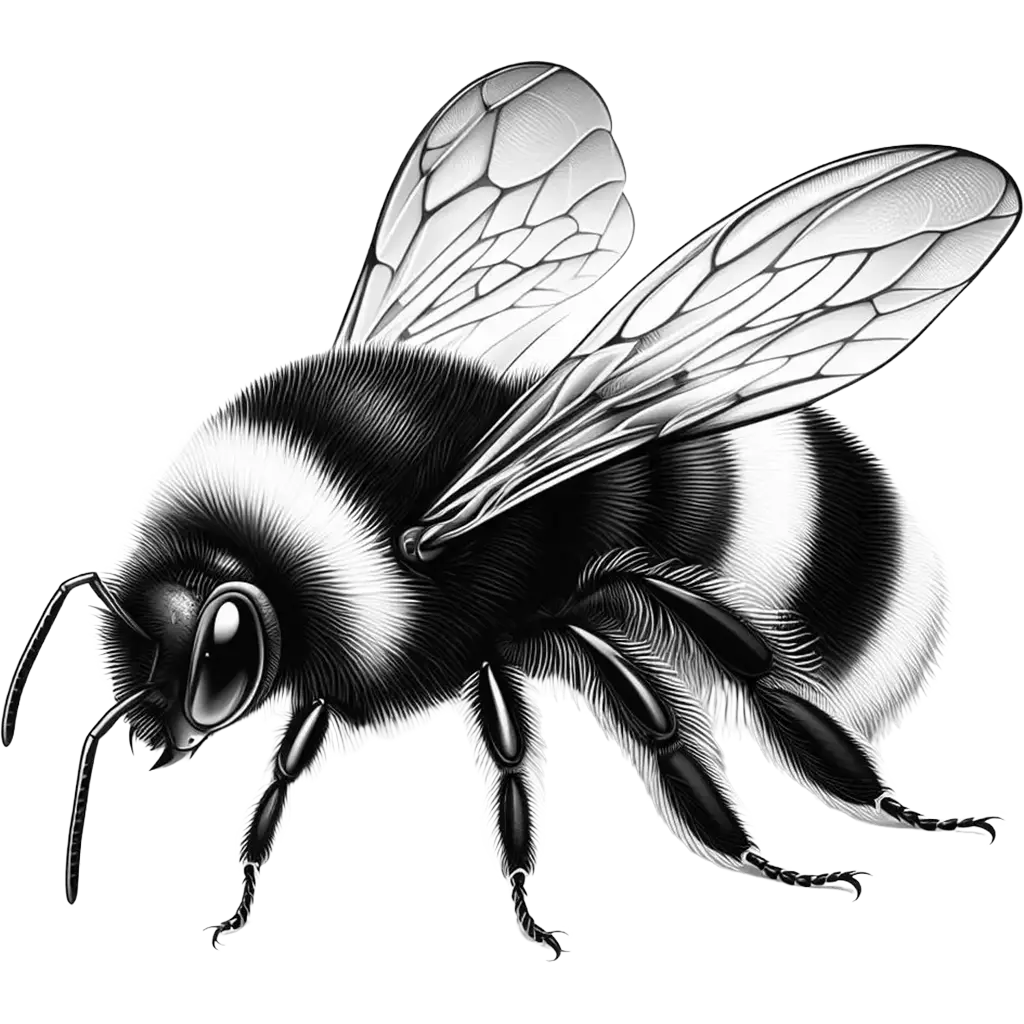
The Early Bumblebee, bombus pratorum, is a small but vibrant species of bumblebee commonly found across Europe and parts of Asia. Recognizable by its distinctive yellow and black banding and a bright orange tail, this species plays a crucial role in pollinating a wide variety of plants during the spring
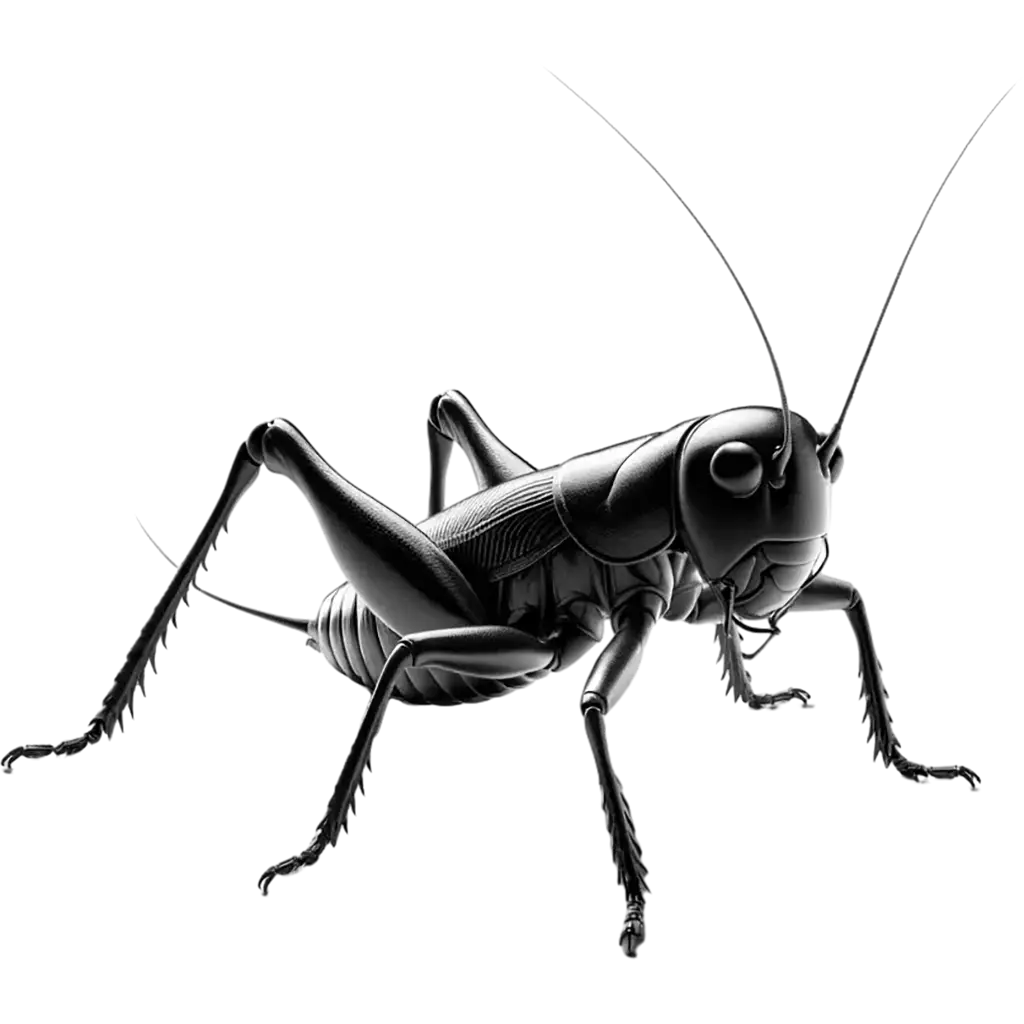
The Field Cricket, gryllus campestris, is a common species of cricket found across Europe and parts of Asia, known for the distinctive chirping sounds males produce to attract females. Adults typically measure between 1.5 to 2.5 cm in length, with a dark, velvety black body that helps them absorb heat
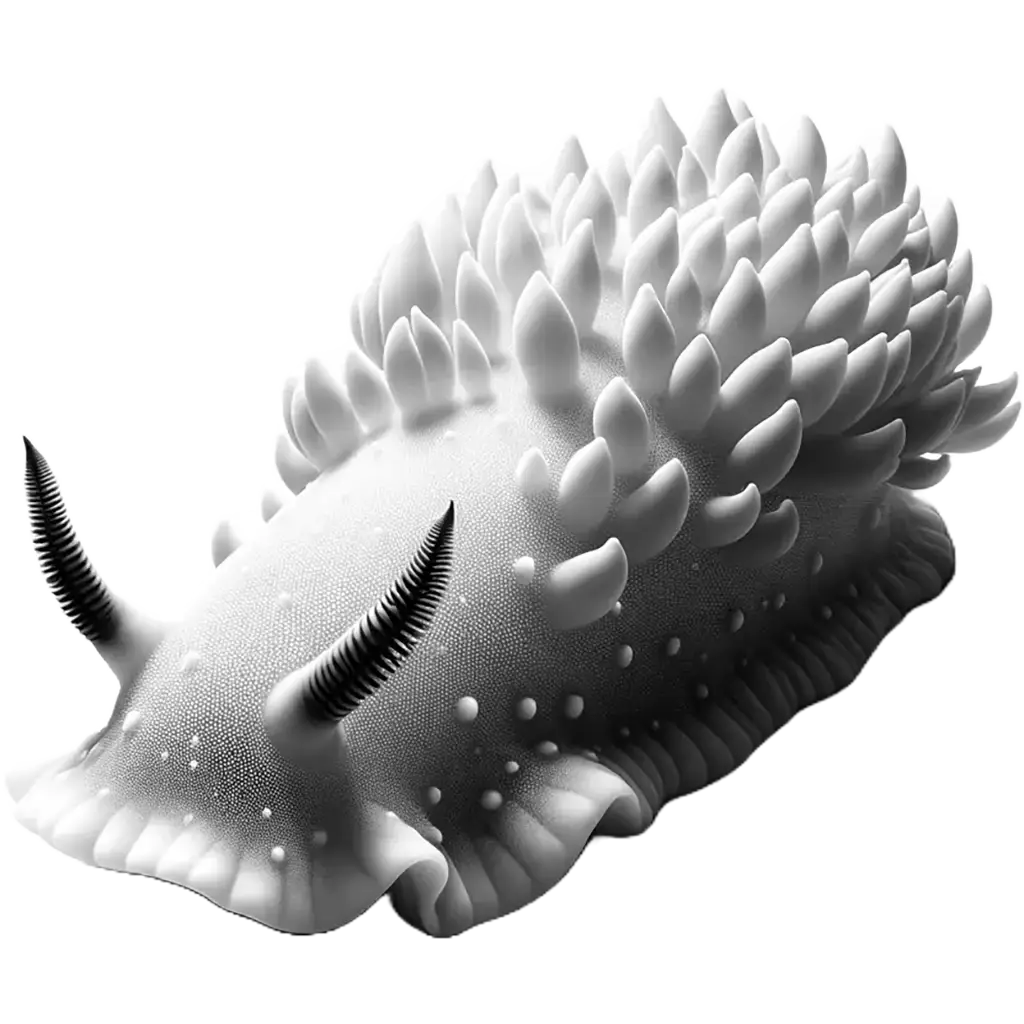
Slim Aesop, facelina auriculata, is a species of nudibranch, a group of soft-bodied, marine gastropod mollusks known for their extraordinary colors and striking forms. This particular species is characterized by its slender, transparent body, which can reach up to 40 mm in length, allowing for the visibility of its internal
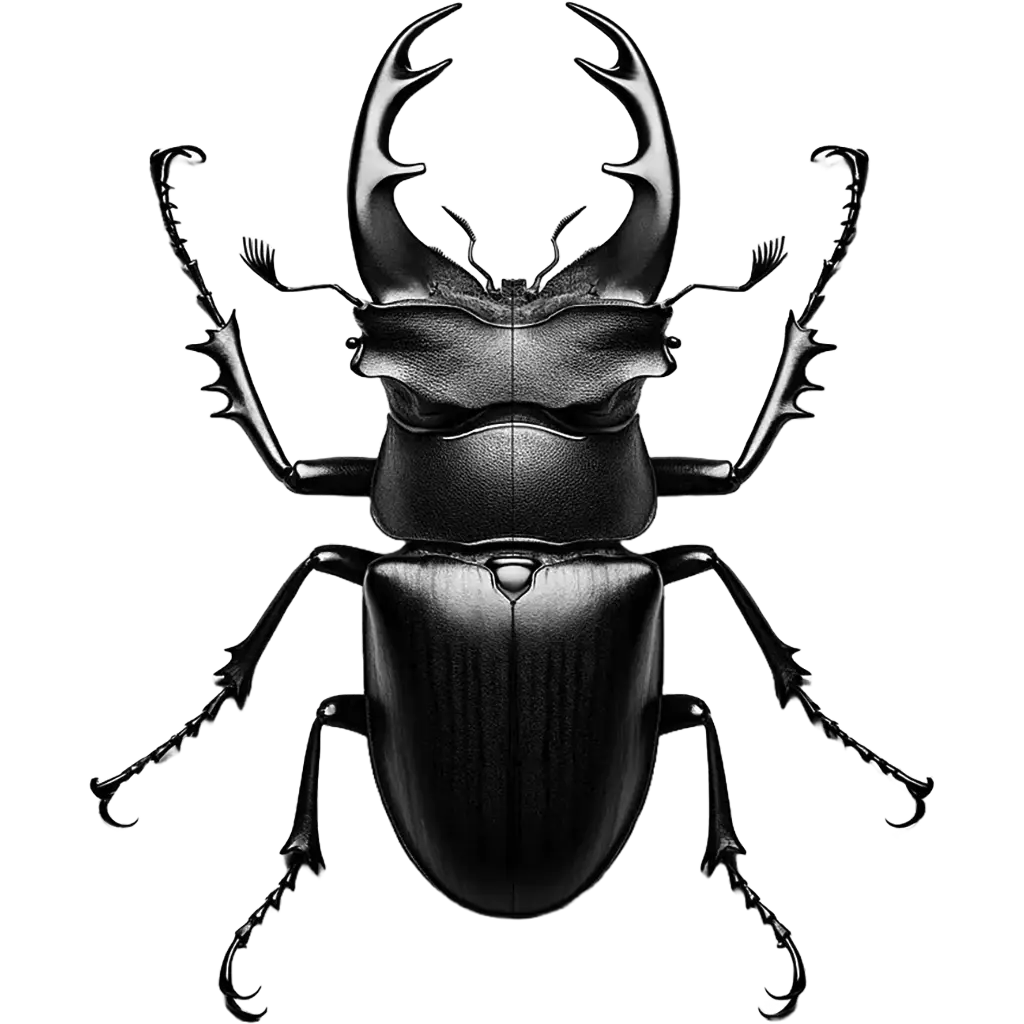
The Aegus Beetle, aegus laevicollis, a genus of stag beetles, belonging to the family Lucanidae, is one of the most recognizable and spectacular of beetles, known for the impressive, oversized mandibles of the males, which resemble the antlers of a stag, hence their name. These mandibles are used in combat