
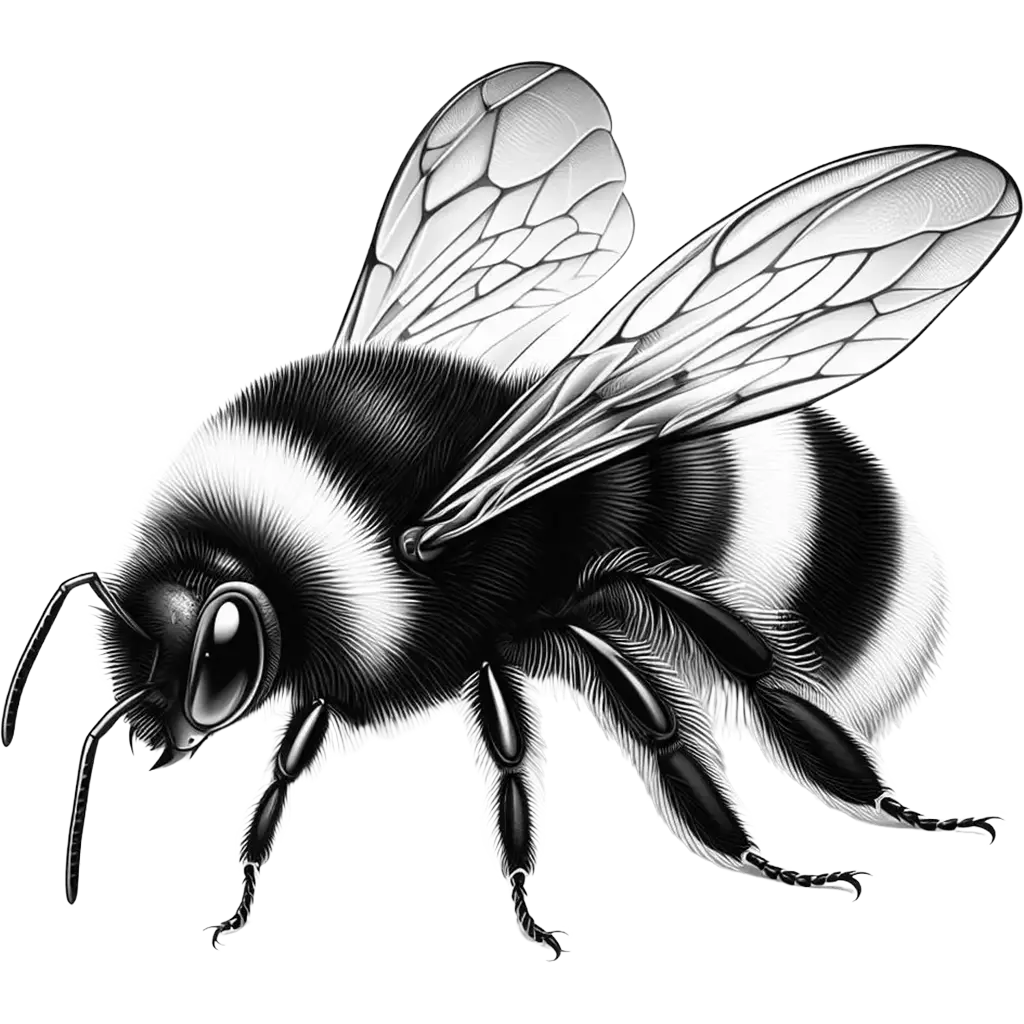
Bombus Pratorum
Early Bumblebee
Meadows, gardens, woodlands, and other areas with flowering plants
The Early Bumblebee, bombus pratorum, is a small but vibrant species of bumblebee commonly found across Europe and parts of Asia. Recognizable by its distinctive yellow and black banding and a bright orange tail, this species plays a crucial role in pollinating a wide variety of plants during the spring and early summer months. Adult workers typically measure between 9 to 14 millimeters in length, with queens being larger, up to 17 millimeters long. Males, which appear later in the season, can be identified by their slightly smaller size and more extensive yellow markings.
| Population: | Common and widespread, though specific population trends are not well-documented |
| Generation Length: | 1 year (annual colony cycle) |
| Average Weight: | Not typically measured due to small size |
| Average Length: | Workers: 10-14 mm, Queens: 15-17 mm, Males: 14-16 mm |
| Lifespan: | The colony cycle lasts for about one year; individual workers live for a few weeks, queens can live up to one year |
| Diet: | Nectar and pollen from a variety of flowers |
| Conservation Status: | Least Concern (LC) |
Preferring a variety of habitats that provide ample foraging opportunities, including gardens, meadows, and woodlands, the Early Bumblebee is known for its adaptability. It is among the first bumblebee species to emerge in the spring, hence its common name. The species is crucial for the pollination of early-flowering plants, including fruit trees and wildflowers, contributing significantly to the biodiversity and health of ecosystems.
The diet of Bombus pratorum primarily consists of nectar and pollen collected from a broad range of flowers. Their short proboscis makes them particularly adept at feeding on and pollinating flowers with open or shallow structures. Despite this, they exhibit remarkable flexibility in accessing deeper nectar sources by 'nectar robbing,' where they bite a hole in the base of a flower to reach the nectar without pollinating the plant.
Reproduction for the Early Bumblebee begins when queens emerge from hibernation in early spring to establish new colonies. After mating, the queen lays eggs that develop into workers, males, and new queens throughout the spring and early summer. Colonies of Bombus pratorum are relatively small, often consisting of fewer than 100 individuals, and by late summer, new queens mate and then find a suitable place to hibernate through the winter, completing the species' life cycle.
While the Early Bumblebee is currently not listed as endangered, it faces threats common to many pollinators, including habitat loss, pesticide exposure, and climate change. Conservation efforts focused on preserving and creating flower-rich habitats, along with reducing pesticide use, are vital for supporting the health of bumblebee populations. The presence and activity of Bombus pratorum are beneficial indicators of the overall health of ecosystems, underscoring the importance of pollinators in maintaining biodiversity and supporting agriculture.
Classifications
The Key Attributes
Features
- Movement:
Flying
- Territorial Behavior:
Social, living in colonies with a single queen, workers, and males
- Speed:
Not quantified; capable of rapid flight and agile maneuvering
- Diet:
Pollinivore (feeds on pollen and nectar)
- Physical Features:
- Furry body
- Black with yellow bands and often an orange or red tail
- Wings
- Primary Senses:
- Sight
- Smell
Understanding Habitat and Range
Geography
- Habitat:
Meadows, gardens, woodlands, and other areas with flowering plants
- Migration Patterns:
Non-migratory, but queens disperse to start new colonies
- Geographical Range:
Throughout Europe and into northern Asia
- Climate Preferences:
Temperate
Navigating the Wilderness
In the wild
- Predators:
Birds, spiders, and insects such as wasps and ants
- Prey:
Not applicable
- Feeding Behavior:
Forages on flowers for nectar and pollen
- Diet:
Nectar and pollen from a variety of flowers
- Defensive Mechanisms:
- Stinging capability
- Flight to escape
- Preferred Food Sources:
- A wide range of flowering plants
Insights Into Reproduction
Mating
- Mating System:
Polygynous
- Number of Offspring:
Varies; a queen can lay hundreds of eggs over her lifetime
- Parental Involvement:
- Queen lays eggs; workers tend to the brood and the colony
Youngsters Section
Early Bumblebee
Fun Fact
The Early Bumblebee is one of the first bumblebee species to appear in spring.
These bees are vital pollinators for many plants, including raspberries and blackberries. They are small, with a distinctive yellow and black pattern and a red tail. The Early Bumblebee is often found in gardens, woods, and meadows across Europe.

Download word search puzzles
Word Search Puzzles
Check Out Other Invertebrates
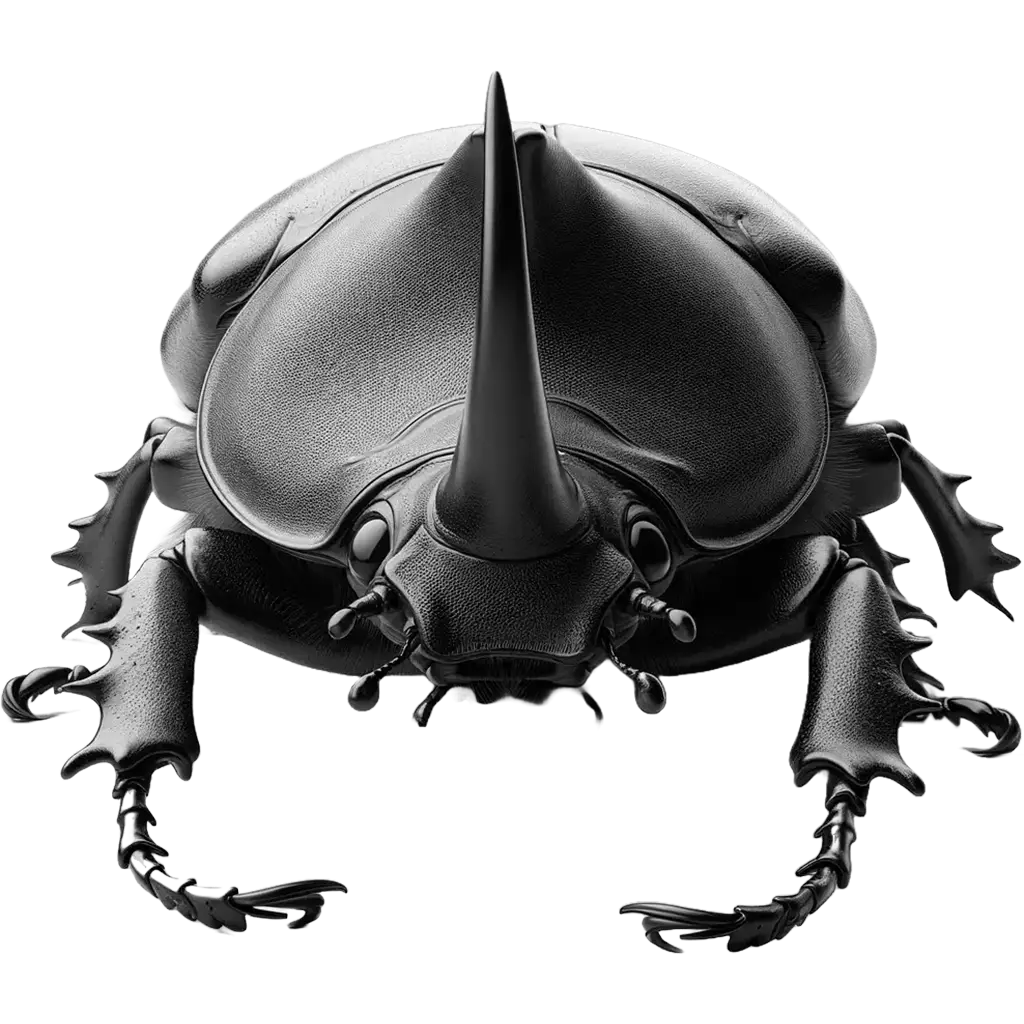
Rhinoceros Beetles, oryctes nasicornis, are among the largest of beetles, with some species reaching up to 15 cm in length, including their distinctive horn-like structures. These beetles are characterized by their impressive size, robust body, and the prominent horns on the males' heads and thoraxes, from which they derive their
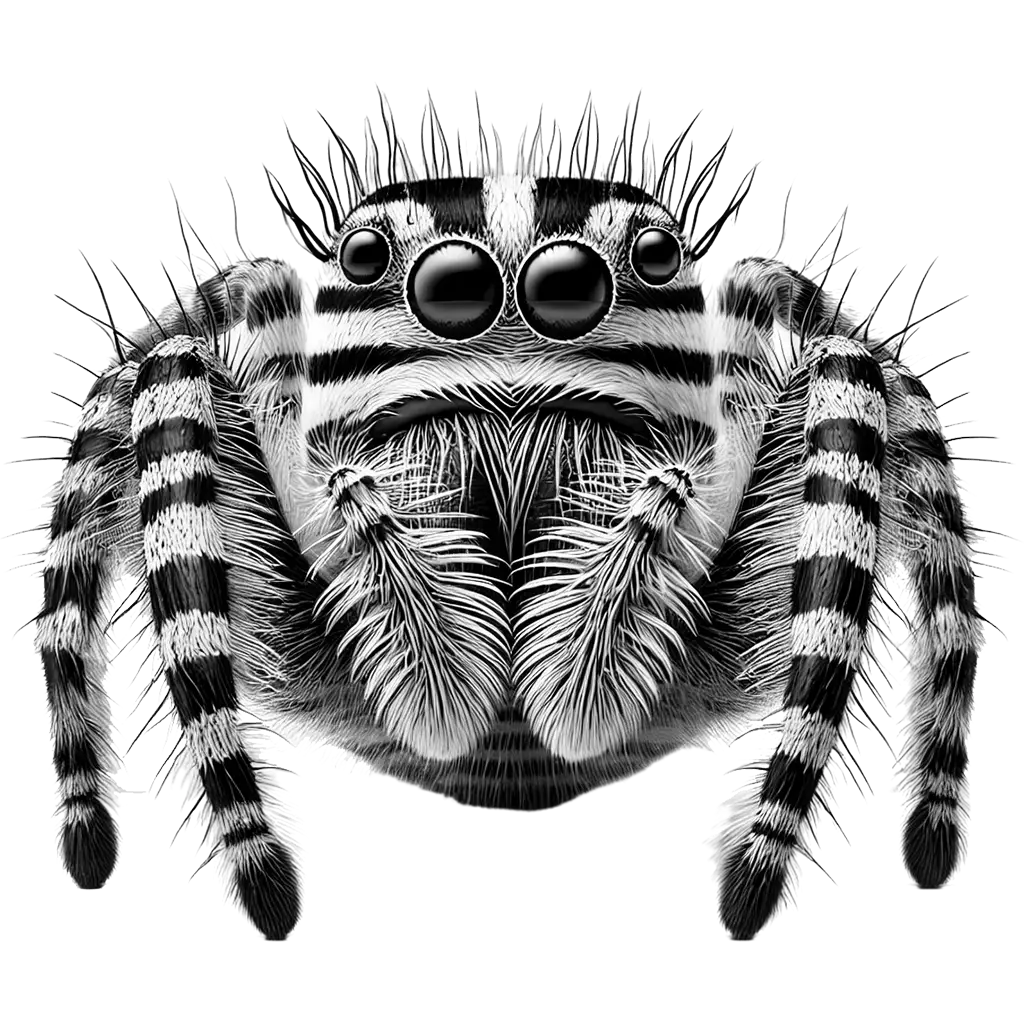
The Zebra Spider is a small, agile jumping spider characterized by its distinctive black and white striped pattern that resembles zebra markings. Its compact body, long spindly legs, and large forward-facing eyes give it an alert and inquisitive appearance, perfectly adapted for active hunting on walls and windows in both
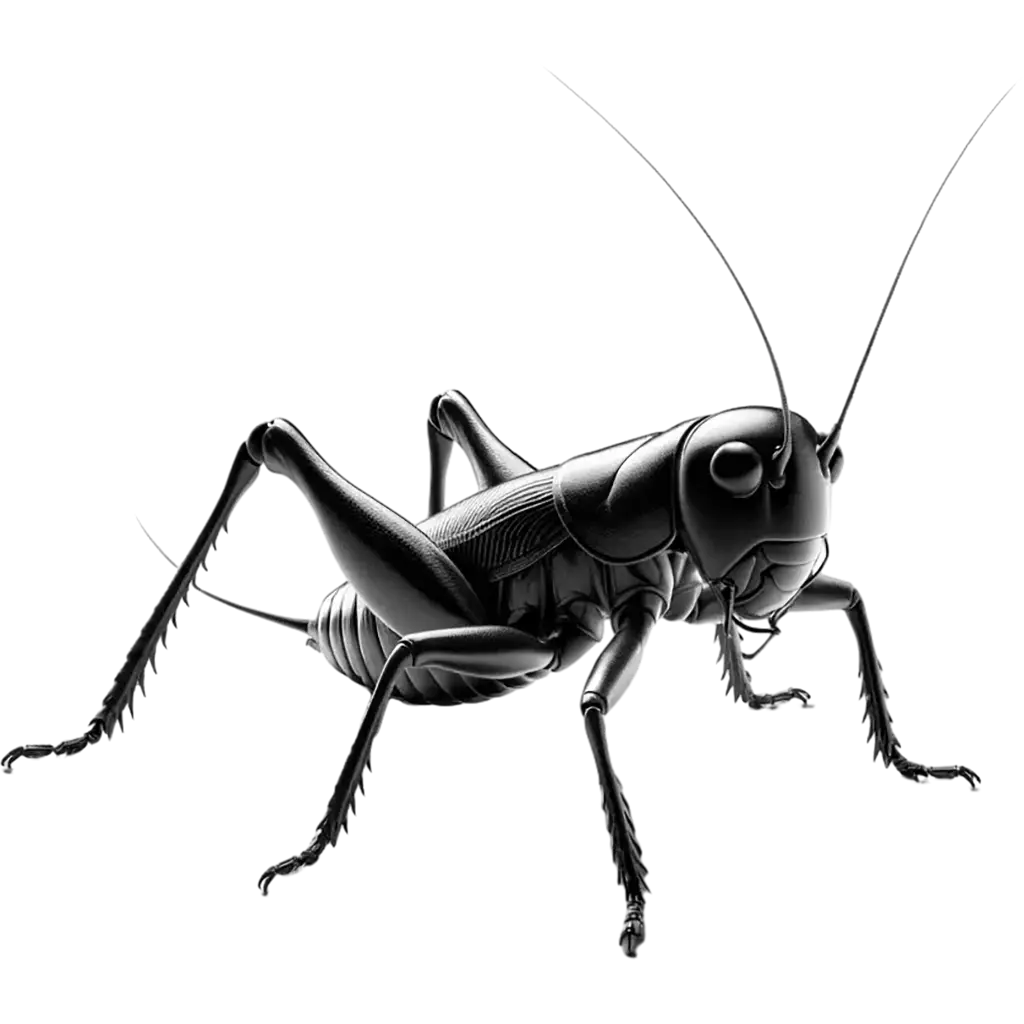
The Field Cricket, gryllus campestris, is a common species of cricket found across Europe and parts of Asia, known for the distinctive chirping sounds males produce to attract females. Adults typically measure between 1.5 to 2.5 cm in length, with a dark, velvety black body that helps them absorb heat

The Giant Glasswing, methona confusa, is a visually striking species known for its distinctive appearance and is commonly found in the tropical regions of South America. These butterflies exhibit large, translucent wings marked with an intricate pattern of black veins and borders, creating a stunning contrast against the greenery of