

Methona Confusa
Giant Glasswing
Tropical forests, meadows, and areas with abundant flowering plants
The Giant Glasswing, methona confusa, is a visually striking species known for its distinctive appearance and is commonly found in the tropical regions of South America. These butterflies exhibit large, translucent wings marked with an intricate pattern of black veins and borders, creating a stunning contrast against the greenery of their natural habitat. The wingspan of Methona butterflies can reach up to 7 cm, making them a noticeable presence in the forest undergrowth where they flutter gracefully in search of nectar.
| Population: | Not specifically quantified; various species within the genus are not considered endangered |
| Generation Length: | Approximately 45 days |
| Average Weight: | Not commonly measured; insects are lightweight |
| Average Length: | Wingspan: 7-10 cm |
| Lifespan: | Several weeks as adults, with the entire lifecycle from egg to adult spanning several months |
| Diet: | Nectarivorous as adults, herbivorous as larvae |
| Conservation Status: | Not Evaluated (NE) |
Methona butterflies thrive in humid, tropical environments, preferring dense rainforests and wooded areas where their host plants, primarily species of the family Urticaceae, are abundant. They are diurnal, most active during the daylight hours when they visit a variety of flowers to feed on nectar. The translucency of their wings serves as camouflage among the foliage, protecting them from predators while they feed or rest.
The diet of these butterflies, in their larval stage, consists primarily of the leaves of Urticaceae plants. As adults, they shift to a diet of nectar, relying on their long proboscis to extract it from flowers. This diet provides the energy necessary for their flight and reproductive activities, underscoring the importance of floral diversity in their ecosystems.
Reproduction in Methona butterflies involves the laying of eggs on the underside of host plant leaves, ensuring the safety and food availability for the emerging caterpillars. The life cycle from egg to adult butterfly showcases a fascinating metamorphosis, highlighting the intricate relationship between these butterflies and their natural environment.
The population status of Methona butterflies is not well-documented, but like many species of butterflies, they face threats from habitat destruction, climate change, and pollution. Conservation efforts to protect tropical forests and maintain ecosystem health are vital for the preservation of Methona butterflies and the biodiversity of their habitats. Their presence adds to the richness of tropical ecosystems, serving as indicators of environmental health and the interconnectedness of species within these complex environments.
Classifications
The Key Attributes
Features
- Movement:
Flying
- Territorial Behavior:
Not territorial; often found in areas with abundant food sources
- Speed:
Not specifically quantified; capable of quick, fluttering flight
- Diet:
Herbivore
- Physical Features:
- Large, translucent wings with distinctive black patterns
- Long, thin body
- Antennae for sensing their environment
- Brightly colored markings may serve as a warning to predators
- Primary Senses:
- Sight
- Chemical sensing
Understanding Habitat and Range
Geography
- Habitat:
Tropical forests, meadows, and areas with abundant flowering plants
- Migration Patterns:
Non-migratory, but can move locally depending on food availability and environmental conditions
- Geographical Range:
Primarily found in Central and South America, especially in the Amazon basin
- Climate Preferences:
Prefers warm, humid tropical environments
Navigating the Wilderness
In the wild
- Predators:
Birds, bats, and larger insects
- Prey:
Primarily nectar; larvae consume specific host plants
- Feeding Behavior:
Adults feed on nectar from flowers, while larvae feed on host plant leaves
- Diet:
Nectarivorous as adults, herbivorous as larvae
- Defensive Mechanisms:
- Mimicry and warning coloration to deter predators
- Rapid flight to escape threats
- Preferred Food Sources:
- Flowering plants rich in nectar
Insights Into Reproduction
Mating
- Mating System:
Polygamous
- Number of Offspring:
Lays dozens of eggs on host plants
- Incubation Period:
Eggs hatch within a few weeks
- Parental Involvement:
- No parental care after laying eggs; larvae are independent upon hatching
Youngsters Section
Giant Glasswing
Fun Fact
The Giant Glasswing butterfly has transparent wings that make it hard to spot in the wild.
This unique adaptation helps it avoid predators by blending into its surroundings. The transparency comes from microscopic structures on the wing surface, which scatter light and create a glass-like appearance. These butterflies are found in Central and South America, often inhabiting forested areas.

Download word search puzzles
Word Search Puzzles

Check Out Other Invertebrates
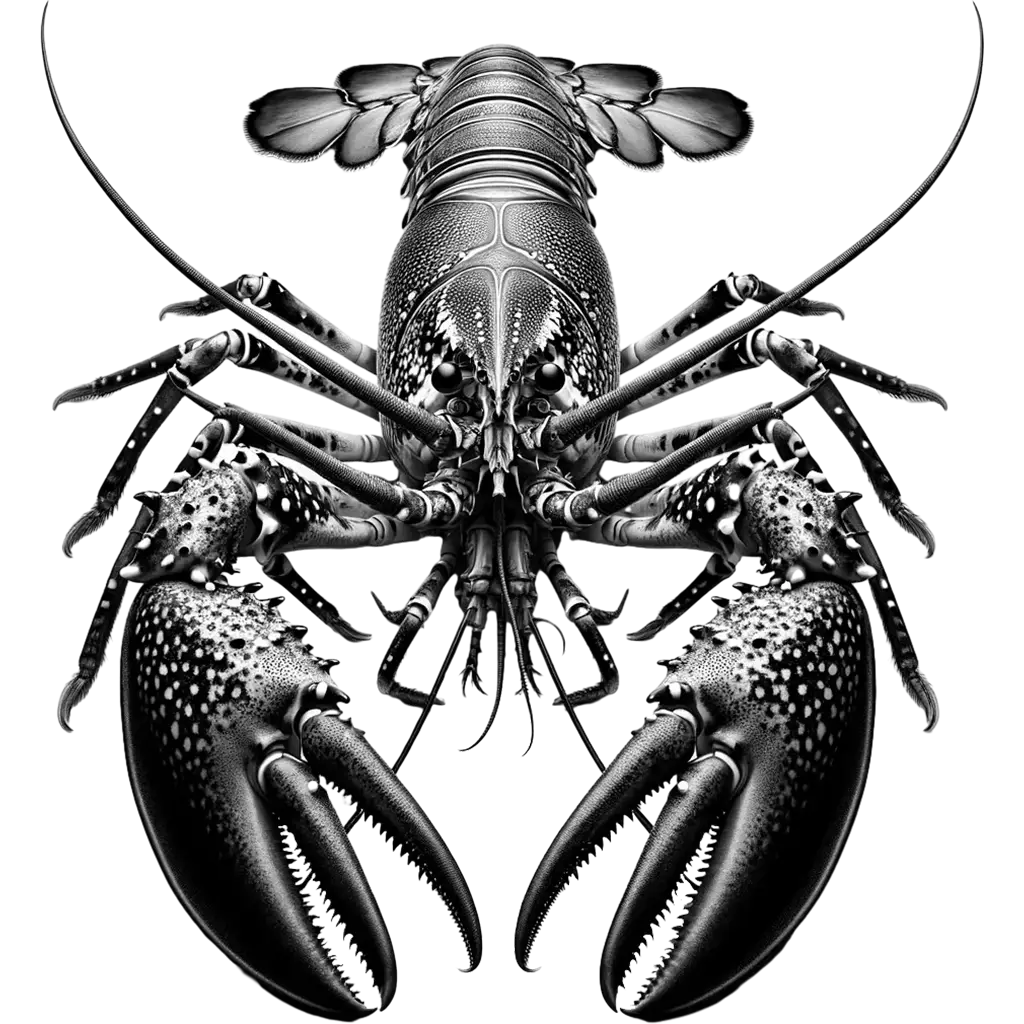
The American Lobster, homarus americanus, is a large marine crustacean found along the Atlantic coast of North America, from Labrador to New Jersey. It is distinguished by its heavy, segmented body covered in a hard exoskeleton, two large claws (one larger and one smaller, specialized for crushing and cutting), and
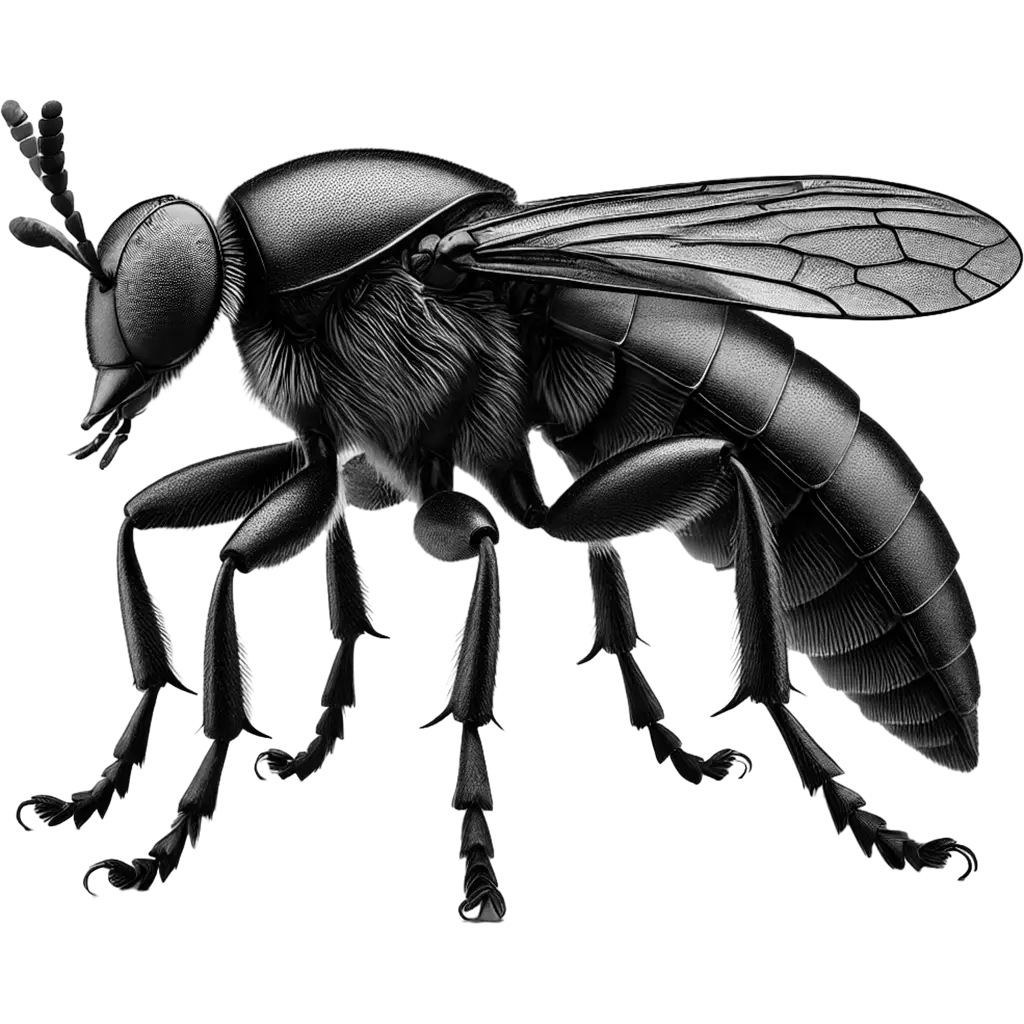
The Spanish fly is a striking blister beetle with a smooth, elongated body that measures roughly 1.5 to 2 centimeters in length. Its vivid orange to deep red coloration, accented by contrasting dark markings along the elytra, creates a bold, warning display. The body is slender yet soft, with delicate,
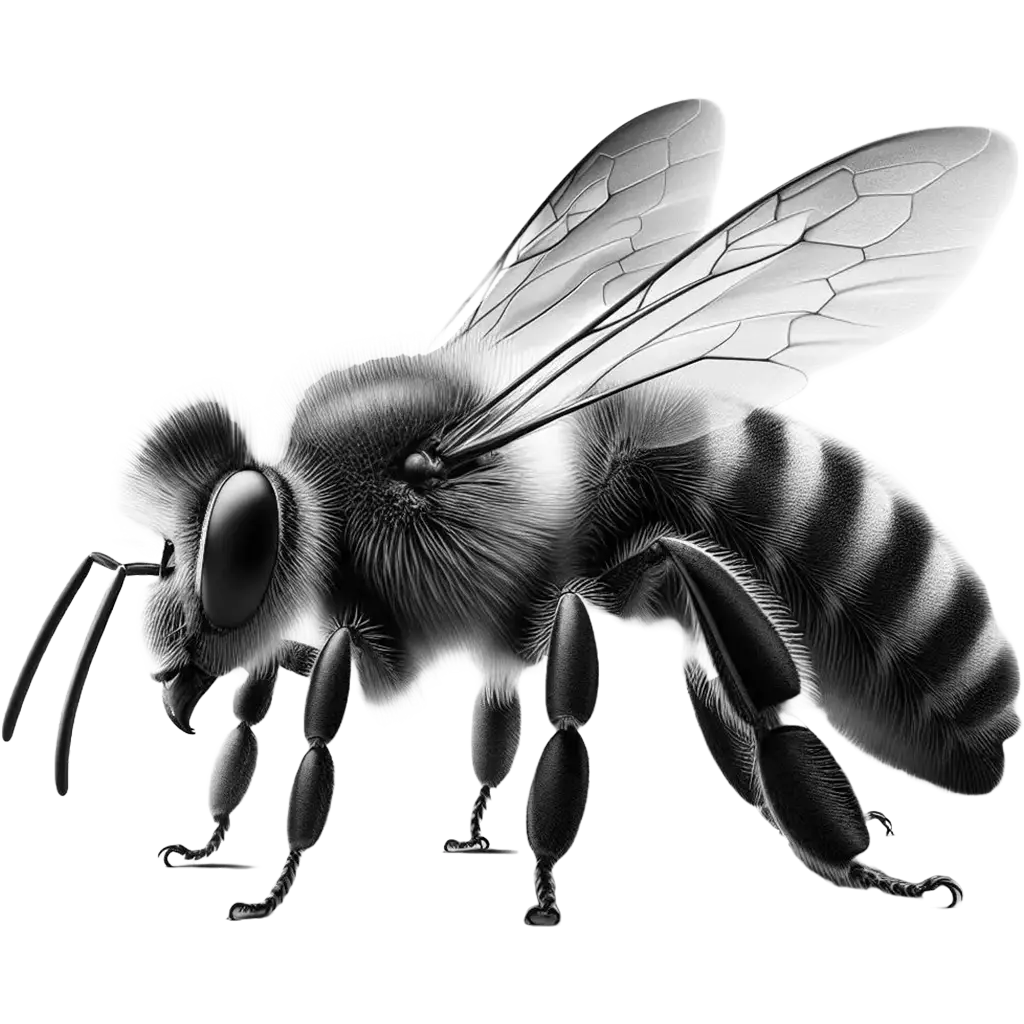
The Western Honey Bee, apis mellifera, is a pivotal species within ecosystems and agriculture due to its role as a pollinator. These bees are characterized by their golden-brown and black body, with bands of orange and brown hairs that vary in color intensity among individuals and subspecies. Workers, which are
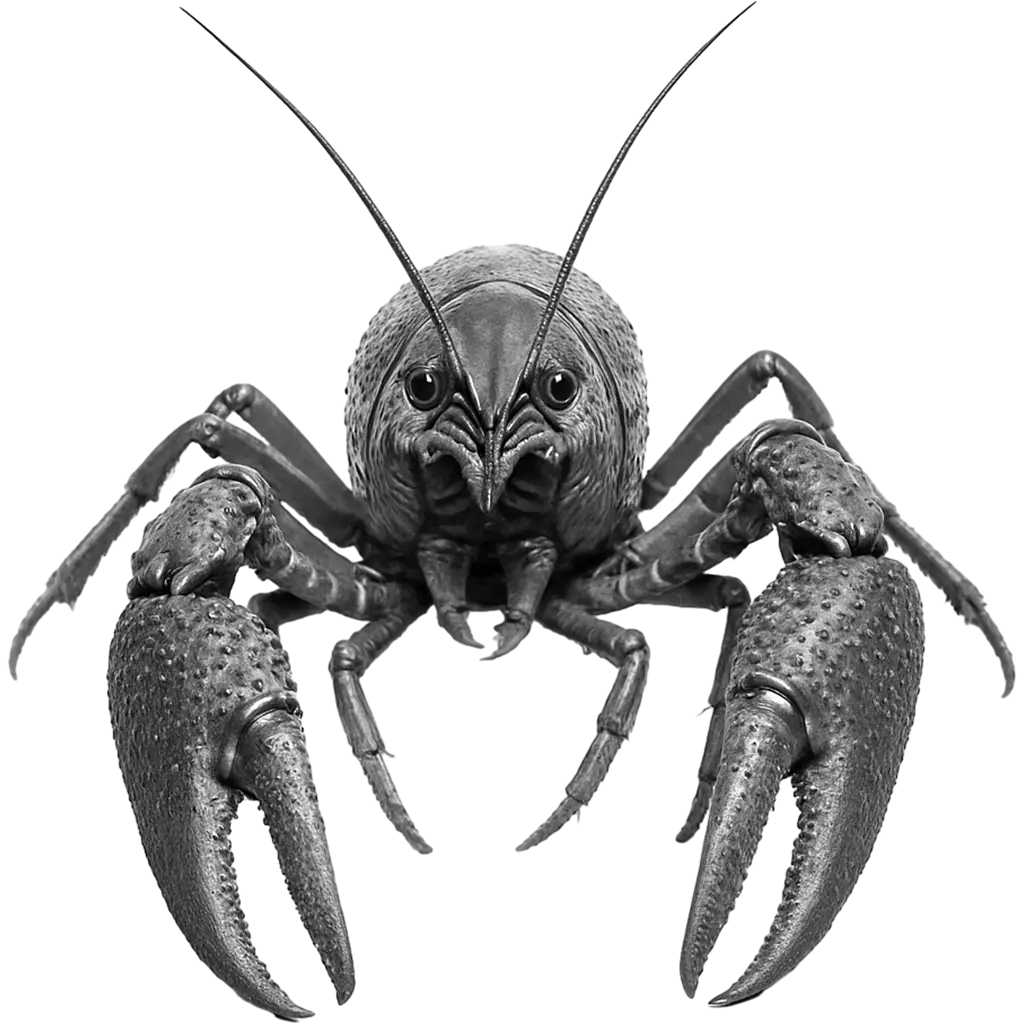
The common yabby is characterized by a robust, segmented body with a sturdy exoskeleton that provides protection. Its limbs are adorned with prominent, clawed pincers and sensitive antennae. The organism features a fan-like tail which aids in swift aquatic movements. Its coloration is usually mottled brown and green, perfectly blending