
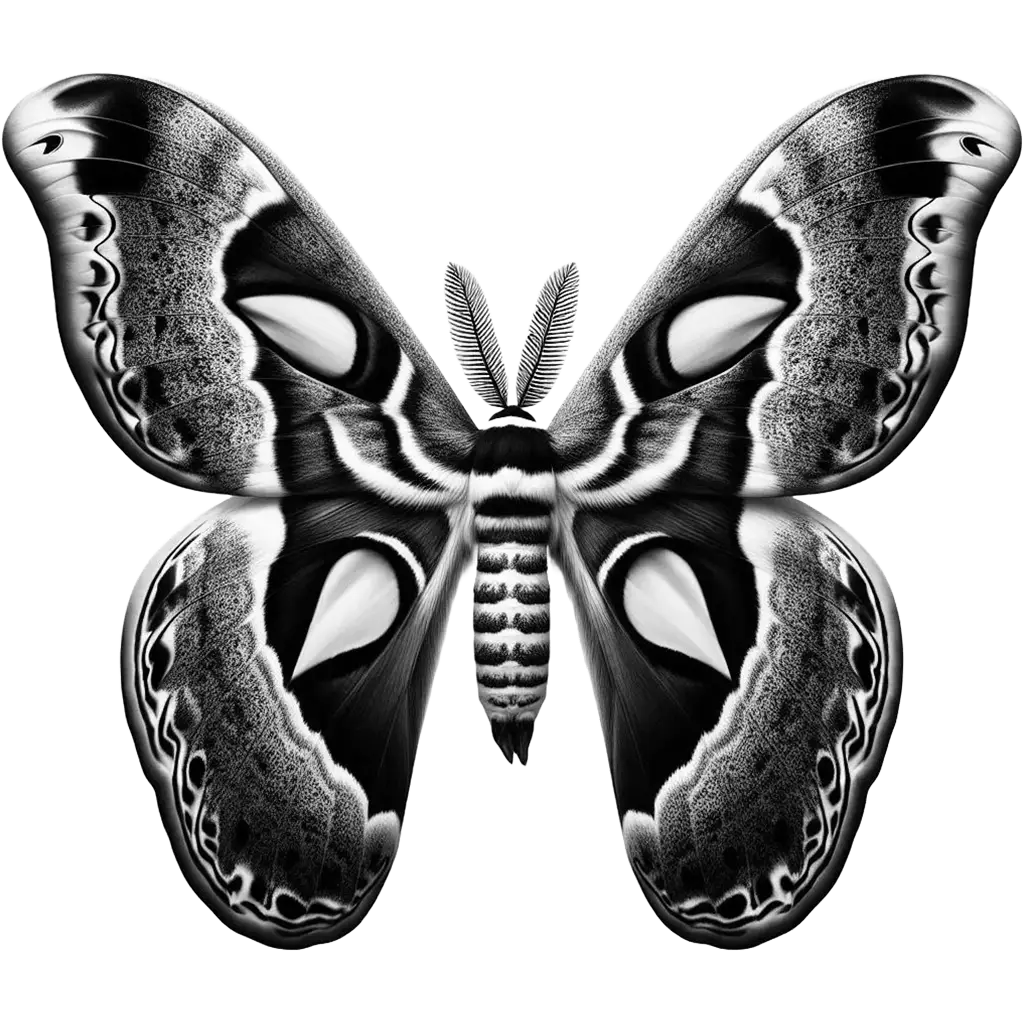
Saturnia Pyri
Giant Peacock Moth
Woodlands, orchards, vineyards, and mixed agricultural areas
The Giant Peacock Moth, saturnia pyri, is Europe's largest moth, showcasing an impressive wingspan of up to 15 centimeters (6 inches). Its name derives from the eye-catching 'eyes' on its wings, resembling those of a peacock's feathers. These large, circular spots serve as a defense mechanism, deterring predators by mimicking the eyes of larger animals. The moth's body is robust, with a furry thorax and a reddish-brown to grayish-white coloration, blending seamlessly into its surroundings when at rest. The females are generally larger than the males, which is common in many moth species, and their antennae are less feathery, aiding in the distinction between sexes.
| Population: | Widespread and common in suitable habitats, not currently considered threatened |
| Generation Length: | 1 year |
| Average Weight: | Not typically measured due to small size and brief adult lifespan |
| Average Length: | Wingspan: 12-20 cm, making it the largest moth in Europe |
| Lifespan: | Adult stage lasts about 1-2 weeks |
| Diet: | Larval stage feeds on leaves, adult stage does not feed |
| Conservation Status: | Not Evaluated (NE) |
Giant Peacock Moths lead a nocturnal lifestyle, with the adults emerging in late spring to early summer, depending on the climate. Their life cycle begins as eggs laid on a variety of host trees, including apple, cherry, and plum. After hatching, the caterpillars feed voraciously on the leaves of these trees, growing rapidly and passing through several developmental stages, or instars, before pupating. The larvae are striking, with a blue-green body and red and yellow tubercles, making them as visually captivating as the adults. Once they've completed their growth, they spin cocoons in which they metamorphose into the adult moths, emerging the following spring to continue the cycle.
Diet and nutrition play crucial roles throughout the moth's life stages. As caterpillars, they consume large amounts of leaves, which provide the necessary nutrients for growth and development into adulthood. The adult moths, however, do not feed; their mouthparts are atrophied, rendering them incapable of eating. This adaptation means that the adults live relatively short lives, with their primary purpose being reproduction. The energy required for flying and mating is stored during their larval stage, underscoring the importance of a nutrient-rich diet early in life.
Mating habits of the Giant Peacock Moth are centered around the pheromones released by the females to attract males. These chemical signals can draw males from several kilometers away, showcasing the effectiveness of this form of communication. After mating, the female lays her eggs on suitable host plants, ensuring the next generation's survival. The lifecycle from egg to adult is highly dependent on environmental conditions, particularly temperature, which can affect the timing of emergence and reproduction.
Despite their impressive size and beauty, Giant Peacock Moths are not considered endangered and maintain a stable population across their range. They are common in many parts of Europe and the Near East, thriving in a variety of habitats that include orchards, gardens, and woodlands. While not under significant threat, their presence and health can be indicators of local biodiversity and ecosystem health. Conservation efforts generally focus on preserving their natural habitats and the host plants critical for their larval stage, ensuring that these magnificent moths continue to grace the night skies.
Classifications
The Key Attributes
Features
- Movement:
Flight
- Territorial Behavior:
Not territorial; adults are mainly focused on mating and do not feed
- Speed:
Not quantified; capable of agile flight but mostly active at night
- Diet:
Larvae feed on a variety of deciduous trees and shrubs; adults do not feed
- Physical Features:
- Large size with a spectacular wingspan
- Eyespots on wings for deterring predators
- Varied coloration, generally whitish with brown, black, and orange markings
- Primary Senses:
- Sight
- Taste (in larvae)
Understanding Habitat and Range
Geography
- Habitat:
Woodlands, orchards, vineyards, and mixed agricultural areas
- Migration Patterns:
Non-migratory
- Geographical Range:
Southern and central Europe, extending into parts of Asia and North Africa
- Climate Preferences:
Temperate to warm climates
Navigating the Wilderness
In the wild
- Predators:
Birds, bats, and small mammals
- Prey:
Leaves of a wide range of deciduous trees and shrubs
- Feeding Behavior:
Larvae are herbivorous, feeding on leaves; adults do not feed
- Diet:
Larval stage feeds on leaves, adult stage does not feed
- Defensive Mechanisms:
- Larvae have protective coloration
- Adults have eyespots on wings to scare off predators
- Larvae may drop to the ground to avoid being eaten
- Preferred Food Sources:
- A variety of deciduous trees and shrubs, including cherry, plum, and apple trees
Insights Into Reproduction
Mating
- Mating System:
Polygynous
- Number of Offspring:
Up to several hundred eggs laid by the female
- Incubation Period:
Eggs hatch within a few weeks; larvae go through several instars over the course of the summer
- Parental Involvement:
- No parental care after eggs are laid; larvae are independent from hatching
Youngsters Section
Giant Peacock Moth
Fun Fact
The Giant Peacock Moth is Europe's largest moth, with a wingspan up to 6 inches.
Its eye-like markings help deter predators, mimicking the eyes of an owl. This defensive adaptation is crucial for survival, as it confuses predators like birds and small mammals. The moth's lifecycle is fascinating, with adults living only a week, focusing solely on reproduction.

Download word search puzzles
Word Search Puzzles

Check Out Other Invertebrates
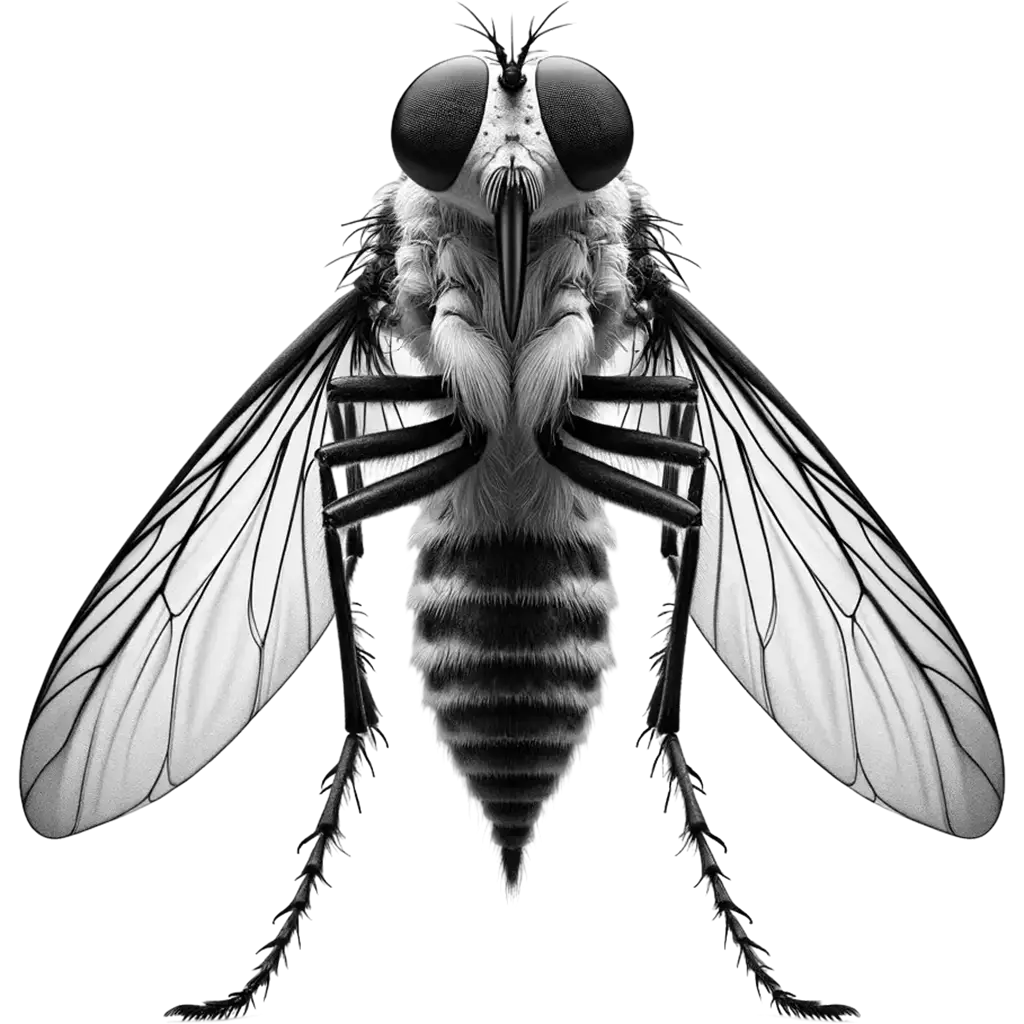
The Tsetse Fly, glossina morsitans, is a blood-feeding insect known for its role in transmitting trypanosomiasis, also known as sleeping sickness in humans and nagana in animals. Measuring about 8 to 17 mm in length, tsetse flies are distinguishable by their distinct forward-projecting proboscis and the unique hatchet-shaped cell in

The Common Starfish, asterias rubens, is a widely recognized marine invertebrate found across the North Atlantic, from the Arctic Ocean to the Mediterranean Sea. This species typically exhibits five arms radiating from a central disc, though specimens with more arms can occasionally be found. The Common Starfish can reach a
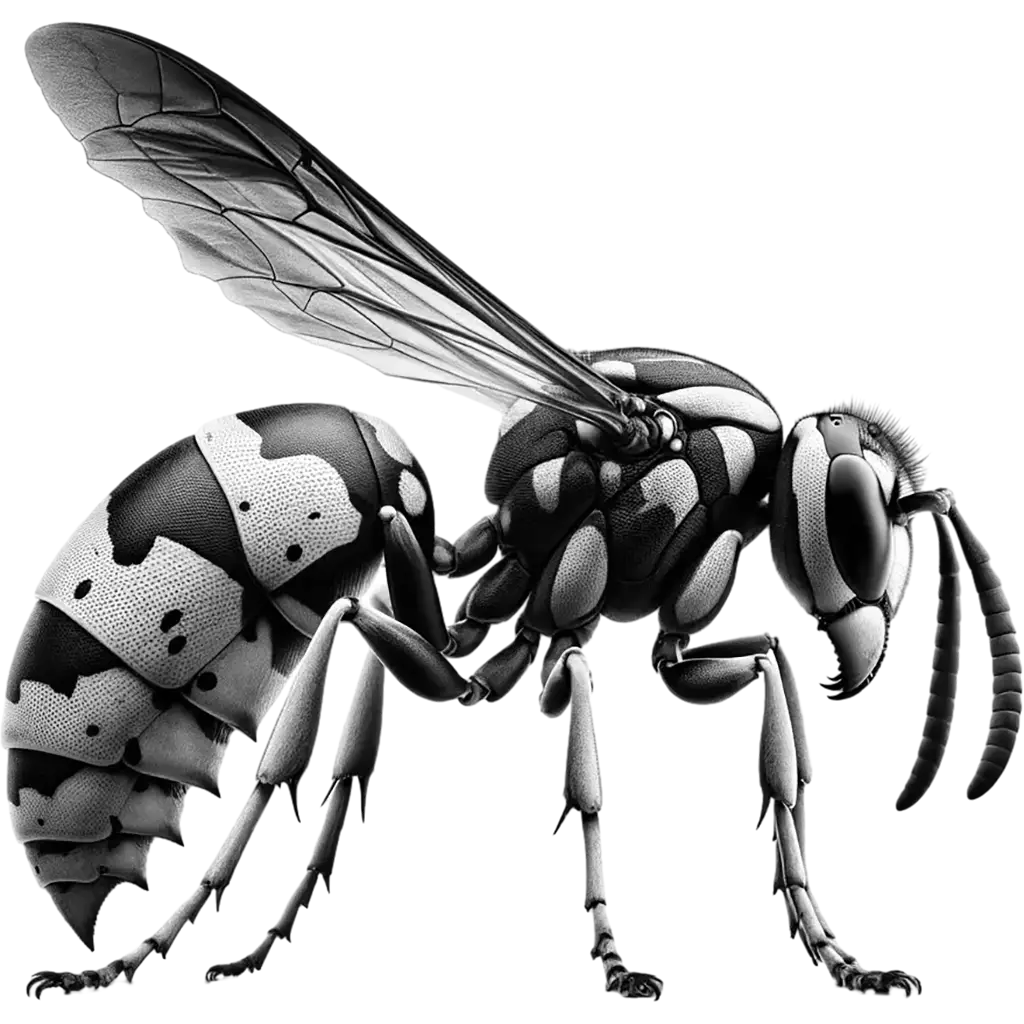
The term Yellowjacket refers to several species of the genus Dolichovespula and Vespula, known for their distinctive yellow and black body markings. These social insects are medium-sized wasps, with workers typically measuring 10 to 16 mm in length. They possess a slender body with a narrow waist, two pairs of
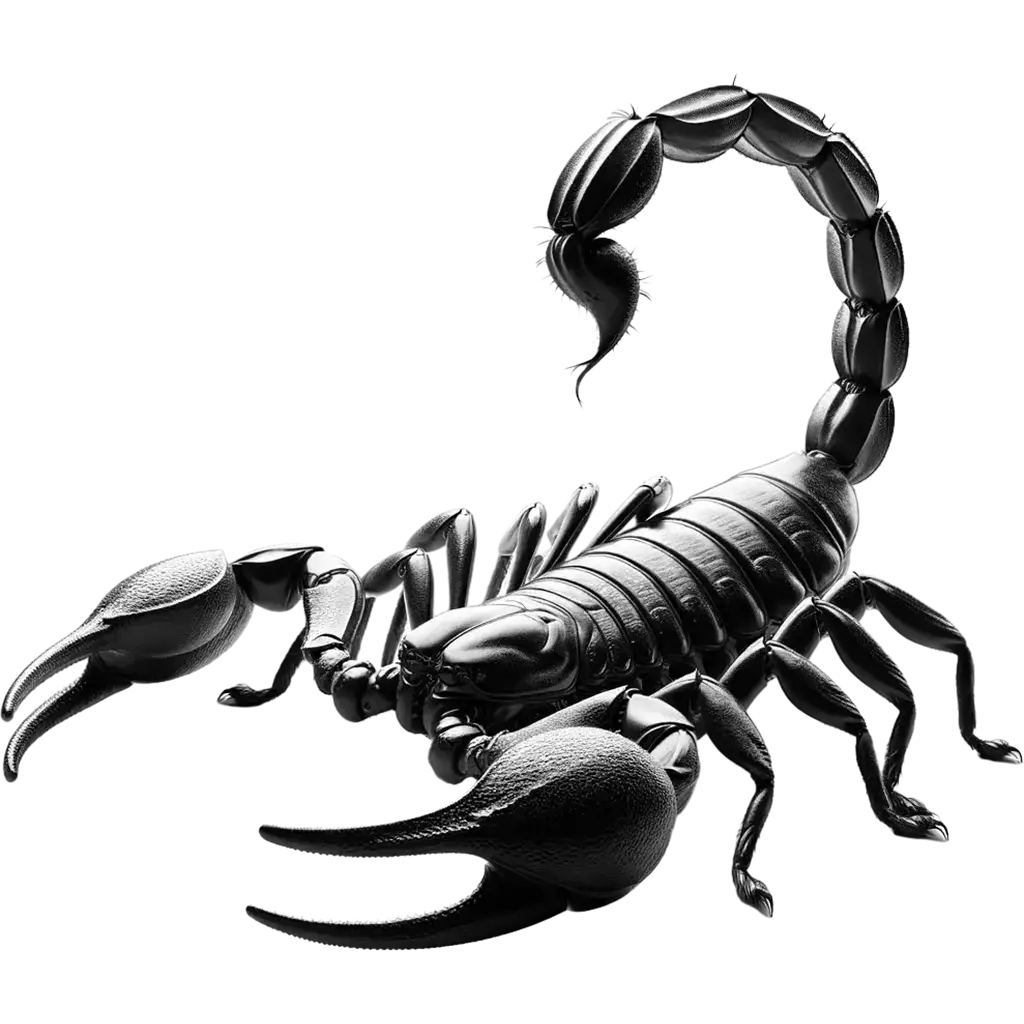
Large Clawed Scorpions, scorpio maurus, belonging to the class Arachnida and order Scorpiones, are predatory arachnids known for their segmented tail tipped with a venomous stinger, along with a pair of grasping pincers. They range in size from about 9 mm to over 20 cm. Scorpions are characterized by a