
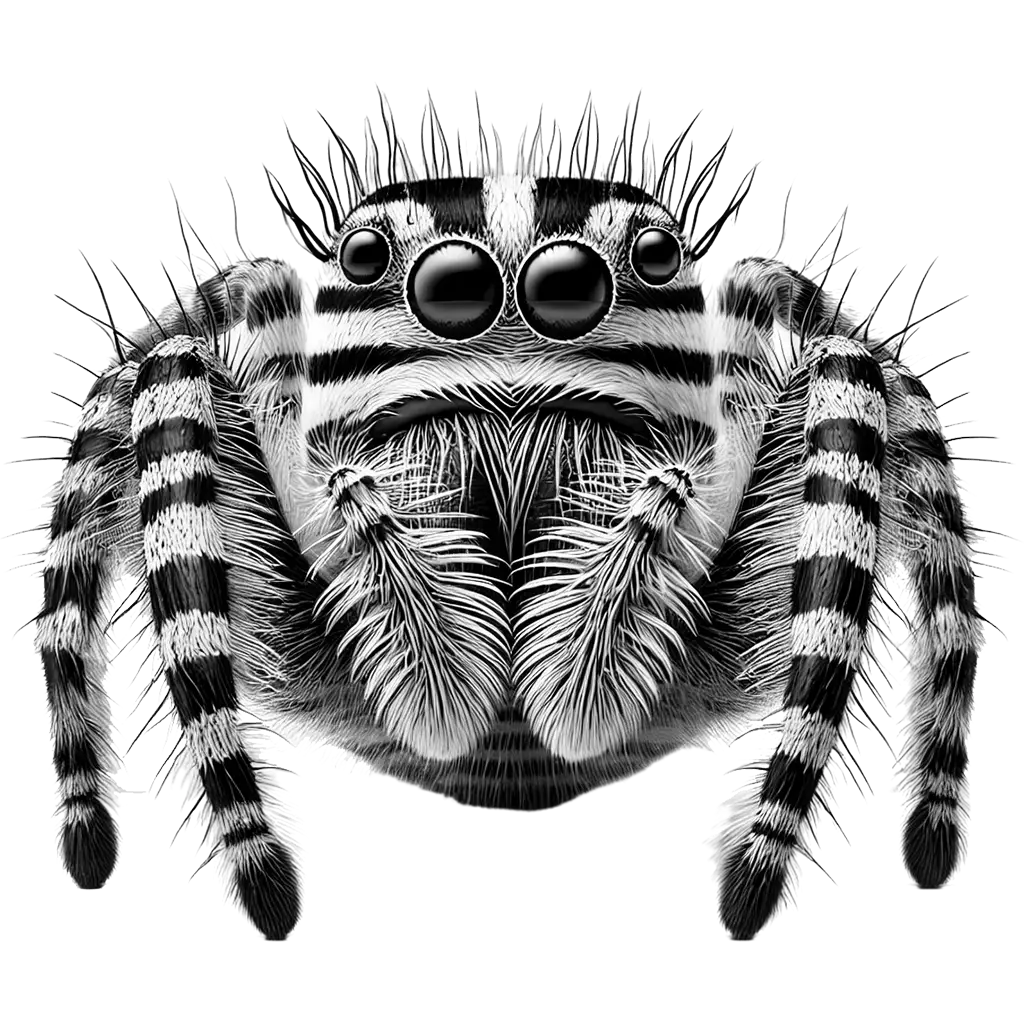
Salticus Scenicus
Zebra Spider
Temperate regions, gardens and woodlands
The Zebra Spider is a small, agile jumping spider characterized by its distinctive black and white striped pattern that resembles zebra markings. Its compact body, long spindly legs, and large forward-facing eyes give it an alert and inquisitive appearance, perfectly adapted for active hunting on walls and windows in both natural and urban settings. In nature, its vibrant pattern and intricate markings set it apart from other spiders, making it a favorite among enthusiasts and researchers in temperate regions.
| Population: | Stable populations despite threats |
| Generation Length: | 1 year |
| Average Weight: | 10-20 milligrams |
| Average Length: | Approximately 5-10 mm |
| Lifespan: | Approximately 1-2 years in the wild |
| Diet: | Carnivorous |
| Conservation Status: | Least Concern (LC) |
Zebra Spiders are diurnal hunters that actively roam sunlit surfaces during the day. They are commonly found on vertical structures such as building walls, tree trunks, and window sills, where they patiently wait for small insects to come within range. Their active lifestyle involves quick, calculated movements interspersed with long periods of stillness, as they rely on their excellent vision to detect the slightest motion. These spiders often adjust their hunting strategy based on environmental conditions, and their behavior is marked by a blend of cautious observation and sudden, explosive bursts of speed when capturing prey.
Feeding almost exclusively on small insects, Zebra Spiders use their remarkable eyesight and rapid jumping ability to ambush flies, mosquitoes, and other tiny arthropods. Their carnivorous diet is high in protein, which supports their energetic and acrobatic lifestyle. By controlling insect populations, they contribute significantly to local ecological balance. Their precise hunting technique involves a sudden lunge from a concealed position, followed by a swift retreat to a safe spot, ensuring minimal energy expenditure while maximizing prey capture efficiency.
During the mating season, males perform elaborate courtship dances that involve vibrant body postures and rhythmic leg movements to attract females. Once a female is receptive, mating occurs swiftly, and both spiders then return to their solitary lifestyles. No further parental care is provided, with spiderlings emerging fully independent from an egg sac in nature.
Zebra Spider populations are widespread across temperate regions and remain abundant in urban as well as natural environments. Despite occasional local declines due to pesticide use and habitat modification, their rapid reproductive cycle and adaptability help maintain stable numbers overall, ensuring their continued role as effective insect predators.
Classifications
The Key Attributes
Features
- Movement:
Zebra Spiders are highly active, agile hunters that use precise, quick jumps to capture prey and escape threats.
- Territorial Behavior:
Although not strongly territorial, they may display mild aggression when defending a prime hunting spot from intruders.
- Speed:
They exhibit moderate speed with rapid bursts during attacks or escapes, making them effective ambush predators.
- Diet:
Strictly carnivorous, these spiders feed on a variety of small insects such as flies, mosquitoes, and other arthropods, helping to control local pest populations.
- Physical Features:
- Distinctive black and white striped pattern resembling zebra stripes
- Compact, robust body with long, spindly legs
- Large, forward-facing eyes that provide excellent vision
- A finely textured exoskeleton that adds to its unique appearance
- Primary Senses:
- Sight
- Vibration detection
Understanding Habitat and Range
Geography
- Habitat:
Temperate regions, gardens and woodlands
- Migration Patterns:
Non-migratory; individuals remain within localized areas, adapting well to both natural and human-modified settings.
- Geographical Range:
Widespread across Europe, North America, and Asia, frequently associated with human habitation.
- Climate Preferences:
Prefer temperate climates with moderate humidity; adaptable to urban environments and gardens.
Navigating the Wilderness
In the wild
- Predators:
Small birds, lizards, and other arthropods may prey on juveniles; adults are more adept at evading predators through rapid movement.
- Prey:
Mainly small insects like flies and mosquitoes, which they capture in mid-air.
- Feeding Behavior:
They employ a stealthy ambush strategy, remaining motionless until prey ventures close, then leaping quickly to capture it with precision.
- Diet:
Carnivorous
- Defensive Mechanisms:
- Rapid, agile jumps to escape predators
- Camouflage provided by their striking striped pattern
- Preferred Food Sources:
- Small flying insects and other minute arthropods
Insights Into Reproduction
Mating
- Mating System:
During the mating season, males perform elaborate courtship dances to attract females, displaying vibrant postures and rhythmic leg movements.
- Number of Offspring:
Egg sacs typically contain 20-50 eggs.
- Incubation Period:
Egg sacs hatch approximately 3-4 weeks after being laid.
- Parental Involvement:
- No parental care; spiderlings are independent upon emergence.
Youngsters Section
Zebra Spider
Fun Fact
Zebra Spiders are celebrated for their striking striped pattern and agile, acrobatic leaps, making them a favorite subject for both amateur naturalists and professional researchers.
Their exceptional vision and rapid ambush techniques enable them to capture prey with remarkable precision. Studying these remarkable spiders has provided valuable data on predator-prey dynamics and the evolutionary adaptations that allow them to thrive in diverse environments.

Download word search puzzles
Word Search Puzzles

Check Out Other Invertebrates

The Giant Glasswing, methona confusa, is a visually striking species known for its distinctive appearance and is commonly found in the tropical regions of South America. These butterflies exhibit large, translucent wings marked with an intricate pattern of black veins and borders, creating a stunning contrast against the greenery of

The Housefly, musca domestica, is one of the most common and widespread flying insects, known for its close association with human habitats across the globe. Adult houseflies typically measure about 6 to 7 millimeters in length and display a grey thorax with four longitudinal dark stripes. Their body is covered
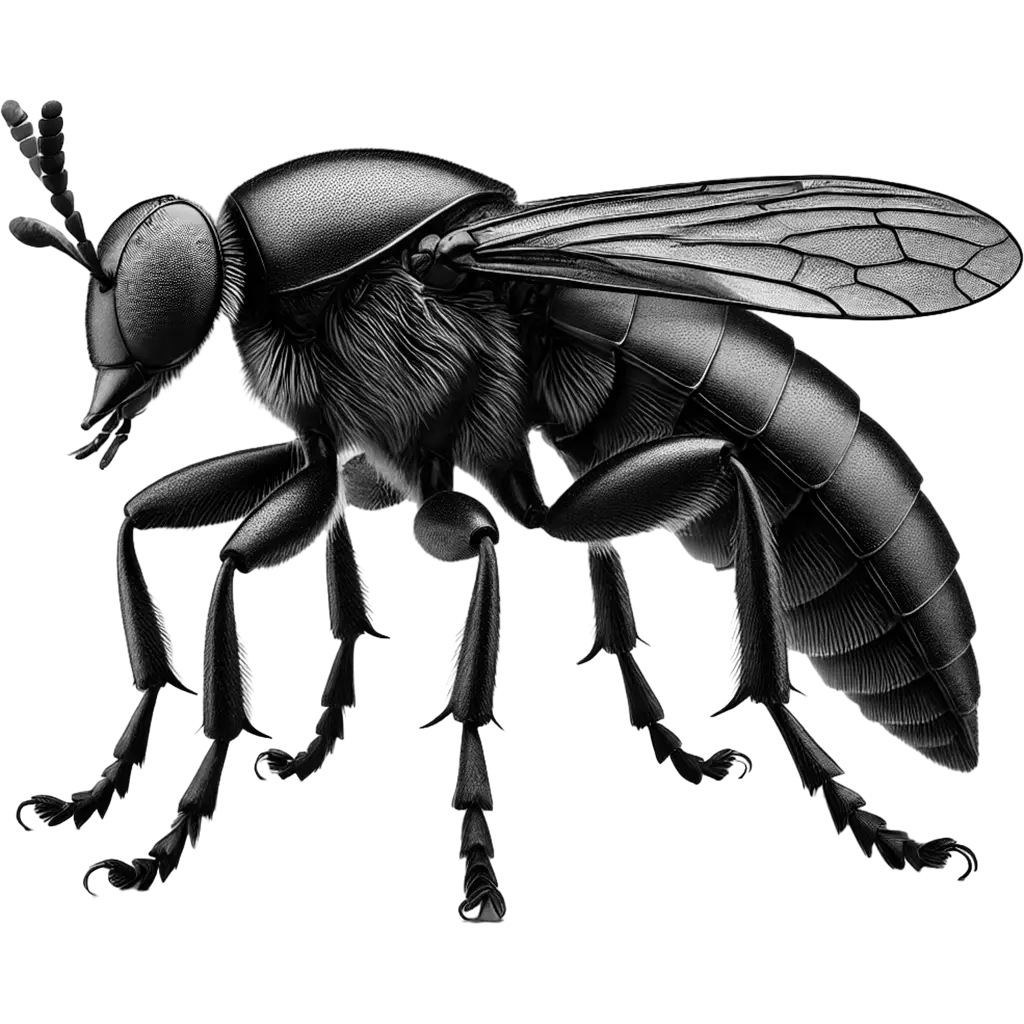
The Spanish fly is a striking blister beetle with a smooth, elongated body that measures roughly 1.5 to 2 centimeters in length. Its vivid orange to deep red coloration, accented by contrasting dark markings along the elytra, creates a bold, warning display. The body is slender yet soft, with delicate,
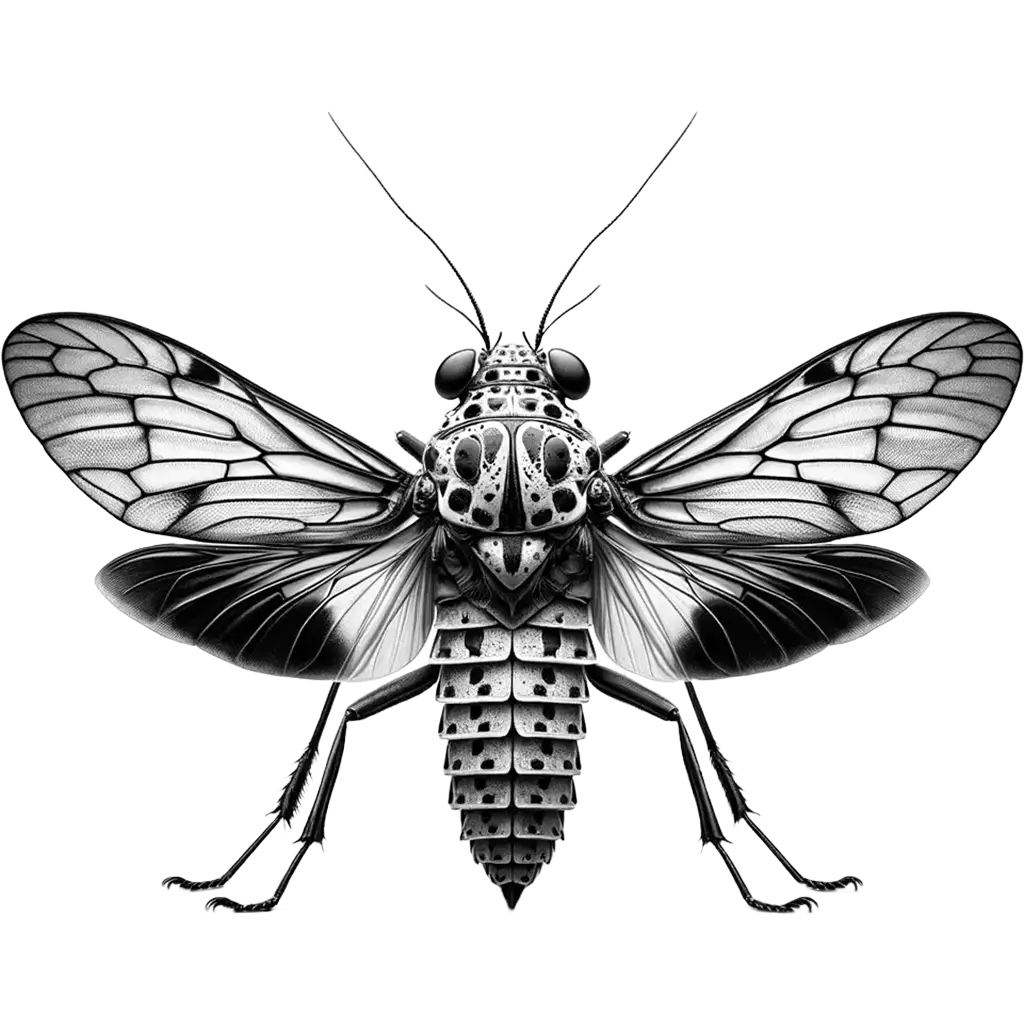
The Spotted Lanternfly, lycorma delicatula, belonging to the family Fulgoridae, encompasses a diverse group of insects known for their striking appearance and unique protrusions resembling a snout or lantern, though these structures do not produce light. Typically, lanternflies are medium to large in size, with bodies measuring between 2 to