
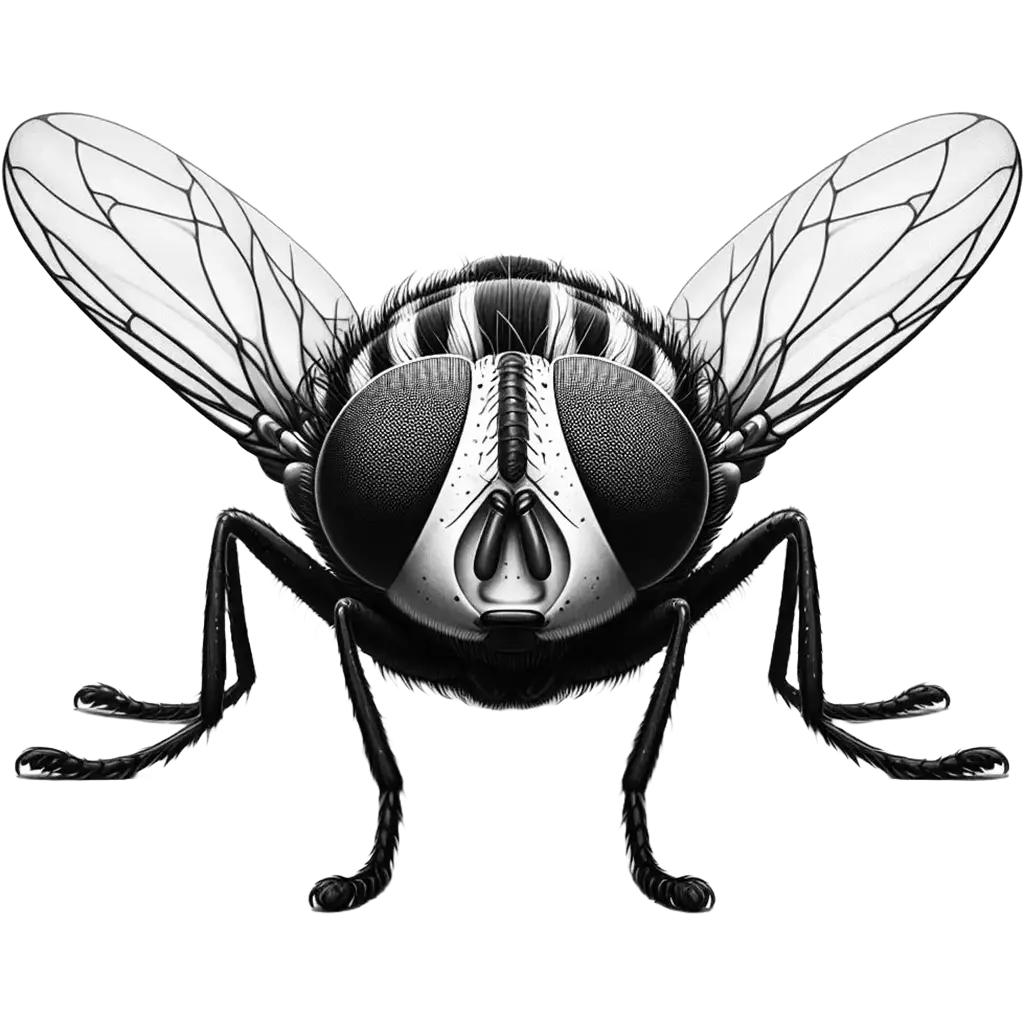
Musca Domestica
Housefly
Nearly all human-inhabited areas, including farms, towns, and cities
The Housefly, musca domestica, is one of the most common and widespread flying insects, known for its close association with human habitats across the globe. Adult houseflies typically measure about 6 to 7 millimeters in length and display a grey thorax with four longitudinal dark stripes. Their body is covered with small hairs that serve as tactile sensors, and they possess compound eyes with a wide field of vision, enabling them to detect movement and escape threats efficiently. One of the Housefly's most distinctive features is its mouthparts, designed for sponging up liquids since they cannot chew solid food.
| Population: | Extremely widespread and abundant globally |
| Generation Length: | 1 month (from egg to adult under optimal conditions) |
| Average Weight: | Not typically measured due to small size |
| Average Length: | 6-7 mm |
| Lifespan: | 15-30 days in the wild |
| Diet: | Decaying organic matter, sugary substances |
| Conservation Status: | Not Evaluated (NE) |
Houseflies are found in nearly all human-inhabited areas, thriving in environments where food and waste provide ample breeding and feeding opportunities. They are known for their remarkable ability to adapt to various climates, although they prefer warmer temperatures and are most active during the summer months. Houseflies play a significant role in spreading diseases due to their feeding and breeding habits in unsanitary areas, making them vectors for pathogens that can affect humans and animals.
The diet of the Housefly primarily consists of liquid or semi-liquid substances, including nectar, plant sap, and animal secretions. However, they are also attracted to a wide range of human foods and waste products, which they can liquefy with their saliva before ingesting. This diet makes them frequent visitors to waste disposal sites, kitchens, and food storage areas.
Reproduction in houseflies is rapid and efficient, with females laying up to 500 eggs in their lifetime, in batches of 75 to 150 eggs at a time. These eggs are typically laid in moist, decaying organic matter, providing larvae (maggots) with an immediate food source upon hatching. The life cycle from egg to adult can be completed in as little as a week under optimal conditions.
While the Housefly is not endangered, its presence in human environments is often considered a nuisance and a public health concern due to its potential to spread diseases such as typhoid, cholera, and dysentery. Control measures include sanitation practices to eliminate breeding sites, the use of insecticides, and physical barriers to prevent entry into buildings. Understanding the biology and behavior of the Housefly is crucial for developing effective control strategies and minimizing their impact on human health.
Classifications
The Key Attributes
Features
- Movement:
Flying, walking
- Territorial Behavior:
Not territorial; highly mobile and adaptable
- Speed:
Capable of quick, agile flight; speeds up to 7.2 km/h
- Diet:
Omnivore, with a preference for decaying organic matter
- Physical Features:
- Pair of wings
- Compound eyes
- Mouthparts adapted for sponging up food
- Primary Senses:
- Sight
- Taste
- Chemical sensing
Understanding Habitat and Range
Geography
- Habitat:
Nearly all human-inhabited areas, including farms, towns, and cities
- Migration Patterns:
Non-migratory, but spreads with human activity
- Geographical Range:
Global
- Climate Preferences:
Prefers warmer climates but survives in a wide range of temperatures
Navigating the Wilderness
In the wild
- Predators:
Birds, spiders, frogs, and other insectivorous animals
- Prey:
Not applicable
- Feeding Behavior:
Feeds on a wide range of liquid or semi-liquid substances, including decaying organic material, sugary substances, and animal feces
- Diet:
Decaying organic matter, sugary substances
- Defensive Mechanisms:
- Quick flight
- Ability to detect movement and escape rapidly
- Reproductive strategy ensures high population numbers
- Preferred Food Sources:
- Decaying organic matter
- Sugary substances
- Animal feces
Insights Into Reproduction
Mating
- Mating System:
Polygamous
- Number of Offspring:
Can lay up to 500 eggs in a lifetime, in batches of 75-150 eggs
- Incubation Period:
24-48 hours for eggs to hatch into larvae
- Parental Involvement:
- No parental care after laying eggs; larvae are independent from birth
Youngsters Section
Housefly
Fun Fact
Houseflies can taste with their feet, which are equipped with taste receptors.
These receptors help them identify food sources quickly. When a housefly lands on food, it uses its proboscis to suck up the nutrients. Remarkably, houseflies can detect sugars and proteins with these receptors, making them efficient in locating suitable nutrition.

Download word search puzzles
Word Search Puzzles
Check Out Other Invertebrates
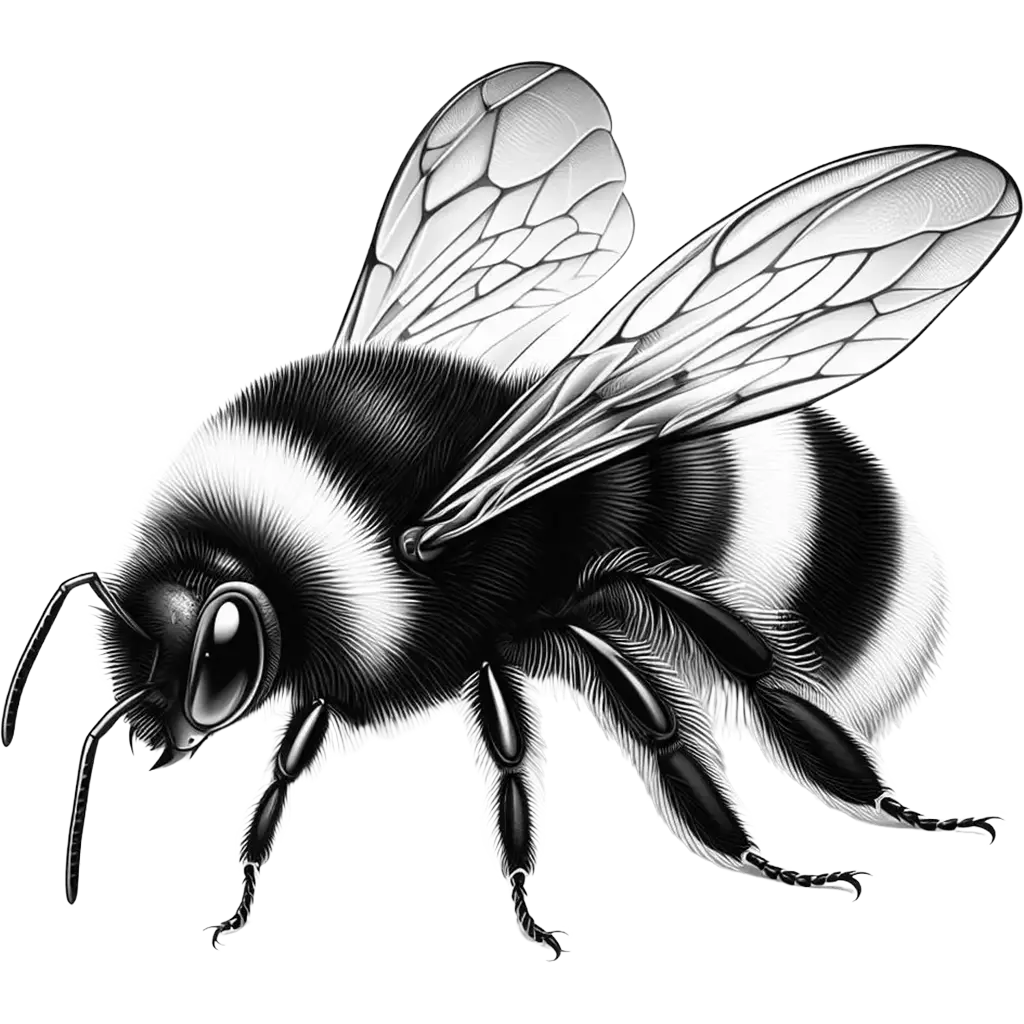
The Early Bumblebee, bombus pratorum, is a small but vibrant species of bumblebee commonly found across Europe and parts of Asia. Recognizable by its distinctive yellow and black banding and a bright orange tail, this species plays a crucial role in pollinating a wide variety of plants during the spring
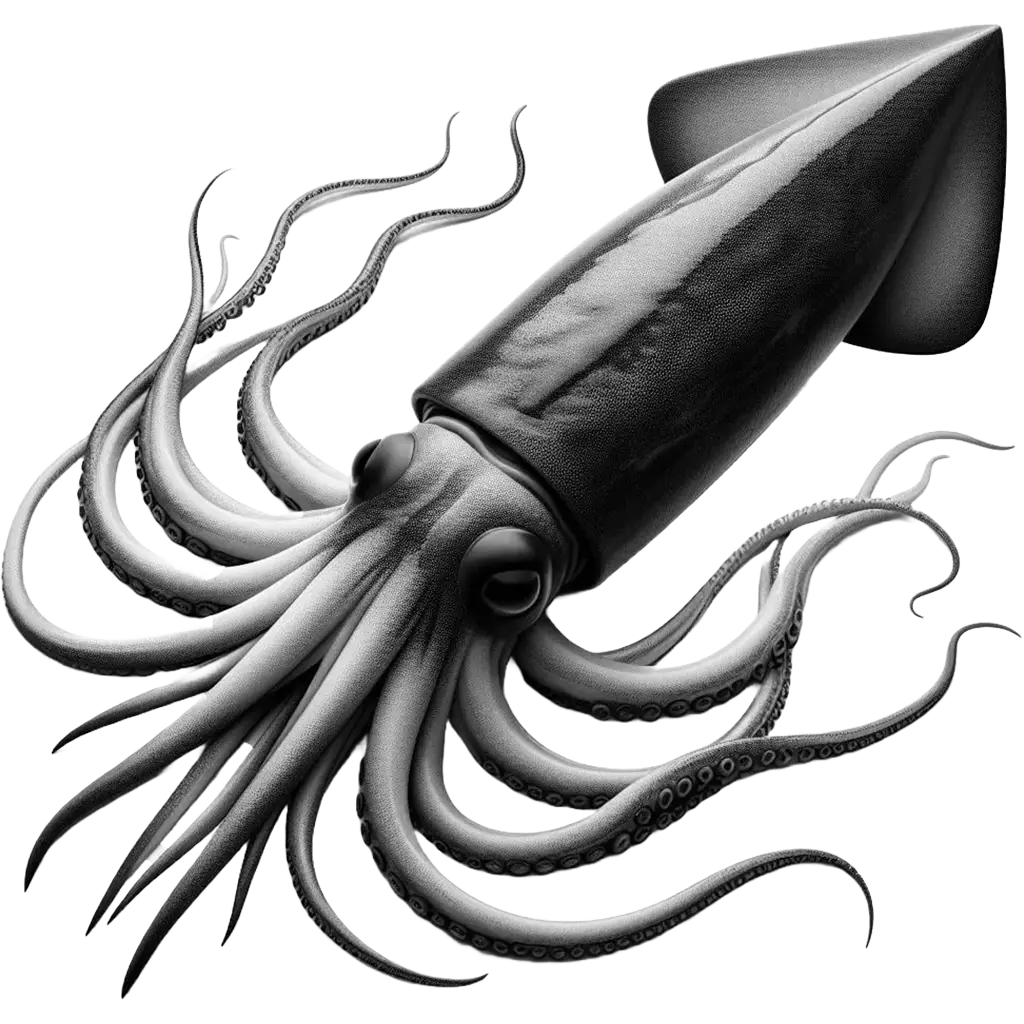
The Giant Squid, architeuthis dux, is a deep-sea dwelling cephalopod known for its immense size and elusive nature. It is one of the largest living organisms, with the largest specimens measuring up to 13 meters (43 feet) in length, including their tentacles. The body of the Giant Squid, or mantle,
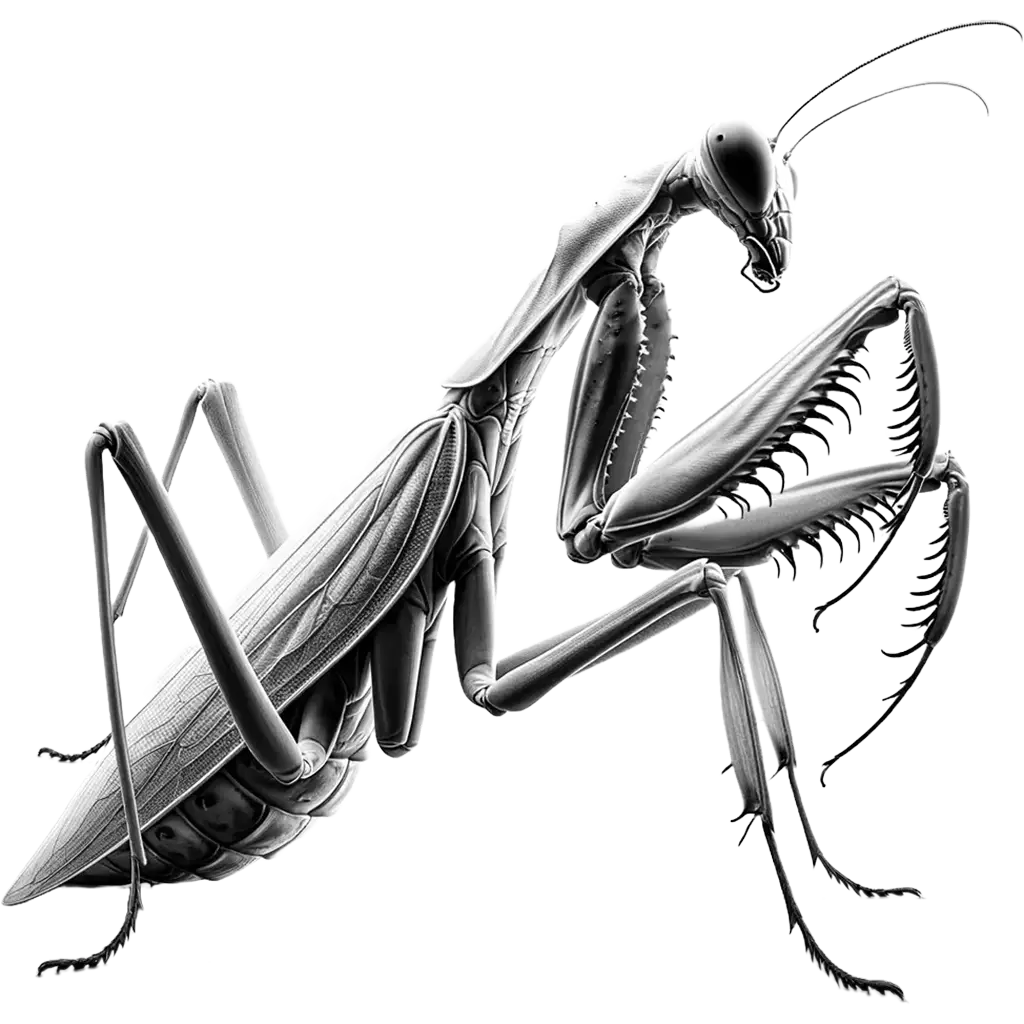
The European Mantis, mantis religiosa, is a widely recognized species of praying mantis, notable for its distinctive posture and predatory behavior. Adult mantises can reach lengths of about 5 to 7.5 cm, exhibiting a range of colors from green to brown, which aids in camouflage within their natural habitats. They
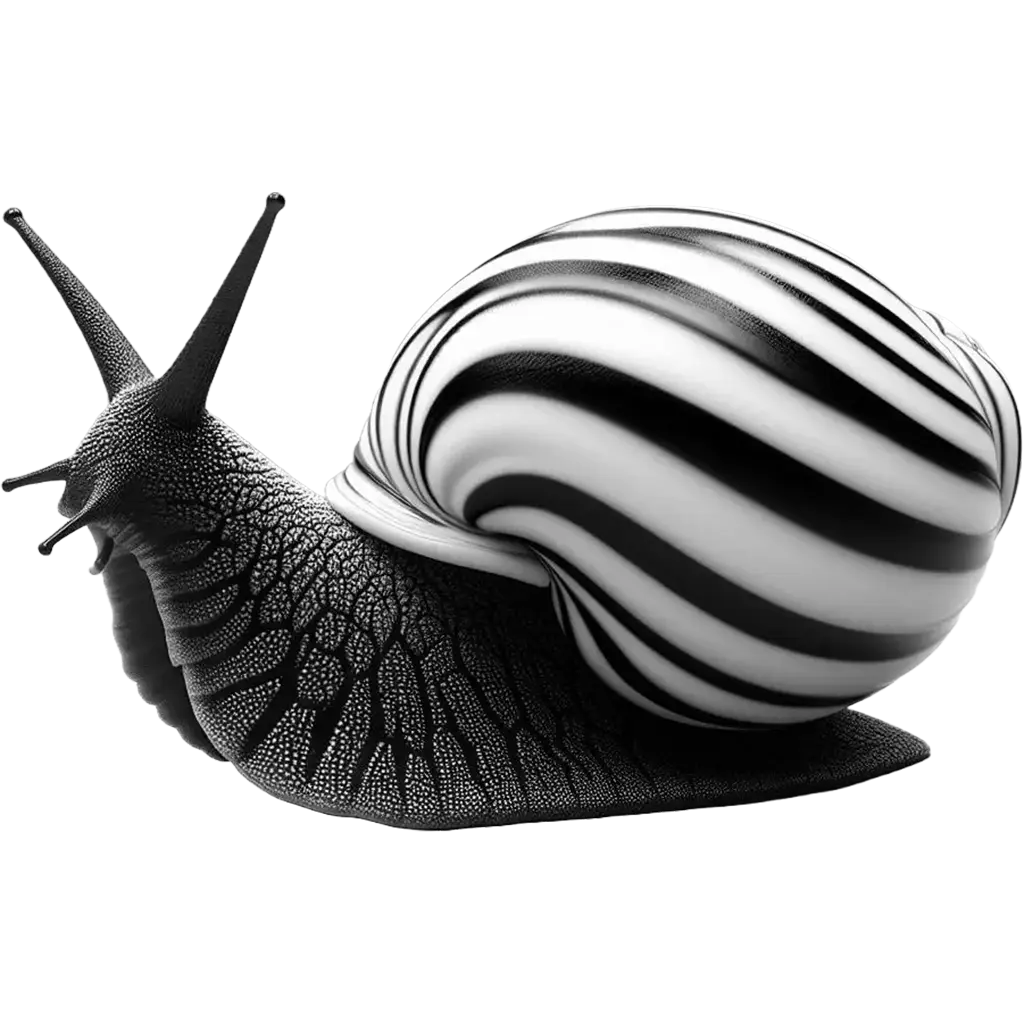
The Cowry Snail, cypraea tigris, often simply referred to as the Tiger Cowry, is a marine gastropod renowned for its highly polished, beautifully patterned shell. This species is widespread across the tropical and subtropical waters of the Indo-Pacific region, from the east coast of Africa, across the Indian Ocean, to