

Octopus Vulgaris
Common Octopus
Tropical and temperate waters worldwide, from shallow reefs to the deep sea
The Common Octopus, octopus vulgaris, is a highly intelligent and adaptable cephalopod found in a variety of marine environments around the world, from tropical waters to temperate seas. This species is characterized by its bulbous head, eight long arms lined with suction cups, and a mantle that can dramatically alter its shape and color for camouflage and communication. Adult Common Octopuses can vary significantly in size, with an arm span of up to 1 meter and a body weight that can reach up to 9 kilograms. Their skin is capable of instantaneously changing texture and color thanks to specialized cells called chromatophores, allowing them to blend into their surroundings with astonishing precision.
| Population: | Not precisely quantified, considered common and widespread |
| Generation Length: | 1 year |
| Average Weight: | 3-10 kg, with larger specimens up to 12 kg or more |
| Average Length: | 1-3 meters from arm tip to arm tip |
| Lifespan: | 1-2 years |
| Diet: | Crabs, shellfish, and small fish |
| Conservation Status: | Least Concern (LC) |
Common Octopuses inhabit a range of underwater environments, including coral reefs, seabeds, and rocky crevices, at depths of up to 200 meters. They are solitary creatures, each establishing its own den as a base from which to hunt and as a safe retreat from predators. These octopuses are known for their remarkable problem-solving abilities, use of tools, and capacity to escape enclosures, demonstrating a level of intelligence considered unusual for invertebrates. They are mostly nocturnal, hunting at night with a diet that includes crabs, mollusks, and small fish, captured using their arms and the element of surprise.
The diet of the Common Octopus is predominantly carnivorous, relying on stealth and dexterity to catch prey. They employ various hunting strategies, including pouncing on prey, sneaking up from beneath, or using their arms to probe into crevices. After capturing their meal with their suction cups, they use a powerful beak to crack shells and a venomous saliva to subdue and digest their food.
Reproduction for the Common Octopus involves a unique and ultimately fatal life cycle. Males use a specialized arm called the hectocotylus to transfer sperm packets to the female. After mating, the female lays thousands of eggs in a protected area and guards them diligently, aerating and cleaning them until they hatch. During this period, the female does not eat and dies shortly after the eggs hatch, a characteristic life strategy known as semelparity. The hatchlings are fully independent, drifting as plankton before settling on the ocean floor to begin their solitary lives.
The Common Octopus is considered to be of least concern by conservation standards, with a widespread distribution and a high reproductive rate. However, they face threats from overfishing and habitat destruction. Their short lifespan, typically only one to two years, necessitates rapid growth and early reproduction. Conservation efforts are focused on sustainable fishing practices and the protection of marine habitats to ensure the ongoing survival and health of octopus populations around the globe.
Classifications
The Key Attributes
Features
- Movement:
Swimming and crawling
- Territorial Behavior:
Solitary, with a defined home range
- Speed:
Can rapidly propel itself by jet propulsion
- Diet:
Carnivore
- Physical Features:
- 8 arms with suction cups
- Bilateral symmetry
- Highly developed brain
- Ability to change skin color and texture for camouflage
- Primary Senses:
- Sight
- Touch
- Chemical sensing
Understanding Habitat and Range
Geography
- Habitat:
Tropical and temperate waters worldwide, from shallow reefs to the deep sea
- Migration Patterns:
Non-migratory, but may move for breeding or in response to food availability
- Geographical Range:
Global distribution in suitable habitats
- Climate Preferences:
Adaptable to a wide range of oceanic conditions
Navigating the Wilderness
In the wild
- Predators:
Sharks, eels, and large fish
- Prey:
Crabs, shellfish, small fish
- Feeding Behavior:
Uses intelligence and camouflage to ambush prey, uses arms to manipulate and open shells
- Diet:
Crabs, shellfish, and small fish
- Defensive Mechanisms:
- Camouflage
- Inking
- Limbs can be autotomized to escape predators
- Preferred Food Sources:
- Crabs
- Shellfish
- Small fish
Insights Into Reproduction
Mating
- Mating System:
Polygynous
- Number of Offspring:
Up to 200,000 eggs
- Incubation Period:
2-3 months
- Parental Involvement:
- Females tend to eggs until they hatch, then typically die shortly after
Youngsters Section
Common Octopus
Fun Fact
The common octopus is renowned for its intelligence and problem-solving abilities.
Equipped with a complex nervous system and large brain, it can navigate mazes, solve puzzles, and exhibit playful behavior. Their ability to change color and texture rapidly aids in communication and camouflage, making them masters of disguise in the ocean.

Download word search puzzles
Word Search Puzzles


Check Out Other Invertebrates
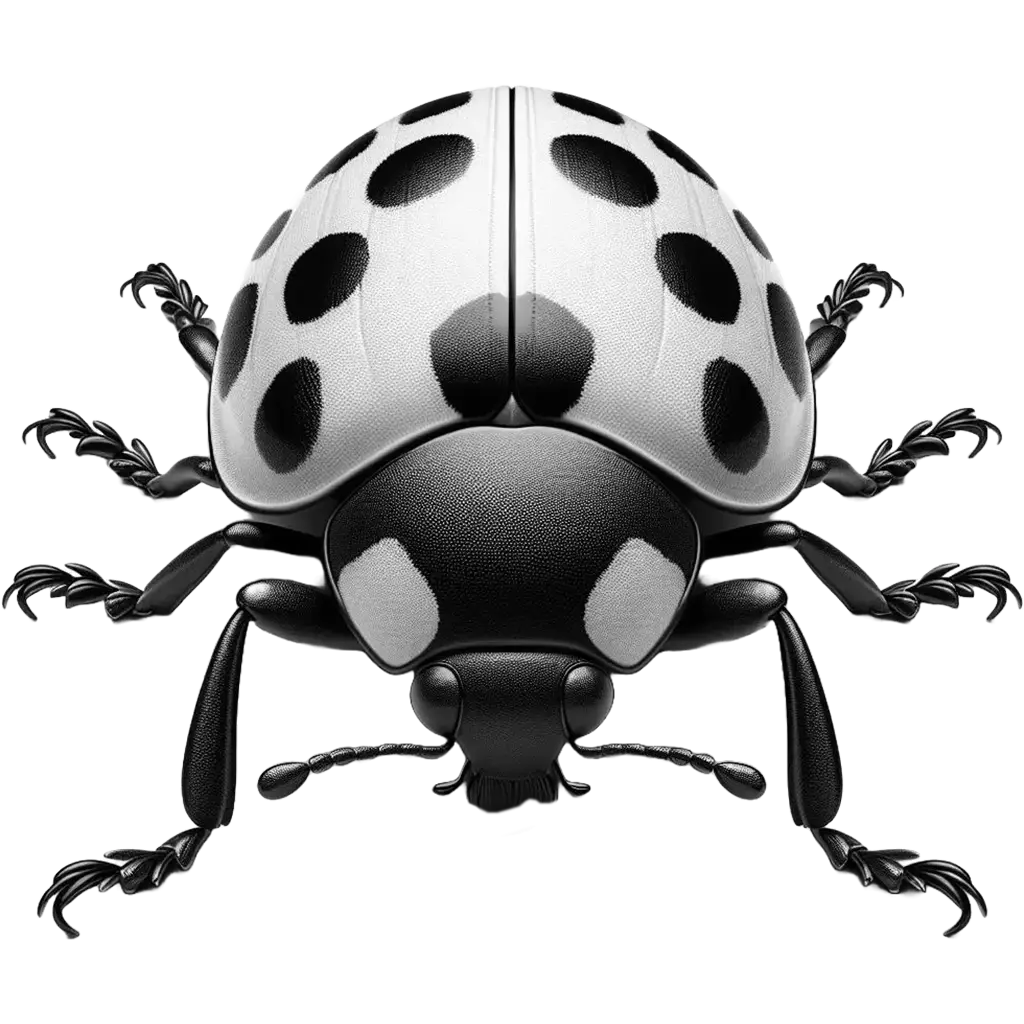
Common Ladybugs, coccinella septempunctata, are celebrated for their vibrant colors and beneficial role in agriculture and gardens worldwide. These small beetles, often characterized by their red and black spotted appearance, vary greatly in color and pattern, with hues ranging from yellow to orange and even black. Ladybugs are compact and
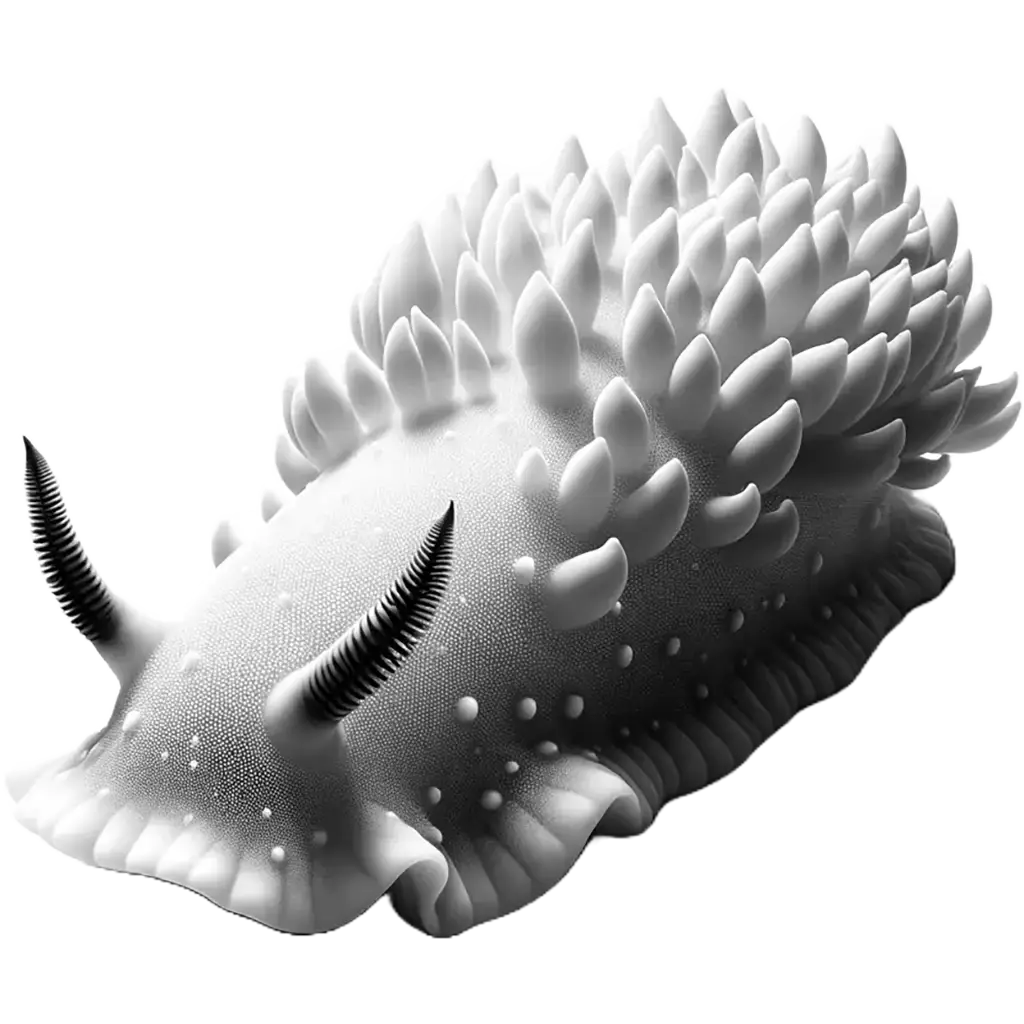
Slim Aesop, facelina auriculata, is a species of nudibranch, a group of soft-bodied, marine gastropod mollusks known for their extraordinary colors and striking forms. This particular species is characterized by its slender, transparent body, which can reach up to 40 mm in length, allowing for the visibility of its internal
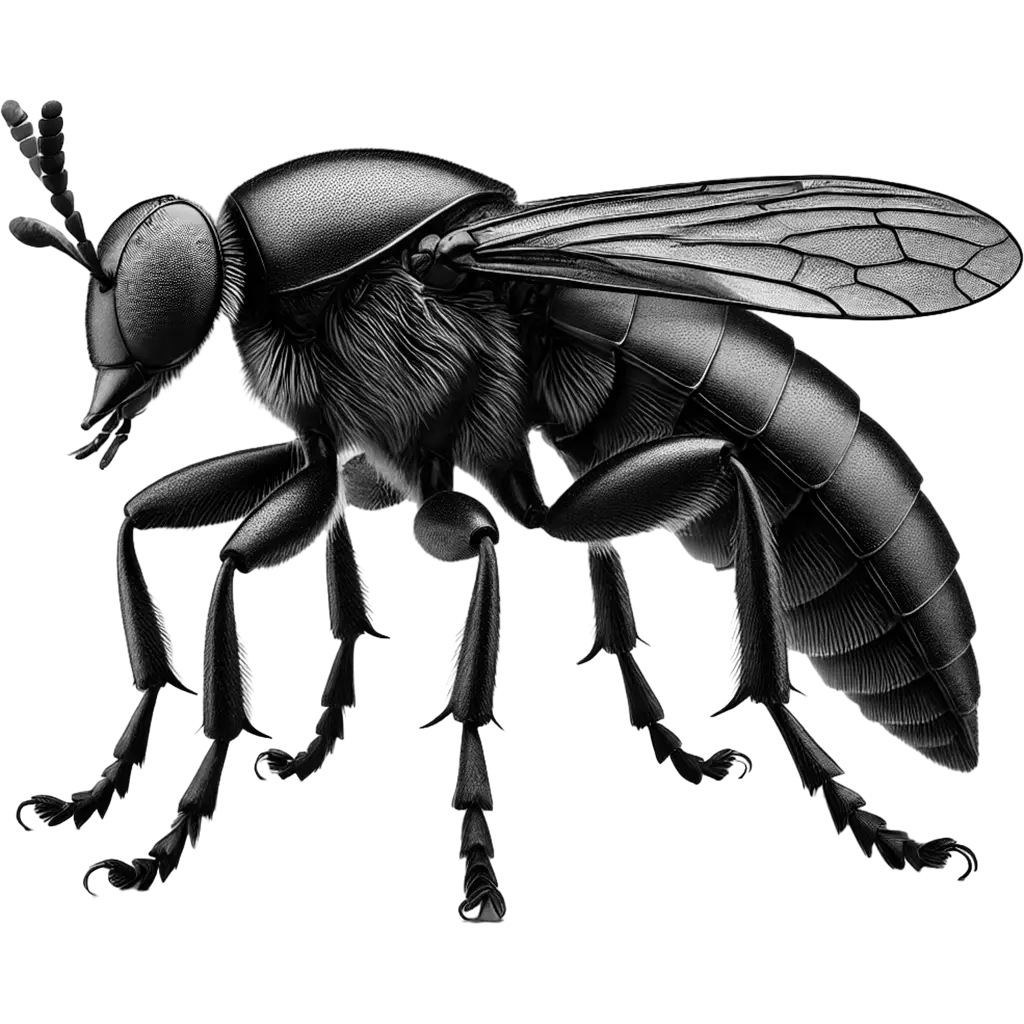
The Spanish fly is a striking blister beetle with a smooth, elongated body that measures roughly 1.5 to 2 centimeters in length. Its vivid orange to deep red coloration, accented by contrasting dark markings along the elytra, creates a bold, warning display. The body is slender yet soft, with delicate,
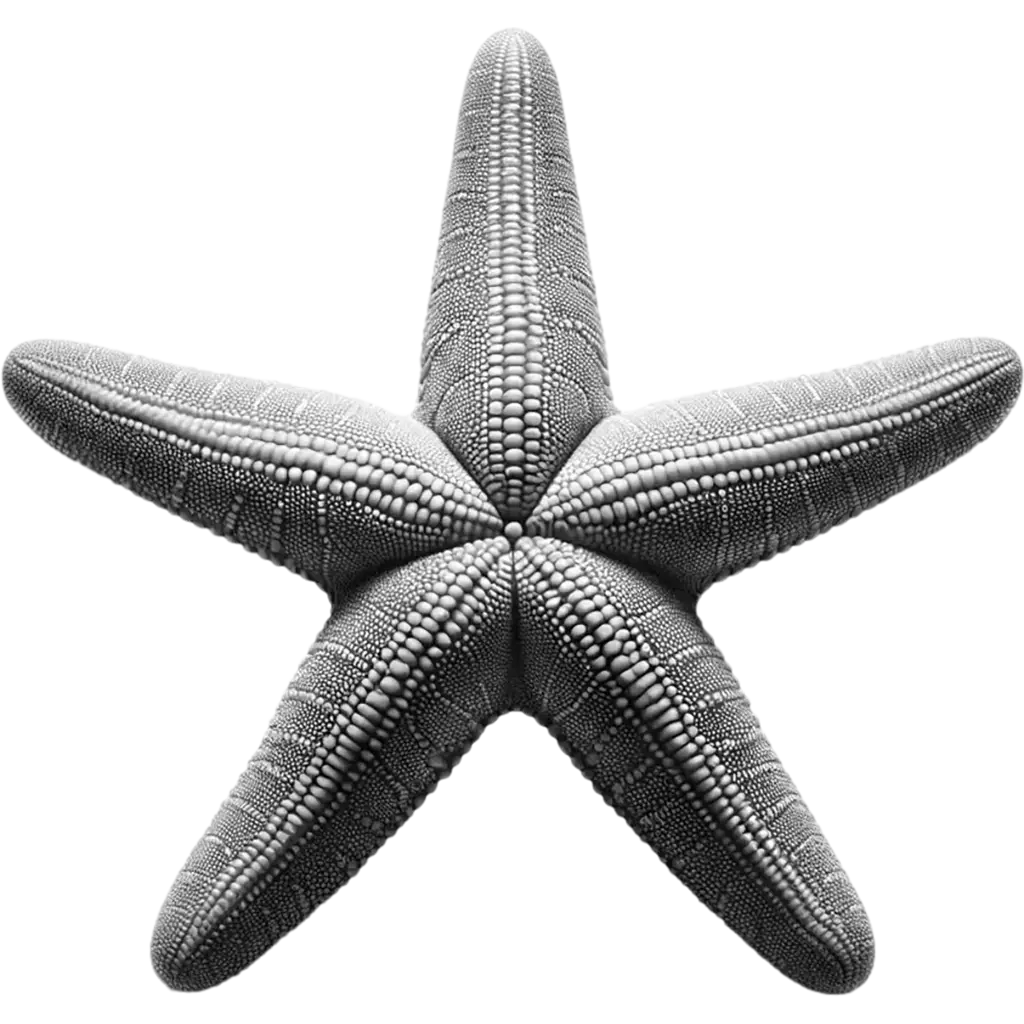
The Common Starfish, asterias rubens, is a widely recognized marine invertebrate found across the North Atlantic, from the Arctic Ocean to the Mediterranean Sea. This species typically exhibits five arms radiating from a central disc, though specimens with more arms can occasionally be found. The Common Starfish can reach a