
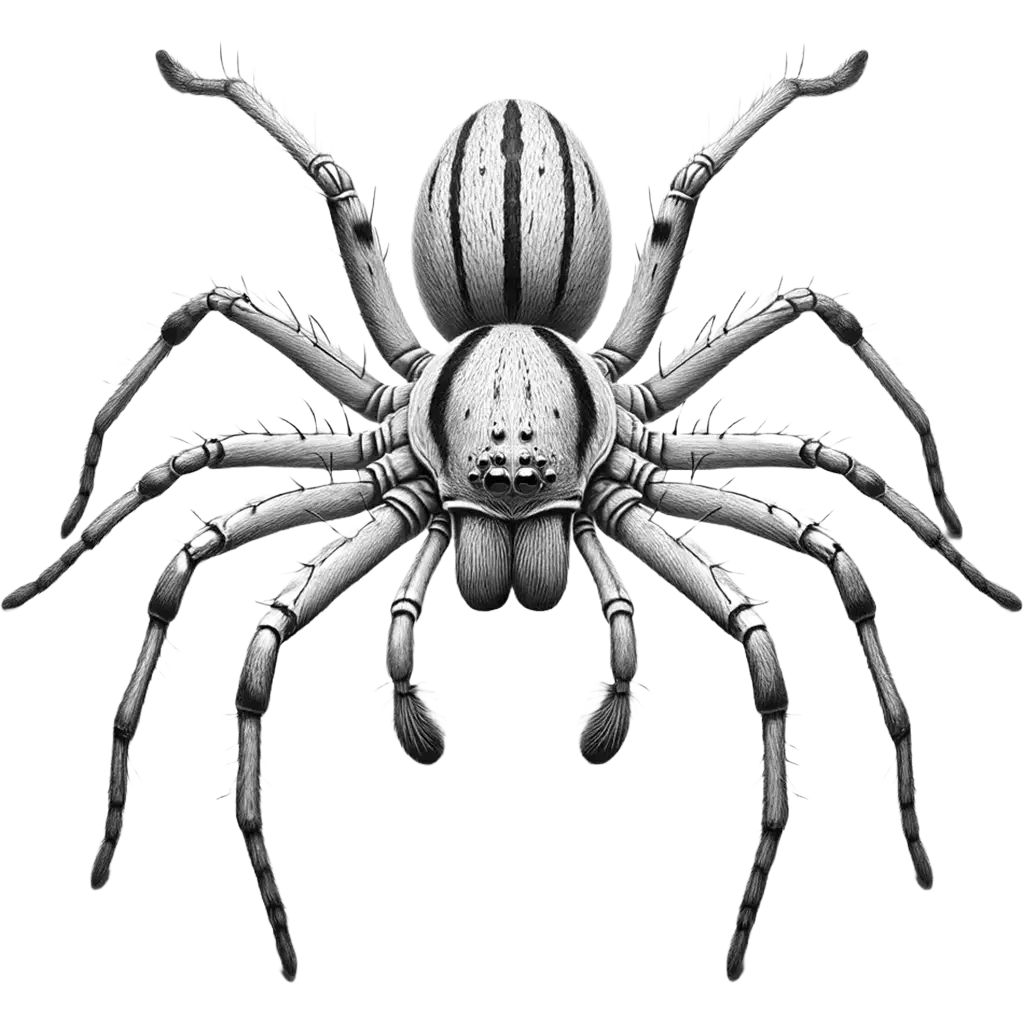
Argyroneta Aquatica
Diving Bell Spider
Freshwater ponds, slow-moving streams, and marshes
The Diving Bell Spider, argyroneta aquatica, stands out as the only spider known to live almost entirely under water. Adults typically measure between 10 to 15 mm in length, with females generally larger than males. Their coloration ranges from dark grey to brown, with a velvety appearance due to fine hairs covering their body and legs. These hairs help trap air, giving the spider a silvery sheen when submerged.
| Population: | Not thoroughly assessed, but considered to be of least concern |
| Generation Length: | 1 year |
| Average Weight: | Not typically measured due to small size, but very light |
| Average Length: | 10-15 mm for females, smaller for males |
| Lifespan: | Up to 2 years |
| Diet: | Aquatic carnivore, feeding on organisms within its underwater habitat |
| Conservation Status: | Not Evaluated (NE) |
Found in freshwater ponds, streams, and marshes across Europe and parts of Asia, the Diving Bell Spider creates a unique underwater 'diving bell' web, which it fills with air carried down from the surface. This bubble acts as a gill, allowing the spider to extract oxygen from the water, and serves as a habitat for eating, molting, mating, and raising offspring. This remarkable adaptation enables the spider to spend its entire life underwater.
The diet of the Diving Bell Spider primarily consists of aquatic invertebrates, such as mosquito larvae and small crustaceans. They are ambush predators, waiting within or near their bubble to catch prey that swims too close. Their underwater web also helps to trap air bubbles released by fermenting organic matter, which can attract prey.
Reproduction involves the male preparing a smaller diving bell adjacent to the female's, where courtship and mating occur. The female lays her eggs inside her bell, where she guards them until they hatch. The spiderlings are born with the ability to form their own miniature air bubbles, enabling them to disperse underwater.
The population of the Diving Bell Spider is considered stable, though it is susceptible to threats from water pollution and habitat destruction. These spiders are indicators of clean, oxygen-rich water and play a role in controlling mosquito populations. Conservation efforts for Argyroneta aquatica emphasize the importance of maintaining healthy freshwater ecosystems and promoting biodiversity.
Classifications
The Key Attributes
Features
- Movement:
Swimming, crawling
- Territorial Behavior:
Solitary, each individual maintains its own underwater web structure
- Speed:
Adept at moving both underwater using its web and on land
- Diet:
Carnivore
- Physical Features:
- Silver abdomen due to air bubbles trapped by dense hairs
- Legs adapted for swimming and walking
- Can breathe underwater using its diving bell web filled with air
- Eyes adapted for good vision in underwater and terrestrial environments
- Primary Senses:
- Touch
- Sight
Understanding Habitat and Range
Geography
- Habitat:
Freshwater ponds, slow-moving streams, and marshes
- Migration Patterns:
Non-migratory, but can disperse to new water bodies
- Geographical Range:
Widespread across Europe and northern Asia
- Climate Preferences:
Prefers temperate freshwater environments
Navigating the Wilderness
In the wild
- Predators:
Fish, frogs, and larger aquatic insects
- Prey:
Small invertebrates, such as water fleas, mosquito larvae, and small crustaceans
- Feeding Behavior:
Predatory, capturing small aquatic invertebrates and occasionally small fish
- Diet:
Aquatic carnivore, feeding on organisms within its underwater habitat
- Defensive Mechanisms:
- Retreating into its diving bell for safety
- Camouflage and stealth when hunting
- Preferred Food Sources:
- Areas rich in small aquatic organisms
Insights Into Reproduction
Mating
- Mating System:
Polygynous
- Number of Offspring:
Varies, but can lay dozens of eggs in a sac
- Incubation Period:
Several weeks to months, depending on environmental conditions
- Parental Involvement:
- Females protect the eggs in the diving bell until they hatch
Youngsters Section
Diving Bell Spider
Fun Fact
The diving bell spider is the only spider that lives almost entirely underwater.
This fascinating arachnid creates an air bubble web, called a diving bell, to breathe and lay eggs. It surfaces to collect air, storing it in the diving bell. This unique adaptation allows the spider to hunt aquatic prey and survive in ponds and lakes across Europe and Asia.

Download word search puzzles
Word Search Puzzles
Check Out Other Invertebrates
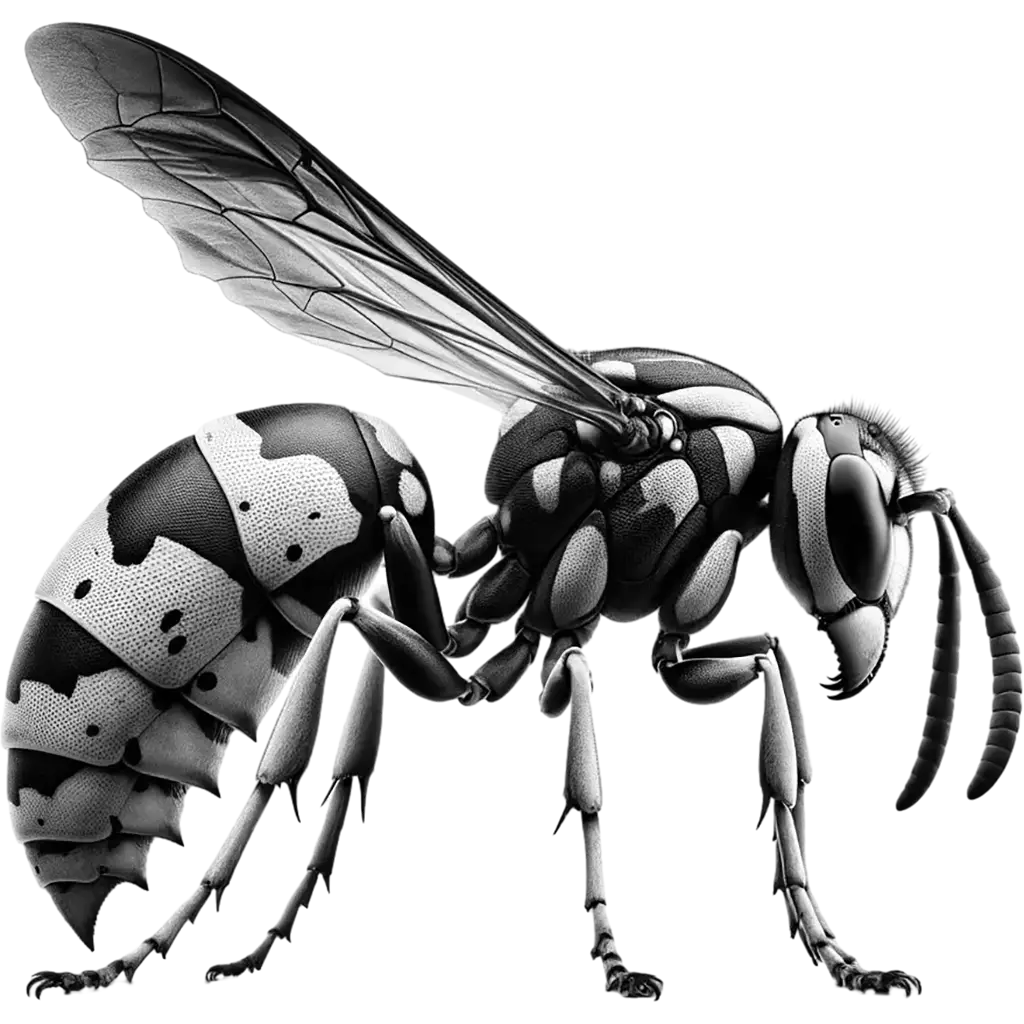
The term Yellowjacket refers to several species of the genus Dolichovespula and Vespula, known for their distinctive yellow and black body markings. These social insects are medium-sized wasps, with workers typically measuring 10 to 16 mm in length. They possess a slender body with a narrow waist, two pairs of
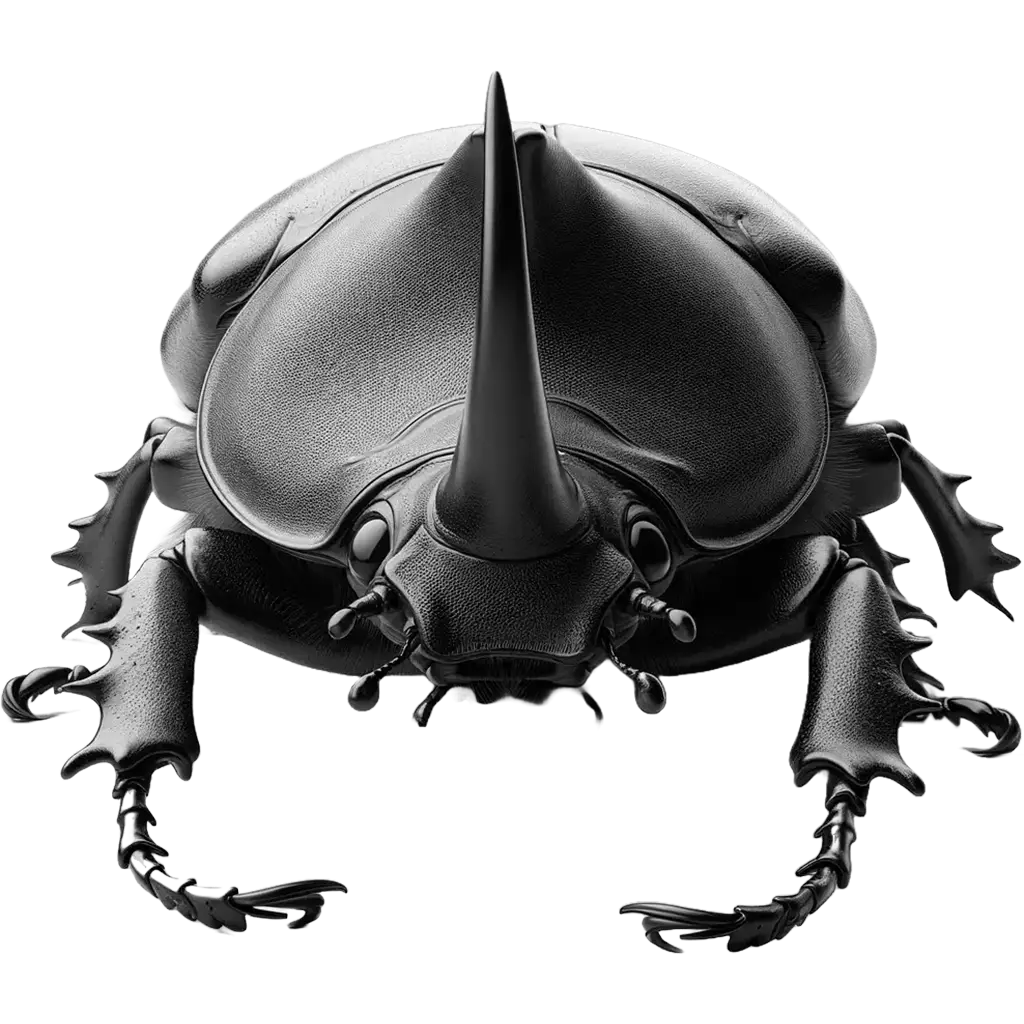
Rhinoceros Beetles, oryctes nasicornis, are among the largest of beetles, with some species reaching up to 15 cm in length, including their distinctive horn-like structures. These beetles are characterized by their impressive size, robust body, and the prominent horns on the males' heads and thoraxes, from which they derive their
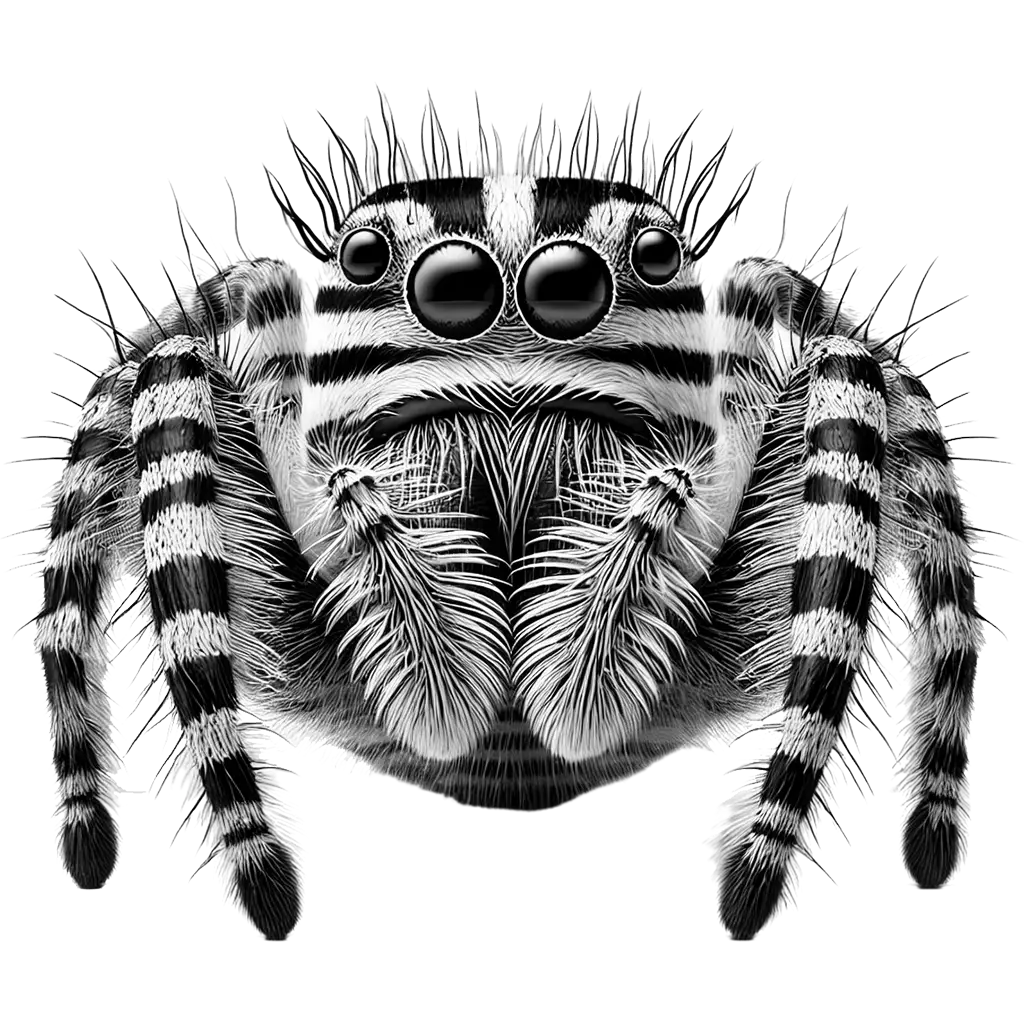
The Zebra Spider is a small, agile jumping spider characterized by its distinctive black and white striped pattern that resembles zebra markings. Its compact body, long spindly legs, and large forward-facing eyes give it an alert and inquisitive appearance, perfectly adapted for active hunting on walls and windows in both
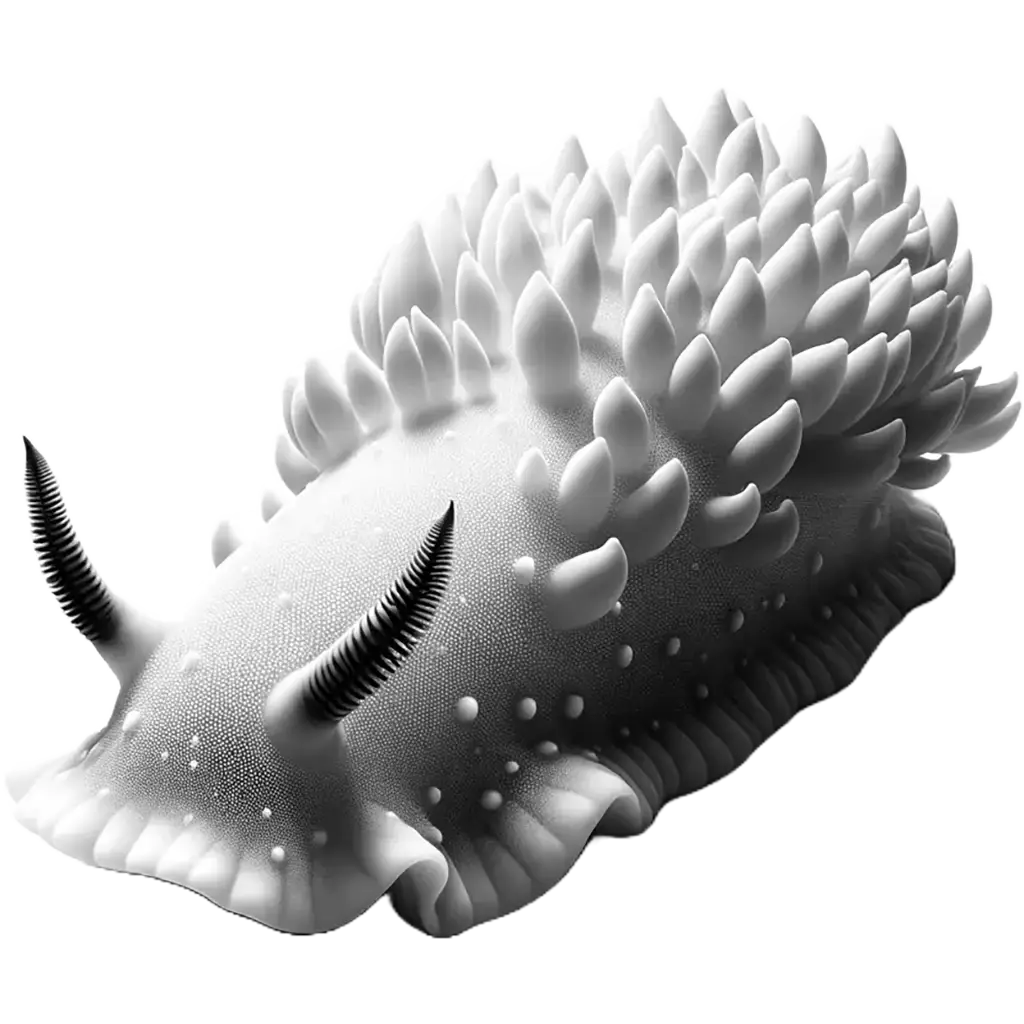
Slim Aesop, facelina auriculata, is a species of nudibranch, a group of soft-bodied, marine gastropod mollusks known for their extraordinary colors and striking forms. This particular species is characterized by its slender, transparent body, which can reach up to 40 mm in length, allowing for the visibility of its internal