
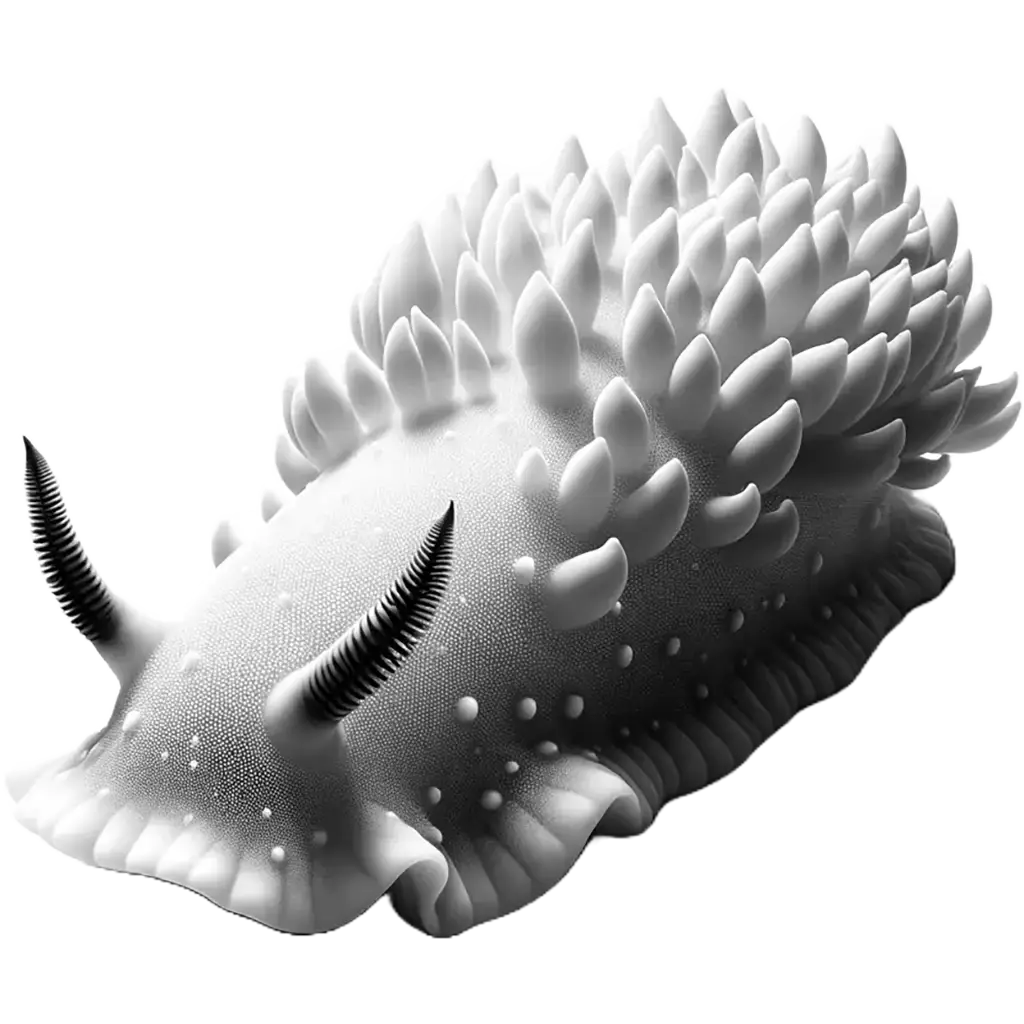
Facelina Auriculata
Slim Aesop
Marine environments, often found in shallow waters on or near hydroids, their prey
Slim Aesop, facelina auriculata, is a species of nudibranch, a group of soft-bodied, marine gastropod mollusks known for their extraordinary colors and striking forms. This particular species is characterized by its slender, transparent body, which can reach up to 40 mm in length, allowing for the visibility of its internal organs. The body of Slim Aesop is adorned with elongated cerata, finger-like projections that cover its back and sides, used for respiration and defense. These cerata are often tipped with bright colors, ranging from orange to pink, adding to its distinctive appearance.
| Population: | Data on specific population status is limited, but nudibranchs are generally not considered endangered |
| Generation Length: | Less than a year |
| Average Weight: | Not typically measured due to small size |
| Average Length: | Up to 4 cm |
| Lifespan: | Up to 1 year |
| Diet: | Specialized feeder on hydroids and related cnidarians |
| Conservation Status: | Not Evaluated (NE) |
Native to the temperate and subtropical waters of the Atlantic Ocean, as well as the Mediterranean and North Seas, Slim Aesop prefers shallow, rocky environments where it can find its prey. It is a predator, feeding primarily on small anemones, capturing them with its oral tentacles and ingesting them with its radula, a ribbon-like structure filled with tiny teeth.
Reproduction in Slim Aesop involves laying eggs in coiled, gelatinous masses on the substrates, often where their prey is abundant. Like other nudibranchs, Slim Aesop is a simultaneous hermaphrodite, meaning individuals possess both male and female reproductive organs, allowing for mutual exchange of sperm during mating.
The population status of Slim Aesop is not well-documented, largely due to its cryptic nature and the vastness of its marine habitat. However, nudibranchs, in general, are considered good indicators of biodiversity and environmental health in their ecosystems. Conservation efforts for marine habitats indirectly benefit the survival of species like Slim Aesop, highlighting the importance of preserving the world's oceanic biodiversity.
The striking appearance and ecological role of Slim Aesop make it a subject of interest for marine biologists and enthusiasts alike. Its presence contributes to the complex mosaic of life found in marine ecosystems, underscoring the vast diversity hidden beneath the waves.
Classifications
The Key Attributes
Features
- Movement:
Crawling
- Territorial Behavior:
Non-territorial
- Speed:
Slow-moving
- Diet:
Carnivore
- Physical Features:
- Elongated, slender body with cerata (finger-like projections) on the back
- Transparent or translucent body with brightly colored cerata
- Lacks a true shell but may have a rudimentary internal shell or none at all
- Head has oral tentacles and rhinophores for sensing its environment
- Primary Senses:
- Chemical sensing
- Tactile
Understanding Habitat and Range
Geography
- Habitat:
Marine environments, often found in shallow waters on or near hydroids, their prey
- Migration Patterns:
Sessile or limited movement; largely dependent on ocean currents for dispersal
- Geographical Range:
Found in the North Atlantic Ocean, particularly around the coasts of Europe and North America
- Climate Preferences:
Cold to temperate marine waters
Navigating the Wilderness
In the wild
- Predators:
Fish, other nudibranchs, and sea anemones
- Prey:
Primarily hydroids, occasionally small crustaceans and other nudibranchs
- Feeding Behavior:
Feeds on hydroids and sometimes small crustaceans or other nudibranchs
- Diet:
Specialized feeder on hydroids and related cnidarians
- Defensive Mechanisms:
- Camouflage
- Toxic or distasteful chemicals absorbed and integrated from its prey for defense
- Preferred Food Sources:
- Areas rich in hydroid colonies
Insights Into Reproduction
Mating
- Mating System:
Simultaneous hermaphrodites; can act as both male and female during mating
- Number of Offspring:
Can lay hundreds of eggs in ribbon-like strings
- Incubation Period:
Eggs hatch within days to weeks, depending on temperature
- Parental Involvement:
- No parental care; larvae are planktonic and independent post-hatching
Youngsters Section
Slim Aesop
Fun Fact
Slim Aesop, or Facelina auriculata, is a strikingly colorful sea slug found in European waters.
It has cerata, finger-like appendages, which help it breathe and defend against predators. These cerata contain stinging cells from its prey, offering the sea slug protection. Slim Aesop's vibrant colors warn potential predators of its toxicity.

Download word search puzzles
Word Search Puzzles

Check Out Other Invertebrates
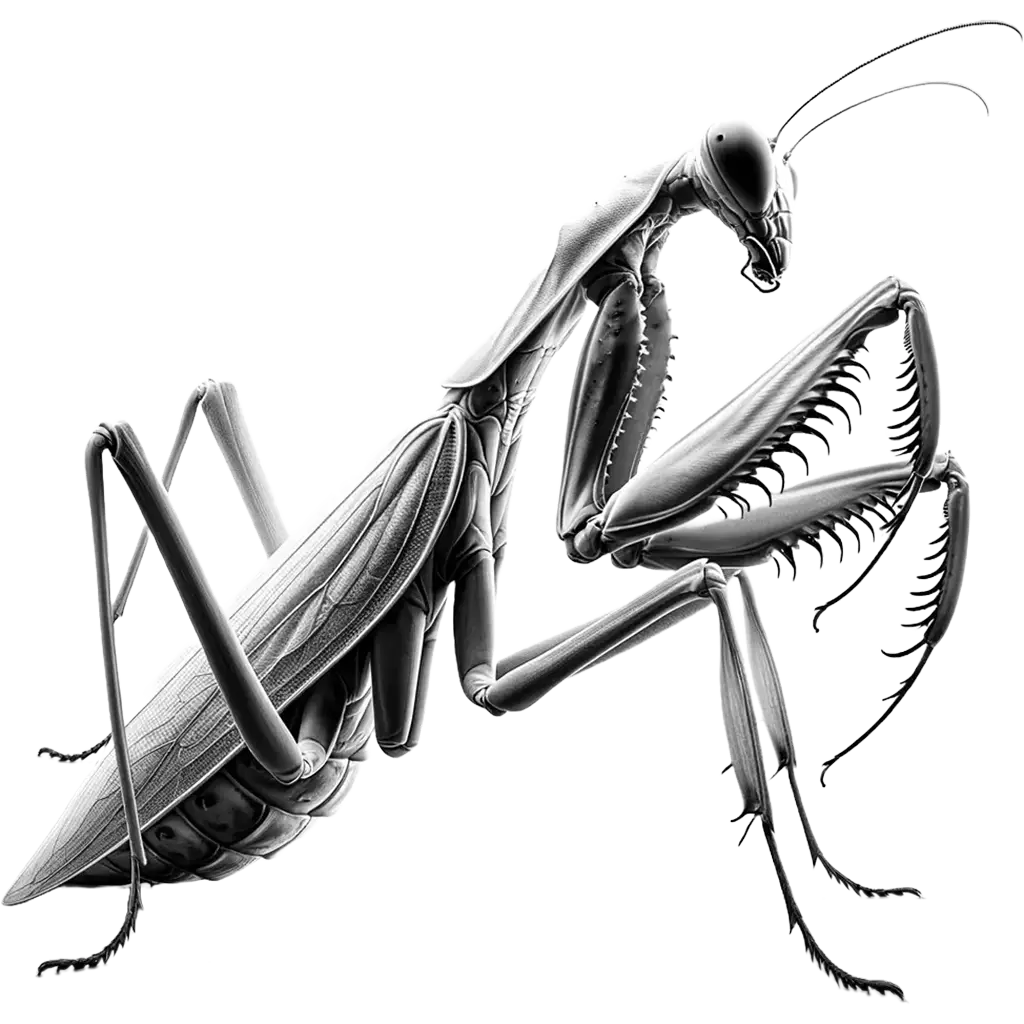
The European Mantis, mantis religiosa, is a widely recognized species of praying mantis, notable for its distinctive posture and predatory behavior. Adult mantises can reach lengths of about 5 to 7.5 cm, exhibiting a range of colors from green to brown, which aids in camouflage within their natural habitats. They
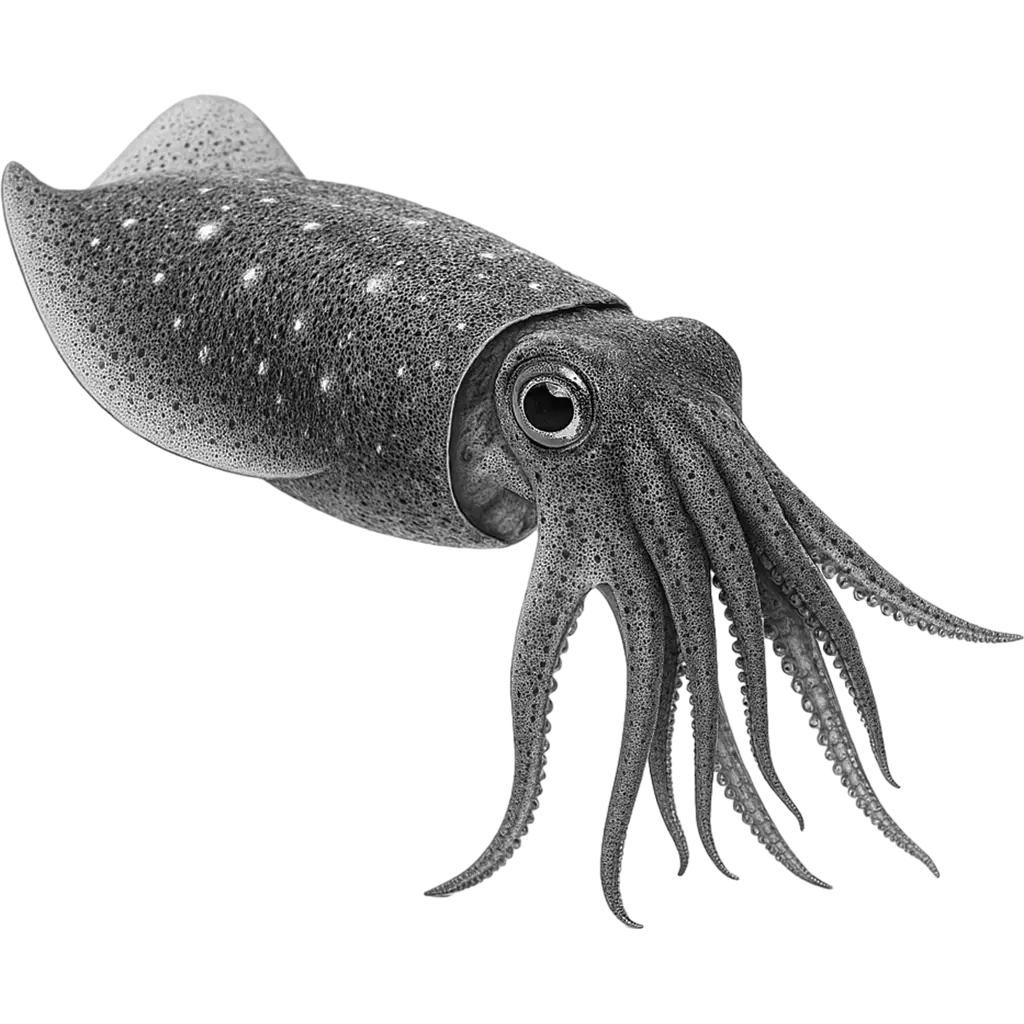
The Caribbean Reef Squid exhibits a sleek, elongated body with a soft mantle that shimmers in silvery hues and iridescent blues. Its large eyes and a crown of retractable tentacles, each lined with tiny suckers, give it an otherworldly appearance. The flexible skin rapidly changes color, enabling it to blend
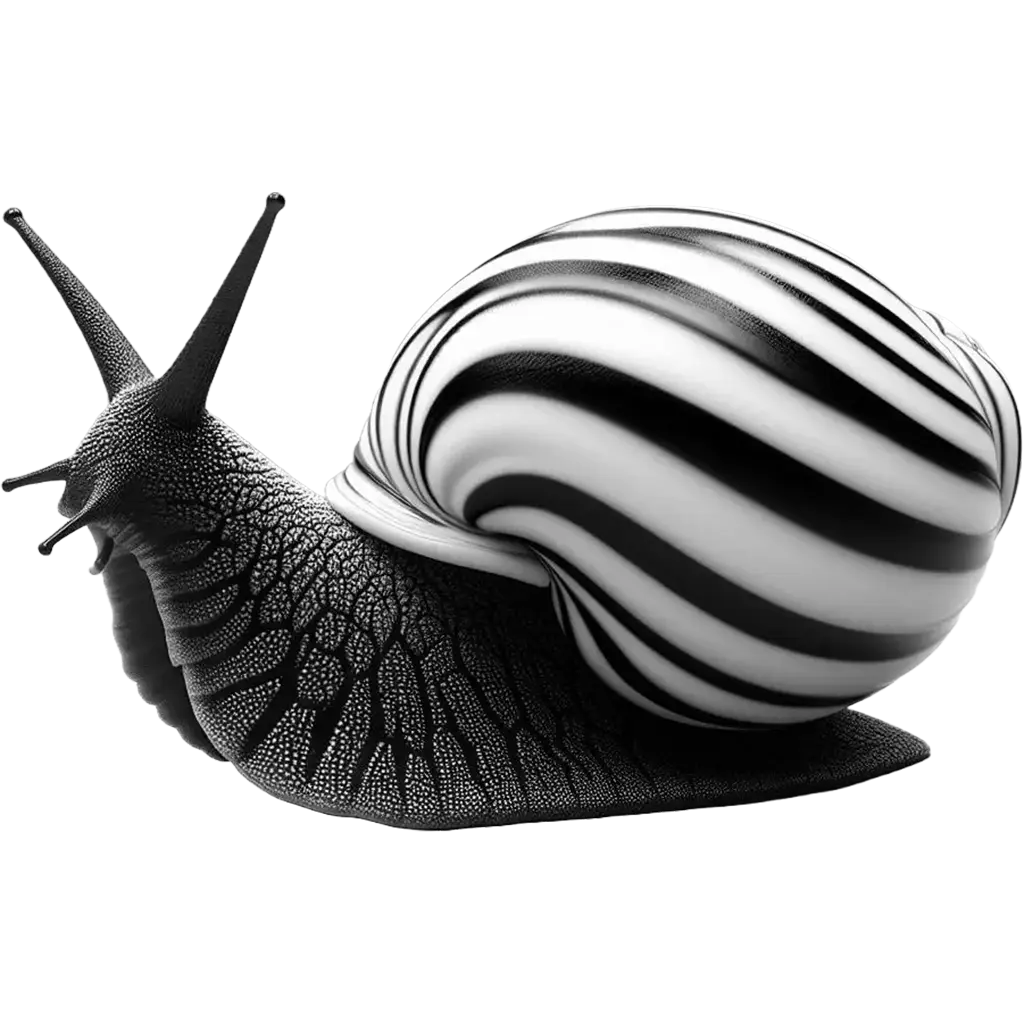
The Cowry Snail, cypraea tigris, often simply referred to as the Tiger Cowry, is a marine gastropod renowned for its highly polished, beautifully patterned shell. This species is widespread across the tropical and subtropical waters of the Indo-Pacific region, from the east coast of Africa, across the Indian Ocean, to
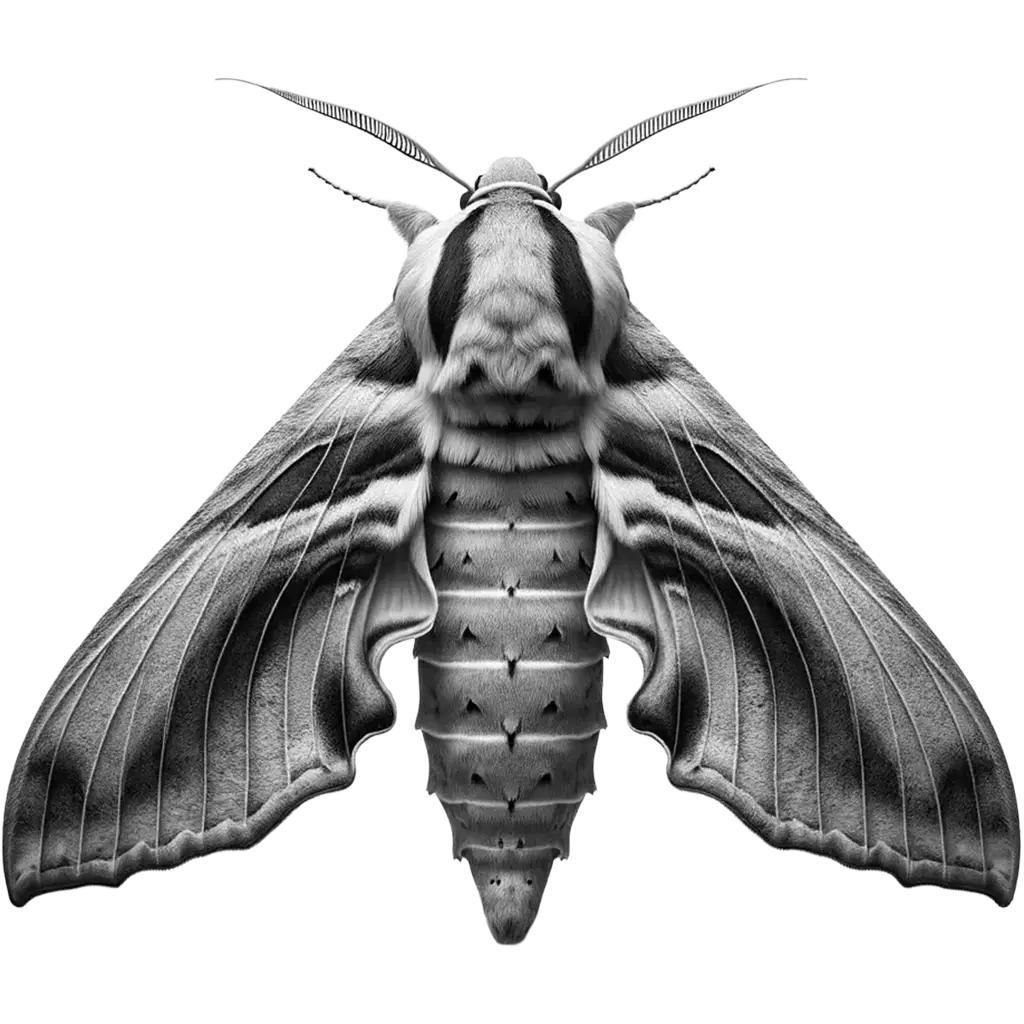
The Lime Hawk-Moth, mimas tiliae, is a striking and colorful species of moth found across Europe and into parts of Asia, recognized for its vibrant green and pink hues that blend seamlessly with the foliage of lime trees, its primary habitat and food source during the larval stage. Adult moths