
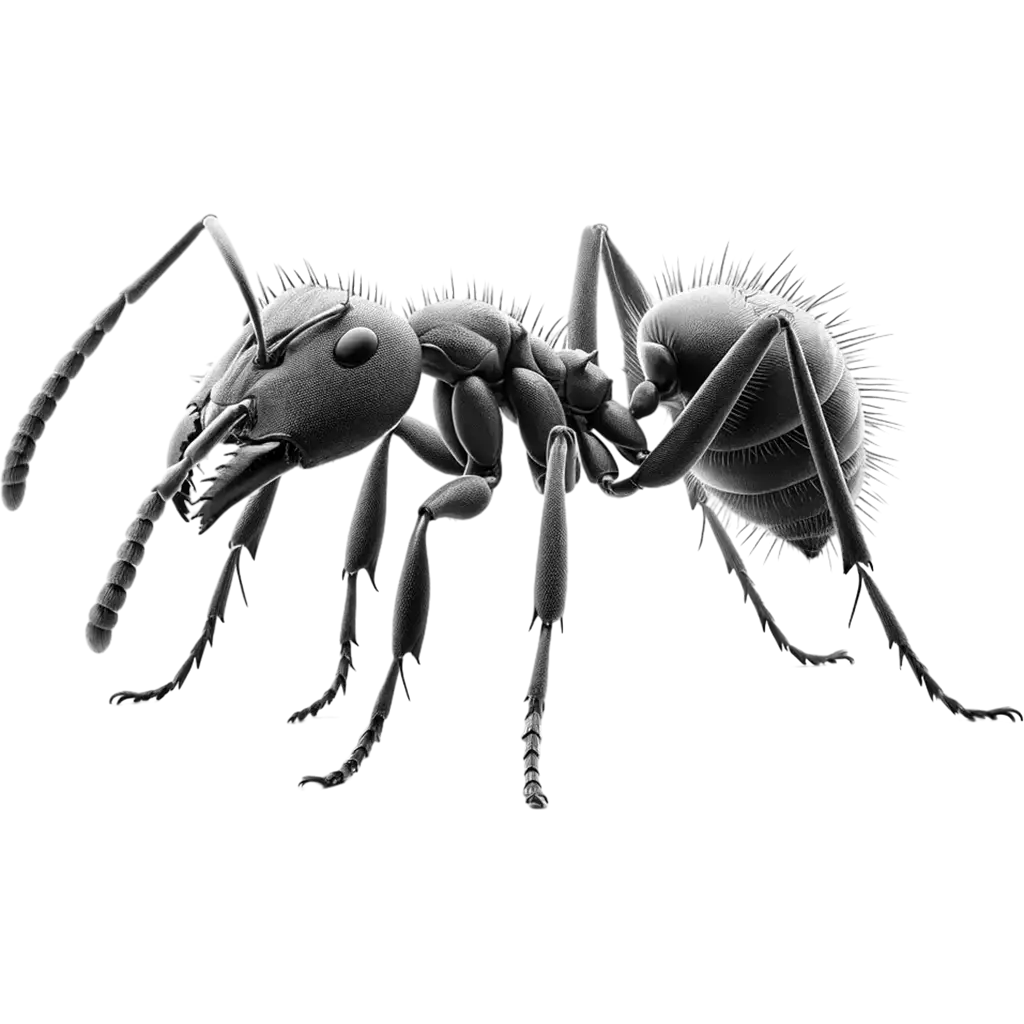
Solenopsis Invicta
Fire Ant
Grasslands, urban areas, and agricultural regions
Fire Ants, solenopsis invicta, belonging to the genus Solenopsis, are small yet aggressive insects notorious for their painful stings and rapid, widespread colonization. These ants are easily recognizable by their reddish-brown to black coloration and vary in size, typically measuring between 2 to 6 mm in length. Fire Ants build large mounds in open areas, and these can house thousands to hundreds of thousands of individuals, including workers, males, queens, and developing larvae and pupae.
| Population: | Widespread and abundant, considered invasive in many areas |
| Generation Length: | 1-2 months |
| Average Weight: | Not typically measured due to small size |
| Average Length: | 2-6 mm, depending on the caste |
| Lifespan: | Workers live up to 5 weeks; queens can live for 2-6 years |
| Diet: | Omnivorous, preferring protein-rich foods like insects and small vertebrates |
| Conservation Status: | Not Evaluated (NE) |
Native to South America, Fire Ants have become invasive species in many parts of the world, including the United States, where they pose significant ecological, agricultural, and public health threats. They prefer warm, sunny conditions and are commonly found in disturbed areas, such as agricultural fields, parks, and yards, where they can aggressively defend their nests against intruders.
The diet of Fire Ants is diverse, including proteins, sugars, and fats, which they obtain from a variety of animal and plant sources. They are omnivorous, feeding on insects, earthworms, and small vertebrates, as well as seeds and sweet substances like honeydew from aphids. Fire Ants are also known to invade homes in search of food, particularly sweet and oily substances.
Reproduction in Fire Ants involves the mating flight, where virgin queens and males fly from the nest to mate. After mating, males typically die, while fertilized queens land, shed their wings, and establish new colonies. A single queen can lay thousands of eggs, leading to rapid population growth and the spread of Fire Ant colonies across large areas.
The population of Fire Ants, especially invasive species like Solenopsis invicta, has expanded dramatically in areas outside their native range, leading to efforts to control their spread. Management strategies include chemical treatments, biological control agents, and public education on preventing ant infestations. Despite control efforts, Fire Ants remain a resilient and challenging pest in affected regions.
Classifications
The Key Attributes
Features
- Movement:
Crawling
- Territorial Behavior:
Highly territorial and aggressive
- Speed:
Fast-moving, especially when disturbed
- Diet:
Omnivore
- Physical Features:
- Small, segmented body with a reddish-brown color
- Elbowed antennae and strong mandibles
- Painful sting that can cause swelling and redness
- Distinctive mound-shaped nests
- Primary Senses:
- Chemical communication (pheromones)
- Touch
- Vibration
Understanding Habitat and Range
Geography
- Habitat:
Grasslands, urban areas, and agricultural regions
- Migration Patterns:
Spread through human activities and natural dispersal
- Geographical Range:
Native to South America, invasive in North America, Australia, and other parts
- Climate Preferences:
Prefers warm, sunny climates
Navigating the Wilderness
In the wild
- Predators:
Ant-eating birds, arachnids, and other insects
- Prey:
Wide range of organic materials, including seeds, fruits, and other insects
- Feeding Behavior:
Feeds on plant material, insects, and small animals; also harvests seeds
- Diet:
Omnivorous, preferring protein-rich foods like insects and small vertebrates
- Defensive Mechanisms:
- Stinging in defense and to subdue prey
- Aggressive group behavior to overpower intruders and large prey
- Preferred Food Sources:
- Diverse, from plant nectar to animal carcasses
Insights Into Reproduction
Mating
- Mating System:
Polygynous, with queens mating with multiple males
- Number of Offspring:
Thousands of workers, with one or more reproductive queens in each colony
- Incubation Period:
Egg to adult stage typically takes about 30 days
- Parental Involvement:
- Queens lay eggs, while worker ants care for the young and maintain the nest
Youngsters Section
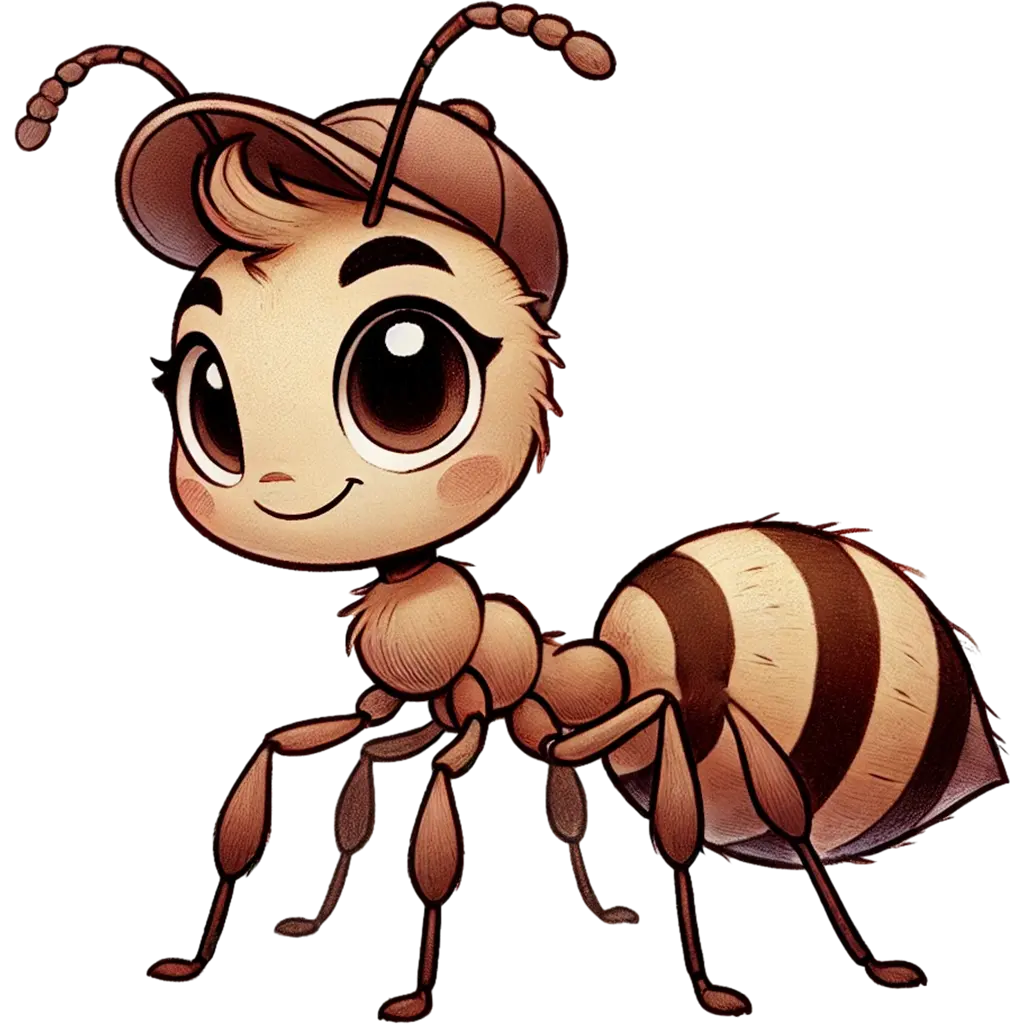
Fire Ant
Fun Fact
Fire ants are known for their painful sting and aggressive behavior when their nests are disturbed.
These ants build large mounds and are highly adaptable, thriving in various environments. Their sting injects venom causing a burning sensation, which gives them their name. Fire ants play a role in the ecosystem by preying on pests and aerating soil, though they can also be invasive and harmful to native species.

Download word search puzzles
Word Search Puzzles
Check Out Other Invertebrates
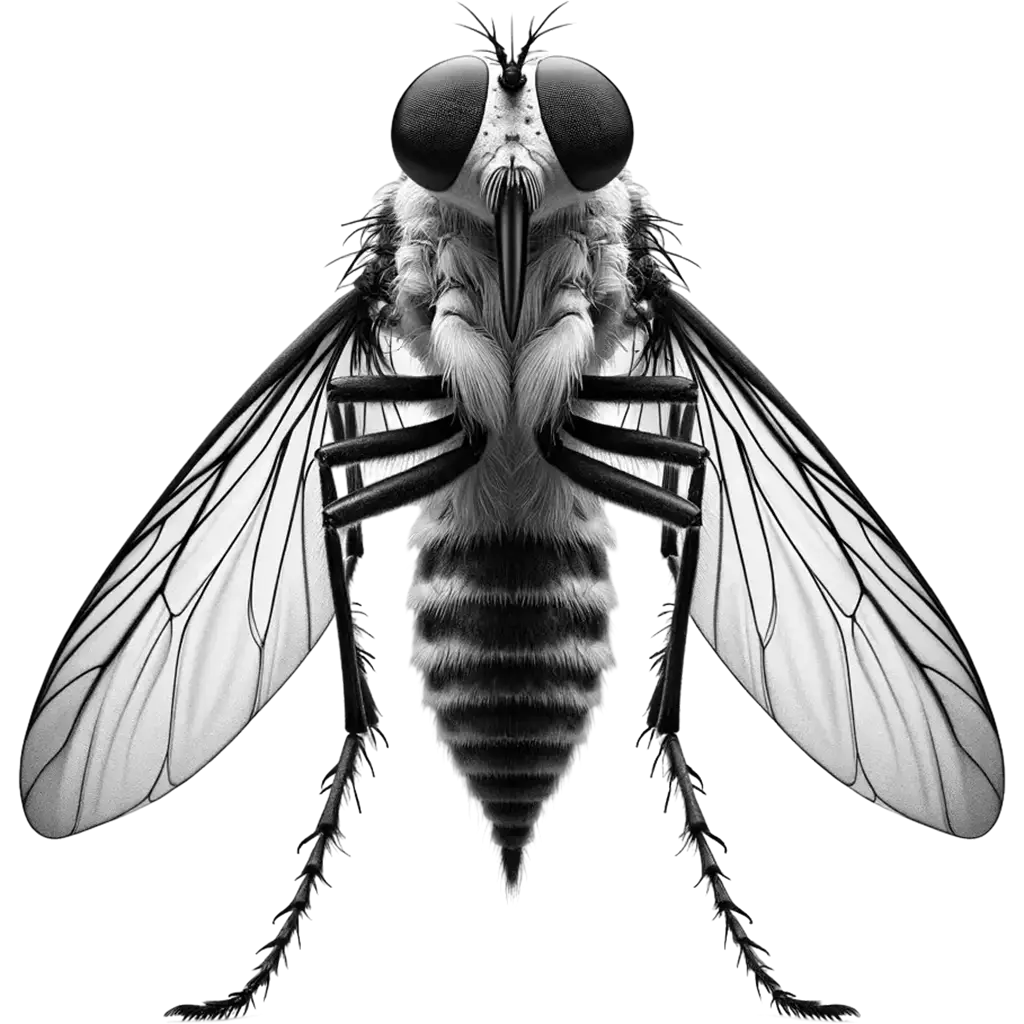
The Tsetse Fly, glossina morsitans, is a blood-feeding insect known for its role in transmitting trypanosomiasis, also known as sleeping sickness in humans and nagana in animals. Measuring about 8 to 17 mm in length, tsetse flies are distinguishable by their distinct forward-projecting proboscis and the unique hatchet-shaped cell in
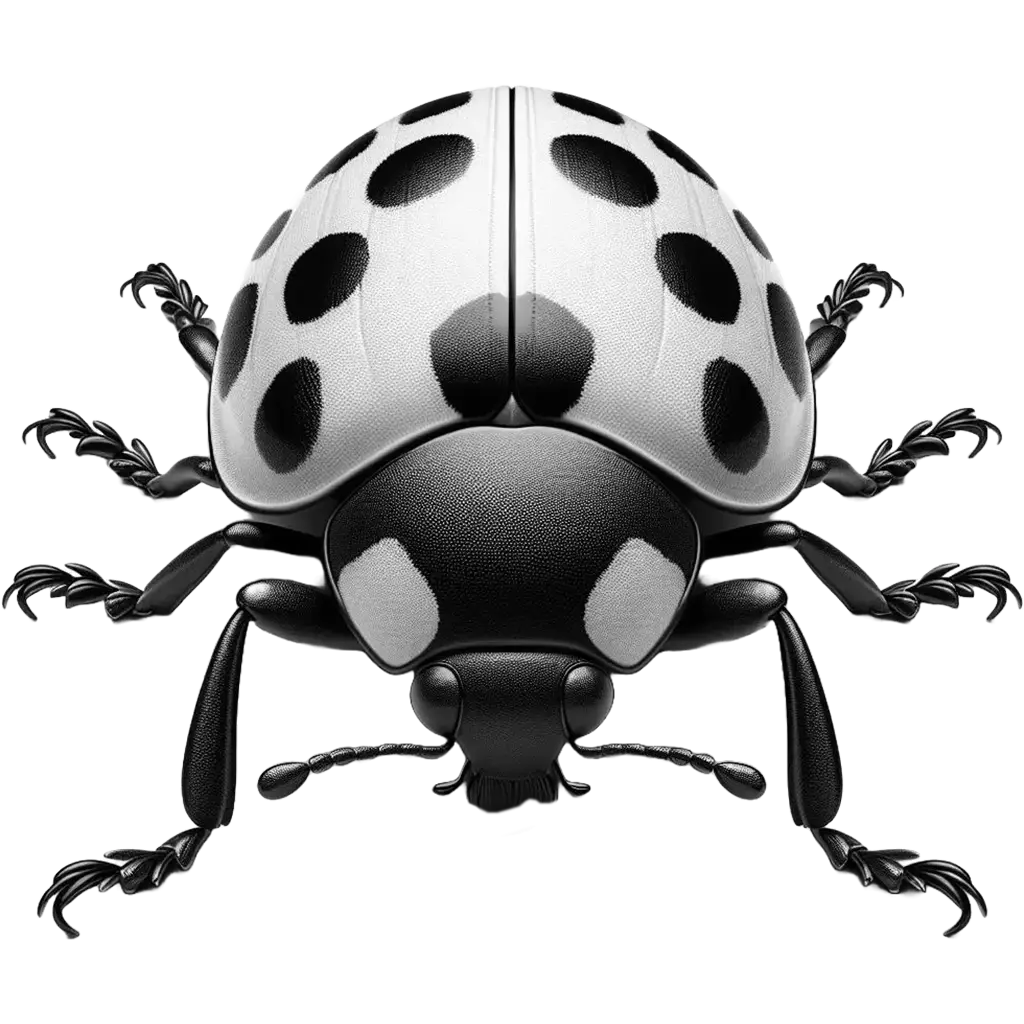
Common Ladybugs, coccinella septempunctata, are celebrated for their vibrant colors and beneficial role in agriculture and gardens worldwide. These small beetles, often characterized by their red and black spotted appearance, vary greatly in color and pattern, with hues ranging from yellow to orange and even black. Ladybugs are compact and
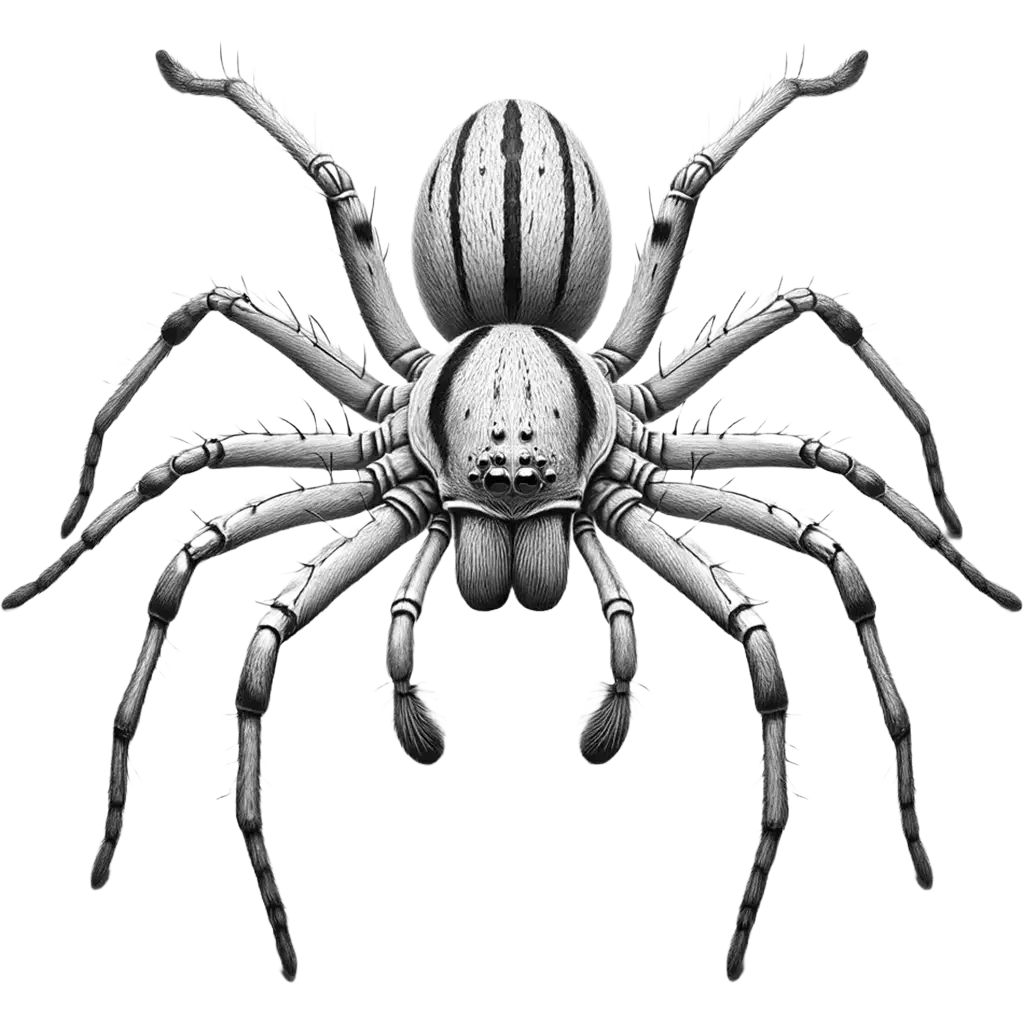
The Diving Bell Spider, argyroneta aquatica, stands out as the only spider known to live almost entirely under water. Adults typically measure between 10 to 15 mm in length, with females generally larger than males. Their coloration ranges from dark grey to brown, with a velvety appearance due to fine
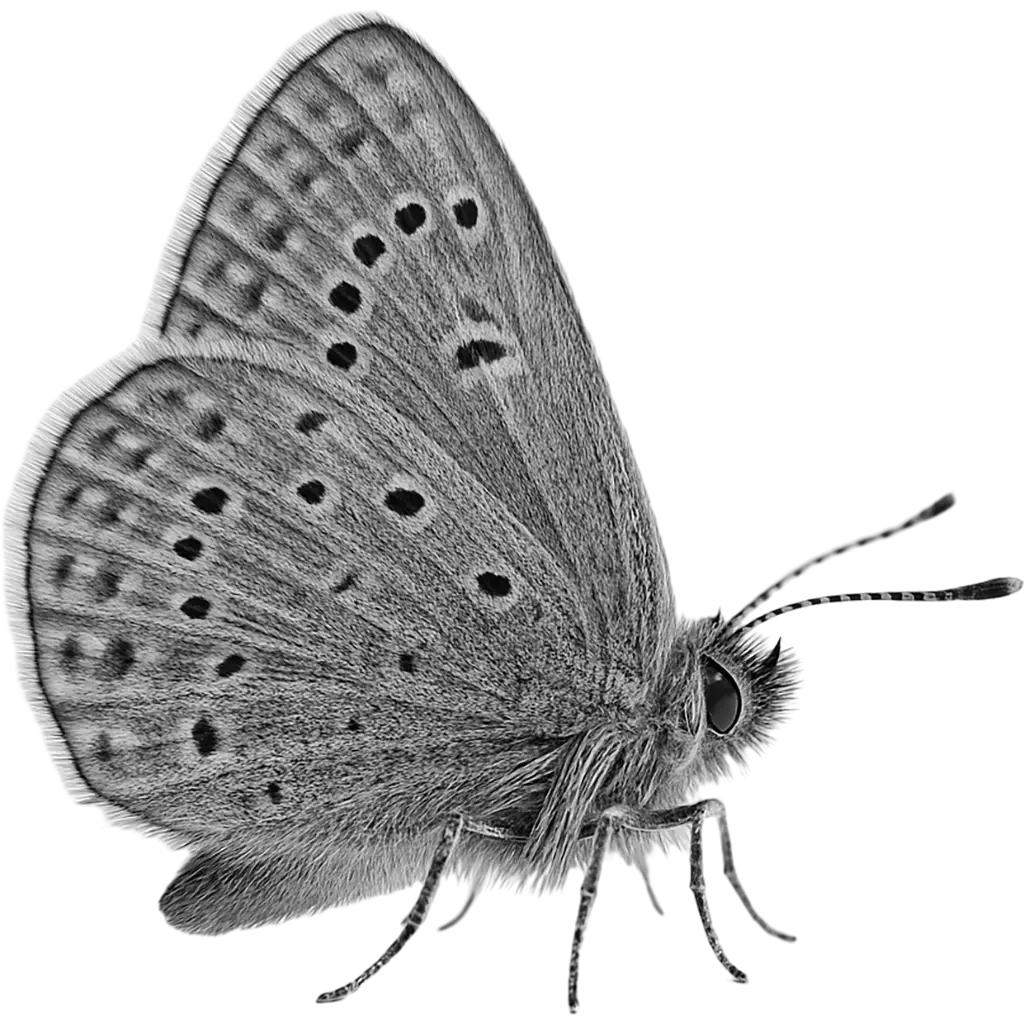
The Tiny Grass Blue is a diminutive butterfly with a wingspan of approximately 15 to 20 millimetres. Upperside wings display bright pale blue hues bordered with narrow dark margins, while the underwings are greyish with faint white streaks and tiny black spots. The body is slender and covered in fine,