
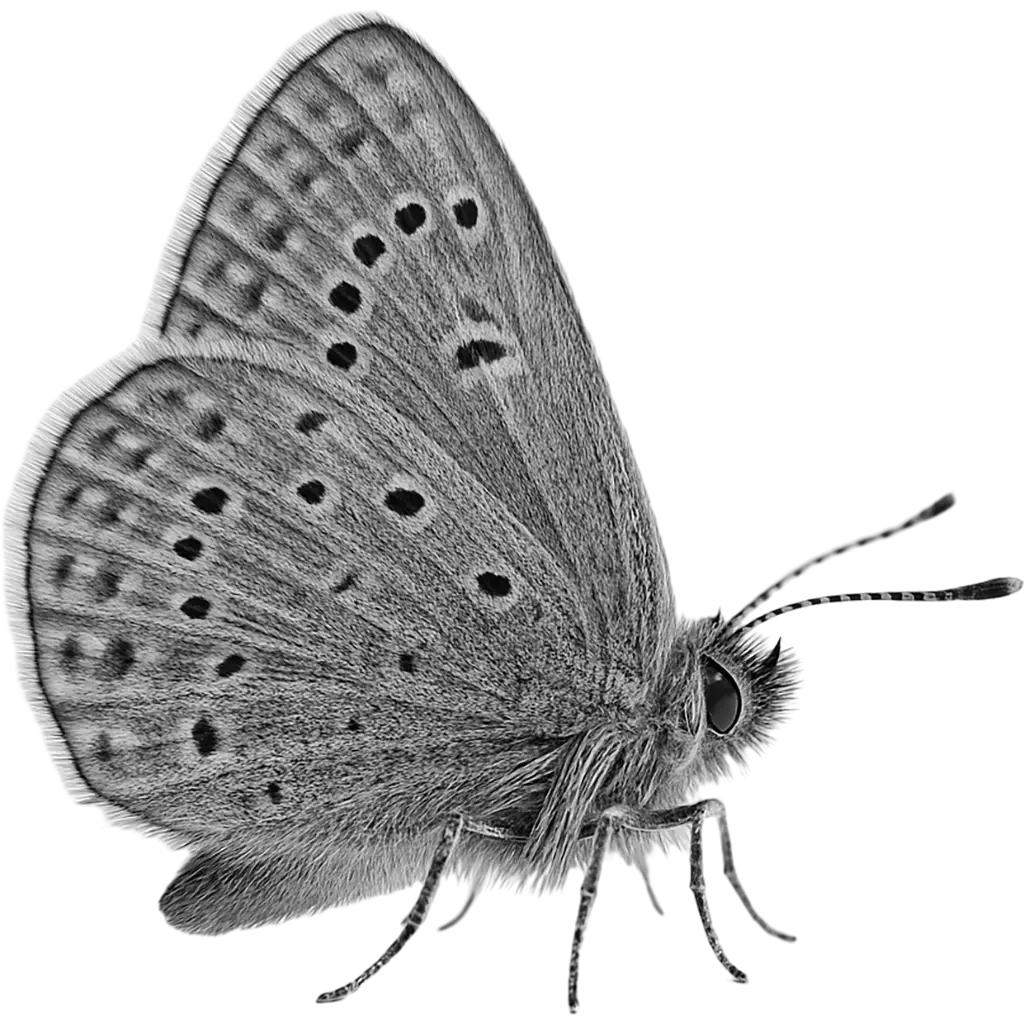
Zizula Hylax
Tiny Grass Blue
Open grasslands, forest edges, gardens
The Tiny Grass Blue is a diminutive butterfly with a wingspan of approximately 15 to 20 millimetres. Upperside wings display bright pale blue hues bordered with narrow dark margins, while the underwings are greyish with faint white streaks and tiny black spots. The body is slender and covered in fine, pale hairs, and the head bears clubbed antennae suited for precise navigation. Its delicate legs and small eyes complement its miniature profile, making it one of the smallest lycaenid butterflies.
| Population: | Widespread and common across its range; population stable |
| Generation Length: | 0.2 years |
| Average Weight: | Not well documented |
| Average Length: | 15-20 mm wingspan |
| Lifespan: | 2-3 weeks as adult |
| Diet: | Nectar and pollen from flowers |
| Conservation Status: | Least Concern (LC) |
Adults are primarily active during warm daylight hours, flying low over grasslands, roadside verges, and open woodlands. They perch on flowering plants to bask and feed, displaying an erratic, fluttering flight interspersed with brief glides. Tiny Grass Blues are often solitary but may aggregate where nectar sources are abundant. Females lay single eggs on the flower buds or young shoots of host plants, ensuring larval food availability. Larvae are cryptic green caterpillars that feed on the flower tissues of Acanthaceae species. Pupation occurs in sheltered leaf litter or attached to stems, with adults emerging after a brief pupal stage of around ten days. They complete multiple generations each year, with flight periods peaking in spring and summer. Seasonal rains drive host plant growth, synchronizing breeding cycles. Butterflies utilize warm microhabitats near the ground, often within 30 centimetres of soil, and exhibit strong site fidelity to nectar patches.
Larvae consume the buds and young flowers of host plants such as Hygrophila and Phaulopsis species, obtaining essential proteins and carbohydrates for growth. Their green coloration provides camouflage against foliage, reducing predation risk. After five to seven days of feeding, caterpillars form a small, hairy chrysalis that supplies nutrients during metamorphosis. Adult butterflies feed on nectar from a wide range of wildflowers, favouring Lantana camara and similar blossoms. Nectar provides sugars for muscular flight activity and vital energy reserves for egg development, while occasional pollen uptake supplies proteins. Mineral-rich moisture from damp soil and mud-puddling supports ion regulation and reproductive health. This dietary flexibility ensures sustained energy for multiple life stages across diverse habitats. During peak breeding, adults may consume nectar volumes equivalent to nearly half their body weight each day to fuel reproduction and migration.
Mating begins shortly after adult emergence, with males patrolling host plant patches to locate receptive females. Courtship involves rapid aerial chases, fluttering displays, and scent release. After copulation, females seek suitable host plants to deposit single eggs on buds, young leaves, or flower bracts. No parental care occurs, and each female may lay 20 to 50 eggs over her lifetime, often spaced across multiple plant individuals.
The Tiny Grass Blue is widespread across Africa, South Asia, Southeast Asia, Australia, and many Pacific islands. Populations are generally stable and common in disturbed and undisturbed habitats alike. Their ability to use multiple host plants and exploit various nectar sources supports resilience to environmental changes. Although total numbers are not precisely measured, local declines may occur where pesticide use or habitat loss reduces host plant availability.
Classifications
The Key Attributes
Features
- Movement:
Flight
- Territorial Behavior:
Non-territorial
- Speed:
Moderate
- Diet:
Nectarivore
- Physical Features:
- Bright blue upper wings
- Pale grey-brown underwings
- Tiny dark spots near wing margins
- Slender, clubbed antennae
- Primary Senses:
- Sight
- Chemoreception
Understanding Habitat and Range
Geography
- Habitat:
Open grasslands, forest edges, gardens
- Migration Patterns:
Non-migratory
- Geographical Range:
Africa, South Asia, Southeast Asia, Australia, and Pacific islands
- Climate Preferences:
Tropical and subtropical climates
Navigating the Wilderness
In the wild
- Predators:
Birds, spiders, ants
- Prey:
Flower nectar and pollen
- Feeding Behavior:
Adult nectar feeding; larval leaf feeding
- Diet:
Nectar and pollen from flowers
- Defensive Mechanisms:
- Camouflage when at rest
- Erratic flight
- Preferred Food Sources:
- Nectar from Acanthaceae flowers
- Lantana camara blossoms
- Hygrophila species blooms
Insights Into Reproduction
Mating
- Mating System:
Polygynous
- Number of Offspring:
20-50 eggs per female
- Incubation Period:
3-5 days
- Parental Involvement:
- None; eggs and larvae develop without care
Youngsters Section
Tiny Grass Blue
Fun Fact
Tiny Grass Blue butterflies have a wingspan of only about 1.5 centimetres, making them one of the smallest Lycaenidae species.
Larvae feed exclusively on Acanthaceae host plants, and early instar caterpillars are tended by ants in some regions. Adults exploit a wide variety of wildflowers for nectar, preferring Lantana, and display territorial perching to defend prime feeding patches. Their rapid life cycle and multiple generations per year enable them to colonize disturbed habitats quickly.

Download word search puzzles
Word Search Puzzles


Check Out Other Invertebrates
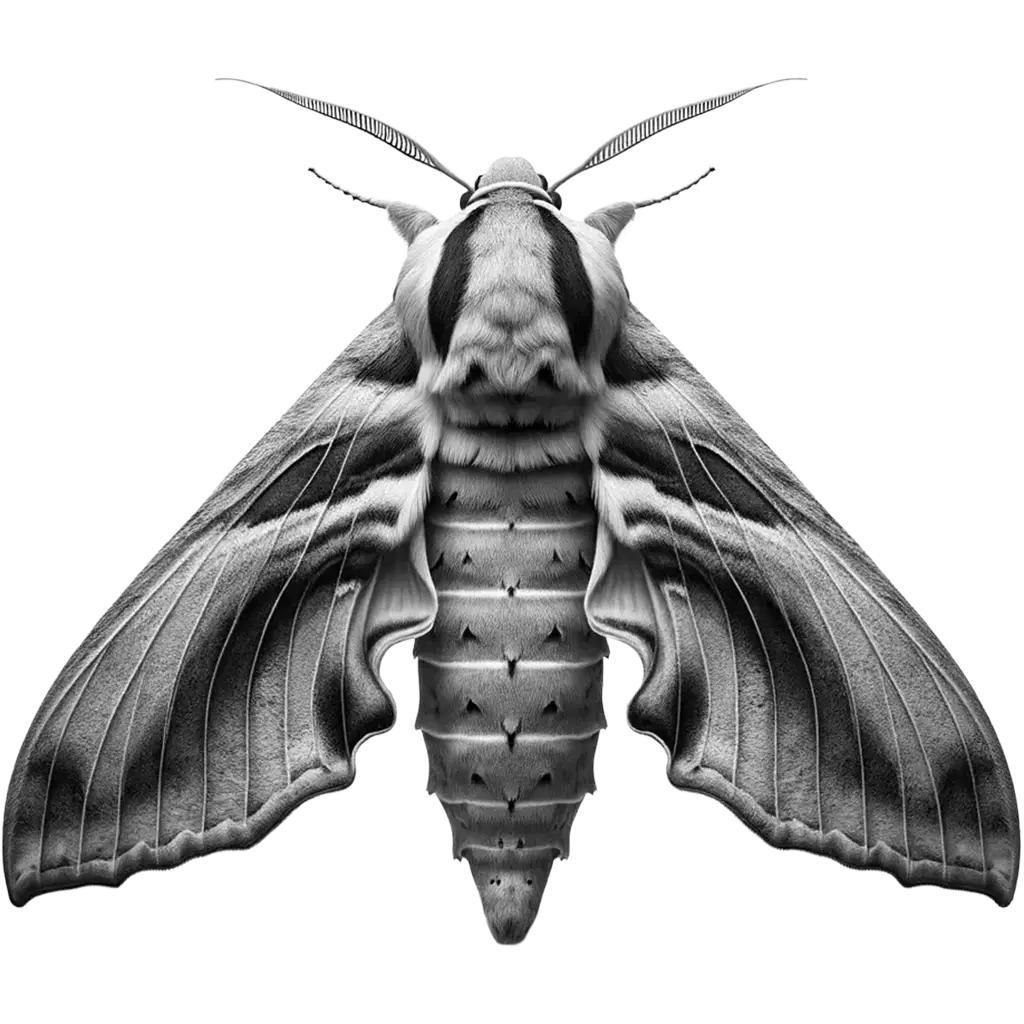
The Lime Hawk-Moth, mimas tiliae, is a striking and colorful species of moth found across Europe and into parts of Asia, recognized for its vibrant green and pink hues that blend seamlessly with the foliage of lime trees, its primary habitat and food source during the larval stage. Adult moths
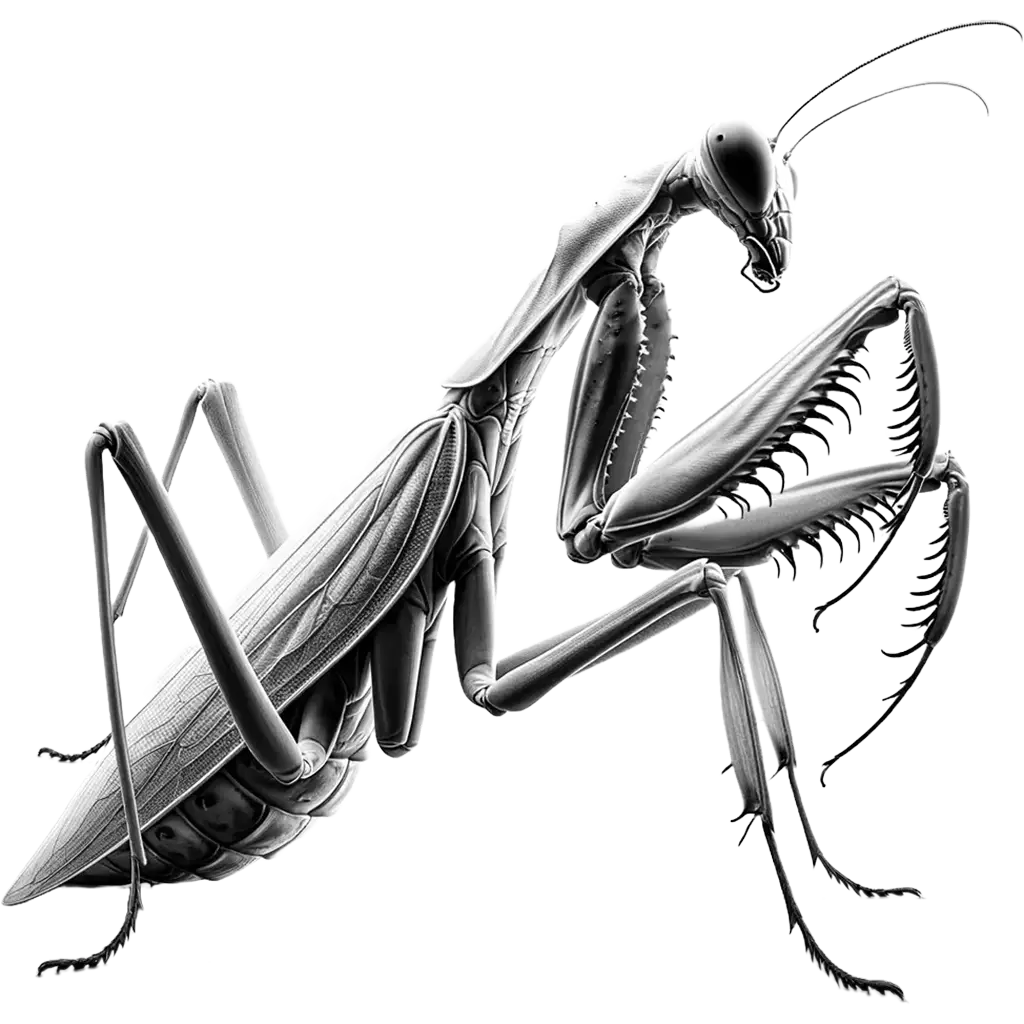
The European Mantis, mantis religiosa, is a widely recognized species of praying mantis, notable for its distinctive posture and predatory behavior. Adult mantises can reach lengths of about 5 to 7.5 cm, exhibiting a range of colors from green to brown, which aids in camouflage within their natural habitats. They
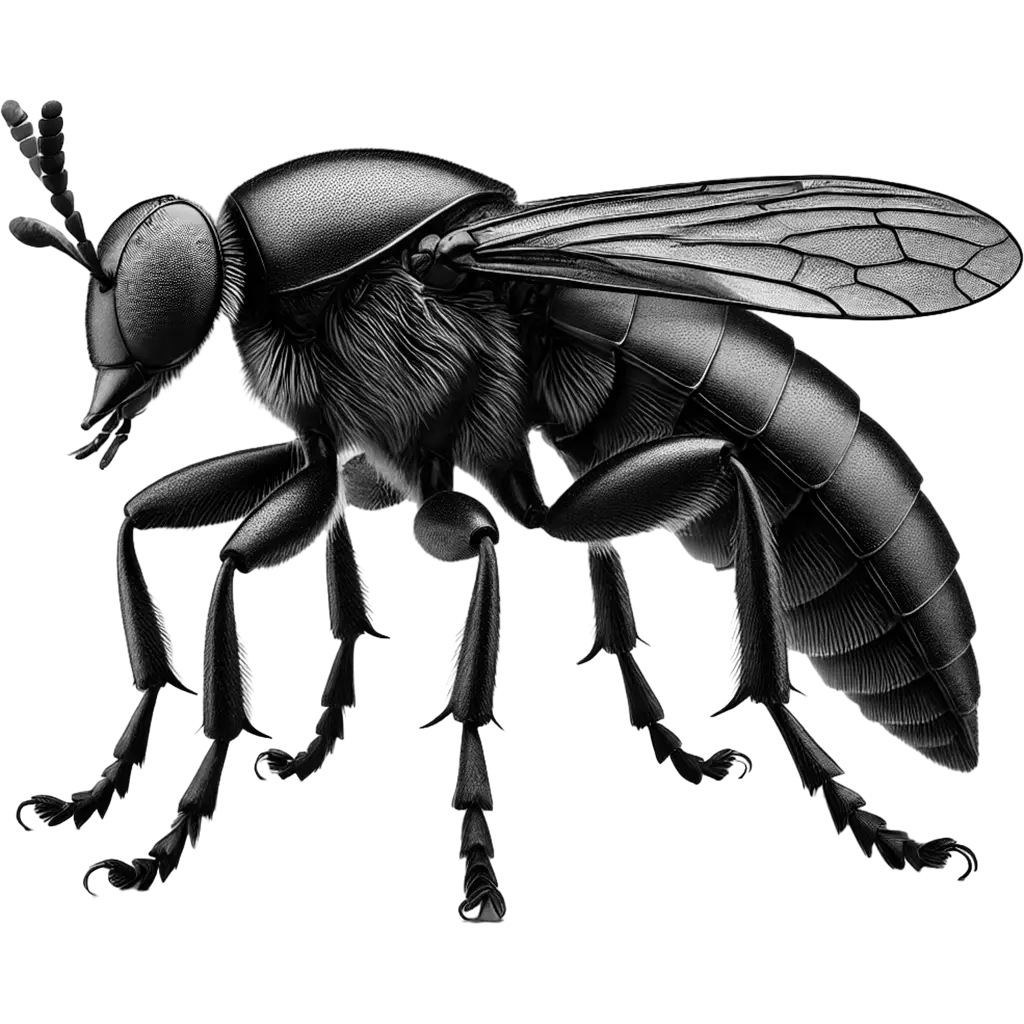
The Spanish fly is a striking blister beetle with a smooth, elongated body that measures roughly 1.5 to 2 centimeters in length. Its vivid orange to deep red coloration, accented by contrasting dark markings along the elytra, creates a bold, warning display. The body is slender yet soft, with delicate,
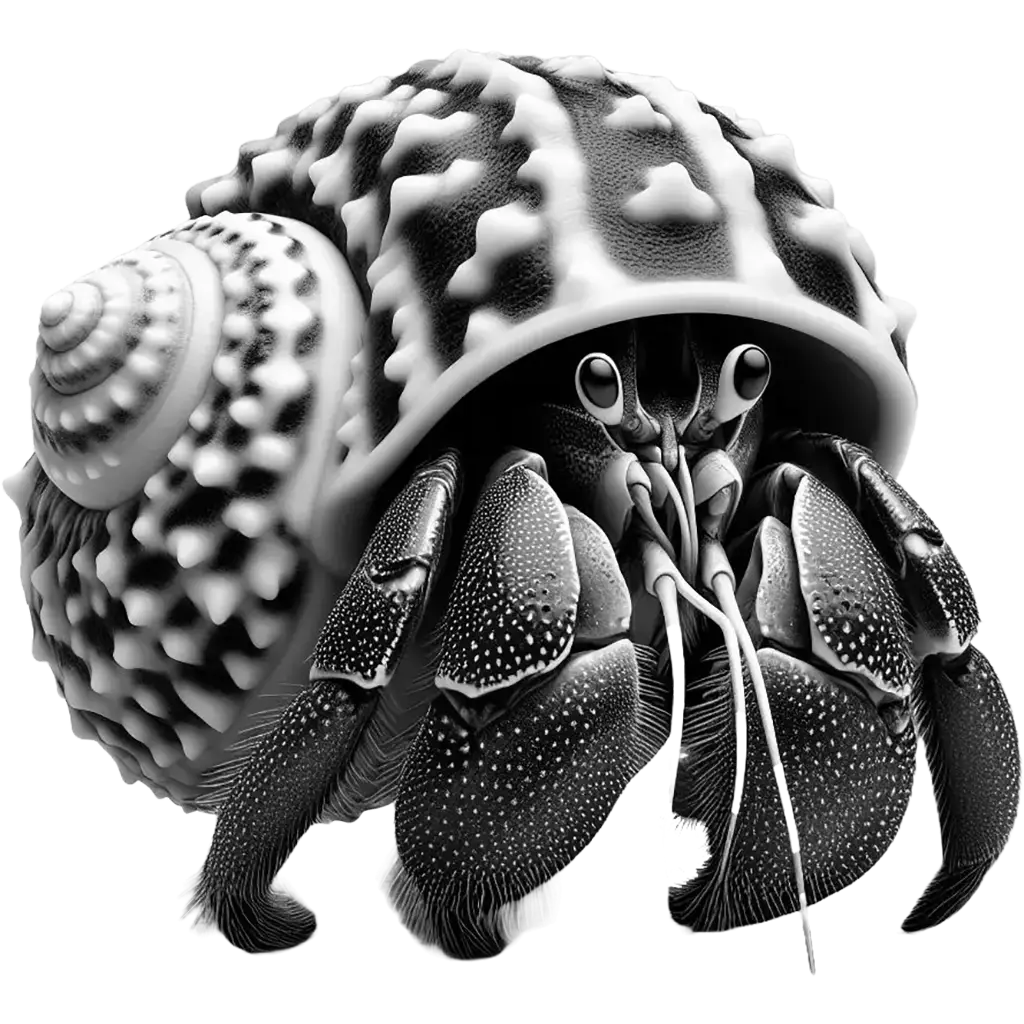
Hermit Crabs, coenobita perlatus, are fascinating creatures known for their distinctive habit of living in discarded shells to protect their vulnerable abdomens. Unlike true crabs, Hermit Crabs have soft, asymmetrical abdomens that are not covered by an exoskeleton, making the search for and occupation of empty snail shells critical for