
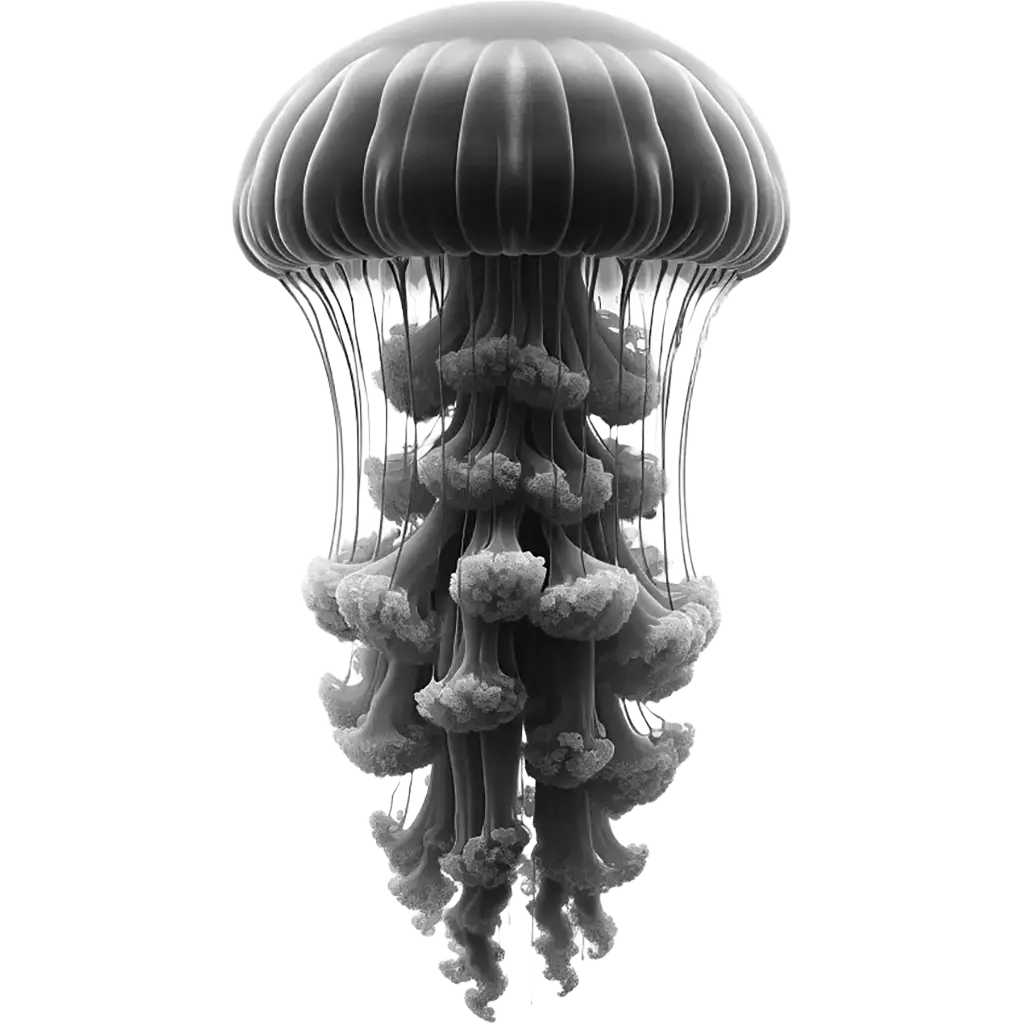
Aurelia Aurita
Jellyfish
Found in every ocean, from the surface to the deep sea
Jellyfish are fascinating marine creatures, known for their gelatinous bodies and graceful, pulsating movements through the ocean's waters. These ancient animals have roamed the seas for at least 500 million years, making them one of the oldest living organisms on the planet. Jellyfish range in size from a few millimeters to over 2 meters in diameter, with tentacles that can extend for several meters. Their bodies are composed of over 95% water and feature a simple structure with a mouth opening at the center of one side, surrounded by tentacles used for feeding and defense. The mesmerizing colors of some species, from translucent whites and pinks to vibrant blues and purples, add to their ethereal beauty.
| Population: | Widespread and abundant, with variations among species |
| Generation Length: | Varies widely among species, often dependent on environmental conditions |
| Average Weight: | From a few grams to over 200 kg for the lion's mane jellyfish |
| Average Length: | Ranges from a few millimeters to over 2 meters in diameter |
| Lifespan: | Ranges from a few days to months; some, can revert to a juvenile form indefinitely |
| Diet: | Varied, depending on species and available prey |
| Conservation Status: | Not Evaluated (NE) |
Jellyfish are found in every ocean, from the surface to the deep sea, and some species even inhabit freshwater. They have a wide range of habitats, including open oceans, coastal zones, and even shallow bays. Their movements are largely dependent on ocean currents, winds, and tides, although they can control their vertical position through the contraction of their bell-shaped bodies. Jellyfish play a crucial role in marine ecosystems, serving as prey for a variety of larger species, including sea turtles and certain fish and birds.
The diet of a Jellyfish typically consists of plankton, small fish, and other Jellyfish, captured using their tentacles which are equipped with nematocysts, or stinging cells. This mechanism allows them to paralyze their prey before ingesting it. Their feeding habits help regulate populations of smaller marine organisms and contribute to the oceanic food web.
Reproduction in Jellyfish can be complex, involving both sexual and asexual phases. Many species undergo a life cycle that includes a stationary polyp stage, which can produce numerous Jellyfish through a process known as budding. The ability of some species to reproduce asexually through polyps contributes to their sometimes massive blooms, which can have significant ecological and economic impacts on marine environments and human activities.
Jellyfish populations are known to fluctuate widely, influenced by environmental conditions such as ocean temperature, salinity, and food availability. While some species are considered a nuisance due to their stings and potential to form large swarms, Jellyfish are increasingly recognized for their importance in biomedical research, including studies on the nervous system, and their potential use in biotechnology. Conservation of marine habitats is essential for maintaining healthy Jellyfish populations and ensuring the balance of marine ecosystems. Despite their simplicity, Jellyfish are key indicators of ocean health and climate change, highlighting the interconnectedness of marine life and the need for comprehensive ocean conservation efforts.
Classifications
The Key Attributes
Features
- Movement:
Drifting and pulsating swimming
- Territorial Behavior:
Non-territorial; drifts with ocean currents
- Speed:
Not specifically quantified; generally slow with ability to pulse through water for movement
- Diet:
Carnivore
- Physical Features:
- Gelatinous, umbrella-shaped bell
- Tentacles equipped with nematocysts for capturing prey
- Lack of brain, heart, and bones
- Can have bioluminescent properties in some species
- Primary Senses:
- Nerve net for sensing stimuli without a centralized nervous system
Understanding Habitat and Range
Geography
- Habitat:
Found in every ocean, from the surface to the deep sea
- Migration Patterns:
Mostly drift with ocean currents; some species have vertical migration patterns within the water column
- Geographical Range:
Global distribution in all the world's oceans
- Climate Preferences:
Adaptable to a wide range of marine environments, from polar to tropical waters
Navigating the Wilderness
In the wild
- Predators:
Sea turtles, some species of fish and birds
- Prey:
Plankton, small fish, crustaceans
- Feeding Behavior:
Uses tentacles to stun and capture prey, including plankton, small fish, and other marine invertebrates
- Diet:
Varied, depending on species and available prey
- Defensive Mechanisms:
- Stinging cells (nematocysts) for defense and capturing prey
- Some species can be toxic to predators
- Preferred Food Sources:
- Marine plankton
- Small fish and crustaceans
Insights Into Reproduction
Mating
- Mating System:
Varies; many species release sperm and eggs into the water for external fertilization
- Number of Offspring:
Can release thousands to millions of eggs depending on the species
- Gestation Period:
Not applicable in the traditional sense; development times vary
- Incubation Period:
Varies; from days to weeks until larval stage
- Parental Involvement:
- None; jellyfish do not care for their offspring after spawning
Youngsters Section
Jellyfish
Fun Fact
Jellyfish are mostly water, with some species having up to 98% water content.
Despite their simple structure, jellyfish have been around for over 500 million years, making them older than dinosaurs. They lack a heart, brain, or bones, instead relying on a nerve net for basic functions. Some jellyfish species can even glow in the dark due to bioluminescence.

Download word search puzzles
Word Search Puzzles


Check Out Other Invertebrates
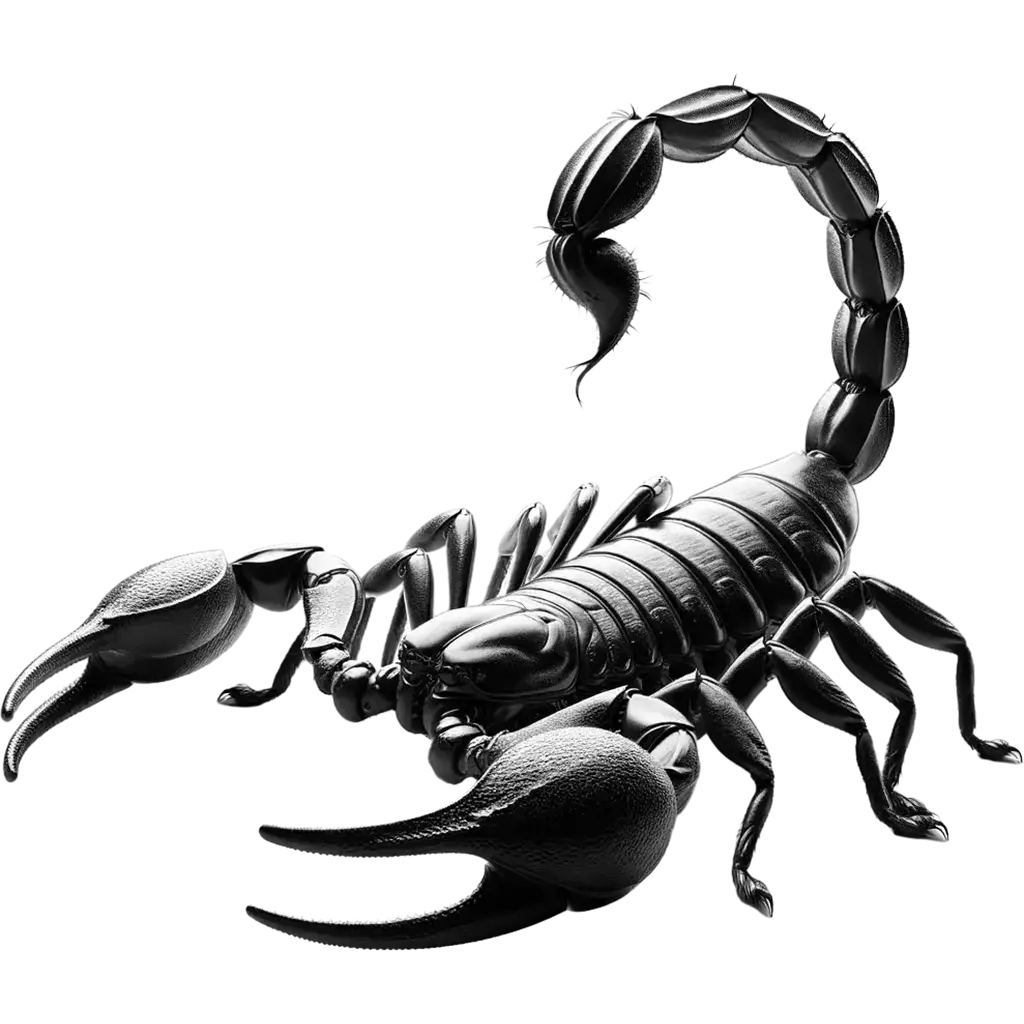
Large Clawed Scorpions, scorpio maurus, belonging to the class Arachnida and order Scorpiones, are predatory arachnids known for their segmented tail tipped with a venomous stinger, along with a pair of grasping pincers. They range in size from about 9 mm to over 20 cm. Scorpions are characterized by a
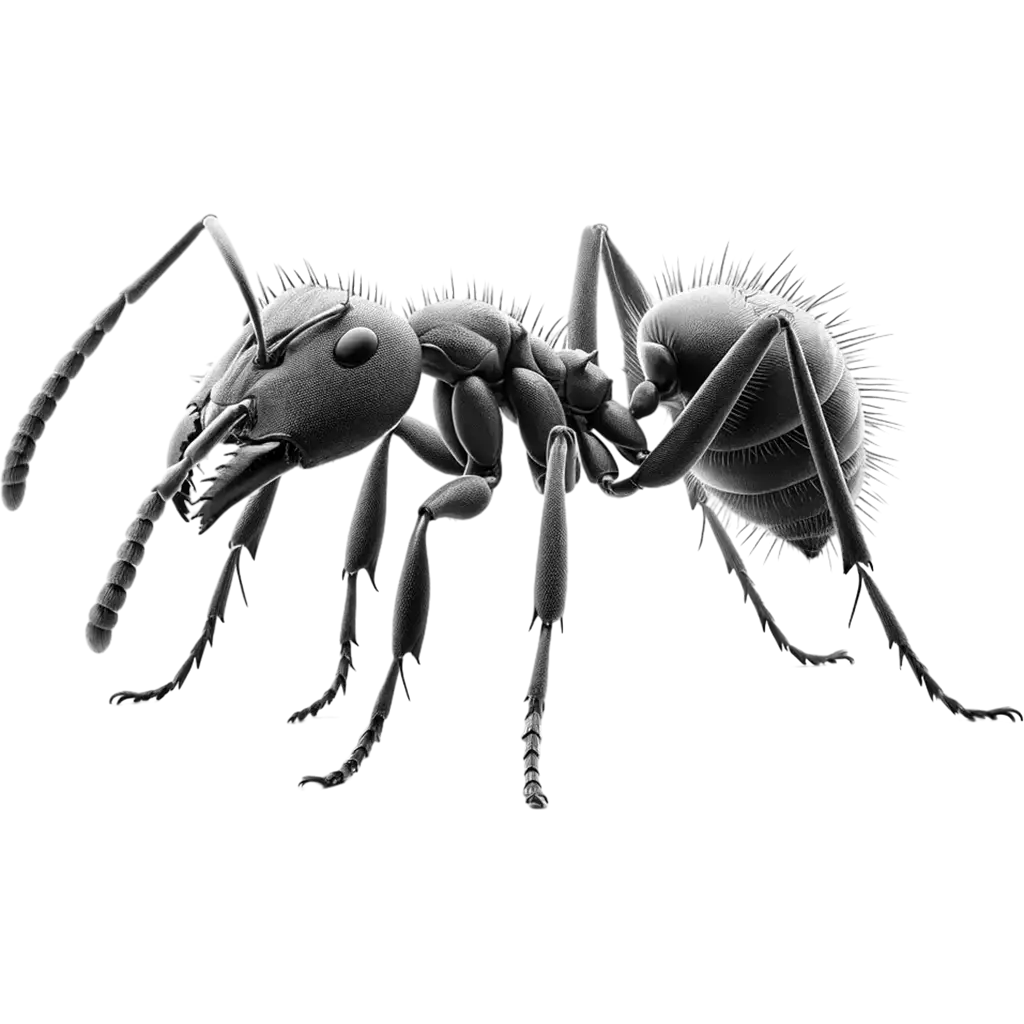
Fire Ants, solenopsis invicta, belonging to the genus Solenopsis, are small yet aggressive insects notorious for their painful stings and rapid, widespread colonization. These ants are easily recognizable by their reddish-brown to black coloration and vary in size, typically measuring between 2 to 6 mm in length. Fire Ants build

The Common Octopus, octopus vulgaris, is a highly intelligent and adaptable cephalopod found in a variety of marine environments around the world, from tropical waters to temperate seas. This species is characterized by its bulbous head, eight long arms lined with suction cups, and a mantle that can dramatically alter

The European Mantis, mantis religiosa, is a widely recognized species of praying mantis, notable for its distinctive posture and predatory behavior. Adult mantises can reach lengths of about 5 to 7.5 cm, exhibiting a range of colors from green to brown, which aids in camouflage within their natural habitats. They