
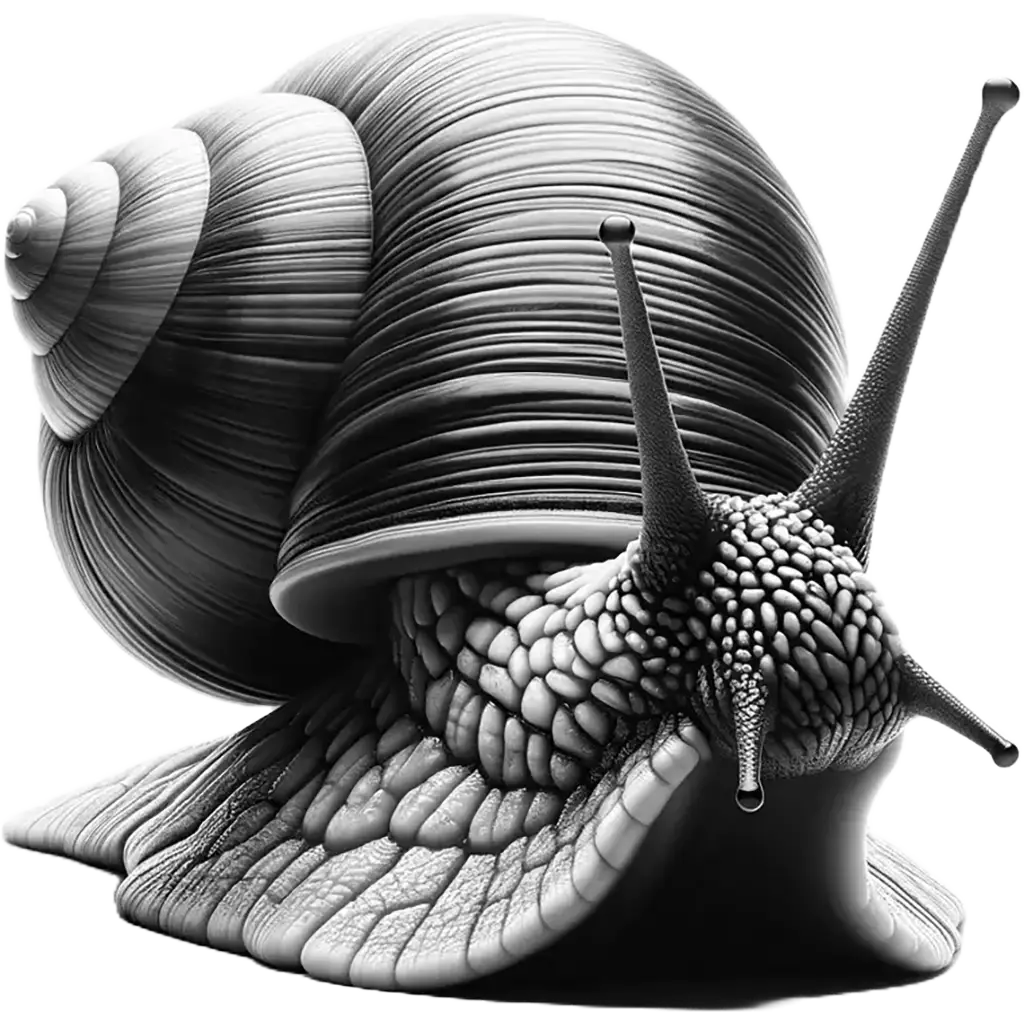
Helix Pomatia
Burgundy Snail
Forests, gardens, vineyards, and other areas with rich soil and vegetation
The Burgundy Snail, helix pomatia, also known as the Roman snail or edible snail, is a terrestrial pulmonate gastropod mollusk. It is one of the largest snail species, with a shell diameter of about 4 to 5 cm and a height of 4 to 6 cm. The shell is globular in shape, typically light brown or cream in color with darker brown spiral bands. These snails are distinguished by their large size, the distinctive coloring of their shells, and a white, calcareous lip around the shell's opening.
| Population: | Widely distributed and common in many areas, though subject to local collection pressures |
| Generation Length: | 2-3 years |
| Average Weight: | Not commonly measured; snails are lightweight |
| Average Length: | 4-5 cm in shell diameter |
| Lifespan: | Up to 8 years |
| Diet: | Primarily plant material, including leaves, stems, and flowers |
| Conservation Status: | Least Concern (LC) |
Native to Europe, the Burgundy Snail inhabits a wide range of environments, from forests and gardens to vineyards, where it prefers calcium-rich, moist soil for burrowing and hibernation. It is known for its slow movement and nocturnal habits, emerging at night or after rain to feed and mate. During the day, it often retreats into its shell, sealing the opening with a layer of mucus to maintain moisture.
The diet of the Burgundy Snail primarily consists of fresh vegetation, including leaves, stems, and flowers of numerous plant species, making it a herbivore. It plays a significant role in the ecosystem by decomposing dead organic matter and recycling nutrients back into the soil, although it can be considered a pest in agricultural and garden settings due to its consumption of cultivated plants and vegetables.
Reproduction in Helix pomatia is hermaphroditic, meaning each individual possesses both male and female reproductive organs. Mating occurs in late spring or early summer, followed by the laying of 40 to 50 eggs in moist soil. These snails have a unique reproductive behavior, including a courtship ritual that can last several hours.
The population of the Burgundy Snail has been declining in some areas due to over-collection for culinary use, habitat loss, and pesticide use. It is considered a delicacy in French cuisine, known as 'escargot,' and is harvested under strict regulations in some regions to ensure sustainability. Conservation efforts are aimed at protecting its natural habitat and regulating harvesting practices to prevent further decline. The Burgundy Snail's role in traditional cuisine has also sparked interest in snail farming (heliculture) as a means to satisfy culinary demand while conserving wild populations.
Classifications
The Key Attributes
Features
- Movement:
Crawling
- Territorial Behavior:
Not territorial; snails are generally solitary but may gather in favorable conditions
- Speed:
Slow; typical of terrestrial snails
- Diet:
Herbivore
- Physical Features:
- Large, globular shell, usually light brown with darker brown bands
- Soft body with a muscular foot for movement
- Extendable tentacles with eyes at the tips for sensing their environment
- Primary Senses:
- Touch
- Chemical sensing (taste/smell)
Understanding Habitat and Range
Geography
- Habitat:
Forests, gardens, vineyards, and other areas with rich soil and vegetation
- Migration Patterns:
Non-migratory, but may move locally in search of food or mates
- Geographical Range:
Native to Europe, especially in countries like France, Germany, and the Balkans. Introduced to other regions, including parts of North America and New Zealand
- Climate Preferences:
Temperate climates; snails are active during wet conditions and hibernate in dry or cold seasons
Navigating the Wilderness
In the wild
- Predators:
Various bird species, small mammals, other snail species, and insects
- Prey:
Plants, decaying organic matter
- Feeding Behavior:
Feeds on a variety of plants, decaying matter, and even soil for calcium to build its shell
- Diet:
Primarily plant material, including leaves, stems, and flowers
- Defensive Mechanisms:
- Retreating into their shell
- Secretion of mucus to deter predators and facilitate movement
- Preferred Food Sources:
- A wide range of vegetation found in their habitat
Insights Into Reproduction
Mating
- Mating System:
Hermaphroditic, with snails exchanging sperm
- Number of Offspring:
Can lay dozens of eggs after mating
- Incubation Period:
Eggs hatch after about 3-4 weeks
- Parental Involvement:
- No parental care after laying eggs
Youngsters Section
Burgundy Snail
Fun Fact
Burgundy snails are well-known for their culinary use, particularly in French cuisine as escargot.
These snails have a fascinating life cycle, taking up to five years to reach maturity. They hibernate during winter months, burying themselves in soil. Burgundy snails possess both male and female reproductive organs, allowing them to self-fertilize or mate with another snail, showcasing their unique adaptability.

Download word search puzzles
Word Search Puzzles


Check Out Other Invertebrates
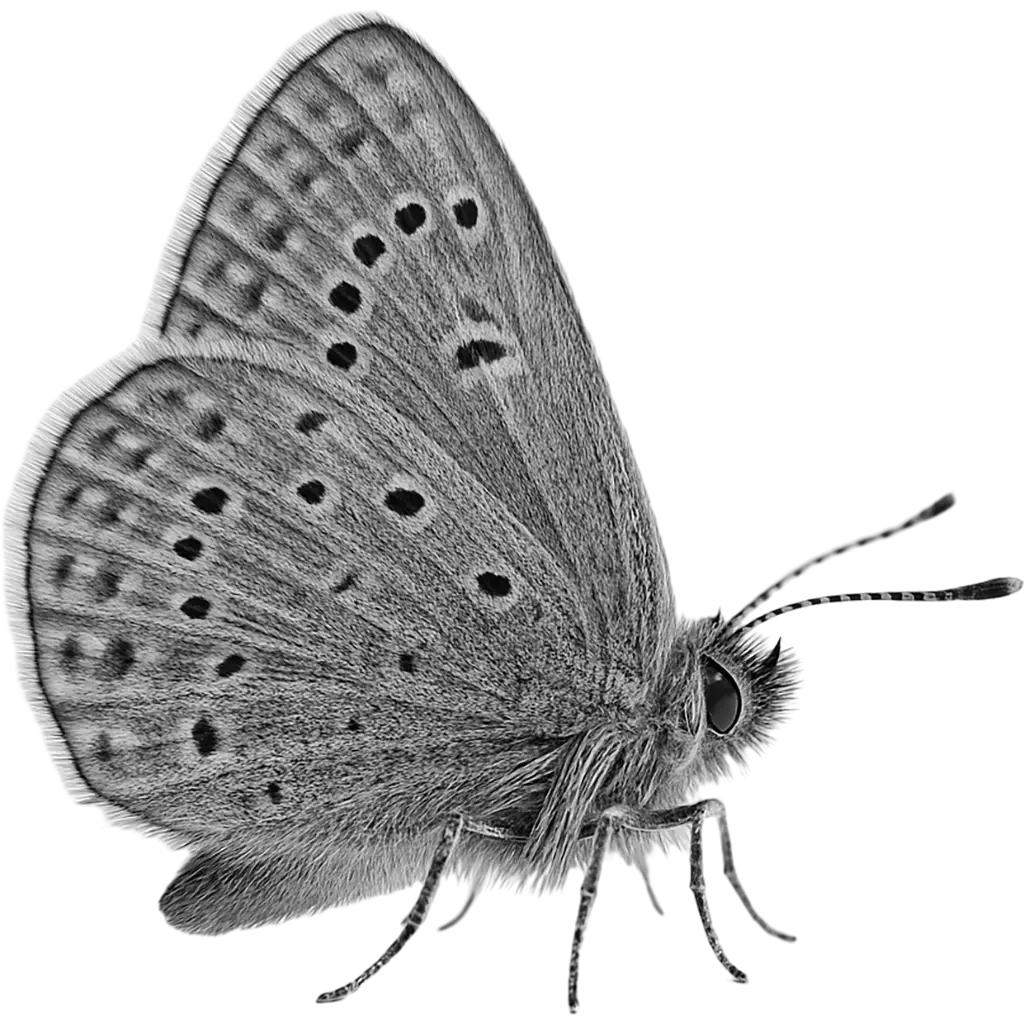
The Tiny Grass Blue is a diminutive butterfly with a wingspan of approximately 15 to 20 millimetres. Upperside wings display bright pale blue hues bordered with narrow dark margins, while the underwings are greyish with faint white streaks and tiny black spots. The body is slender and covered in fine,
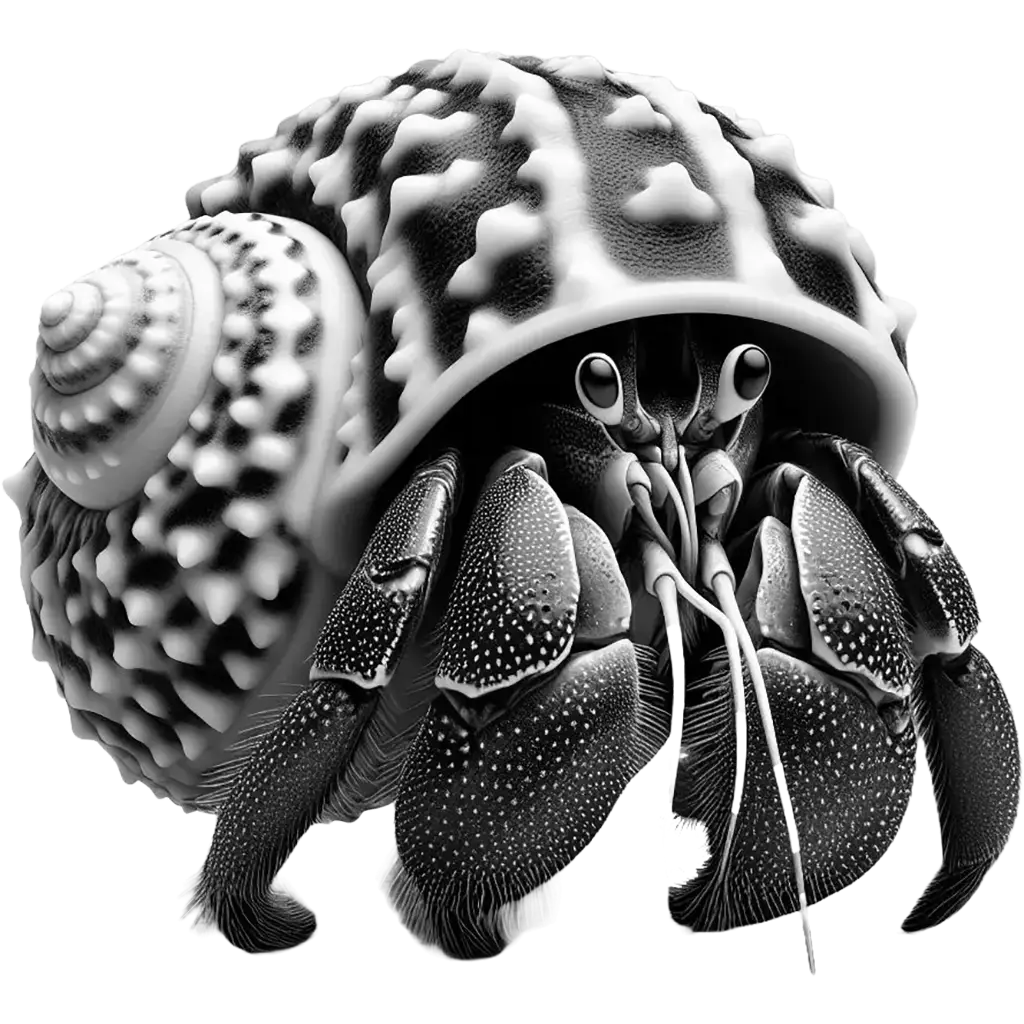
Hermit Crabs, coenobita perlatus, are fascinating creatures known for their distinctive habit of living in discarded shells to protect their vulnerable abdomens. Unlike true crabs, Hermit Crabs have soft, asymmetrical abdomens that are not covered by an exoskeleton, making the search for and occupation of empty snail shells critical for

The Common Starfish, asterias rubens, is a widely recognized marine invertebrate found across the North Atlantic, from the Arctic Ocean to the Mediterranean Sea. This species typically exhibits five arms radiating from a central disc, though specimens with more arms can occasionally be found. The Common Starfish can reach a
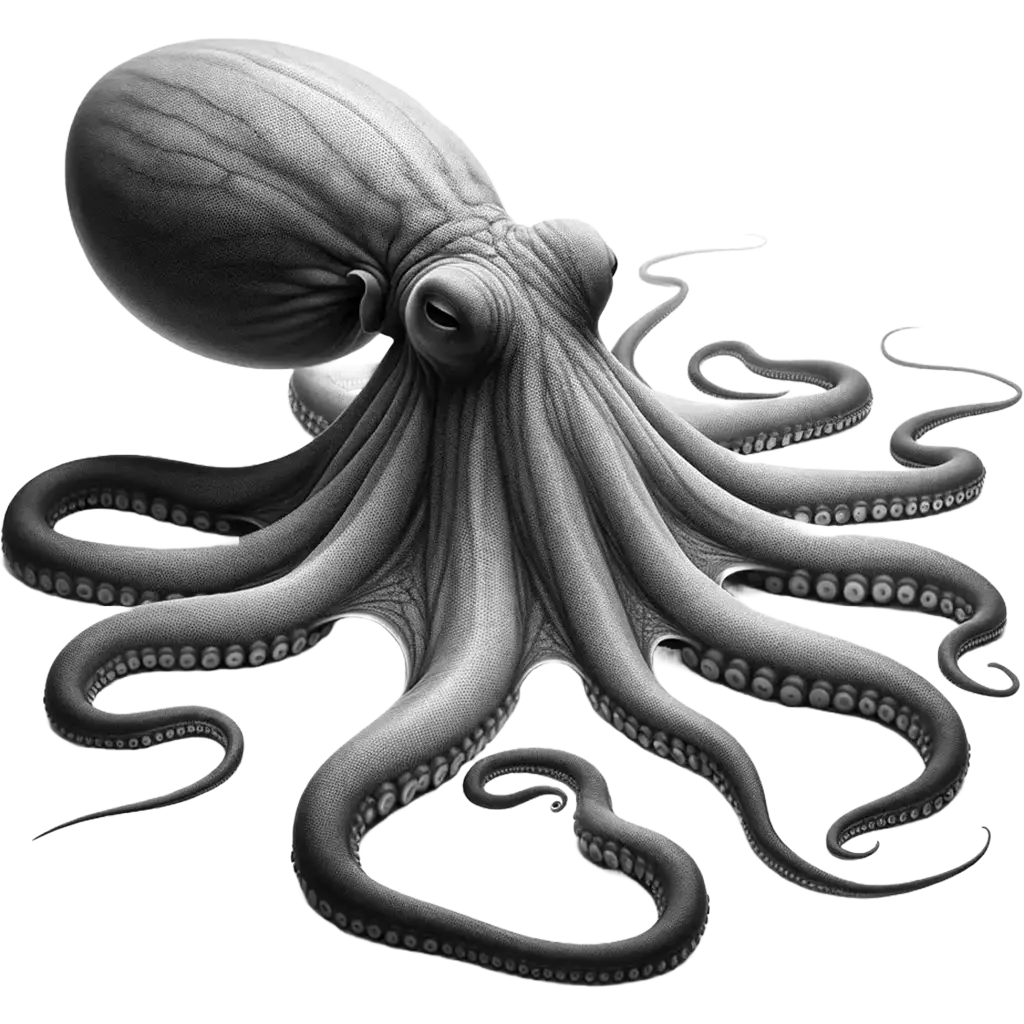
The Musky Octopus, eledone moschata, is a lesser-known species of octopus residing in the Mediterranean Sea and parts of the adjacent Atlantic Ocean. Characterized by its relatively small size, with a total length reaching up to 50 cm, including its arms, this species is distinguished by its single row of