
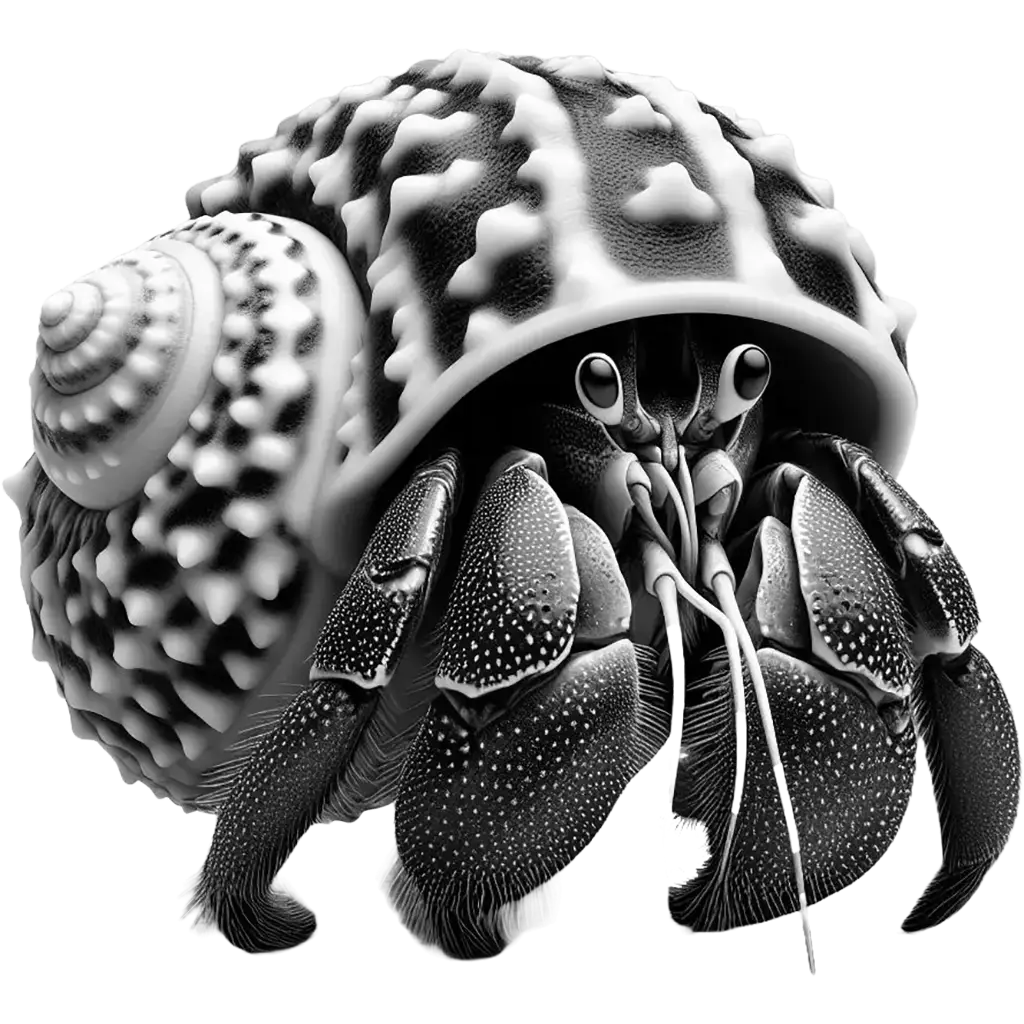
Coenobita Perlatus
Hermit Crab
Tropical and subtropical shores, intertidal zones, estuaries, and some species in deeper waters
Hermit Crabs, coenobita perlatus, are fascinating creatures known for their distinctive habit of living in discarded shells to protect their vulnerable abdomens. Unlike true crabs, Hermit Crabs have soft, asymmetrical abdomens that are not covered by an exoskeleton, making the search for and occupation of empty snail shells critical for their survival. Their bodies are adapted to curl into these shells, with their larger claw serving to block the entrance when threatened. They vary in color and size, with some species small enough to fit on a penny and others growing as large as a coconut.
| Population: | Varies by species; many are common, but some populations are affected by habitat loss and the pet trade |
| Generation Length: | Varies; some species reach sexual maturity within a year, while others take several years |
| Average Weight: | Varies; from a few grams to over a kilogram for the largest |
| Average Length: | From 1 cm to over 12 cm, depending on the species |
| Lifespan: | Varies by species; from a few years for small species to over 30 years for large ones in the wild |
| Diet: | Mostly scavenged materials, with some species also preying on smaller invertebrates |
| Conservation Status: | Not Evaluated (NE) |
Hermit Crabs are nocturnal and highly social animals, often found in large colonies where they interact and communicate through chirping sounds. They are scavengers, constantly on the move in search of food, water, and new shells as they grow. This quest for shells can lead to 'shell fights' among them, though these encounters are more about intimidation than physical combat. Hermit Crabs can live both in terrestrial and marine environments, with terrestrial species requiring access to both fresh and salt water to regulate their saline balance and facilitate molting.
Diet-wise, Hermit Crabs are omnivores, feeding on a wide range of materials including decaying wood, fallen fruit, leaf litter, and various animals and plant matter they find in their environment. They play a significant role in the ecosystem by helping to clean up dead organic material. In captivity, they require a diet that includes proteins, fats, and vitamins to mimic their natural foraging behavior, with special attention to calcium for shell strength.
Mating behavior in Hermit Crabs is unique as they must partially exit their shells to mate, making them vulnerable. The process is delicate, with the male assisting the female out of her shell slightly to transfer his sperm. After fertilization, the female carries the eggs in her shell until they are ready to hatch, releasing them into the water where they begin life as plankton before growing and finding shells of their own.
The population of Hermit Crabs is not well documented globally, but certain areas have reported declines due to over-collection for the pet trade, habitat loss, and pollution. Conservation efforts are needed to ensure sustainable populations, especially since Hermit Crabs rely heavily on a sufficient supply of suitable shells, which can be limited by environmental changes and human activities.
Classifications
The Key Attributes
Features
- Movement:
Crawling
- Territorial Behavior:
Some species show territoriality over shells and resources
- Speed:
Not quantified; varies with size and species
- Diet:
Omnivore
- Physical Features:
- Soft, uncalcified abdomen requiring a shell for protection
- Varied coloration, often matching their environment
- Claws of different sizes; the larger claw can seal the shell's entrance for protection
- Primary Senses:
- Tactile
- Chemical sensing
- Vision
Understanding Habitat and Range
Geography
- Habitat:
Tropical and subtropical shores, intertidal zones, estuaries, and some species in deeper waters
- Migration Patterns:
Non-migratory, but may move locally in search of food or more suitable shells
- Geographical Range:
Worldwide distribution in suitable habitats
- Climate Preferences:
Mostly tropical and subtropical, but some species inhabit temperate zones
Navigating the Wilderness
In the wild
- Predators:
Birds, fish, and other crustaceans
- Prey:
Varied diet including algae, detritus, and small invertebrates
- Feeding Behavior:
Scavenging for plant and animal matter, including dead fish, algae, and detritus
- Diet:
Mostly scavenged materials, with some species also preying on smaller invertebrates
- Defensive Mechanisms:
- Retreating into shells
- Using their claws for defense
- Camouflage
- Preferred Food Sources:
- Detritus
- Algae
- Carrion
Insights Into Reproduction
Mating
- Mating System:
Varies; generally involves direct mating, with the male assisting the female out of her shell
- Number of Offspring:
Hundreds to thousands of eggs, depending on species size
- Gestation Period:
Eggs are carried by the female until they hatch into planktonic larvae
- Incubation Period:
Eggs hatch into free-swimming larvae that undergo several planktonic stages before settling
- Parental Involvement:
- No post-hatching parental care; larvae are independent upon hatching
Youngsters Section
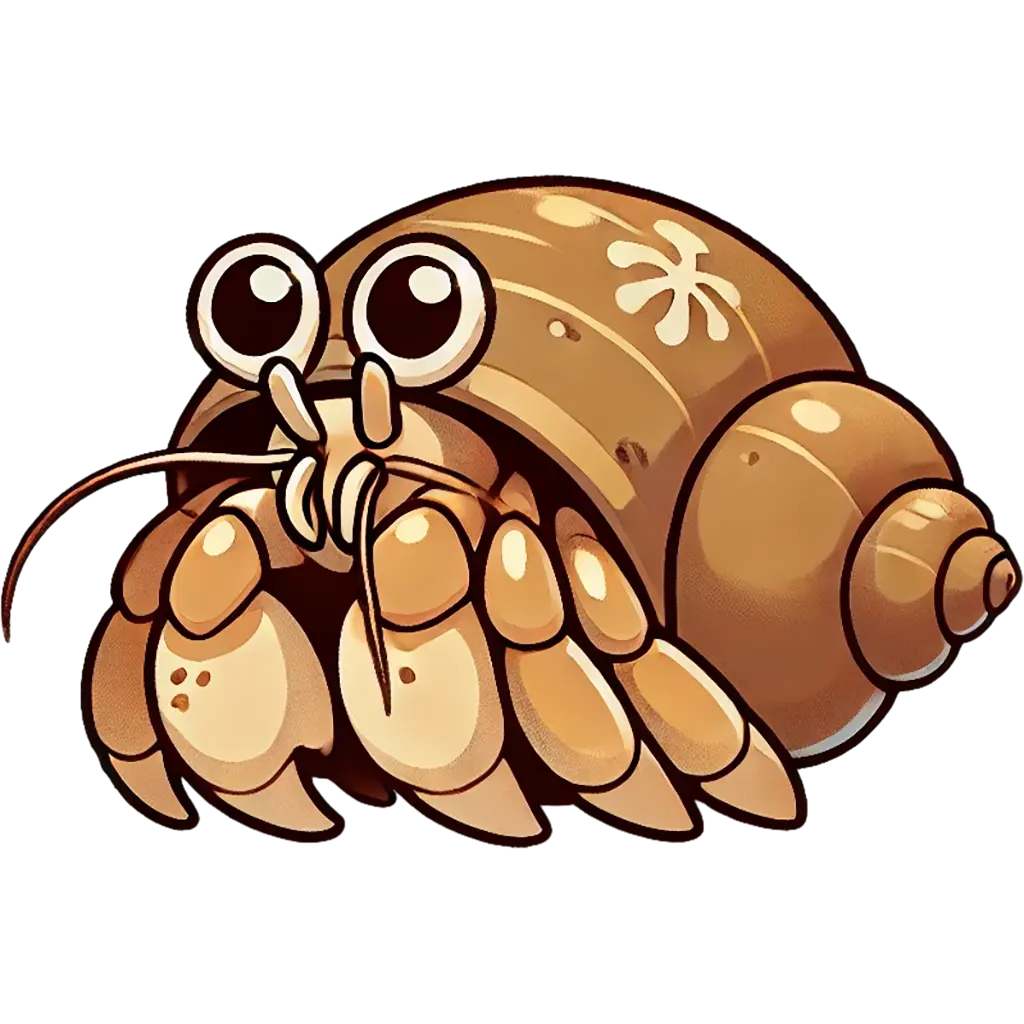
Hermit Crab
Fun Fact
Hermit crabs are fascinating creatures that use abandoned shells for protection, often swapping them as they grow.
These crabs are unique in their social behavior, frequently forming "vacancy chains" where multiple crabs line up to exchange shells. This process ensures each crab finds a suitably sized shell, demonstrating remarkable cooperation. Hermit crabs also prefer shells with certain characteristics, like shape and weight, adapting them by using items like sea anemones for added defense.

Download word search puzzles
Word Search Puzzles
Check Out Other Invertebrates
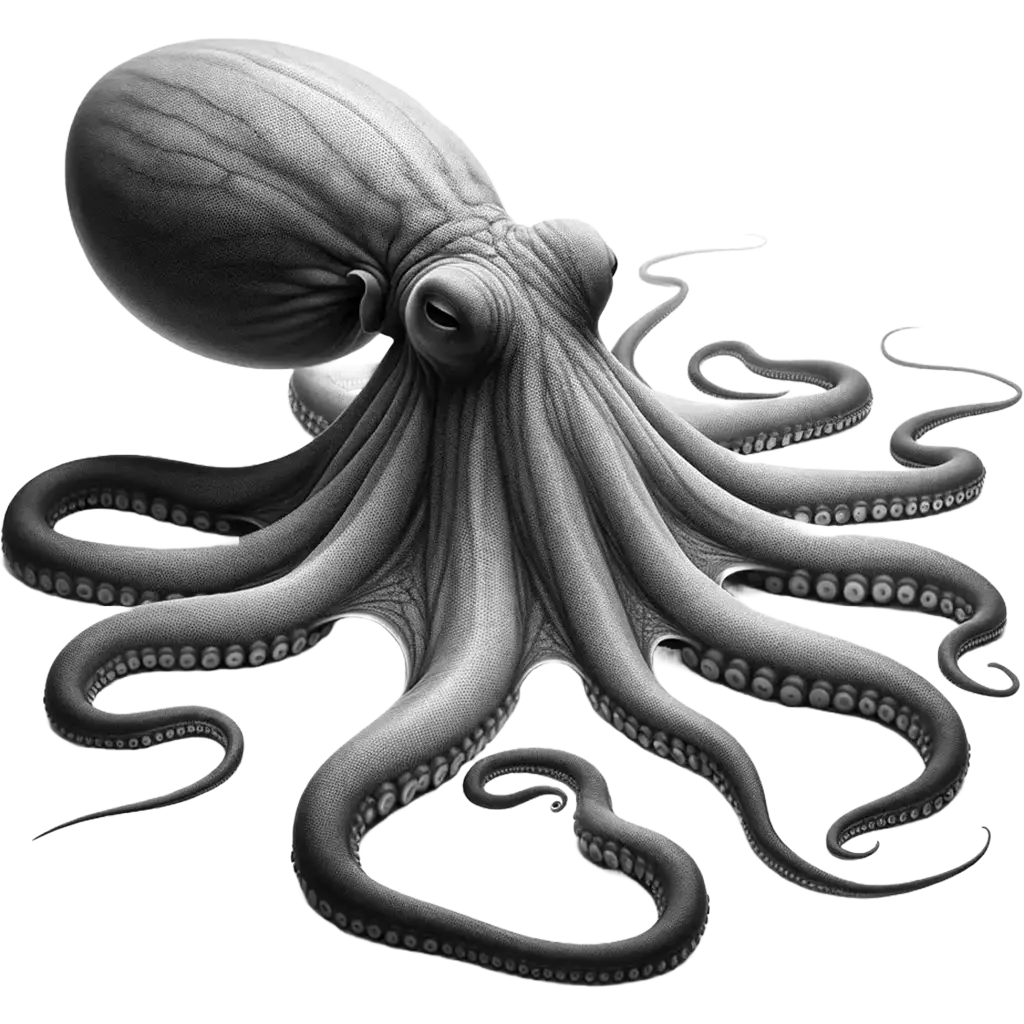
The Musky Octopus, eledone moschata, is a lesser-known species of octopus residing in the Mediterranean Sea and parts of the adjacent Atlantic Ocean. Characterized by its relatively small size, with a total length reaching up to 50 cm, including its arms, this species is distinguished by its single row of
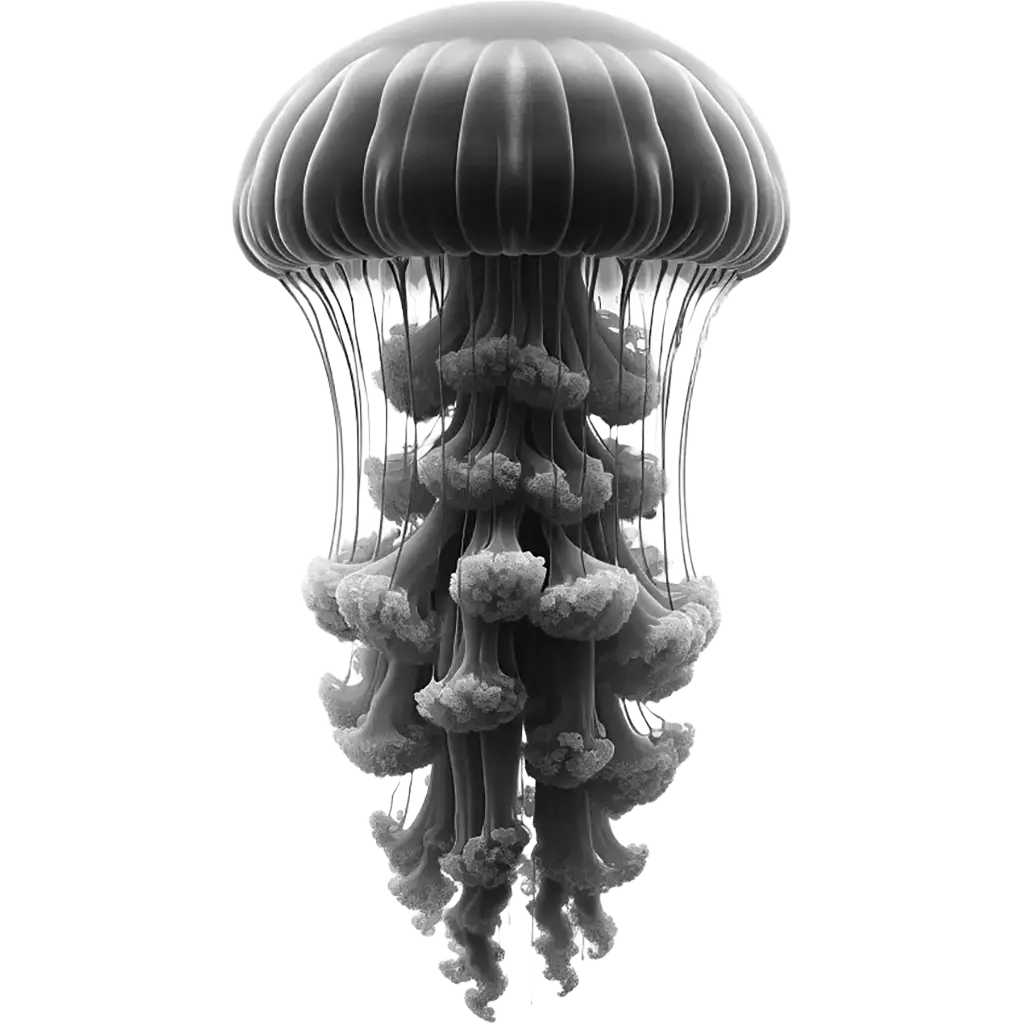
Jellyfish are fascinating marine creatures, known for their gelatinous bodies and graceful, pulsating movements through the ocean's waters. These ancient animals have roamed the seas for at least 500 million years, making them one of the oldest living organisms on the planet. Jellyfish range in size from a few millimeters
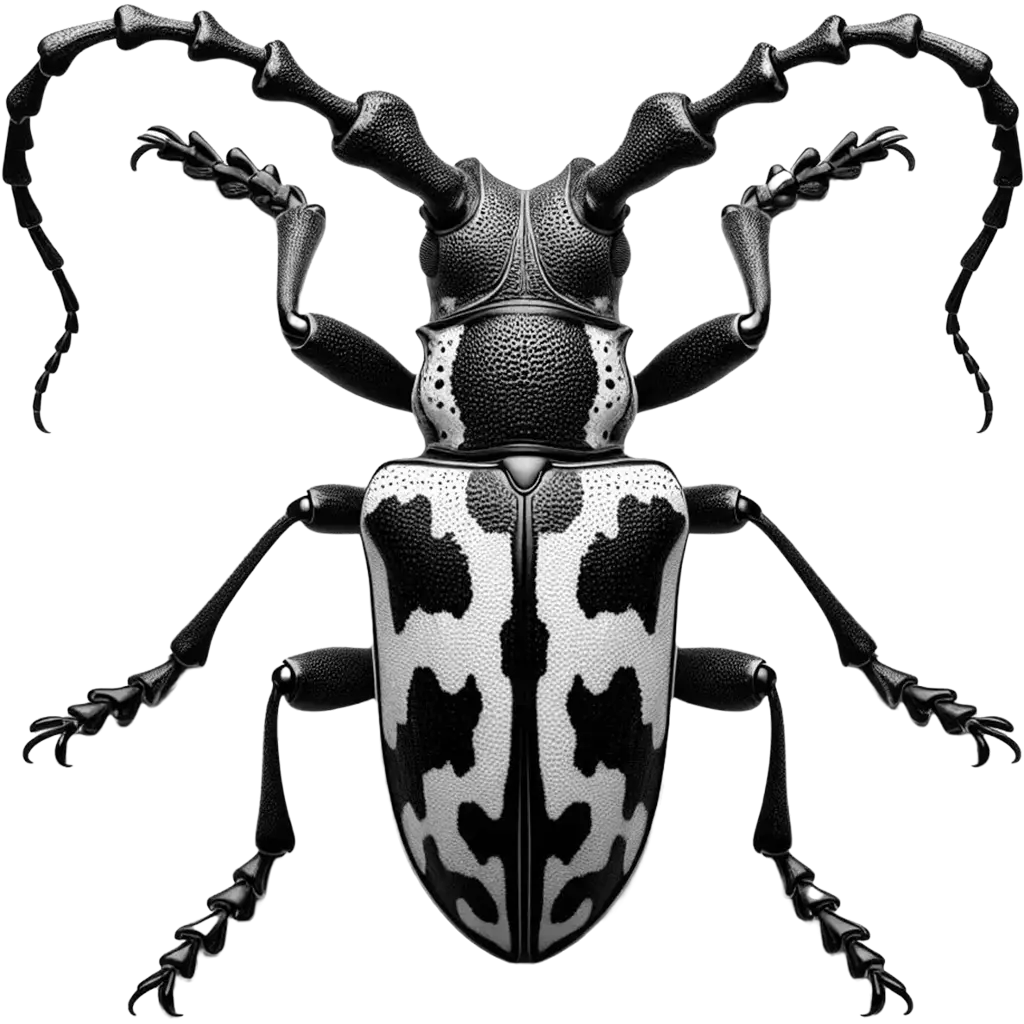
The Harlequin Beetle, acrocinus longimanus, is a striking species of longhorn beetle, renowned for its large size and vividly patterned exoskeleton. Native to the tropical rainforests of Central and South America, these beetles can reach lengths of up to 8 centimeters (3 inches), with males sporting exceptionally long front legs,
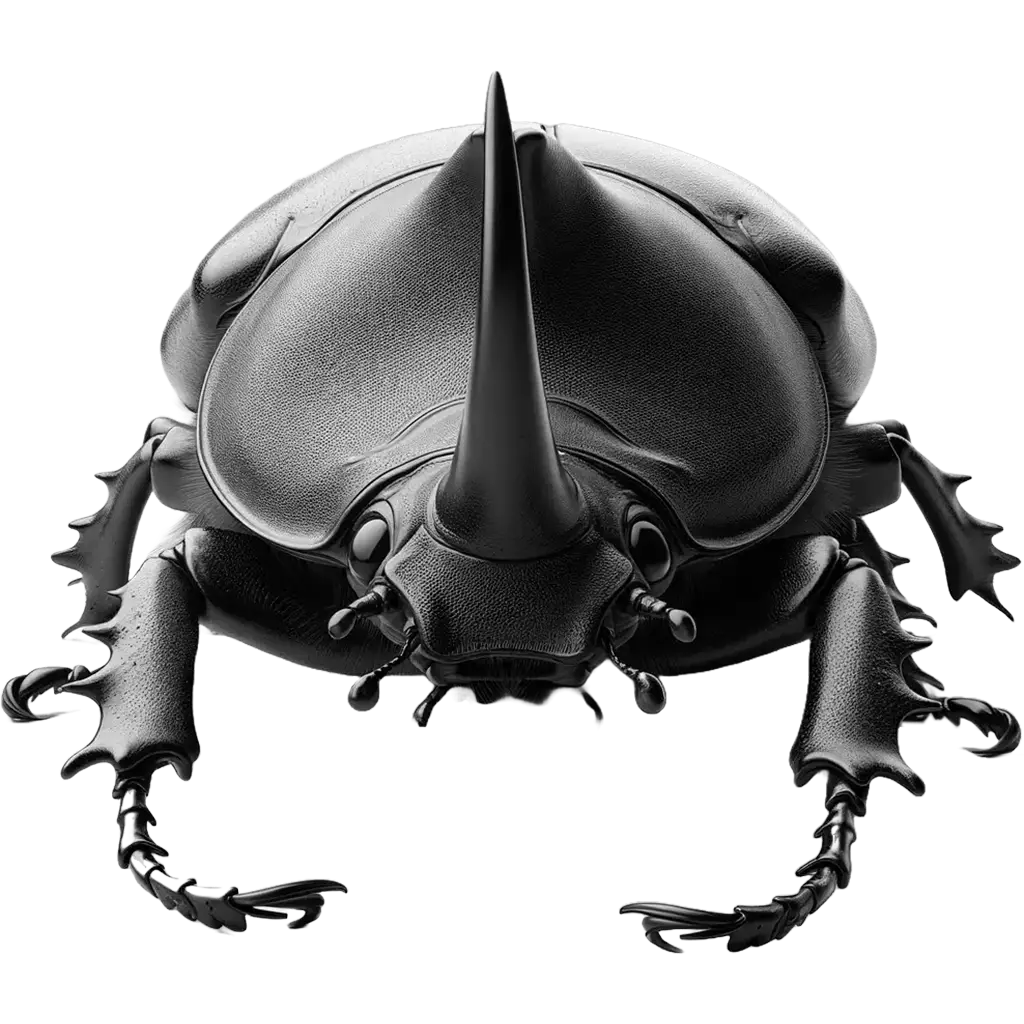
Rhinoceros Beetles, oryctes nasicornis, are among the largest of beetles, with some species reaching up to 15 cm in length, including their distinctive horn-like structures. These beetles are characterized by their impressive size, robust body, and the prominent horns on the males' heads and thoraxes, from which they derive their