
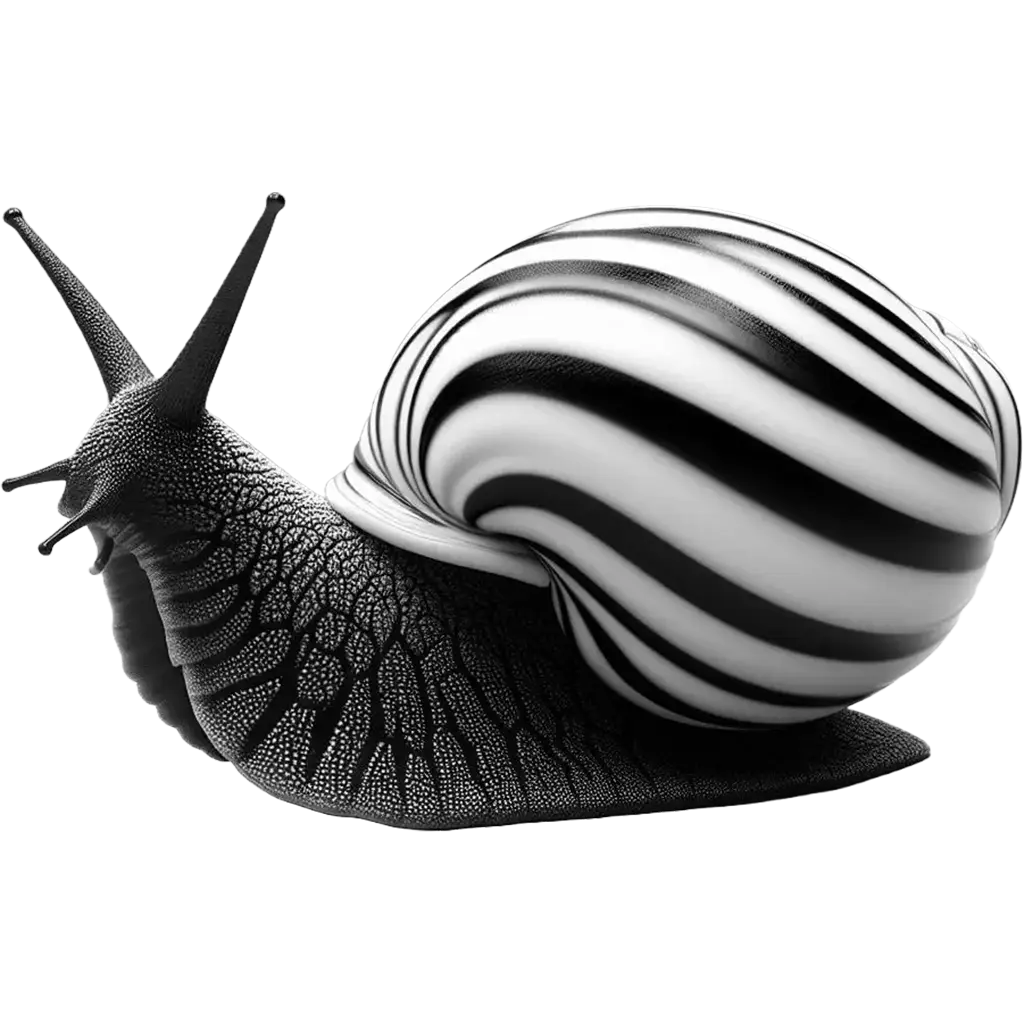
Cypraea Tigris
Cowry Snail
Tropical and subtropical seas, living in coral reefs, rocky areas, and sand
The Cowry Snail, cypraea tigris, often simply referred to as the Tiger Cowry, is a marine gastropod renowned for its highly polished, beautifully patterned shell. This species is widespread across the tropical and subtropical waters of the Indo-Pacific region, from the east coast of Africa, across the Indian Ocean, to the central Pacific Ocean. The shell of the Tiger Cowry can reach up to 15 centimeters in length, making it one of the largest cowry species. Its smooth, elongated oval shell features a glossy finish with a distinctive pattern of dark brown spots on a cream or yellowish background, resembling a tiger's coat, hence its common name.
| Population: | Common and widespread, not currently considered threatened |
| Generation Length: | 1-2 years |
| Average Weight: | Not widely documented; varies significantly with size |
| Average Length: | 5-15 cm |
| Lifespan: | Several years, exact lifespan varies |
| Diet: | Algae and dead animal matter |
| Conservation Status: | Not Evaluated (NE) |
Tiger Cowries prefer coral reef environments, where they hide during the day and emerge at night to feed. They are often found in shallow waters but can also inhabit depths of up to 20 meters. The snail's body is enveloped by a mantle, which extends over the shell when the animal is active, secreting substances that help maintain the shell's lustrous appearance.
The diet of the Cowry Snail is diverse, including algae, coral polyps, and small invertebrates. They use a specialized radula (a toothed, ribbon-like tongue) to scrape and consume food from hard surfaces, playing a role in the ecosystem by helping control algae growth and contributing to the health of coral reefs.
Reproduction in Cowry Snails involves the laying of eggs in protective capsules, which the female attaches to the underside of rocks or coral. Each capsule contains numerous eggs, from which larvae emerge and undergo a planktonic stage before settling to the bottom and developing into juvenile snails. This reproductive strategy contributes to their wide distribution across tropical and subtropical seas.
The Tiger Cowry is not currently considered endangered, but it faces threats from habitat destruction, particularly the degradation of coral reefs, and from collection for the ornamental shell trade. Despite these challenges, the species remains relatively abundant in suitable habitats. Conservation efforts for coral reefs indirectly benefit the Tiger Cowry by preserving its natural habitat and the biodiversity of reef ecosystems.
Classifications
The Key Attributes
Features
- Movement:
Crawling
- Territorial Behavior:
Not territorial; often found in groups where food is abundant
- Speed:
Slow, typical for snails
- Diet:
Omnivore, mainly feeds on algae and dead animal matter
- Physical Features:
- Smooth, shiny shell with tiger-like patterning
- Oval-shaped, glossy shell
- Soft, retractable body
- Primary Senses:
- Chemical sensing
- Tactile
Understanding Habitat and Range
Geography
- Habitat:
Tropical and subtropical seas, living in coral reefs, rocky areas, and sand
- Migration Patterns:
Non-migratory
- Geographical Range:
Indo-Pacific region
- Climate Preferences:
Warm, tropical and subtropical marine environments
Navigating the Wilderness
In the wild
- Predators:
Fish, octopuses, and sea stars
- Prey:
Algae, detritus
- Feeding Behavior:
Grazes on algae and scavenges for detritus and dead animal matter
- Diet:
Algae and dead animal matter
- Defensive Mechanisms:
- Hard, smooth shell for protection
- Can retract into shell and seal it with a muscular 'foot'
- Preferred Food Sources:
- Algae
- Detritus
Insights Into Reproduction
Mating
- Mating System:
Not specifically documented; snails may be sequential hermaphrodites
- Number of Offspring:
Produces hundreds to thousands of tiny eggs
- Incubation Period:
Varies; larvae are planktonic before settling and growing into adults
- Parental Involvement:
- No parental care after laying eggs
Youngsters Section
Cowry Snail
Fun Fact
Cowry snails have been used as currency in various cultures due to their shiny, colorful shells.
These snails are found in warm, tropical waters and are known for their unique shell patterns. Their shells have smooth, glossy surfaces, making them highly prized for jewelry. Cowry snails are nocturnal, mainly feeding on algae and sponges, and play a role in marine ecosystems.

Download word search puzzles
Word Search Puzzles


Check Out Other Invertebrates
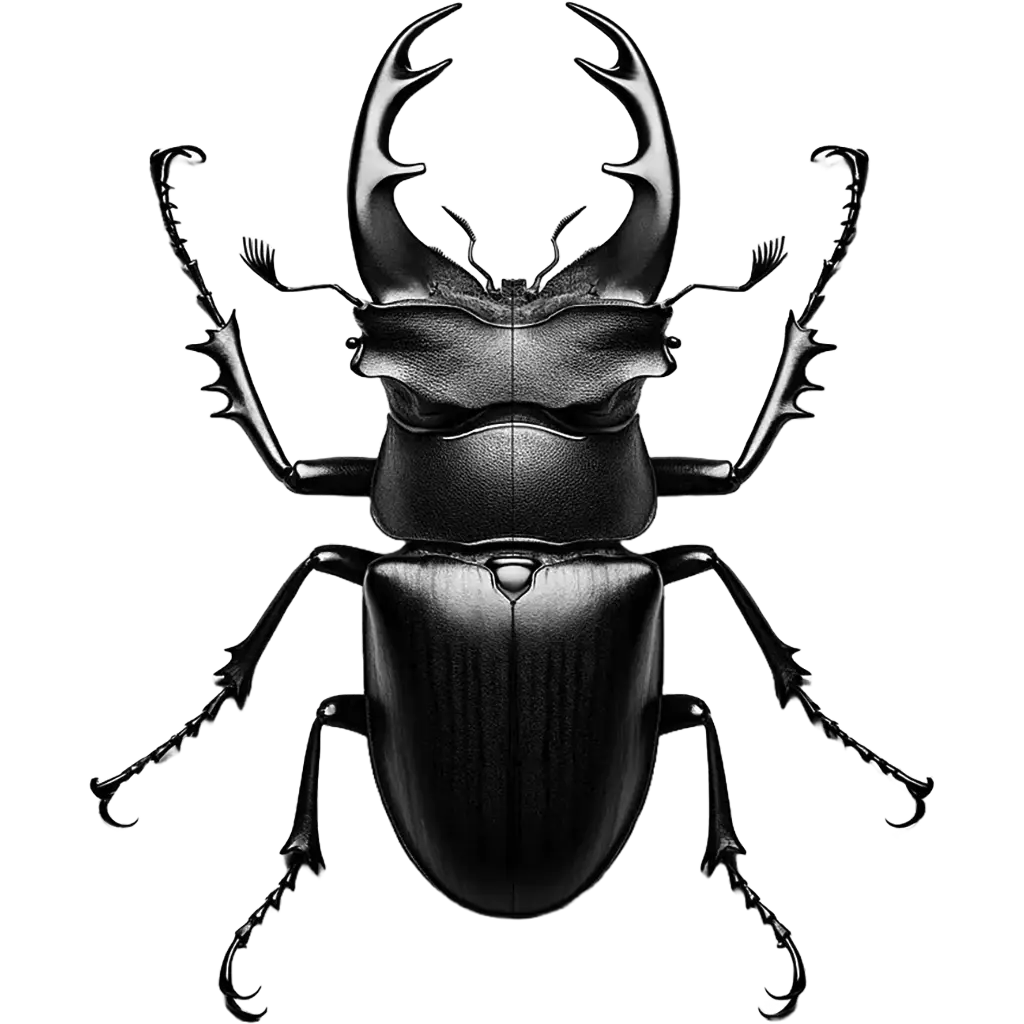
The Aegus Beetle, aegus laevicollis, a genus of stag beetles, belonging to the family Lucanidae, is one of the most recognizable and spectacular of beetles, known for the impressive, oversized mandibles of the males, which resemble the antlers of a stag, hence their name. These mandibles are used in combat
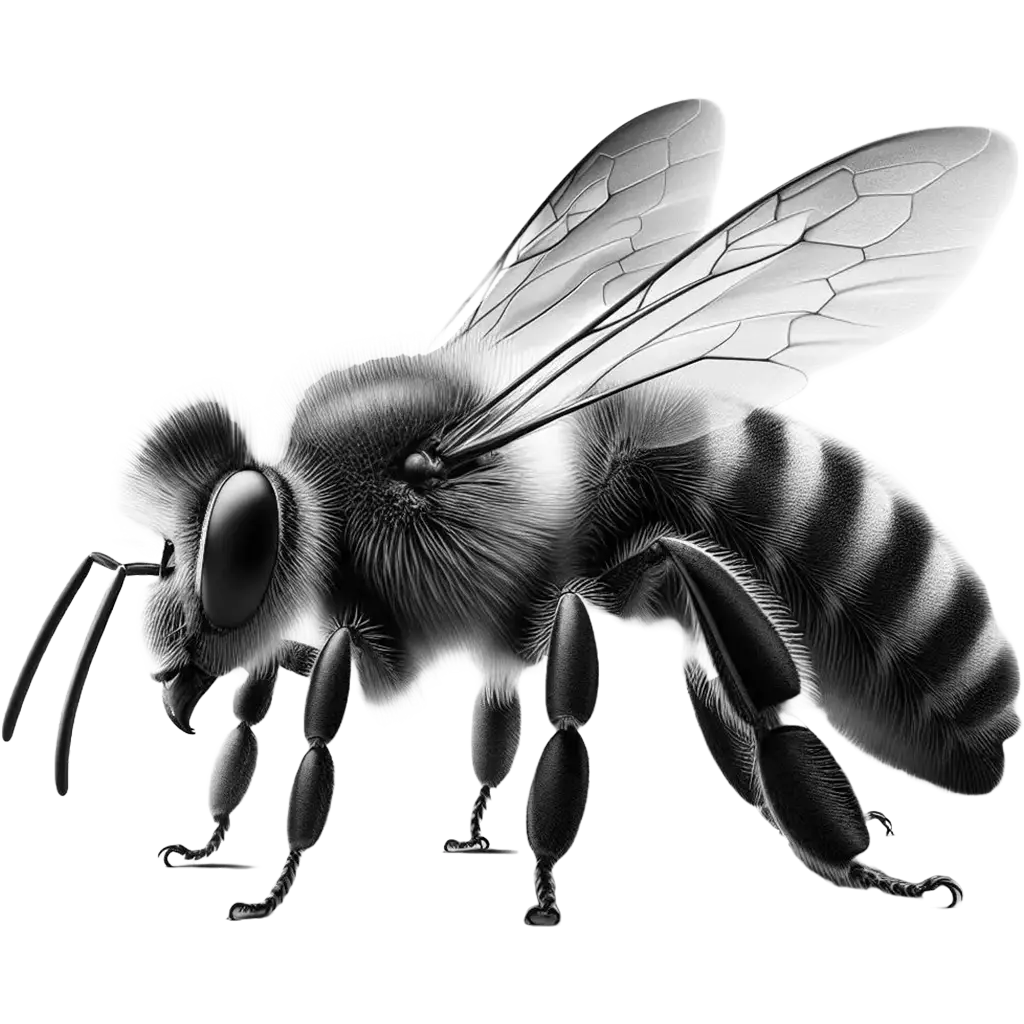
The Western Honey Bee, apis mellifera, is a pivotal species within ecosystems and agriculture due to its role as a pollinator. These bees are characterized by their golden-brown and black body, with bands of orange and brown hairs that vary in color intensity among individuals and subspecies. Workers, which are
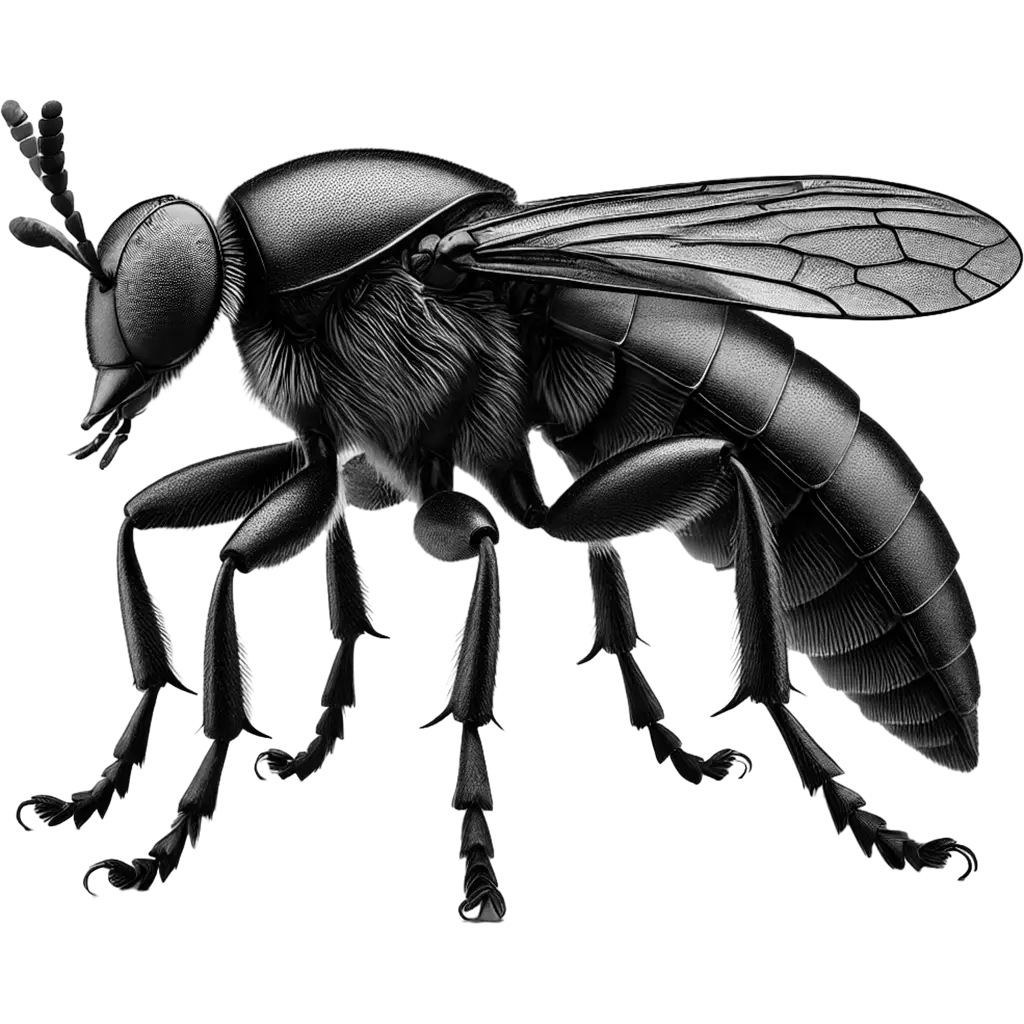
The Spanish fly is a striking blister beetle with a smooth, elongated body that measures roughly 1.5 to 2 centimeters in length. Its vivid orange to deep red coloration, accented by contrasting dark markings along the elytra, creates a bold, warning display. The body is slender yet soft, with delicate,
Large Clawed Scorpions, scorpio maurus, belonging to the class Arachnida and order Scorpiones, are predatory arachnids known for their segmented tail tipped with a venomous stinger, along with a pair of grasping pincers. They range in size from about 9 mm to over 20 cm. Scorpions are characterized by a