
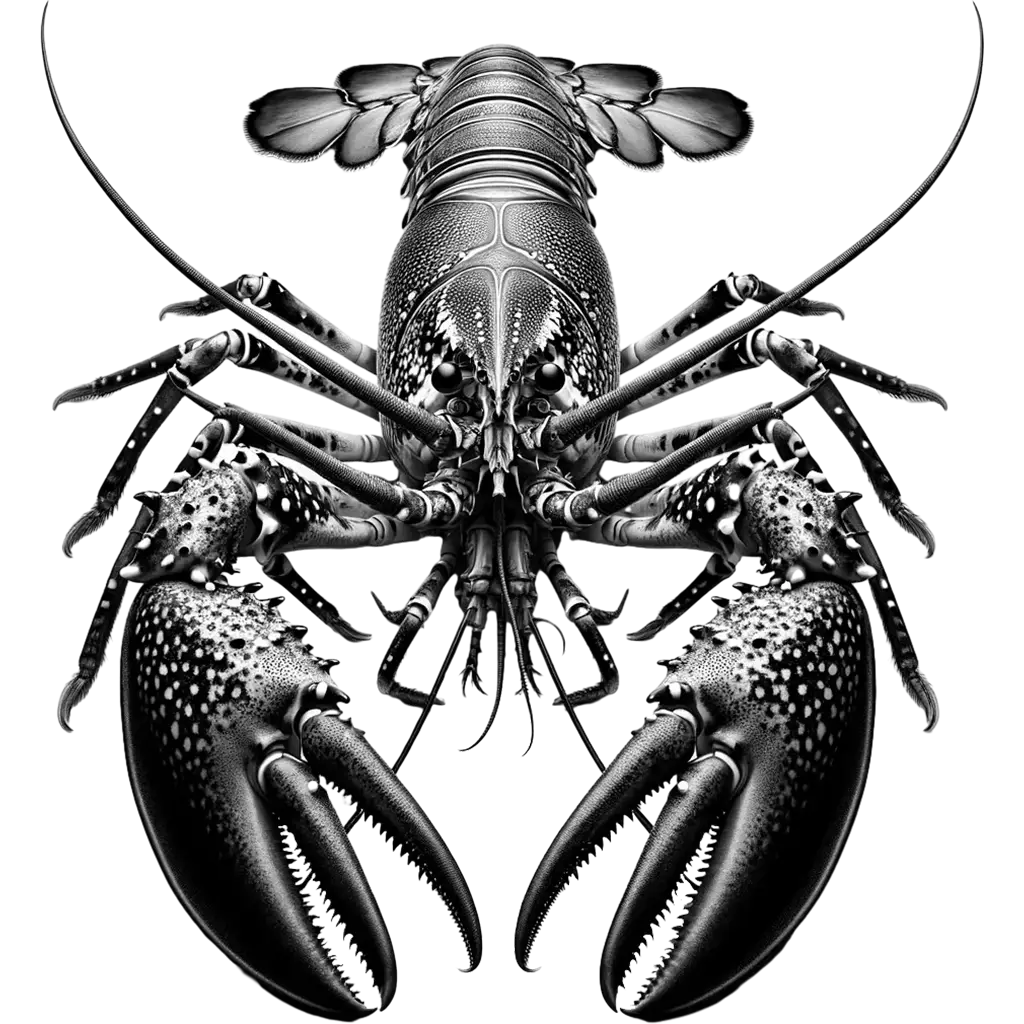
Homarus Americanus
American Lobster
Ocean floor, rocky areas, kelp forests, and muddy bottoms
The American Lobster, homarus americanus, is a large marine crustacean found along the Atlantic coast of North America, from Labrador to New Jersey. It is distinguished by its heavy, segmented body covered in a hard exoskeleton, two large claws (one larger and one smaller, specialized for crushing and cutting), and a series of smaller limbs. Adults can grow to more than 60 centimeters in length and weigh over 20 kilograms, although sizes around a third of that are more common. The coloration of American Lobsters can vary widely, including shades of blue, green, brown, and even occasionally yellow or white, though they all turn bright red when cooked.
| Population: | Abundant, but subject to fishing pressures |
| Generation Length: | Approximately 7 years |
| Average Weight: | 0.6-4 kg, can exceed 20 kg in exceptional cases |
| Average Length: | 20-60 cm |
| Lifespan: | Can live up to 100 years |
| Diet: | Fish, mollusks, algae, and other plant matter |
| Conservation Status: | Least Concern (LC) |
American Lobsters are bottom-dwellers, preferring rocky environments where they can hide from predators. They are nocturnal, spending the day in burrows or crevices and emerging at night to feed. These lobsters are highly territorial and use their claws to fight for dominance and habitat. They are capable of a fascinating behavior known as autotomy, where they can detach a limb to escape predators or fights, with the ability to regenerate it over time. Their life cycle involves several larval stages before settling to the bottom and growing into adulthood, a process that can take 5 to 8 years.
The diet of the American Lobster is omnivorous, consisting of fish, small crustaceans, mollusks, and occasionally plant matter. They use their powerful claws to capture, crush, and tear their prey before consuming it. This varied diet is crucial for their growth and the development of their hard exoskeleton, which they must periodically molt and regenerate as they grow larger. Molting is a vulnerable time for lobsters, as they shed their old shell and grow a new one, requiring them to hide from predators until their new exoskeleton hardens.
Mating occurs shortly after the female molts, when her exoskeleton is still soft. The male deposits a spermatophore, or sperm packet, into the female, which she can store for up to a year before using to fertilize her eggs. Females carry the fertilized eggs attached to their swimmerets under their tail for 9 to 12 months before they hatch into planktonic larvae. These larvae go through several molting stages in the open water before settling to the bottom and starting their benthic life.
The population of the American Lobster has seen fluctuations due to overfishing, environmental changes, and disease. However, strict regulations and conservation efforts, including size limits, protection of breeding females, and restrictions on fishing methods, have helped stabilize and even increase lobster populations in some areas. The American Lobster is not only an important species ecologically but also economically, as a valuable seafood commodity, making its sustainability a priority for both conservationists and the fishing industry.
Classifications
The Key Attributes
Features
- Movement:
Walks slowly on the sea floor, can swim backwards by flexing its tail
- Territorial Behavior:
Solitary, territorial over shelters
- Speed:
Slow on land, but capable of quick bursts in water
- Diet:
Omnivore
- Physical Features:
- Long body with a muscular tail
- Two large claws, one for crushing and one for cutting
- Hard exoskeleton
- Antennae
- Primary Senses:
- Taste
- Touch
- Chemoreception
Understanding Habitat and Range
Geography
- Habitat:
Ocean floor, rocky areas, kelp forests, and muddy bottoms
- Migration Patterns:
Some seasonal migration to deeper waters in winter
- Geographical Range:
North Atlantic Ocean, from Labrador to North Carolina
- Climate Preferences:
Cold marine environments
Navigating the Wilderness
In the wild
- Predators:
Fish, octopuses, and humans
- Prey:
Fish, small crustaceans, mollusks
- Feeding Behavior:
Nocturnal, scavenges and hunts for fish, mollusks, other crustaceans, and some plant matter
- Diet:
Fish, mollusks, algae, and other plant matter
- Defensive Mechanisms:
- Retreating into burrows or under rocks
- Using claws for defense and to intimidate predators
- Preferred Food Sources:
- Carrion
- Live prey when available
Insights Into Reproduction
Mating
- Mating System:
Polygynous
- Number of Offspring:
Up to 100,000 eggs, though survival rate is very low
- Gestation Period:
9-12 months
- Incubation Period:
Eggs are carried under the female's tail until they hatch
- Parental Involvement:
- Female protects the eggs until they hatch; no further care
Youngsters Section
American Lobster
Fun Fact
The American Lobster can live up to 100 years, making it one of the longest-living marine creatures.
Their shells don't age, allowing them to grow throughout their life. They can regenerate lost claws and limbs, making them resilient survivors. These lobsters are also known for their impressive size, with some weighing over 40 pounds. Their blue blood, due to copper content, helps them survive in cold waters.

Download word search puzzles
Word Search Puzzles


Check Out Other Invertebrates

The Giant Glasswing, methona confusa, is a visually striking species known for its distinctive appearance and is commonly found in the tropical regions of South America. These butterflies exhibit large, translucent wings marked with an intricate pattern of black veins and borders, creating a stunning contrast against the greenery of
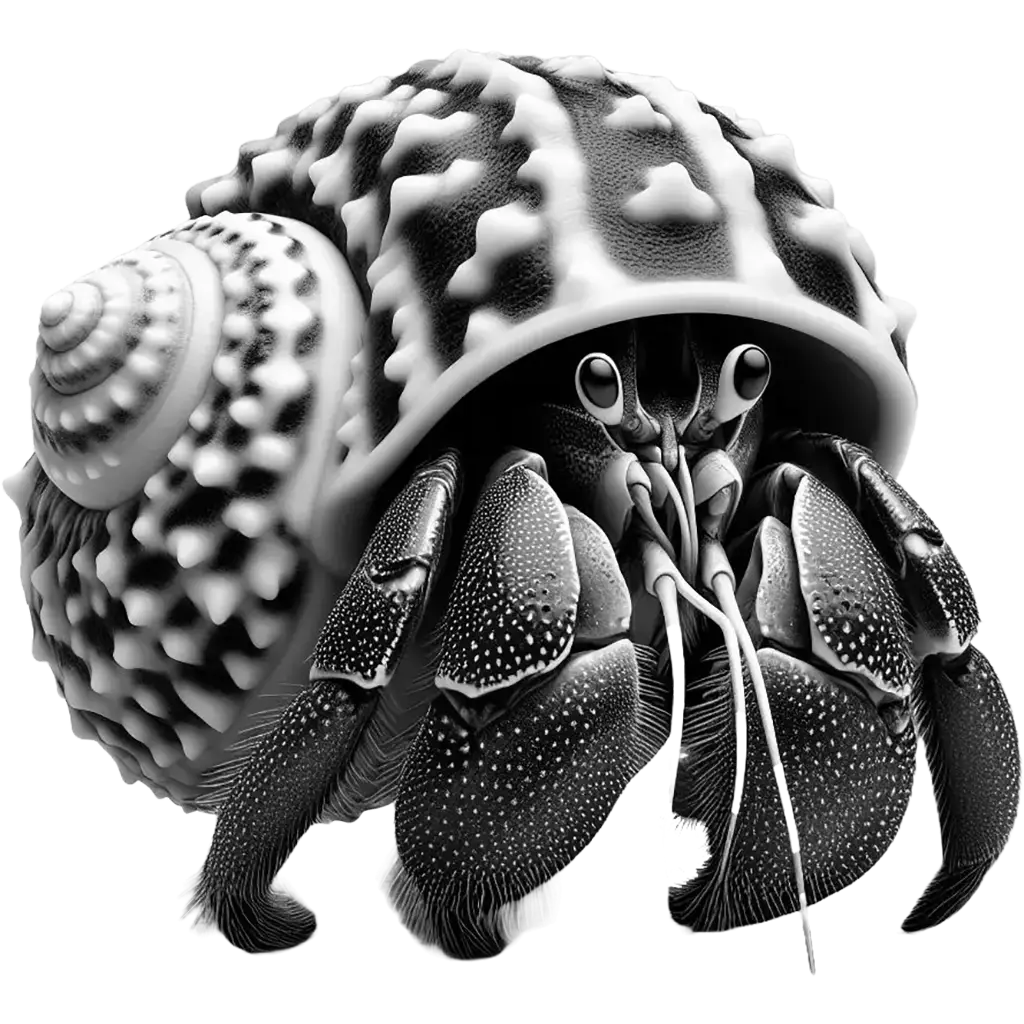
Hermit Crabs, coenobita perlatus, are fascinating creatures known for their distinctive habit of living in discarded shells to protect their vulnerable abdomens. Unlike true crabs, Hermit Crabs have soft, asymmetrical abdomens that are not covered by an exoskeleton, making the search for and occupation of empty snail shells critical for
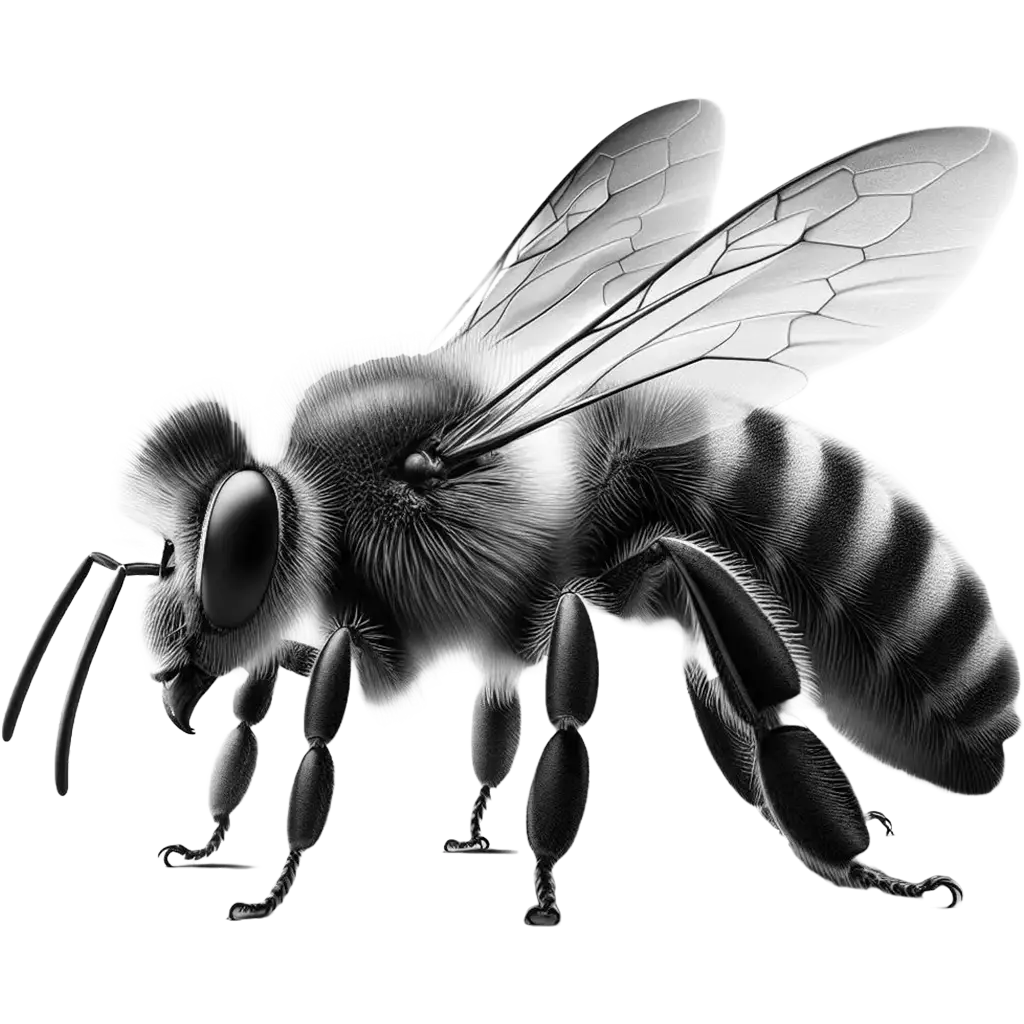
The Western Honey Bee, apis mellifera, is a pivotal species within ecosystems and agriculture due to its role as a pollinator. These bees are characterized by their golden-brown and black body, with bands of orange and brown hairs that vary in color intensity among individuals and subspecies. Workers, which are
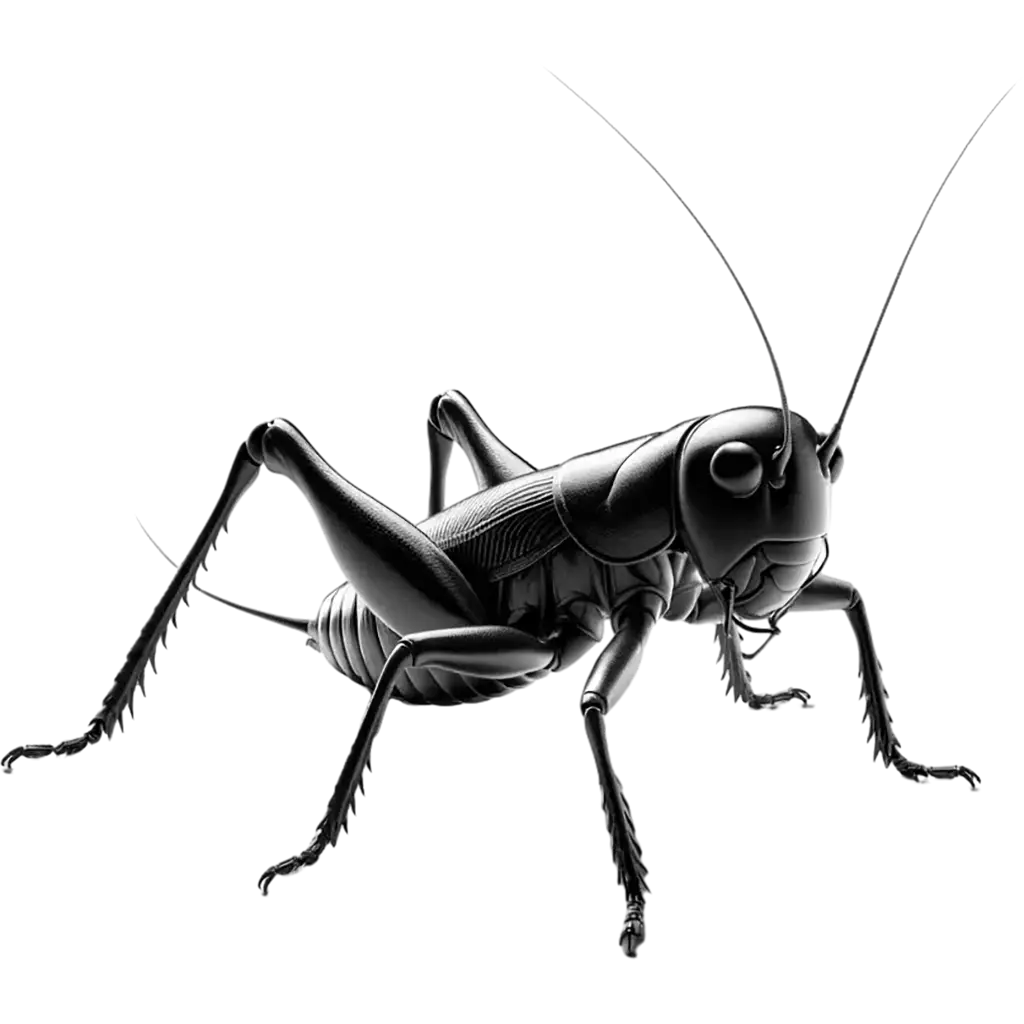
The Field Cricket, gryllus campestris, is a common species of cricket found across Europe and parts of Asia, known for the distinctive chirping sounds males produce to attract females. Adults typically measure between 1.5 to 2.5 cm in length, with a dark, velvety black body that helps them absorb heat