
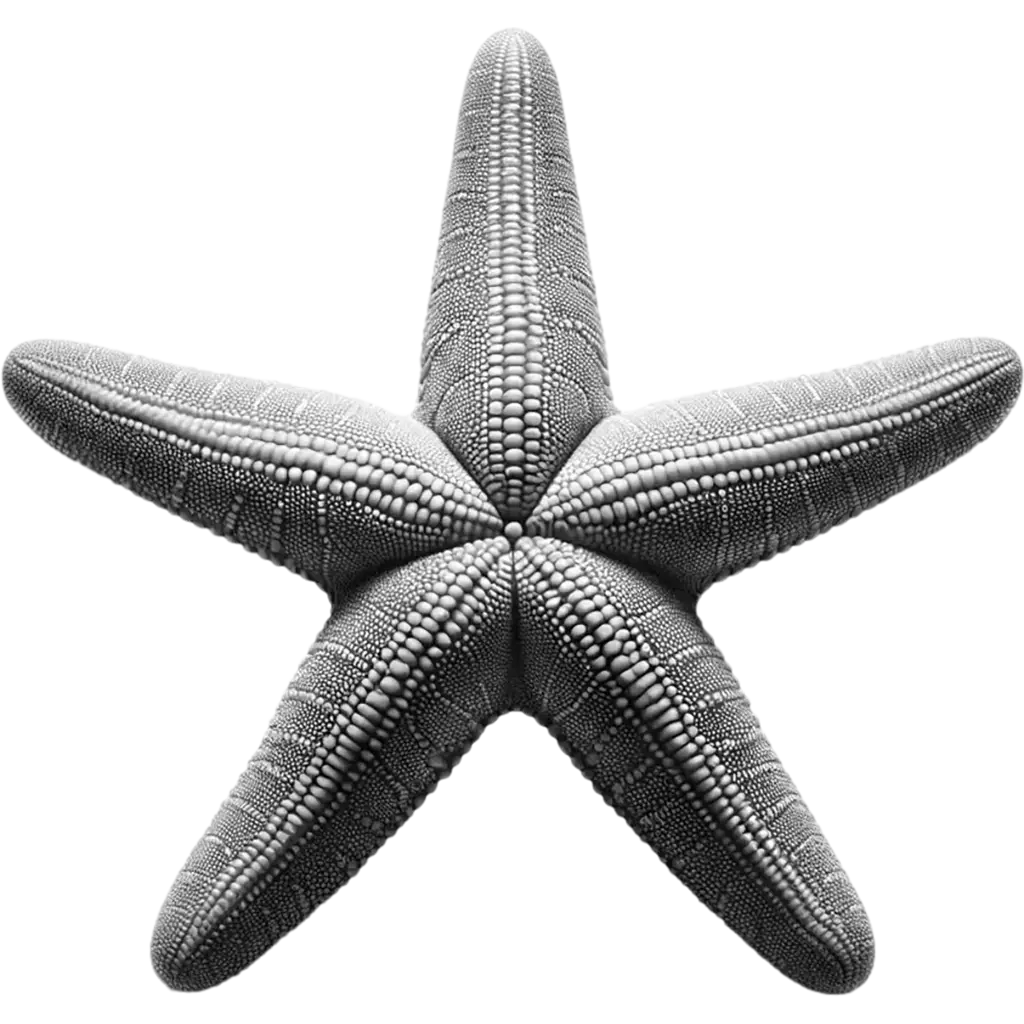
Asterias Rubens
Common Starfish
Rocky intertidal zones, subtidal areas, and seabeds
The Common Starfish, asterias rubens, is a widely recognized marine invertebrate found across the North Atlantic, from the Arctic Ocean to the Mediterranean Sea. This species typically exhibits five arms radiating from a central disc, though specimens with more arms can occasionally be found. The Common Starfish can reach a diameter of up to 30 cm, making it one of the larger starfish species in its range. Its upper surface is covered in short spines and is usually orange, brown, or sometimes purple in color, helping it blend into the sandy or rocky seabed.
| Population: | Listed as Least Concern, with widespread and abundant populations |
| Generation Length: | 4-5 years |
| Average Weight: | Variable, but can weigh up to 500 grams |
| Average Length: | Typically 20-30 cm across |
| Lifespan: | Up to 35 years in the wild |
| Diet: | Predominantly feeds on mollusks, utilizing external digestion to consume prey |
| Conservation Status: | Not Evaluated (NE) |
Common Starfish inhabit a variety of marine environments, from tidal pools to depths of several hundred meters. They are benthic creatures, spending the majority of their time on the sea floor where they are adept at climbing over rocks and navigating through seaweed. This species is known for its remarkable ability to regenerate lost arms, a process that can take several months.
The diet of the Common Starfish consists mainly of mollusks, including mussels, clams, and oysters. They are capable of exerting considerable force to pry open the shells of their prey, then extending their stomachs out of their mouths to digest the soft tissues inside. This feeding behavior has significant ecological implications, as it helps control the population of bivalves and maintain the balance within marine ecosystems.
Reproduction in the Common Starfish occurs through external fertilization, with both males and females releasing their gametes into the water column where fertilization takes place. The resulting larvae are planktonic, drifting in the ocean currents for several weeks before settling on the seabed and undergoing metamorphosis into the adult form.
The population of the Common Starfish is considered stable and is not currently at risk. However, it faces threats from pollution, habitat destruction, and the impacts of climate change on ocean temperatures and currents. Conservation efforts focus on protecting marine habitats and monitoring the health of starfish populations, which are indicators of the overall health of marine ecosystems.
Classifications
The Key Attributes
Features
- Movement:
Crawling with tube feet
- Territorial Behavior:
Not territorial; often found in large aggregations
- Speed:
Slow-moving, speed not usually quantified due to slow and steady movement
- Diet:
Carnivore
- Physical Features:
- Five arms with pincer-like structures and tube feet for movement
- Central disc body with a mouth on the underside
- Spiny skin for protection against predators
- Ability to regenerate lost arms
- Primary Senses:
- Touch
- Chemical sensing
Understanding Habitat and Range
Geography
- Habitat:
Rocky intertidal zones, subtidal areas, and seabeds
- Migration Patterns:
Non-migratory, but can move to different areas for feeding
- Geographical Range:
North Atlantic Ocean, including the North Sea, and coastal areas of Europe and North America
- Climate Preferences:
Prefers cold to temperate marine environments
Navigating the Wilderness
In the wild
- Predators:
Sea gulls, crabs, and other starfish species
- Prey:
Mussels, clams, and other bivalve mollusks
- Feeding Behavior:
Feeds mainly on bivalves, using its tube feet to pry open shells and evert its stomach to digest food externally
- Diet:
Predominantly feeds on mollusks, utilizing external digestion to consume prey
- Defensive Mechanisms:
- Spiny skin to deter predators
- Ability to regenerate limbs if attacked
- Preferred Food Sources:
- Areas with high densities of bivalve mollusks
Insights Into Reproduction
Mating
- Mating System:
Broadcast spawning
- Number of Offspring:
Can release millions of eggs
- Incubation Period:
Larvae develop in the water column over several weeks
- Parental Involvement:
- No parental care; larvae are planktonic and independent after hatching
Youngsters Section
Common Starfish
Fun Fact
Common starfish can regenerate lost arms, an ability that aids their survival in the ocean.
This fascinating regeneration process can take several months to a year to complete. The starfish's central disc contains cells that help grow new arms. This ability is not just for healing; it allows them to escape predators by leaving behind a part of themselves and later regrowing it.

Download word search puzzles
Word Search Puzzles


Check Out Other Invertebrates
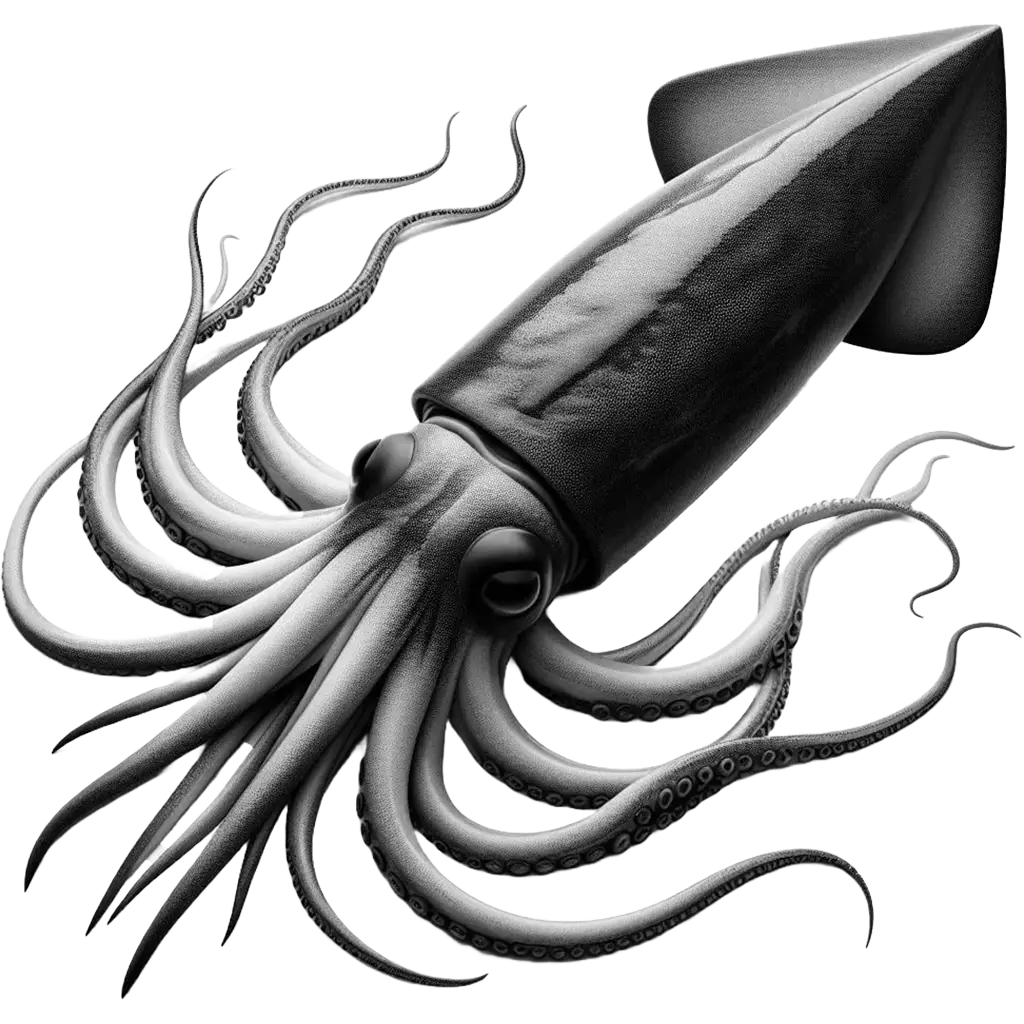
The Giant Squid, architeuthis dux, is a deep-sea dwelling cephalopod known for its immense size and elusive nature. It is one of the largest living organisms, with the largest specimens measuring up to 13 meters (43 feet) in length, including their tentacles. The body of the Giant Squid, or mantle,
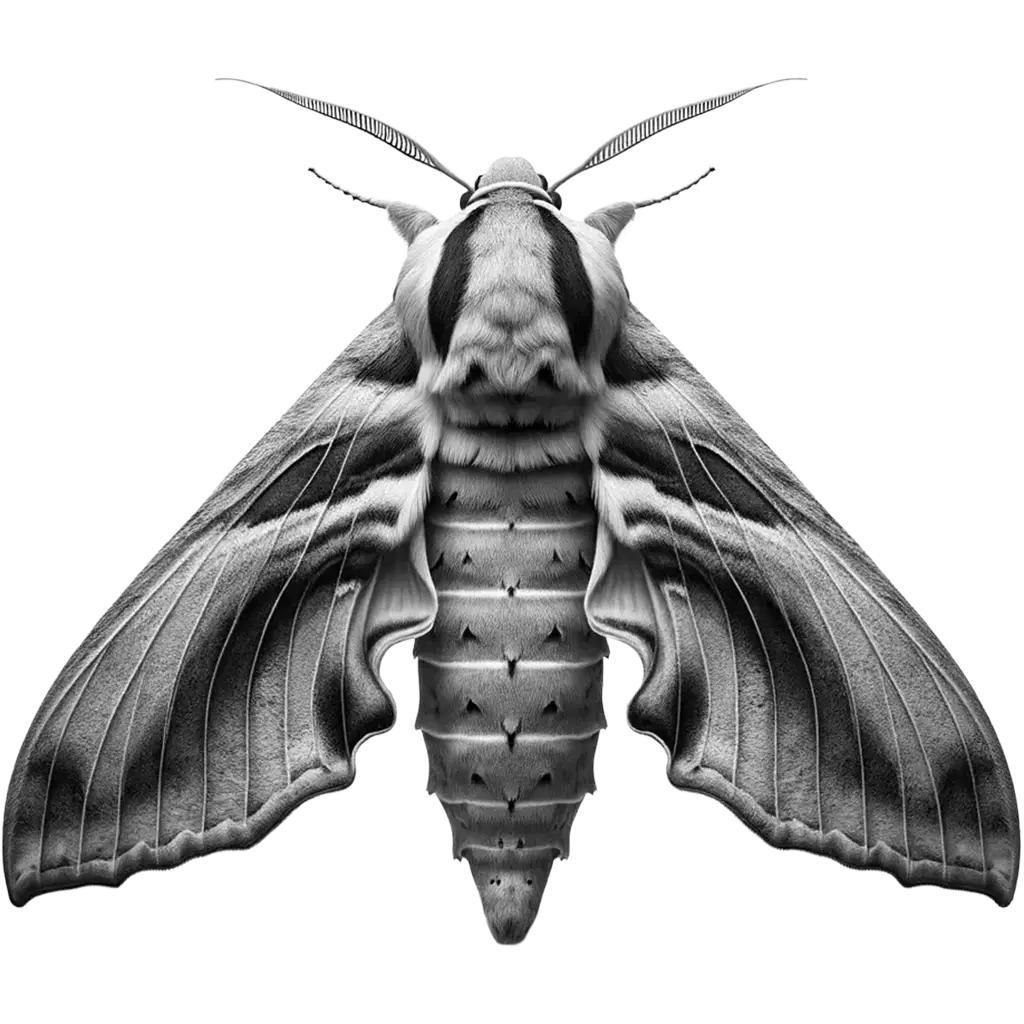
The Lime Hawk-Moth, mimas tiliae, is a striking and colorful species of moth found across Europe and into parts of Asia, recognized for its vibrant green and pink hues that blend seamlessly with the foliage of lime trees, its primary habitat and food source during the larval stage. Adult moths

The Turquoise Cracker, hamadryas arinome, is a striking butterfly species known for its vibrant turquoise patches and unique cracker-like sounds, from which its common name derives. This butterfly is part of the Nymphalidae family and is primarily found in the forests and woodland areas of Central and South America, ranging
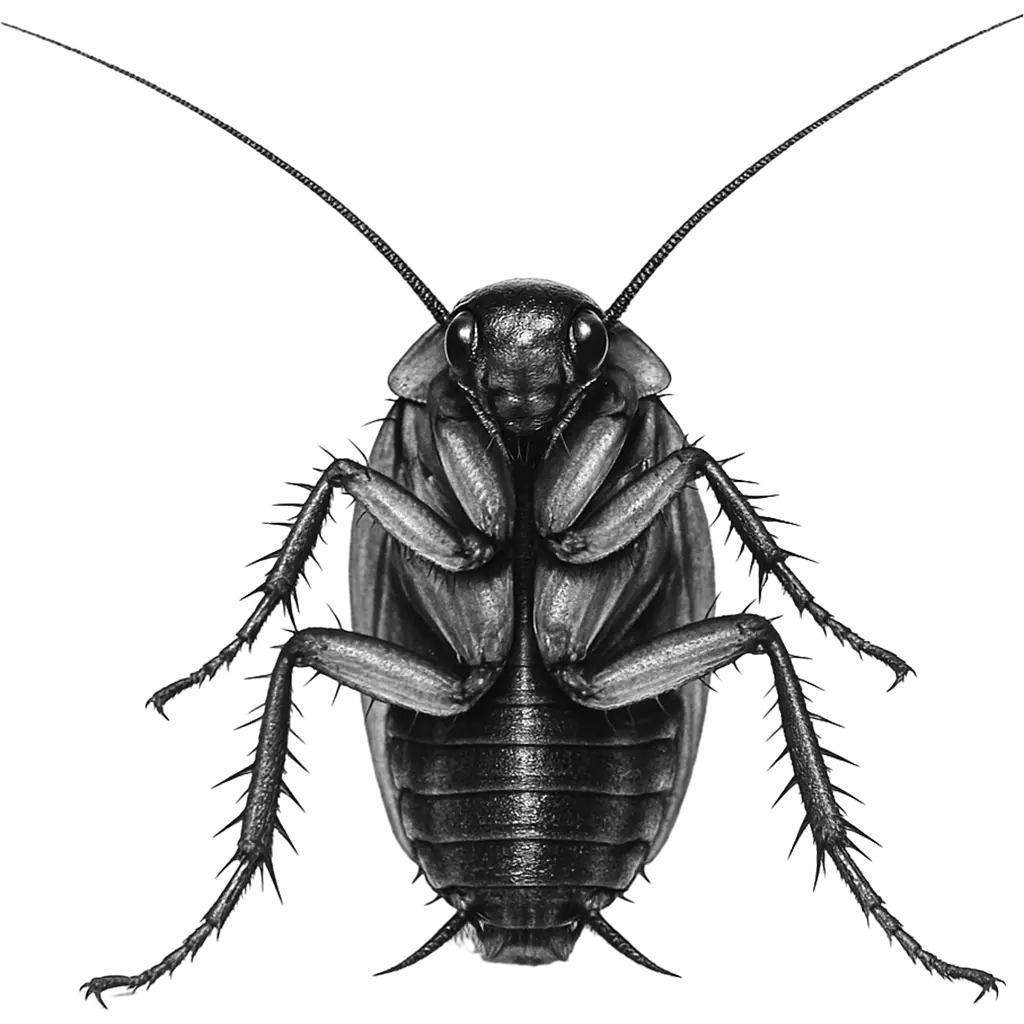
The German Cockroach displays a compact, oval-shaped body with a light brown to tan coloration that provides effective camouflage in indoor environments. Its exoskeleton is smooth and slightly shiny, complementing a pair of long, delicate antennae that constantly explore the surrounding environment. This small insect measures only a fraction of