
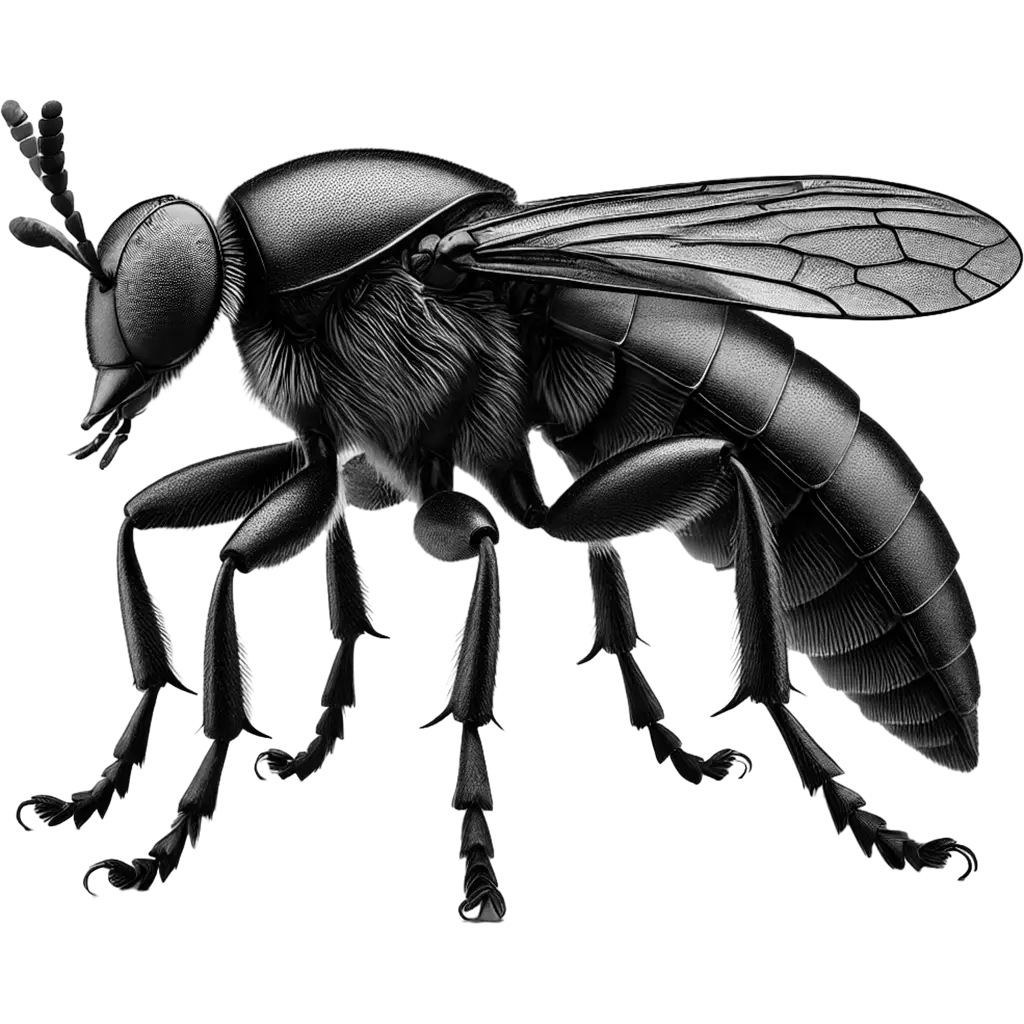
Lytta Vesicatoria
Spanish Fly
Meadows, grasslands, and scrublands
The Spanish fly is a striking blister beetle with a smooth, elongated body that measures roughly 1.5 to 2 centimeters in length. Its vivid orange to deep red coloration, accented by contrasting dark markings along the elytra, creates a bold, warning display. The body is slender yet soft, with delicate, translucent wings folded neatly beneath its protective casing, and its finely segmented antennae enhance its distinctive, eye-catching appearance.
| Population: | Common in southern Europe, North Africa, and western Asia, but declining due to agriculture and collection for toxins |
| Generation Length: | Approximately 1 year |
| Average Weight: | 0.5-1 gram |
| Average Length: | Approximately 1.5-2 cm |
| Lifespan: | Approximately 1 year in the wild |
| Diet: | Adults are primarily nectar and pollen feeders, while larvae are parasitic on bee nests |
| Conservation Status: | Least Concern (LC) |
Active during the warmer months, the Spanish fly inhabits dry, sunlit areas such as meadows, grasslands, and scrublands. It is frequently observed fluttering among low vegetation in search of nectar and pollen, and it often basks in sunlight to regulate its body temperature. While not territorial, its behavior includes brief flights and sudden bursts of activity when disturbed. This beetle's lifestyle balances periods of calm resting with agile, intermittent foraging, making it an integral part of its ecosystem's pollination network.
As an adult, the Spanish fly primarily feeds on the nectar and pollen of various flowering plants, playing a key role in pollination. Its specialized mouthparts allow it to efficiently extract liquid nourishment from blossoms, while its robust digestive system ensures optimal nutrient absorption. In contrast, its larvae adopt a parasitic lifestyle by infiltrating solitary bee nests, where they consume stored provisions. This dual-stage dietary strategy supports its rapid life cycle and contributes to complex ecological interactions within its habitat.
During the mating season, Spanish flies engage in brief, intense courtship interactions. Males release pheromones to attract females, and tactile signals during close encounters facilitate mating. Following copulation, the female lays a large cluster of eggs that hatch approximately 10 days later, with no further parental care provided.
Overall, the Spanish fly is not considered endangered and remains relatively common in its native range, though local populations are highly sensitive to habitat changes and human activities. Conservation measures and sustainable agricultural practices are essential to protect these uniquely toxic beetles from further decline in the wild.
Classifications
The Key Attributes
Features
- Movement:
Capable of flight, the Spanish fly moves with quick, fluttering motions between low vegetation in sunny, open areas.
- Territorial Behavior:
Largely non-territorial; individuals do not defend specific areas.
- Speed:
Moderate, with sudden bursts when startled or during feeding.
- Diet:
Adults feed primarily on nectar and pollen, while the larvae are parasitic on solitary bee nests.
- Physical Features:
- Elongated, soft-bodied form with a smooth exoskeleton
- Vivid orange to red coloration with contrasting dark markings
- Delicate, translucent wings and finely segmented antennae
- Primary Senses:
- Sight
- Antennal chemoreception
Understanding Habitat and Range
Geography
- Habitat:
Meadows, grasslands, and scrublands
- Migration Patterns:
Non-migratory; local movements occur in response to food availability and seasonal changes.
- Geographical Range:
Native to Mediterranean regions of southern Europe, parts of North Africa, and western Asia.
- Climate Preferences:
Warm, dry climates with abundant sunlight and low humidity.
Navigating the Wilderness
In the wild
- Predators:
Few predators, as its toxic cantharidin deters many potential threats, though some birds and small mammals may prey on larvae.
- Prey:
Not applicable for adults; larvae exploit bee provisions.
- Feeding Behavior:
Adults forage by flying between flowers, collecting nectar and pollen; larvae infiltrate solitary bee nests to feed on stored provisions.
- Diet:
Adults are primarily nectar and pollen feeders, while larvae are parasitic on bee nests
- Defensive Mechanisms:
- Secretion of cantharidin, a potent toxin that causes blistering
- Bright coloration as a warning signal
- Preferred Food Sources:
- Flowering plants, particularly those with accessible nectar and pollen
Insights Into Reproduction
Mating
- Mating System:
Promiscuous; courtship involves pheromonal and tactile signals between males and females.
- Number of Offspring:
Females can lay hundreds of eggs per reproductive cycle.
- Incubation Period:
Eggs hatch approximately 10 days after being laid.
- Parental Involvement:
- No parental care; larvae must locate host bee nests independently.
Youngsters Section
Spanish Fly
Fun Fact
Spanish flies produce cantharidin, a toxic substance that deters predators and has been historically misused as an aphrodisiac.
Despite its notorious reputation, the Spanish fly plays an important role in pollination, and its complex life cycle—from parasitic larvae to nectar-feeding adults—highlights a fascinating ecological balance in its native habitats.

Download word search puzzles
Word Search Puzzles


Check Out Other Invertebrates
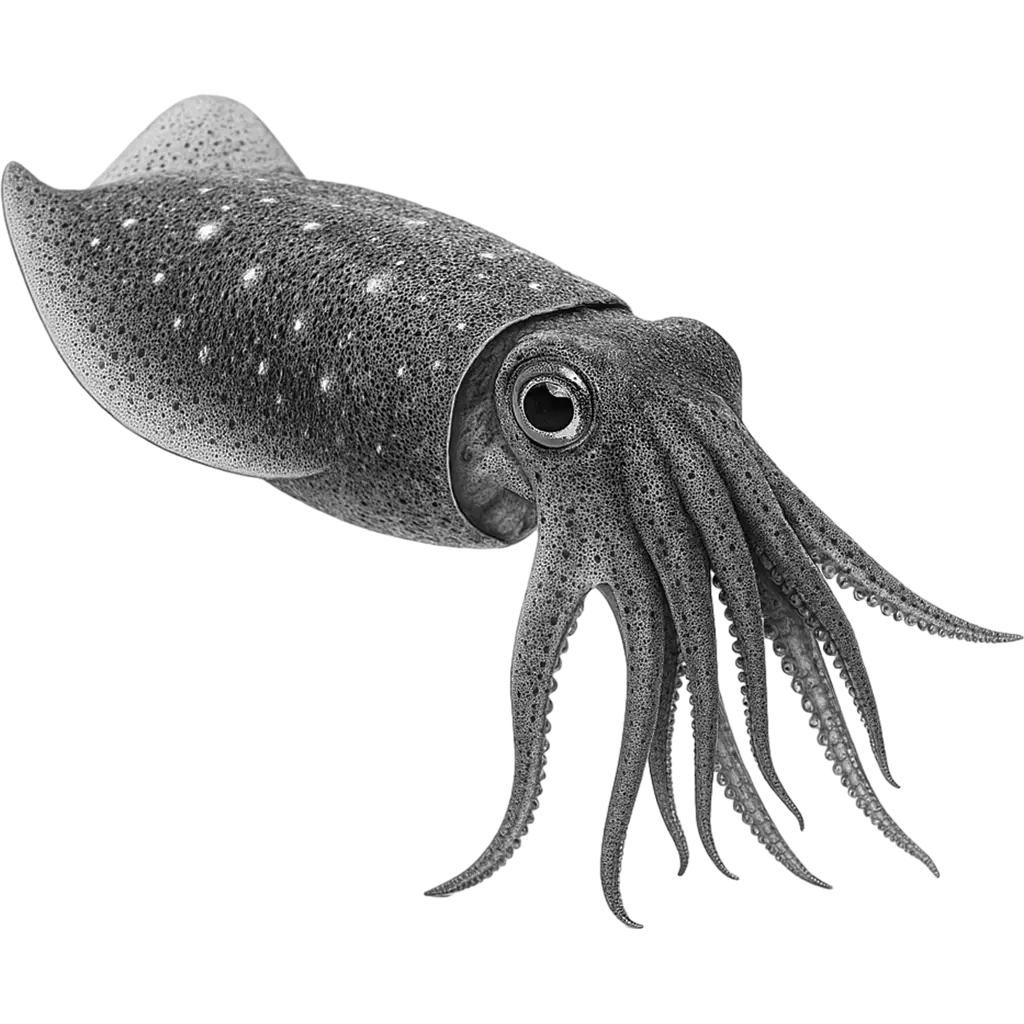
The Caribbean Reef Squid exhibits a sleek, elongated body with a soft mantle that shimmers in silvery hues and iridescent blues. Its large eyes and a crown of retractable tentacles, each lined with tiny suckers, give it an otherworldly appearance. The flexible skin rapidly changes color, enabling it to blend

The Cowry Snail, cypraea tigris, often simply referred to as the Tiger Cowry, is a marine gastropod renowned for its highly polished, beautifully patterned shell. This species is widespread across the tropical and subtropical waters of the Indo-Pacific region, from the east coast of Africa, across the Indian Ocean, to
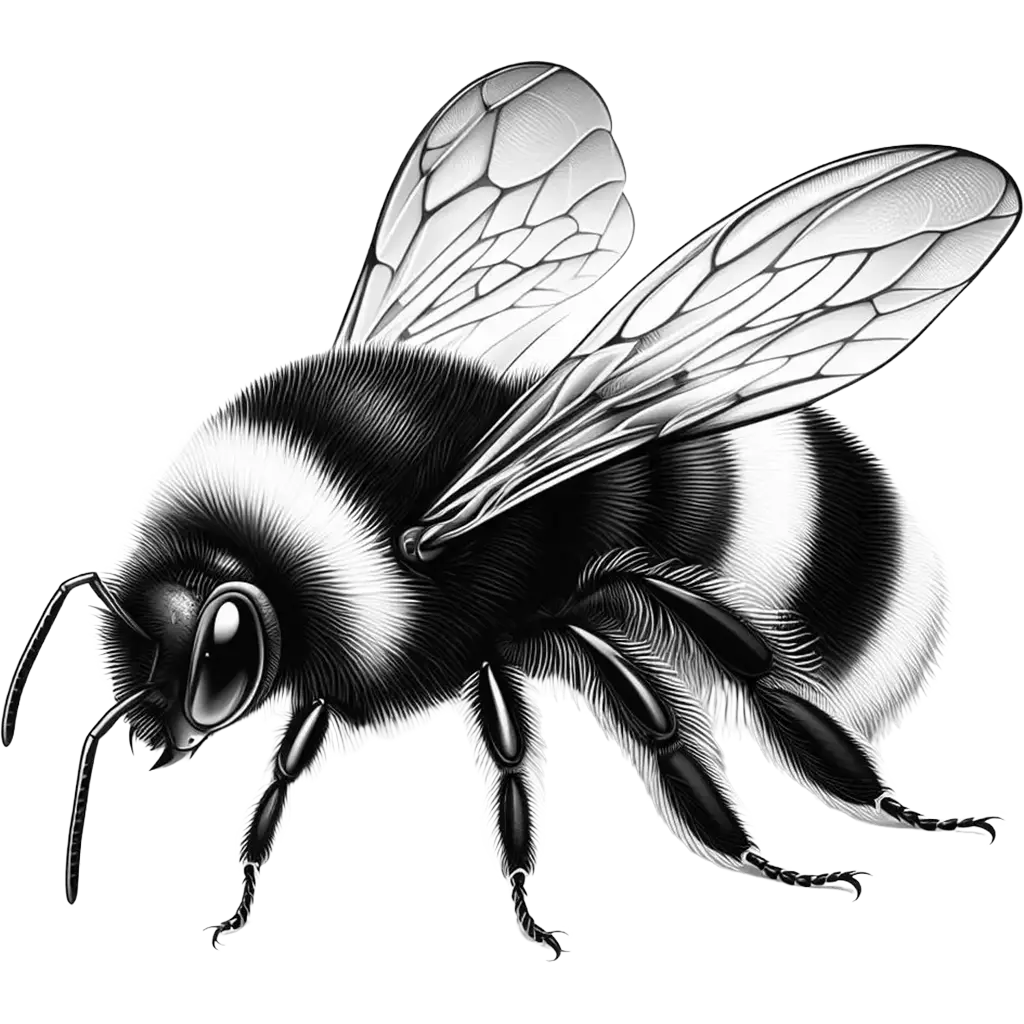
The Early Bumblebee, bombus pratorum, is a small but vibrant species of bumblebee commonly found across Europe and parts of Asia. Recognizable by its distinctive yellow and black banding and a bright orange tail, this species plays a crucial role in pollinating a wide variety of plants during the spring
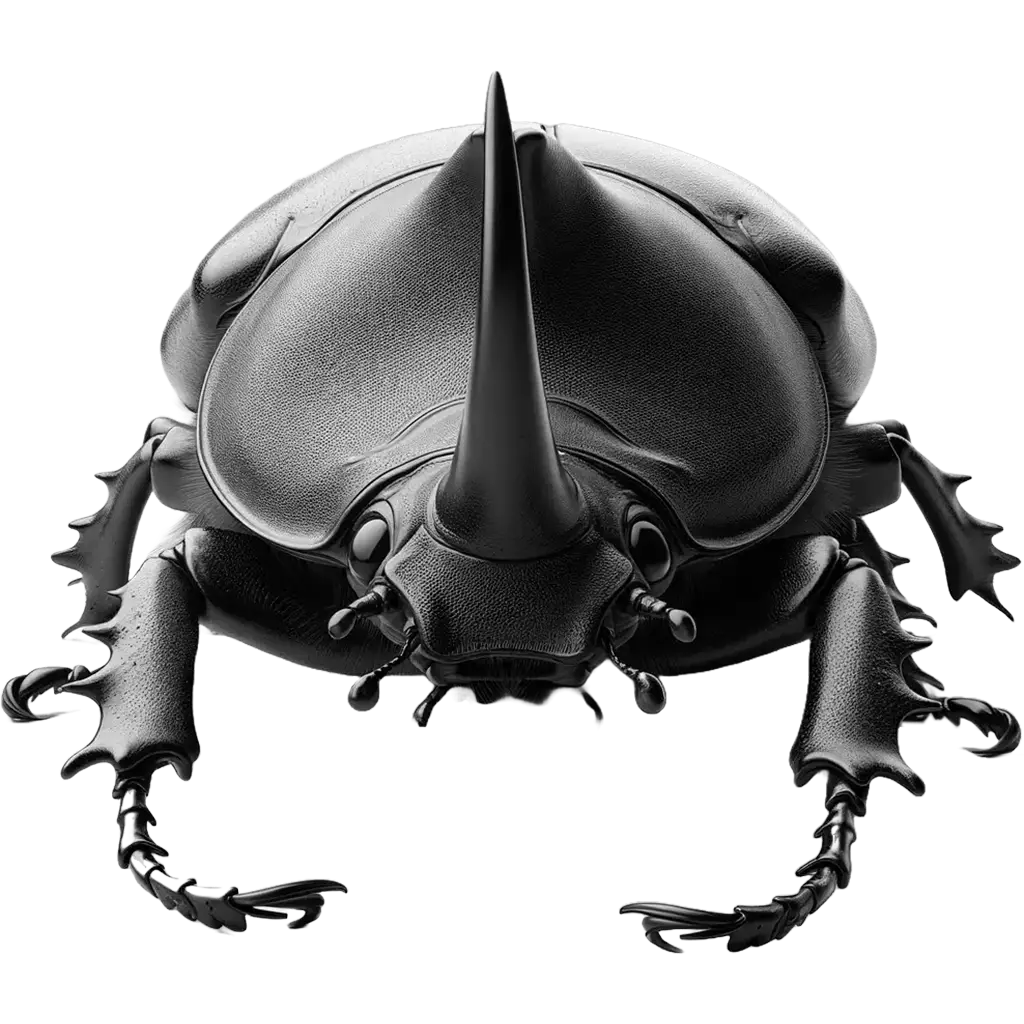
Rhinoceros Beetles, oryctes nasicornis, are among the largest of beetles, with some species reaching up to 15 cm in length, including their distinctive horn-like structures. These beetles are characterized by their impressive size, robust body, and the prominent horns on the males' heads and thoraxes, from which they derive their