
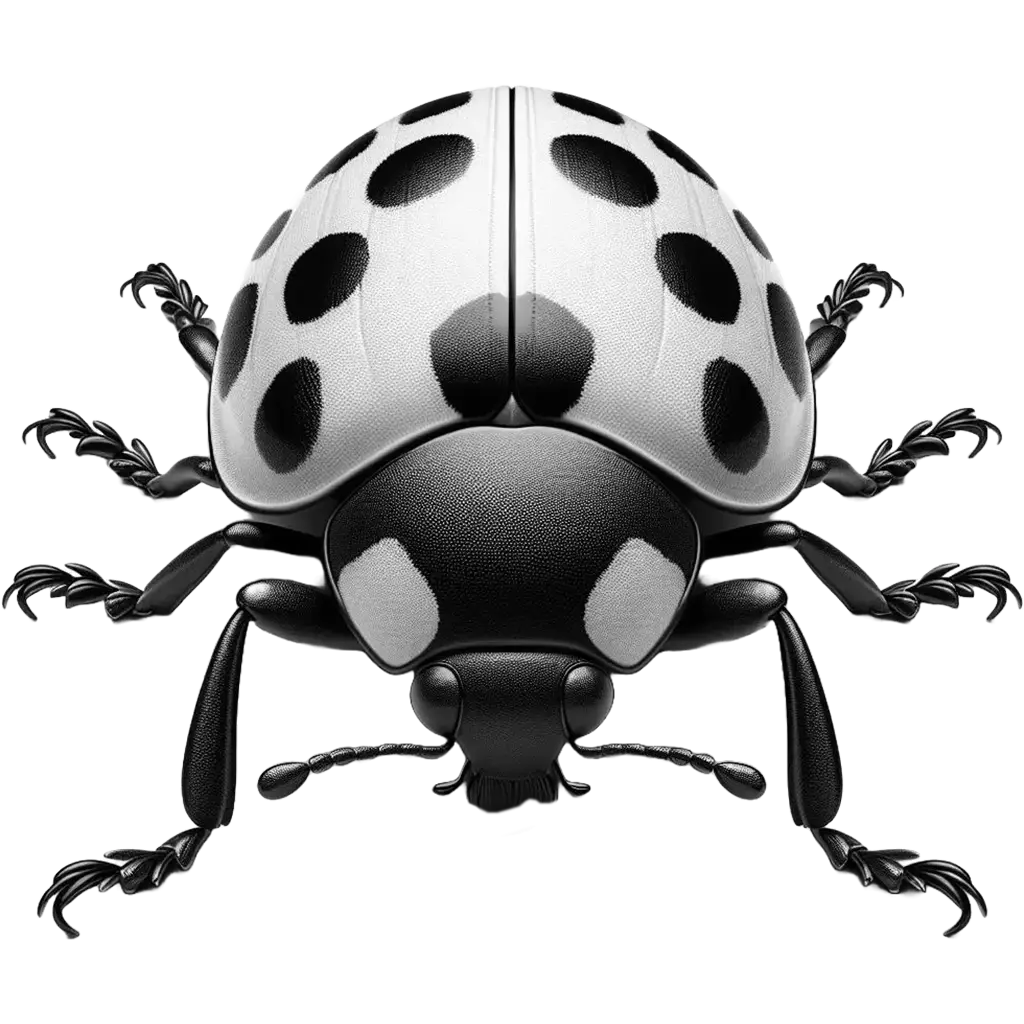
Coccinella Septempunctata
Common Ladybug
Found in a variety of environments, including gardens, forests, fields, and grasslands
Common Ladybugs, coccinella septempunctata, are celebrated for their vibrant colors and beneficial role in agriculture and gardens worldwide. These small beetles, often characterized by their red and black spotted appearance, vary greatly in color and pattern, with hues ranging from yellow to orange and even black. Ladybugs are compact and dome-shaped, with a size ranging from 1 to 10 mm, depending on the species. Their distinctive spots and bright colors serve as a warning to predators about their bitter taste and potential toxicity.
| Population: | Widespread and abundant, with numerous species across the globe |
| Generation Length: | 1-2 years |
| Average Weight: | Not typically measured due to their small size |
| Average Length: | 1-10 mm, depending on the species |
| Lifespan: | Usually about 1 year, though it can vary by species |
| Diet: | Primarily aphids and similar small insects |
| Conservation Status: | Not Evaluated (NE) |
Found in diverse habitats including forests, fields, grasslands, and gardens, Ladybugs are incredibly adaptable. They are most active during warm months, engaging in their crucial role as natural pest controllers. By consuming vast quantities of aphids, scale insects, and other plant-damaging pests, they help maintain the health of plants and reduce the need for chemical pesticides.
The diet of Ladybugs primarily consists of aphids and other soft-bodied insects, which makes them invaluable allies in controlling pest populations. A single Ladybug can consume up to 5,000 aphids in its lifetime, showcasing their efficiency as natural predators. Some species also feed on fungal growths and plant material, exhibiting a wide range of feeding habits within the family.
Reproduction in Ladybugs involves the laying of eggs in clusters or rows on the underside of leaves, typically in close proximity to aphid colonies. This strategic placement ensures that emerging larvae have immediate access to food. The lifecycle of a Ladybug, from egg to adult, encompasses several stages: egg, larva, pupa, and adult, with the entire process taking about four to six weeks to complete.
The population of Ladybugs is generally stable, but certain species have experienced declines due to habitat loss, pesticide use, and competition from invasive species. Conservation efforts focus on promoting organic farming practices, which help preserve Ladybug habitats and food sources. Ladybugs are not only a symbol of good luck in many cultures but also an indicator of a healthy, balanced ecosystem, emphasizing the importance of their conservation.
Classifications
The Key Attributes
Features
- Movement:
Crawling, flying
- Territorial Behavior:
Not territorial; often found in groups, especially during hibernation
- Speed:
Not specifically quantified; capable of quick flight over short distances
- Diet:
Mostly carnivorous, feeding on aphids and other small insects
- Physical Features:
- Rounded body with short legs
- Brightly colored elytra, often red or yellow with black spots
- Wings hidden under elytra, used for flight
- Mouthparts adapted for chewing
- Primary Senses:
- Touch
- Smell
- Sight
Understanding Habitat and Range
Geography
- Habitat:
Found in a variety of environments, including gardens, forests, fields, and grasslands
- Migration Patterns:
Some species migrate in response to changing seasons
- Geographical Range:
Global, with species diversity highest in warm, temperate regions
- Climate Preferences:
Prefer temperate to warm climates but can be found in a range of environments
Navigating the Wilderness
In the wild
- Predators:
Birds, spiders, and other insects
- Prey:
Aphids, scale insects, mites
- Feeding Behavior:
Feeds on aphids and other small insects, playing a beneficial role in controlling pest populations
- Diet:
Primarily aphids and similar small insects
- Defensive Mechanisms:
- Chemical defenses in their blood (hemolymph) deter predators
- Bright coloring serves as a warning
- Can play dead to avoid being eaten
- Preferred Food Sources:
- Plants infested with aphids or other prey
Insights Into Reproduction
Mating
- Mating System:
Polygamous
- Number of Offspring:
Can lay hundreds of eggs over a lifetime
- Incubation Period:
Eggs hatch within a week under optimal conditions
- Parental Involvement:
- No parental care after laying eggs
Youngsters Section
Common Ladybug
Fun Fact
The common ladybug is known for its seven distinctive black spots on a red shell.
These spots are not just for decoration; they serve as a warning to predators. Ladybugs secrete a fluid from their legs that has a foul taste, deterring birds and other animals from eating them.

Download word search puzzles
Word Search Puzzles

Check Out Other Invertebrates
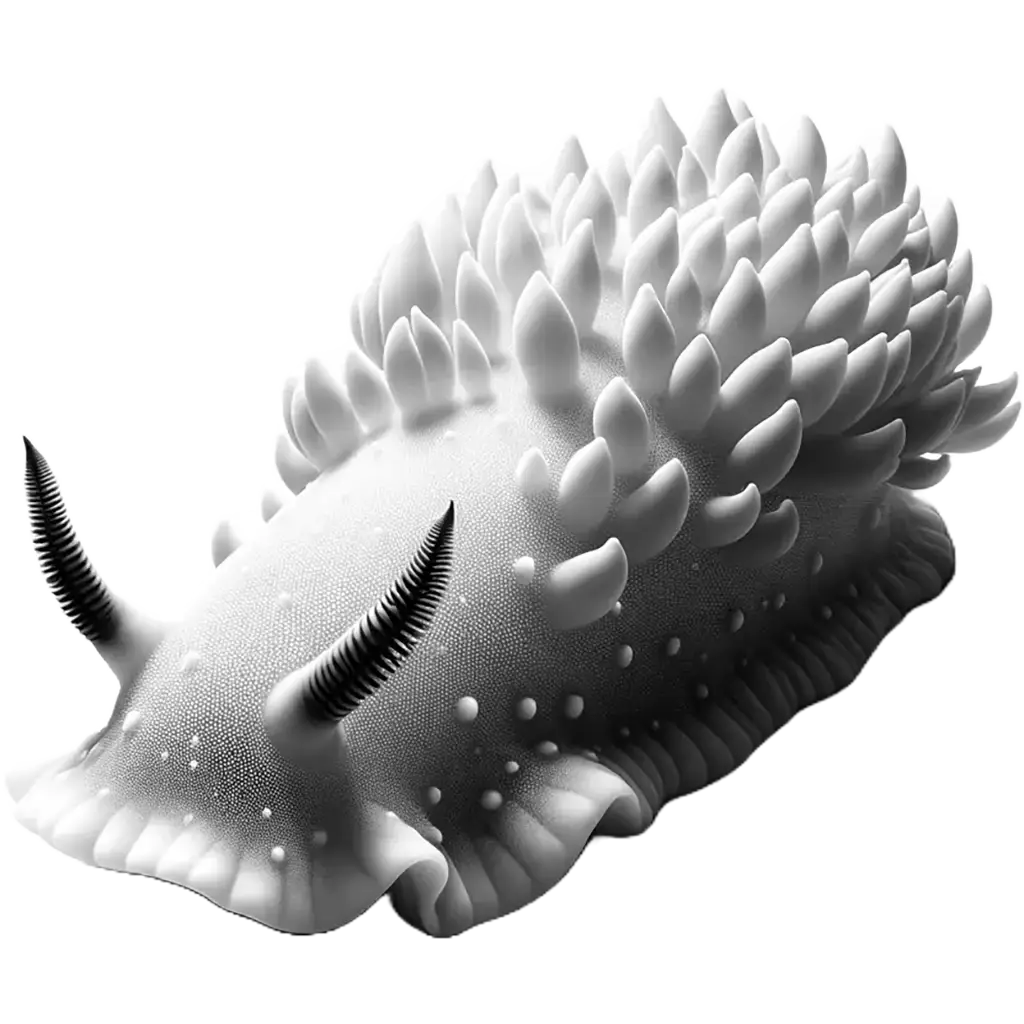
Slim Aesop, facelina auriculata, is a species of nudibranch, a group of soft-bodied, marine gastropod mollusks known for their extraordinary colors and striking forms. This particular species is characterized by its slender, transparent body, which can reach up to 40 mm in length, allowing for the visibility of its internal
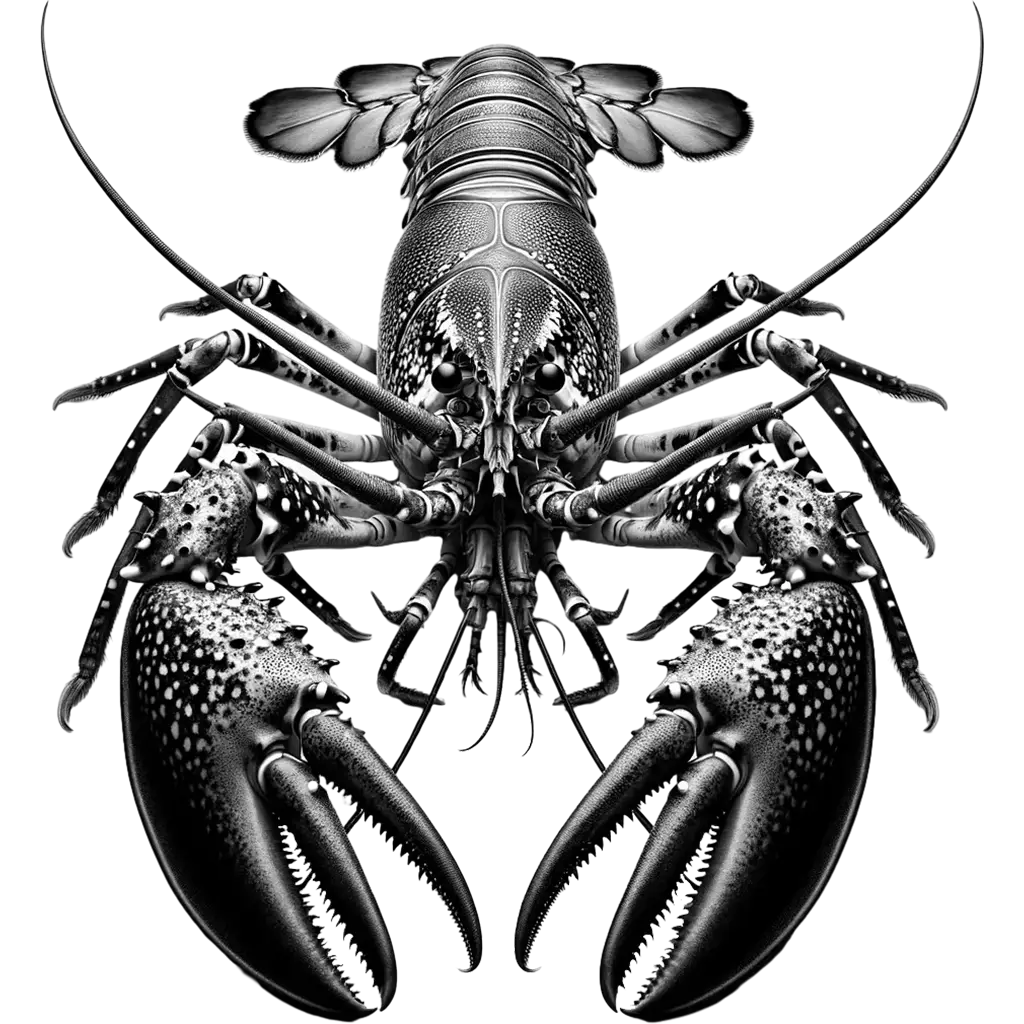
The American Lobster, homarus americanus, is a large marine crustacean found along the Atlantic coast of North America, from Labrador to New Jersey. It is distinguished by its heavy, segmented body covered in a hard exoskeleton, two large claws (one larger and one smaller, specialized for crushing and cutting), and

The Musky Octopus, eledone moschata, is a lesser-known species of octopus residing in the Mediterranean Sea and parts of the adjacent Atlantic Ocean. Characterized by its relatively small size, with a total length reaching up to 50 cm, including its arms, this species is distinguished by its single row of
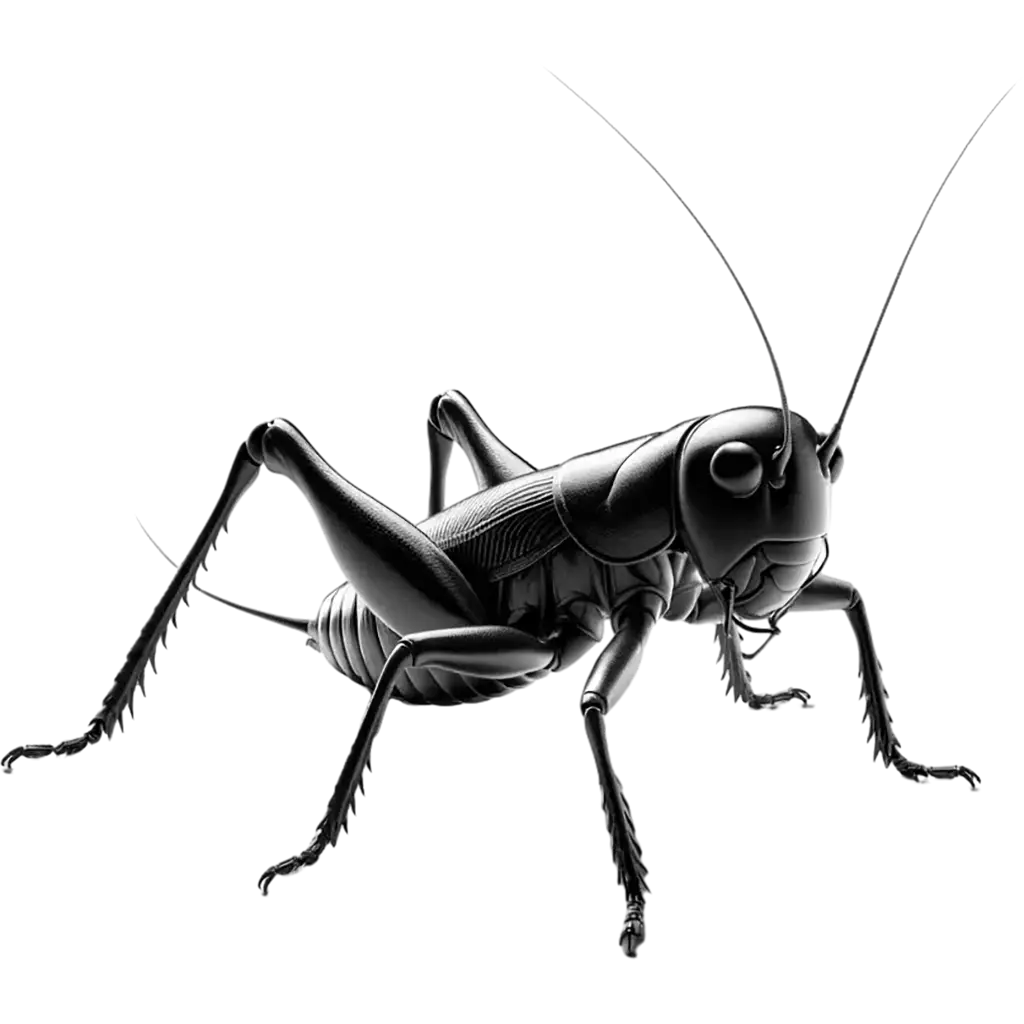
The Field Cricket, gryllus campestris, is a common species of cricket found across Europe and parts of Asia, known for the distinctive chirping sounds males produce to attract females. Adults typically measure between 1.5 to 2.5 cm in length, with a dark, velvety black body that helps them absorb heat