
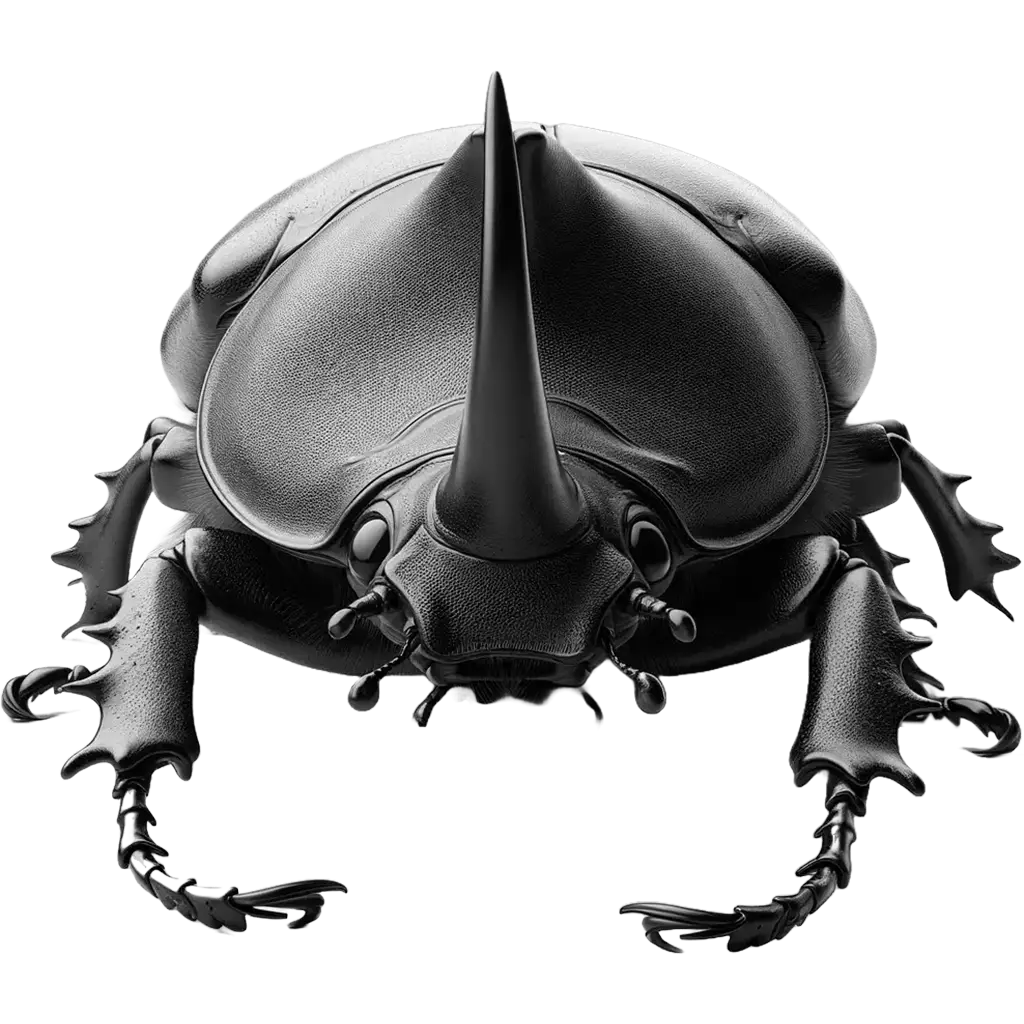
Oryctes Nasicornis
European Rhinoceros Beetle
Tropical rainforests, woodlands, meadows, and agricultural areas
Rhinoceros Beetles, oryctes nasicornis, are among the largest of beetles, with some species reaching up to 15 cm in length, including their distinctive horn-like structures. These beetles are characterized by their impressive size, robust body, and the prominent horns on the males' heads and thoraxes, from which they derive their common name. The horns are used in battles over mates and territory, serving as both offensive and defensive tools. Rhinoceros Beetles' coloration varies from black to greenish, brown, or even metallic shades, depending on the species.
| Population: | Common and widespread, with no significant threats on a global scale |
| Generation Length: | 1 year |
| Average Weight: | Varies, but some can weigh up to 30-40 grams |
| Average Length: | 2-15 cm, size varies among species |
| Lifespan: | Up to 2-3 years depending on the species |
| Diet: | Mainly sap, rotting fruits, and other plant materials |
| Conservation Status: | Not Evaluated (NE) |
Native to diverse habitats around the world, including tropical rainforests, deserts, and mountainous regions, Rhinoceros Beetles are highly adaptable. They play a significant role in their ecosystems by breaking down plant material, particularly decaying wood, and recycling nutrients back into the soil. Despite their formidable appearance, they are harmless to humans, as they do not bite or sting.
The diet of Rhinoceros Beetles mainly consists of sap, fruit, and decaying plant material. Some species are known to feed on the sap of palm trees, while others consume decomposing vegetation. This dietary preference helps in the decomposition process, making these beetles vital for their ecological niches.
Reproduction in Rhinoceros Beetles involves the males using their horns to fight for access to females. After mating, females lay their eggs in decomposing wood or soil, where the larvae, also known as grubs, will develop. These grubs are large and C-shaped, feeding on decomposing organic matter until they pupate and emerge as adult beetles. This lifecycle can take one to two years, depending on environmental conditions.
The population status of Rhinoceros Beetles varies widely among species. While many are common and not considered at risk, some species face threats from habitat loss and collection for the pet trade. Conservation efforts for threatened species include habitat protection and breeding programs. The fascination with Rhinoceros Beetles, particularly in cultures where they are kept as pets or used in beetle fighting, underscores the need for sustainable practices to ensure their preservation.
Classifications
The Key Attributes
Features
- Movement:
Walking, flying
- Territorial Behavior:
Some species are territorial, especially during mating season
- Speed:
Not particularly fast; more known for strength than speed
- Diet:
Herbivore
- Physical Features:
- Strong, armored exoskeleton
- Notable horn-like structures on the males, used in combat for mating rights
- Strong legs for digging and climbing
- Capable of flight with wings housed under hard wing-cases
- Primary Senses:
- Touch
- Smell
Understanding Habitat and Range
Geography
- Habitat:
Tropical rainforests, woodlands, meadows, and agricultural areas
- Migration Patterns:
Non-migratory, but can disperse locally
- Geographical Range:
Globally distributed, particularly prevalent in tropical regions
- Climate Preferences:
Prefer warm, humid environments
Navigating the Wilderness
In the wild
- Predators:
Birds, bats, rats, and larger insects
- Prey:
Not applicable
- Feeding Behavior:
Feeds on decomposing plant material, fruits, and sap
- Diet:
Mainly sap, rotting fruits, and other plant materials
- Defensive Mechanisms:
- Hard exoskeleton protects against predators
- Horn used for defense and combat
- Preferred Food Sources:
- Decaying wood, fruit-bearing trees, and plants with accessible sap
Insights Into Reproduction
Mating
- Mating System:
Polygynous
- Number of Offspring:
Lays dozens to hundreds of eggs, depending on the species
- Incubation Period:
Eggs hatch in several weeks to months, depending on environmental conditions
- Parental Involvement:
- Minimal; females lay eggs in nutrient-rich material, then larvae fend for themselves
Youngsters Section
European Rhinoceros Beetle
Fun Fact
The European Rhinoceros Beetle is known for its impressive horn-like structure on the male's head.
These beetles use their horns primarily in battles with other males to win over females during mating season. Their horns are not used for defense against predators. Despite their intimidating appearance, they are harmless to humans and play a crucial role in decomposing dead wood, aiding nutrient cycling in ecosystems.

Download word search puzzles
Word Search Puzzles
Check Out Other Invertebrates
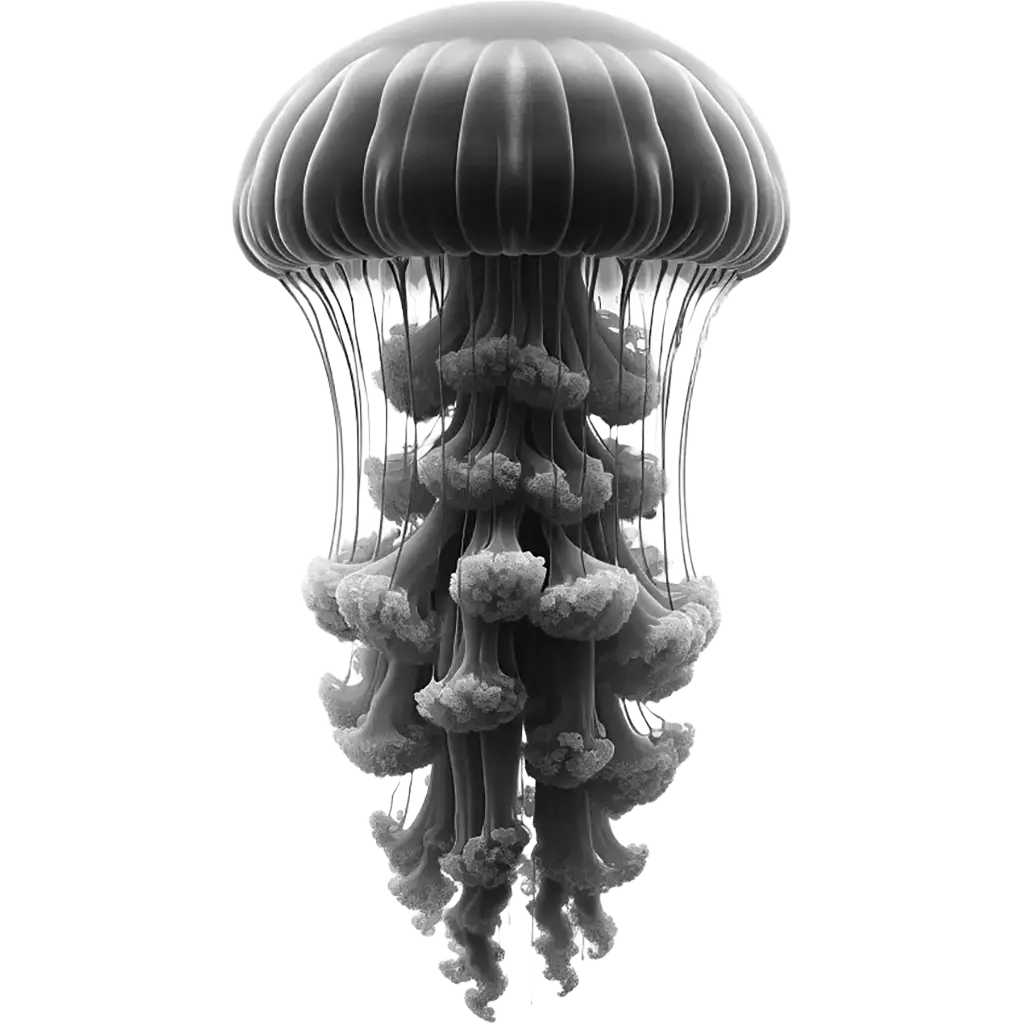
Jellyfish are fascinating marine creatures, known for their gelatinous bodies and graceful, pulsating movements through the ocean's waters. These ancient animals have roamed the seas for at least 500 million years, making them one of the oldest living organisms on the planet. Jellyfish range in size from a few millimeters
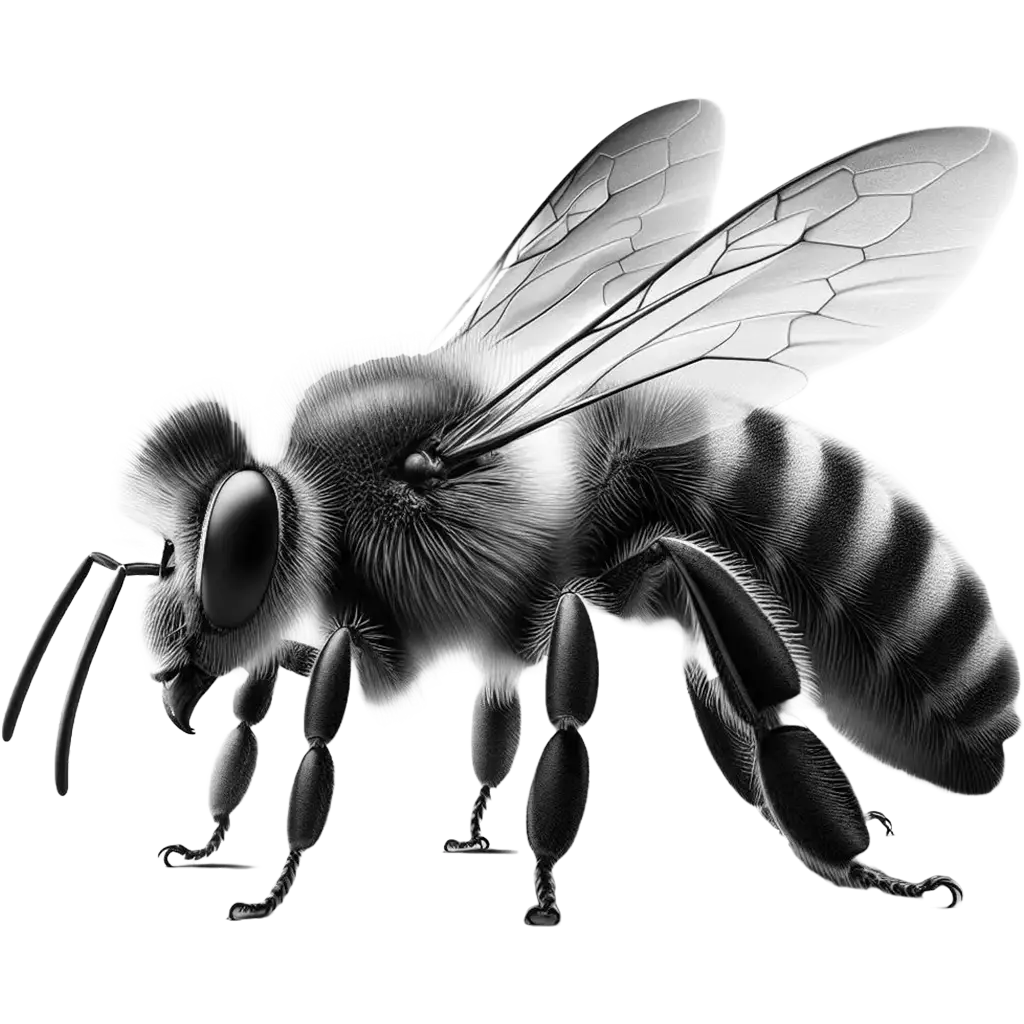
The Western Honey Bee, apis mellifera, is a pivotal species within ecosystems and agriculture due to its role as a pollinator. These bees are characterized by their golden-brown and black body, with bands of orange and brown hairs that vary in color intensity among individuals and subspecies. Workers, which are
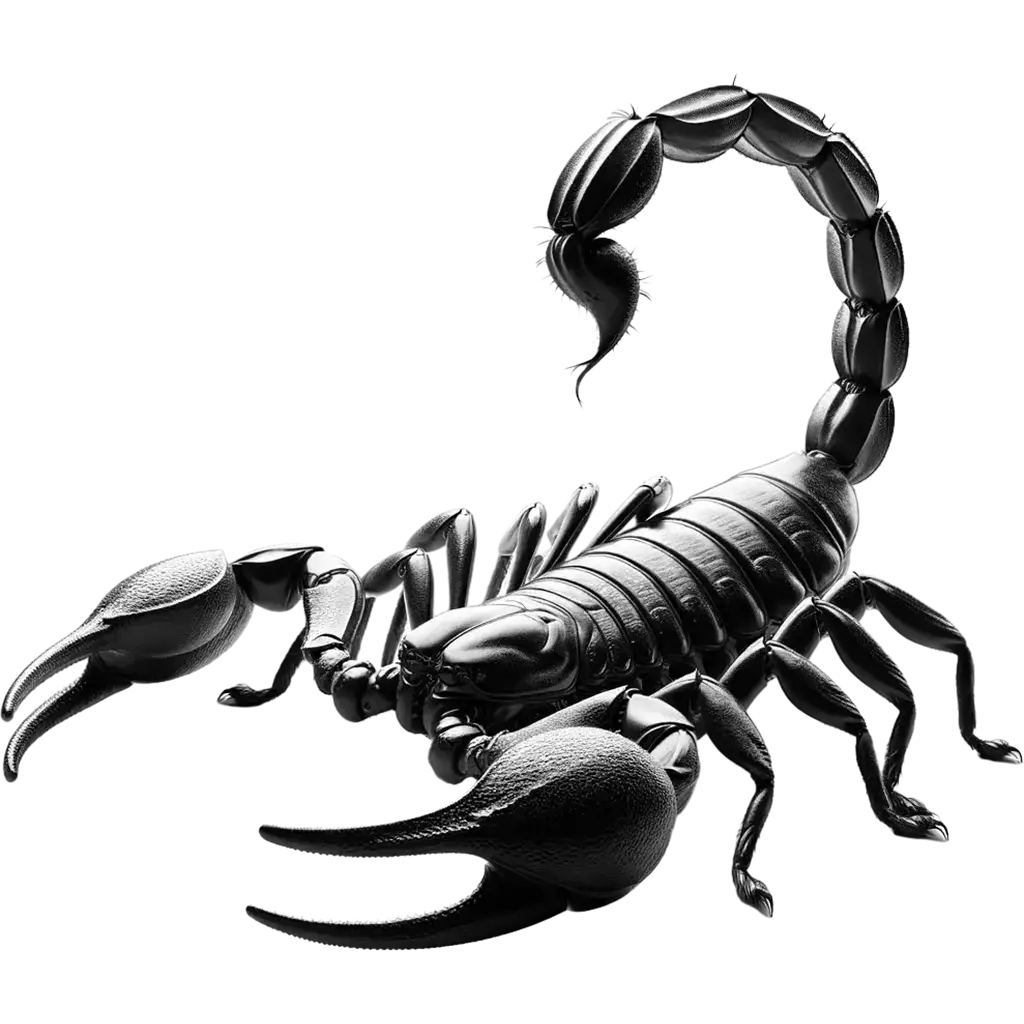
Large Clawed Scorpions, scorpio maurus, belonging to the class Arachnida and order Scorpiones, are predatory arachnids known for their segmented tail tipped with a venomous stinger, along with a pair of grasping pincers. They range in size from about 9 mm to over 20 cm. Scorpions are characterized by a
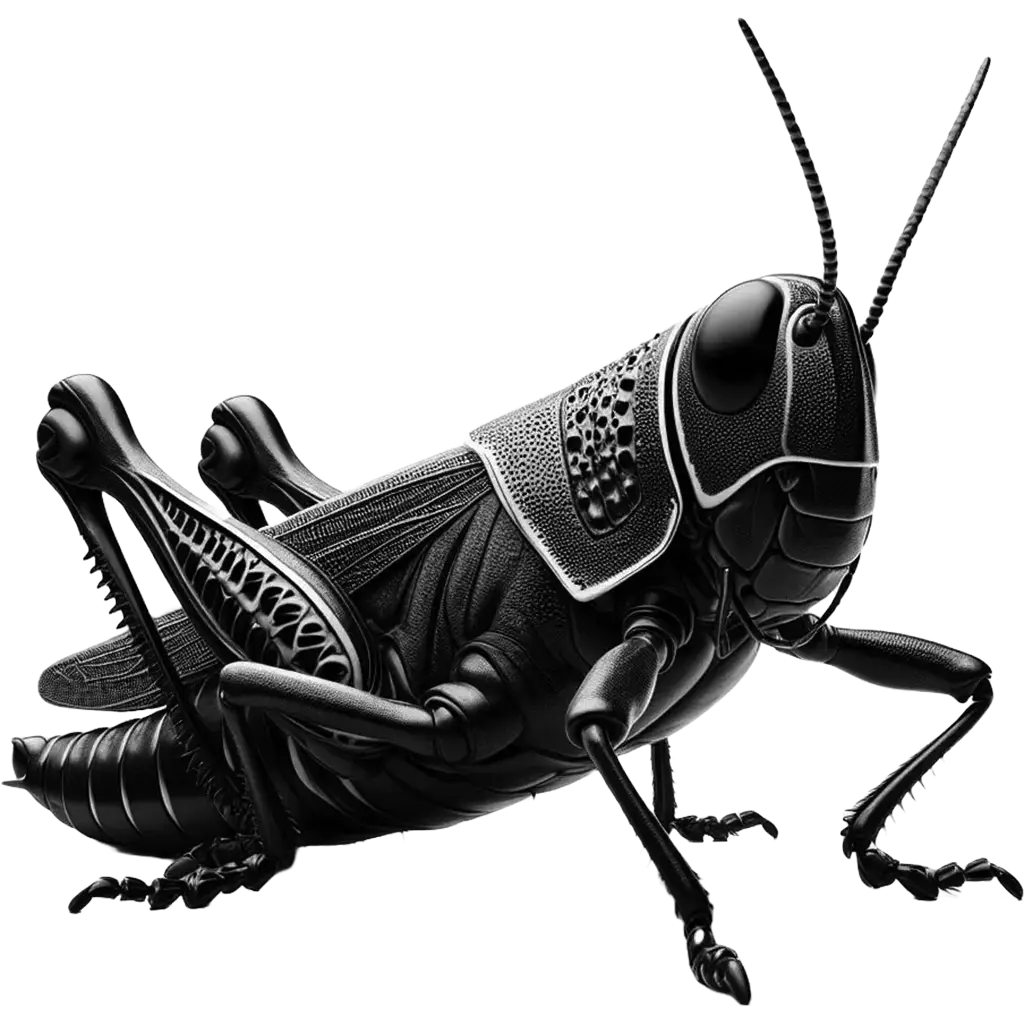
The American Grasshopper, schistocerca americana, is a robust insect known for its sizeable body and striking coloration, which ranges from yellow to olive-green, often with black or brown markings that provide camouflage in their natural grassland habitats. Adults can grow up to 2.5 inches (about 6.35 cm) in length, making