
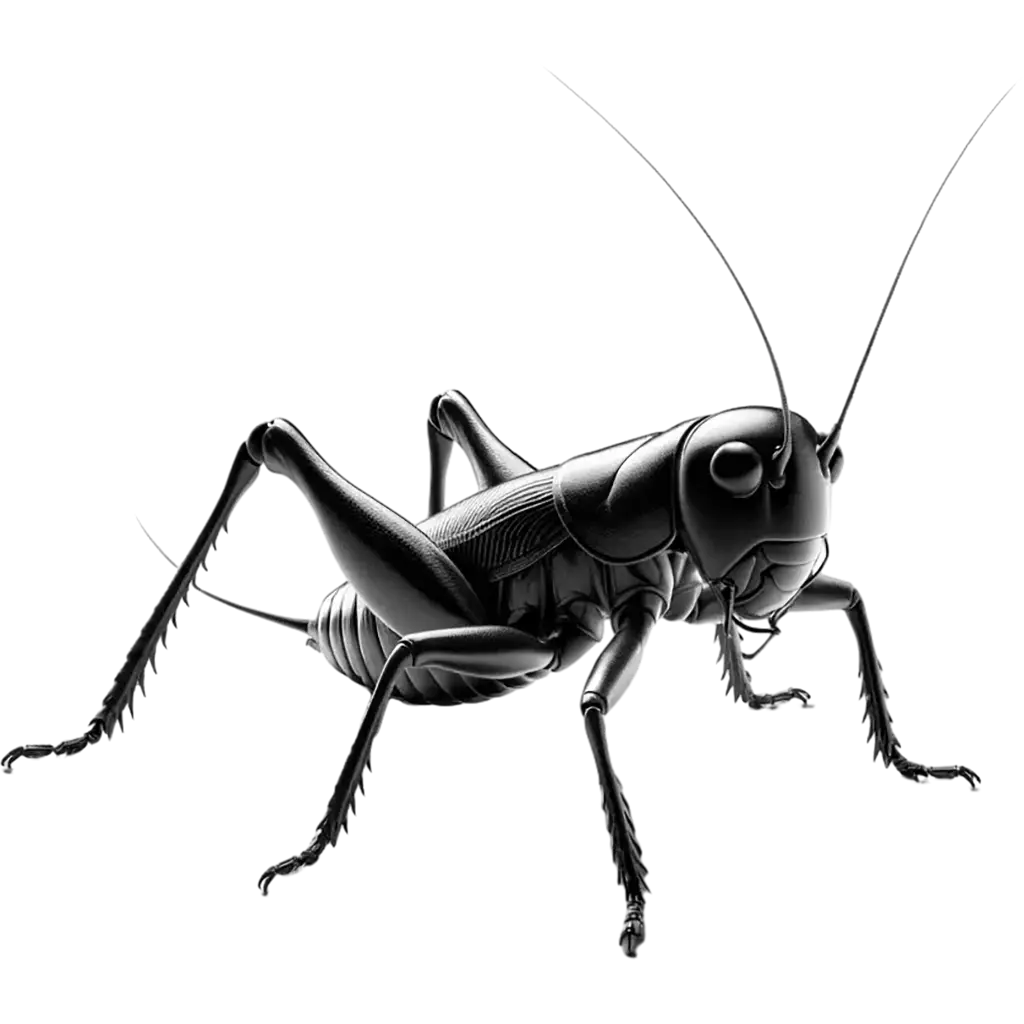
Gryllus Campestris
Field Cricket
Grasslands, meadows, forest edges, and agricultural fields
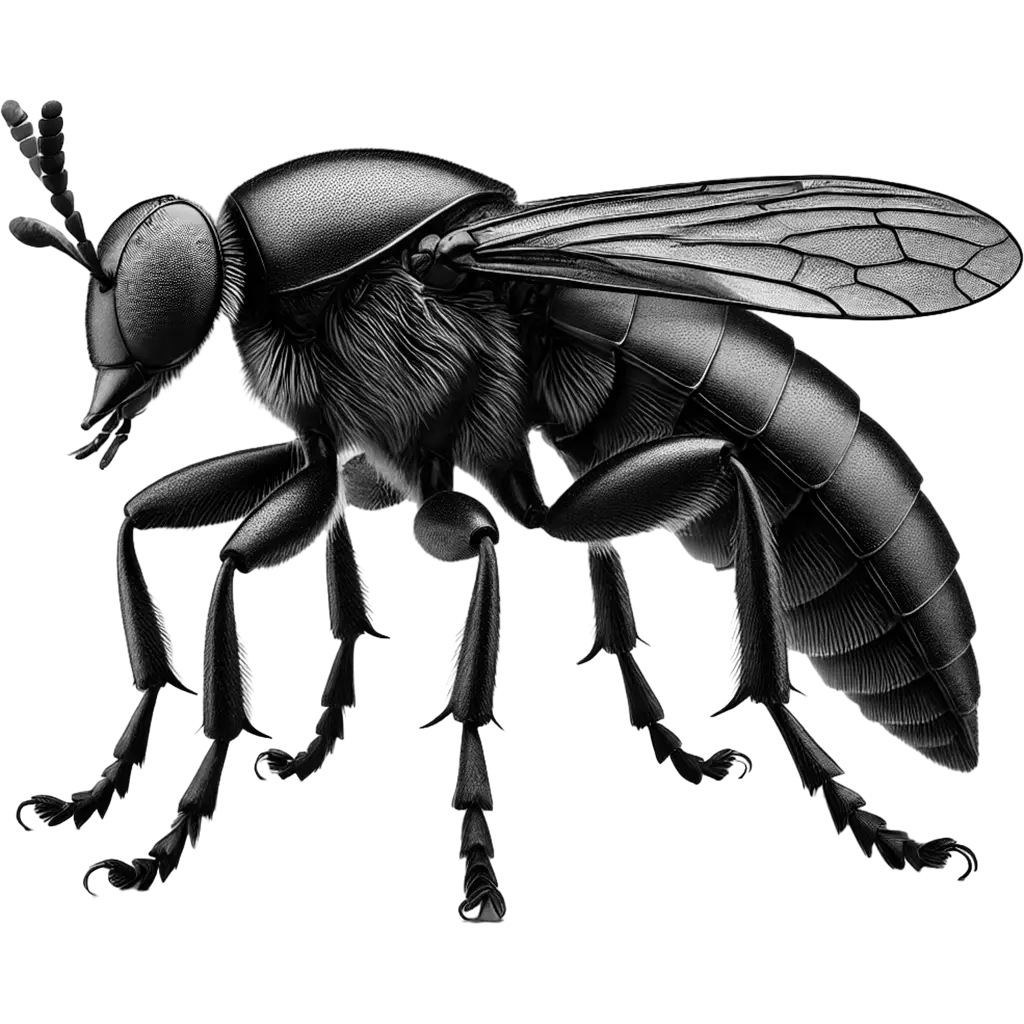
The Field Cricket, gryllus campestris, is a common species of cricket found across Europe and parts of Asia, known for the distinctive chirping sounds males produce to attract females. Adults typically measure between 1.5 to 2.5 cm in length, with a dark, velvety black body that helps them absorb heat from the sun. They possess long antennae, robust jumping legs, and wings, which are used not only for short flights but also in their well-known song production. The chirping is created by the rubbing of their wings together, a behavior known as stridulation.
| Population: | Common in many areas, but some local populations may be declining |
| Generation Length: | 1 year |
| Average Weight: | Not typically measured due to small size |
| Average Length: | 2-3 cm |
| Lifespan: | Typically 1 season, up to a few months |
| Diet: | Omnivorous, with a varied diet depending on availability |
| Conservation Status: | Least Concern (LC) |
Field Crickets prefer open grassland habitats, thriving in areas that offer both sunlight and shelter. They are predominantly ground-dwelling insects, constructing burrows where they can hide from predators, rest, and lay eggs. These crickets are most active during warmer months, especially at dawn and dusk when the temperature is most suitable for their activities.
Their diet is omnivorous, consisting of plant material, seeds, and small insects. This varied diet allows them to take advantage of the resources available in their habitat, playing a role in the decomposition process and nutrient cycling within their ecosystem. Field Crickets' feeding habits also make them prey for a variety of animals, including birds, small mammals, and spiders, integrating them into the food web.
Reproduction in Field Crickets occurs in late spring and summer, with females laying eggs in the soil for overwintering. The eggs hatch in the following spring, and the nymphs go through a series of molts before reaching adulthood. The lifecycle of the Field Cricket, from egg to adult, is typically completed within a year.
The population of Field Crickets has faced declines in certain areas due to habitat loss, agricultural intensification, and pesticide use. Conservation efforts for these crickets include habitat restoration and management practices that support biodiversity. Despite challenges, Field Crickets remain a familiar and integral part of the ecosystems they inhabit, contributing to the soundscape of summer evenings.
Classifications
The Key Attributes
Features
- Movement:
Walking, jumping
- Territorial Behavior:
Males are territorial and vocal during mating season
- Speed:
Capable of quick, short bursts of speed when escaping predators or moving towards prey
- Diet:
Omnivore
- Physical Features:
- Robust body with strong hind legs for jumping
- Long antennae for sensing the environment
- Distinct chirping sound produced by males, used in mating displays
- Chewing mouthparts for consuming plant and animal material
- Primary Senses:
- Sound
- Touch
Understanding Habitat and Range
Geography
- Habitat:
Grasslands, meadows, forest edges, and agricultural fields
- Migration Patterns:
Non-migratory, with limited movement within their habitat
- Geographical Range:
Widely distributed in Europe and parts of Asia
- Climate Preferences:
Prefers temperate climates with ample vegetation
Navigating the Wilderness
In the wild
- Predators:
Birds, rodents, reptiles, and larger insects
- Prey:
Seeds, plant material, small insects, and larvae
- Feeding Behavior:
Feeds on a mix of plant material and smaller insects
- Diet:
Omnivorous, with a varied diet depending on availability
- Defensive Mechanisms:
- Camouflage within their environment
- Quick jumping to escape predators
- Burrowing into the ground for protection
- Preferred Food Sources:
- Areas with abundant plant material and small insects
Insights Into Reproduction
Mating
- Mating System:
Polygynous, with males attracting females through song
- Number of Offspring:
Females lay dozens of eggs in the soil
- Incubation Period:
Eggs typically hatch within a few weeks to a few months, depending on conditions
- Parental Involvement:
- No parental care after egg-laying
Youngsters Section
Field Cricket
Fun Fact
Field crickets are known for their distinctive chirping sounds, which are produced by rubbing their wings together.
Male field crickets chirp to attract females and establish territory. The frequency of their chirping varies with temperature, creating a natural "thermometer" effect. This behavior is known as stridulation. The warmer it is, the more frequent the chirps, making it possible to estimate temperature by counting chirps.

Download word search puzzles
Word Search Puzzles

Check Out Other Invertebrates
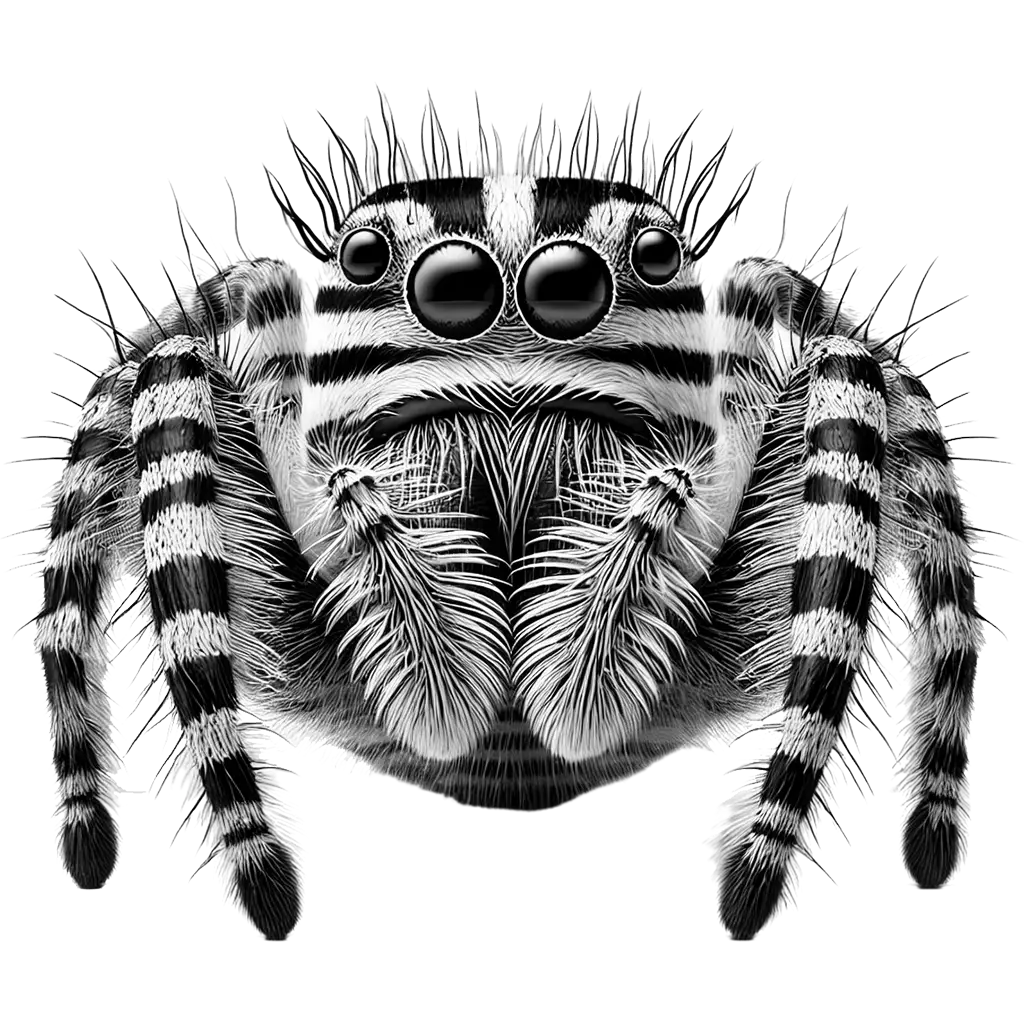
The Zebra Spider is a small, agile jumping spider characterized by its distinctive black and white striped pattern that resembles zebra markings. Its compact body, long spindly legs, and large forward-facing eyes give it an alert and inquisitive appearance, perfectly adapted for active hunting on walls and windows in both
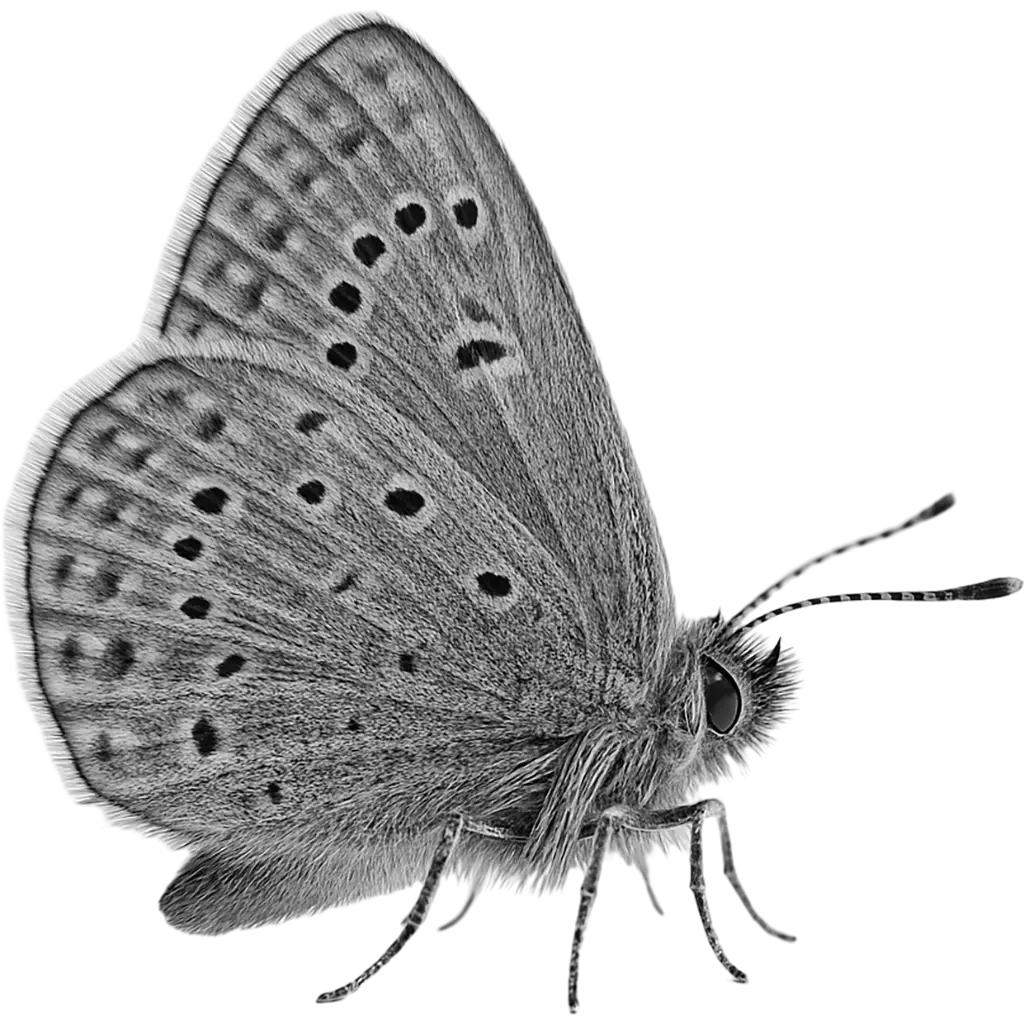
The Tiny Grass Blue is a diminutive butterfly with a wingspan of approximately 15 to 20 millimetres. Upperside wings display bright pale blue hues bordered with narrow dark margins, while the underwings are greyish with faint white streaks and tiny black spots. The body is slender and covered in fine,

The Giant Glasswing, methona confusa, is a visually striking species known for its distinctive appearance and is commonly found in the tropical regions of South America. These butterflies exhibit large, translucent wings marked with an intricate pattern of black veins and borders, creating a stunning contrast against the greenery of
The Spanish fly is a striking blister beetle with a smooth, elongated body that measures roughly 1.5 to 2 centimeters in length. Its vivid orange to deep red coloration, accented by contrasting dark markings along the elytra, creates a bold, warning display. The body is slender yet soft, with delicate,