
Latrodectus Katipo
Katipō
Coastal sand dunes; nests among dune plants and debris
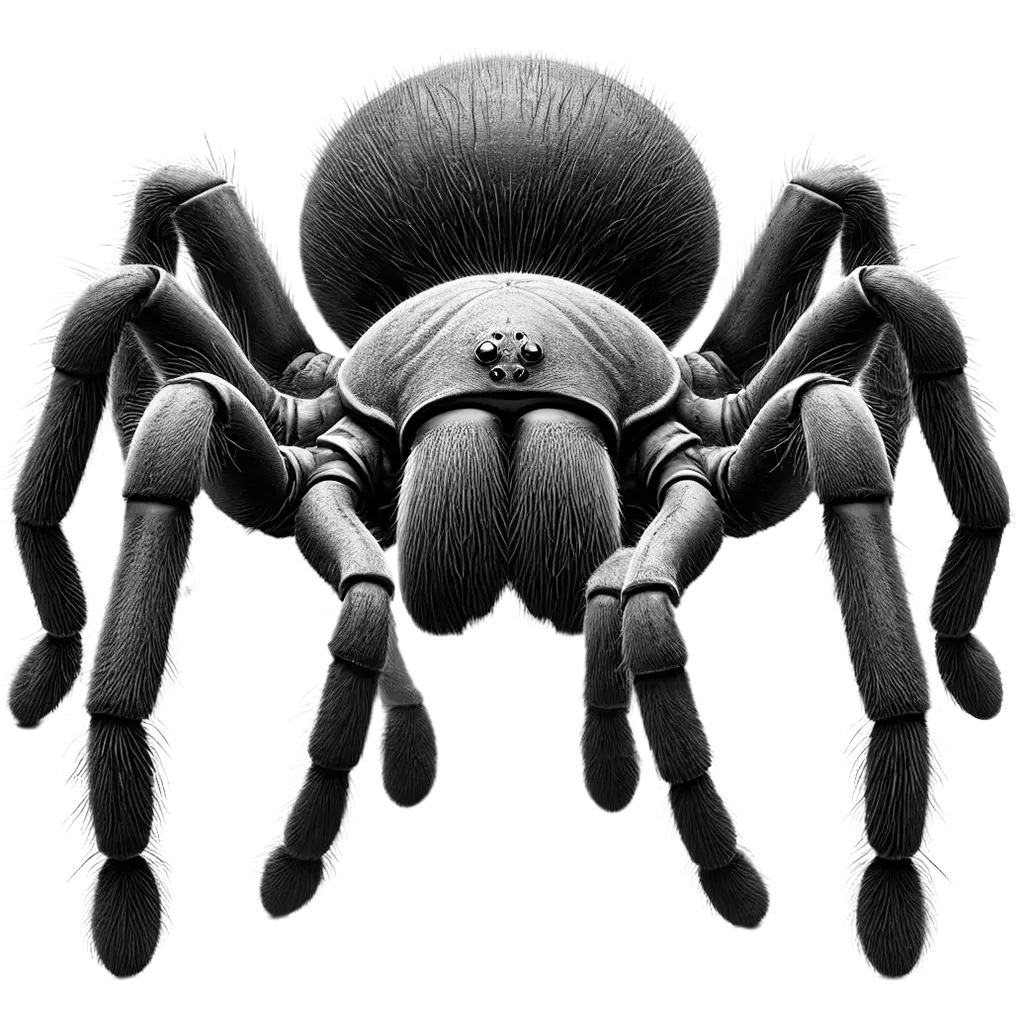
The Katipō is a small, venomous spider endemic to New Zealand, recognized for its distinctive coloration and reclusive nature. Adult females measure approximately 8 millimeters in body length, featuring a round abdomen about the size of a pea. In the South Island and lower North Island, females display a black abdomen with a prominent red stripe bordered in white. Conversely, in the upper North Island, females exhibit a black abdomen with pale markings or cream-colored blotches. Males are significantly smaller and differ markedly in appearance, presenting a white body with black stripes and red diamond-shaped markings.
| Population: | Endangered; exact numbers unknown |
| Generation Length: | 1-2 years |
| Average Weight: | 1-2 grams |
| Average Length: | Female body length approximately 8 mm; male significantly smaller |
| Lifespan: | 2-3 years |
| Diet: | Carnivorous, primarily feeding on insects |
| Conservation Status: | Endangered (EN) |
Inhabiting coastal sand dunes, the Katipō constructs irregular, tangled webs among dune plants and debris. This species is non-migratory and prefers temperate coastal environments. Its range encompasses most coastal regions of New Zealand, excluding the far south and west. The Katipō is primarily nocturnal and exhibits non-aggressive behavior, often folding into a ball or retreating when threatened.
As a carnivorous arachnid, the Katipō feeds mainly on ground-dwelling insects. It captures prey by constructing irregular webs that ensnare unsuspecting insects traversing the sandy terrain. Despite its venomous nature, the Katipō poses little threat to humans due to its reclusive habits and preference for undisturbed habitats.
Reproduction occurs with the female producing five or six egg sacs during November and December, each containing numerous eggs. The female guards these sacs diligently until the spiderlings hatch in January or February. Upon hatching, the young disperse into the surrounding vegetation, receiving no further parental care.
The Katipō is currently classified as endangered, with populations declining due to habitat loss from coastal development and the invasion of exotic spider species. Conservation efforts are focused on preserving and restoring its natural dune habitats to prevent further decline and ensure the survival of this unique species.
Classifications
The Key Attributes
Features
- Movement:
Crawling; constructs irregular tangled webs
- Territorial Behavior:
Non-aggressive; females may defend egg sacs
- Speed:
Not specified
- Diet:
Carnivore
- Physical Features:
- Female: black or brown abdomen with red stripe bordered in white (South Island); black abdomen with pale markings or cream-colored blotches (North Island)
- Male: white with black stripes and red diamond-shaped markings
- Slender legs
- Round, pea-sized abdomen in females
- Primary Senses:
- Sight
- Touch
Understanding Habitat and Range
Geography
- Habitat:
Coastal sand dunes; nests among dune plants and debris
- Migration Patterns:
Non-migratory
- Geographical Range:
Coastal regions of New Zealand, excluding the far south and west
- Climate Preferences:
Temperate coastal environments
Navigating the Wilderness
In the wild
- Predators:
Native wasp from the family Ichneumonidae preys on egg sacs
- Prey:
Ground-dwelling insects
- Feeding Behavior:
Constructs irregular webs to capture ground-dwelling insects
- Diet:
Carnivorous, primarily feeding on insects
- Defensive Mechanisms:
- Non-aggressive; folds into a ball or retreats when threatened
- Females may exhibit defensive behavior when guarding egg sacs
- Preferred Food Sources:
- Ground-dwelling insects
Insights Into Reproduction
Mating
- Mating System:
Not specified
- Number of Offspring:
Five or six egg sacs per season
- Incubation Period:
Egg sacs produced in November or December; spiderlings hatch in January or February
- Parental Involvement:
- Females guard egg sacs
Youngsters Section
Katipō
Fun Fact
The name 'Katipō' derives from the Māori language, meaning 'night-stinger.' This nocturnal spider is one of the few native creatures in New Zealand capable of delivering a venomous bite, contributing to its almost mythical status in the region.
This endangered spider is rare to spot, as its population has declined due to habitat loss and introduced predators. Despite its venom, the Katipō poses little danger to humans, with bites usually causing only mild irritation.

Download word search puzzles
Word Search Puzzles

Check Out Other Invertebrates
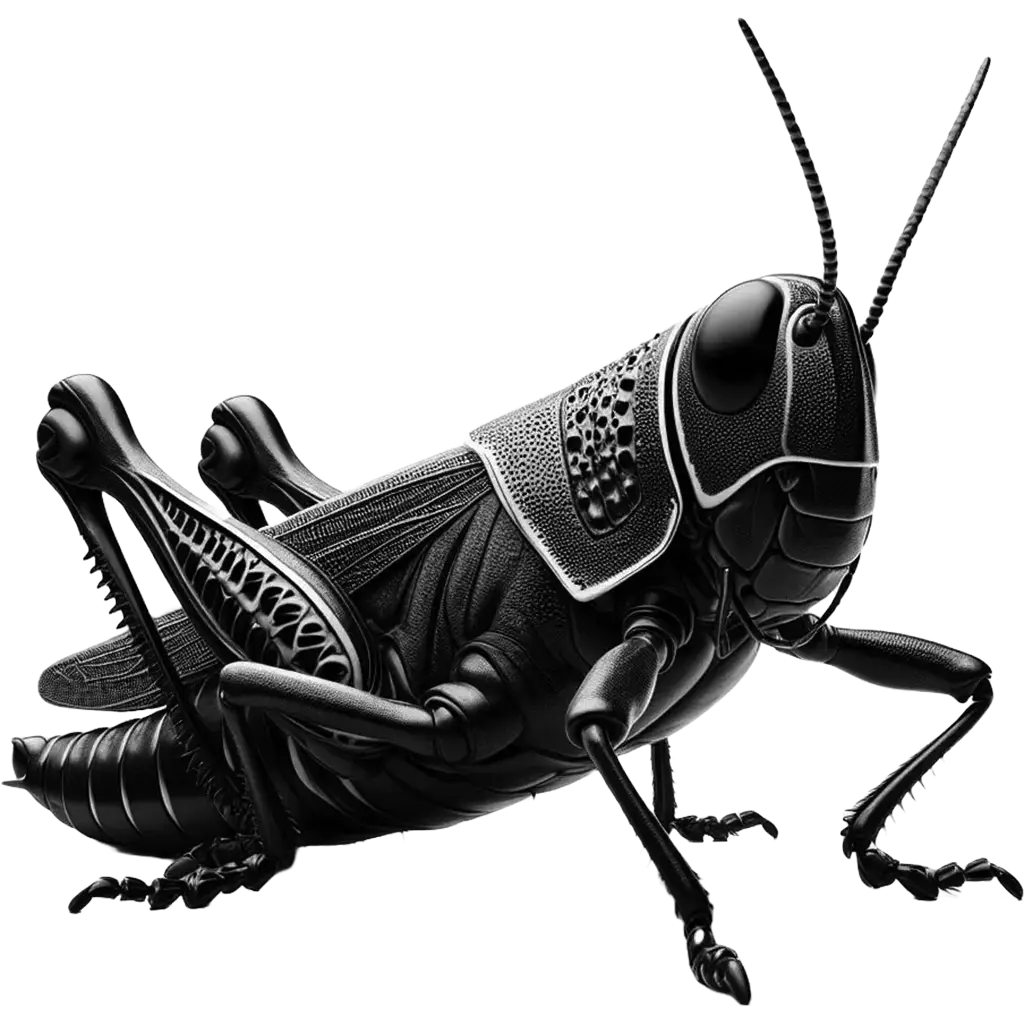
The American Grasshopper, schistocerca americana, is a robust insect known for its sizeable body and striking coloration, which ranges from yellow to olive-green, often with black or brown markings that provide camouflage in their natural grassland habitats. Adults can grow up to 2.5 inches (about 6.35 cm) in length, making
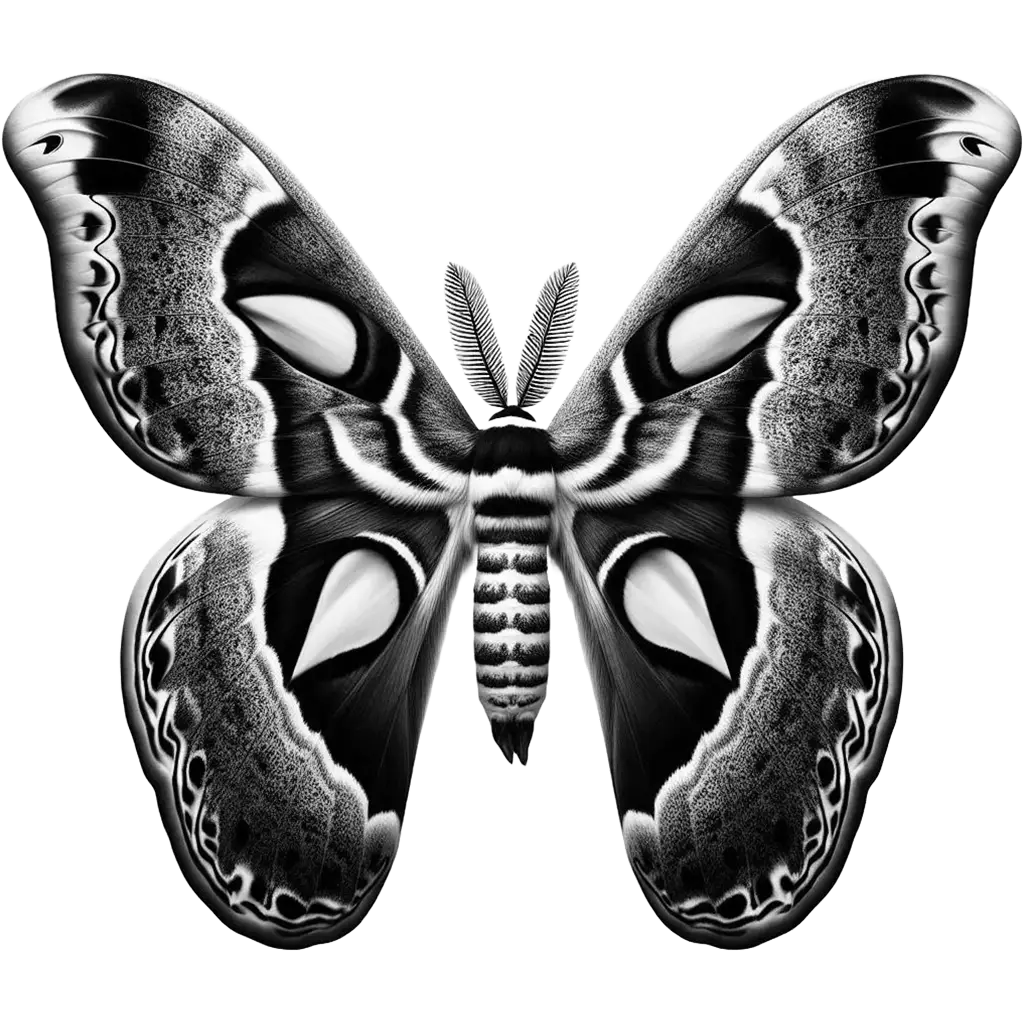
The Giant Peacock Moth, saturnia pyri, is Europe's largest moth, showcasing an impressive wingspan of up to 15 centimeters (6 inches). Its name derives from the eye-catching 'eyes' on its wings, resembling those of a peacock's feathers. These large, circular spots serve as a defense mechanism, deterring predators by mimicking
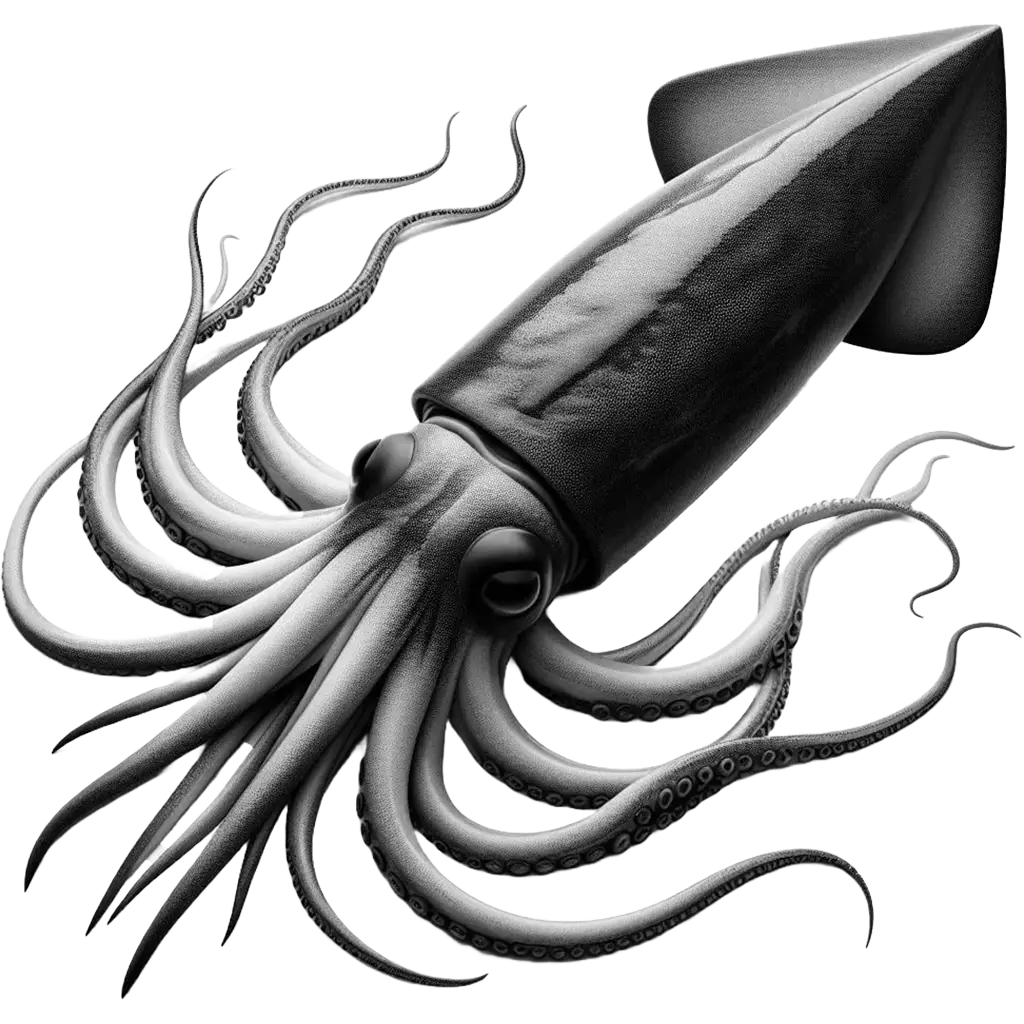
The Giant Squid, architeuthis dux, is a deep-sea dwelling cephalopod known for its immense size and elusive nature. It is one of the largest living organisms, with the largest specimens measuring up to 13 meters (43 feet) in length, including their tentacles. The body of the Giant Squid, or mantle,
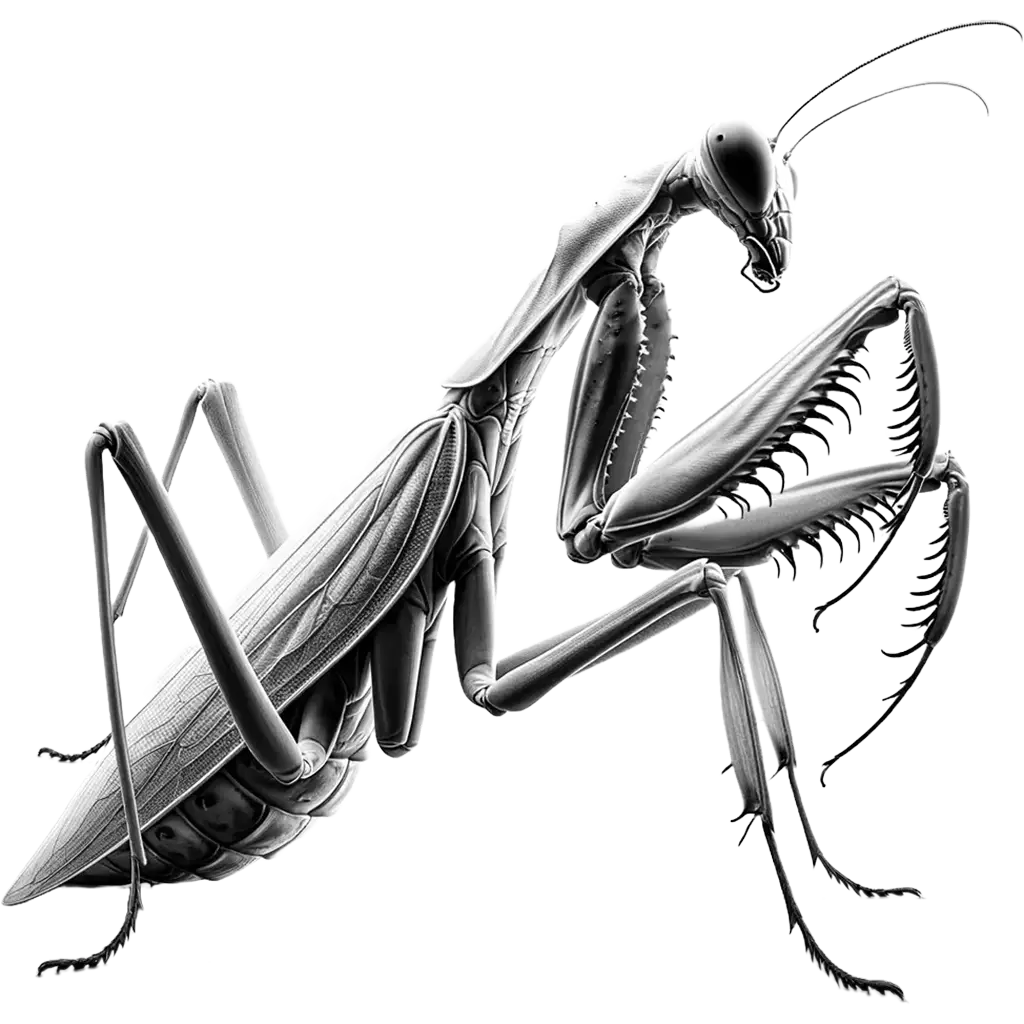
The European Mantis, mantis religiosa, is a widely recognized species of praying mantis, notable for its distinctive posture and predatory behavior. Adult mantises can reach lengths of about 5 to 7.5 cm, exhibiting a range of colors from green to brown, which aids in camouflage within their natural habitats. They