
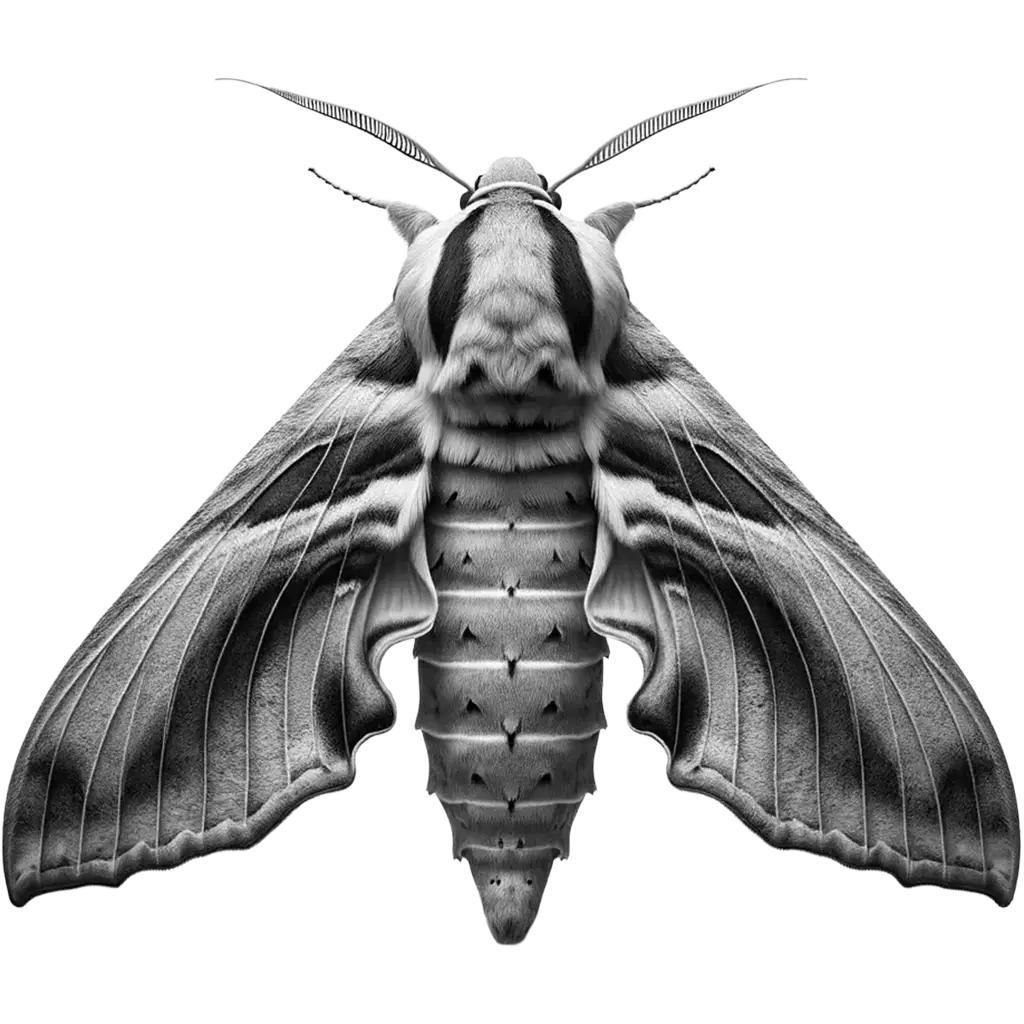
Mimas Tiliae
Lime Hawk-Moth
Woodlands, gardens, parks, and hedgerows, where lime trees and other host plants are found
The Lime Hawk-Moth, mimas tiliae, is a striking and colorful species of moth found across Europe and into parts of Asia, recognized for its vibrant green and pink hues that blend seamlessly with the foliage of lime trees, its primary habitat and food source during the larval stage. Adult moths boast a wingspan of 45 to 75 mm, with forewings that are a mix of olive green and pink, intricately patterned to provide camouflage among leaves. The hindwings are a softer, more subdued pink, and the body is robust, typical of the hawk-moth family.
| Population: | Common and widespread in many areas, not currently considered threatened |
| Generation Length: | 1 year |
| Average Weight: | Not commonly measured; insects are lightweight |
| Average Length: | Wingspan: 60-75 mm |
| Lifespan: | The adult moth lives for approximately 2-3 weeks |
| Diet: | Nectar |
| Conservation Status: | Not Evaluated (NE) |
These moths inhabit gardens, woodlands, and areas where lime, birch, and other deciduous trees are prevalent. The adults are nocturnal and are most active during the late evening and early night. They are particularly attracted to light, making them frequent visitors to lit windows in areas adjacent to their natural habitats.
The diet of the Lime Hawk-Moth caterpillar includes leaves from lime, elm, birch, and other deciduous trees, showcasing a preference that has influenced its common name. The caterpillars are known for their striking appearance, with a green body and pink and yellow markings, along with a characteristic horn at the rear end, typical of hawk-moth larvae.
Reproduction for the Lime Hawk-Moth occurs once a year, with females laying eggs on the underside of host plant leaves. These eggs hatch into caterpillars that feed voraciously on the leaves throughout their development, eventually pupating in the soil or leaf litter where they metamorphose into the adult moth.
The population of the Lime Hawk-Moth is considered stable in most of its range, though it faces threats from habitat loss and the use of pesticides. Conservation efforts focus on maintaining the health of woodland and garden ecosystems to support the diversity of plant species that cater to the needs of these and other moth species. The Lime Hawk-Moth serves as an indicator of healthy, biodiverse environments, and its presence enriches the natural tapestry of the regions it inhabits.
Classifications
The Key Attributes
Features
- Movement:
Flying
- Territorial Behavior:
Not territorial; moths are generally solitary except when mating
- Speed:
Not specifically quantified; capable of quick, agile flight
- Diet:
Herbivore
- Physical Features:
- Large, broad wings with a distinctive green to brown coloration, often with pink and white markings
- Sphinx-like posture when at rest, with the body held off the surface and the head raised
- Long, curved proboscis for feeding on nectar
- Feathery antennae typical of moth species
- Primary Senses:
- Sight
- Smell
Understanding Habitat and Range
Geography
- Habitat:
Woodlands, gardens, parks, and hedgerows, where lime trees and other host plants are found
- Migration Patterns:
Non-migratory, but may disperse locally
- Geographical Range:
Throughout Europe and into parts of Asia; northern Africa
- Climate Preferences:
Temperate regions with access to host plants for feeding and laying eggs
Navigating the Wilderness
In the wild
- Predators:
Birds, bats, and small mammals may prey on the moth at various life stages
- Prey:
Nectar from flowers
- Feeding Behavior:
Adults feed on nectar from a variety of flowers using their long proboscis
- Diet:
Nectar
- Defensive Mechanisms:
- Camouflage with their surroundings to avoid predation
- Quick flight to escape potential threats
- Preferred Food Sources:
- Flowers rich in nectar, including honeysuckle, jasmine, and garden plants
Insights Into Reproduction
Mating
- Mating System:
Polygamous
- Number of Offspring:
Females lay eggs on the underside of leaves of the host plant
- Incubation Period:
Eggs hatch within a few weeks
- Parental Involvement:
- No parental care after egg laying; larvae are independent from hatching
Youngsters Section
Lime Hawk-Moth
Fun Fact
The Lime Hawk-Moth is known for its stunning green and brown camouflage resembling lichen-covered bark.
This moth species is mainly found in Europe and parts of Asia. It has a wingspan of 55-70 mm, making it relatively large. Adult moths do not feed; they rely on energy stored from their caterpillar stage. They are most active at night and are attracted to light sources.

Download word search puzzles
Word Search Puzzles

Check Out Other Invertebrates

The Cowry Snail, cypraea tigris, often simply referred to as the Tiger Cowry, is a marine gastropod renowned for its highly polished, beautifully patterned shell. This species is widespread across the tropical and subtropical waters of the Indo-Pacific region, from the east coast of Africa, across the Indian Ocean, to

The Giant Glasswing, methona confusa, is a visually striking species known for its distinctive appearance and is commonly found in the tropical regions of South America. These butterflies exhibit large, translucent wings marked with an intricate pattern of black veins and borders, creating a stunning contrast against the greenery of
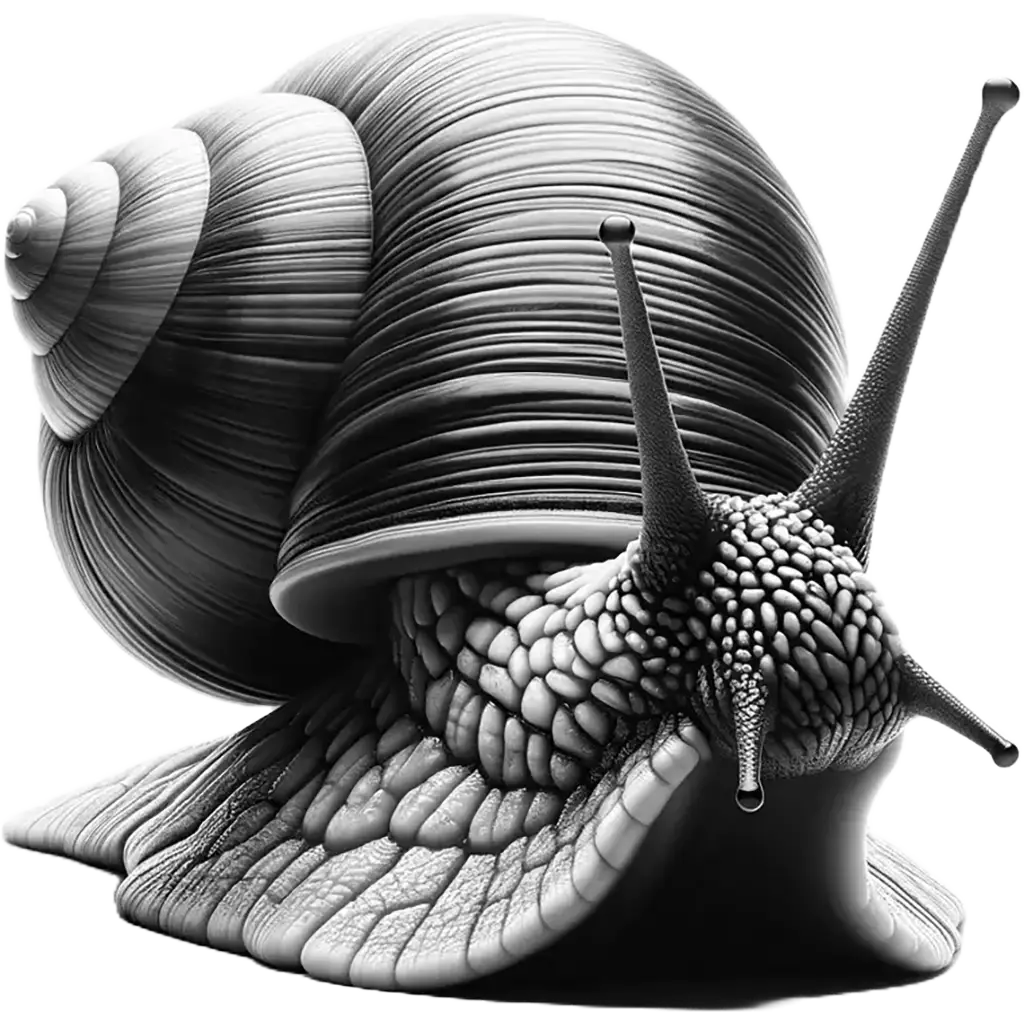
The Burgundy Snail, helix pomatia, also known as the Roman snail or edible snail, is a terrestrial pulmonate gastropod mollusk. It is one of the largest snail species, with a shell diameter of about 4 to 5 cm and a height of 4 to 6 cm. The shell is globular
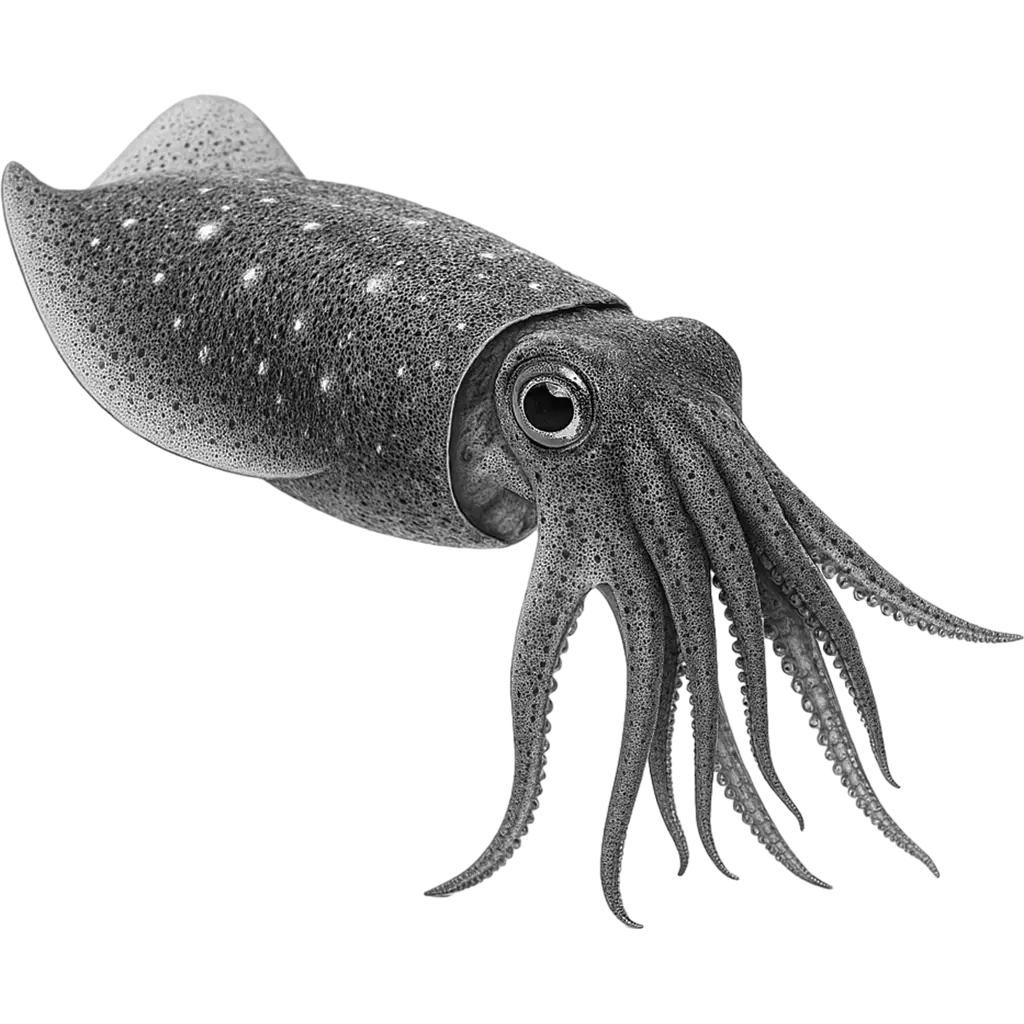
The Caribbean Reef Squid exhibits a sleek, elongated body with a soft mantle that shimmers in silvery hues and iridescent blues. Its large eyes and a crown of retractable tentacles, each lined with tiny suckers, give it an otherworldly appearance. The flexible skin rapidly changes color, enabling it to blend