
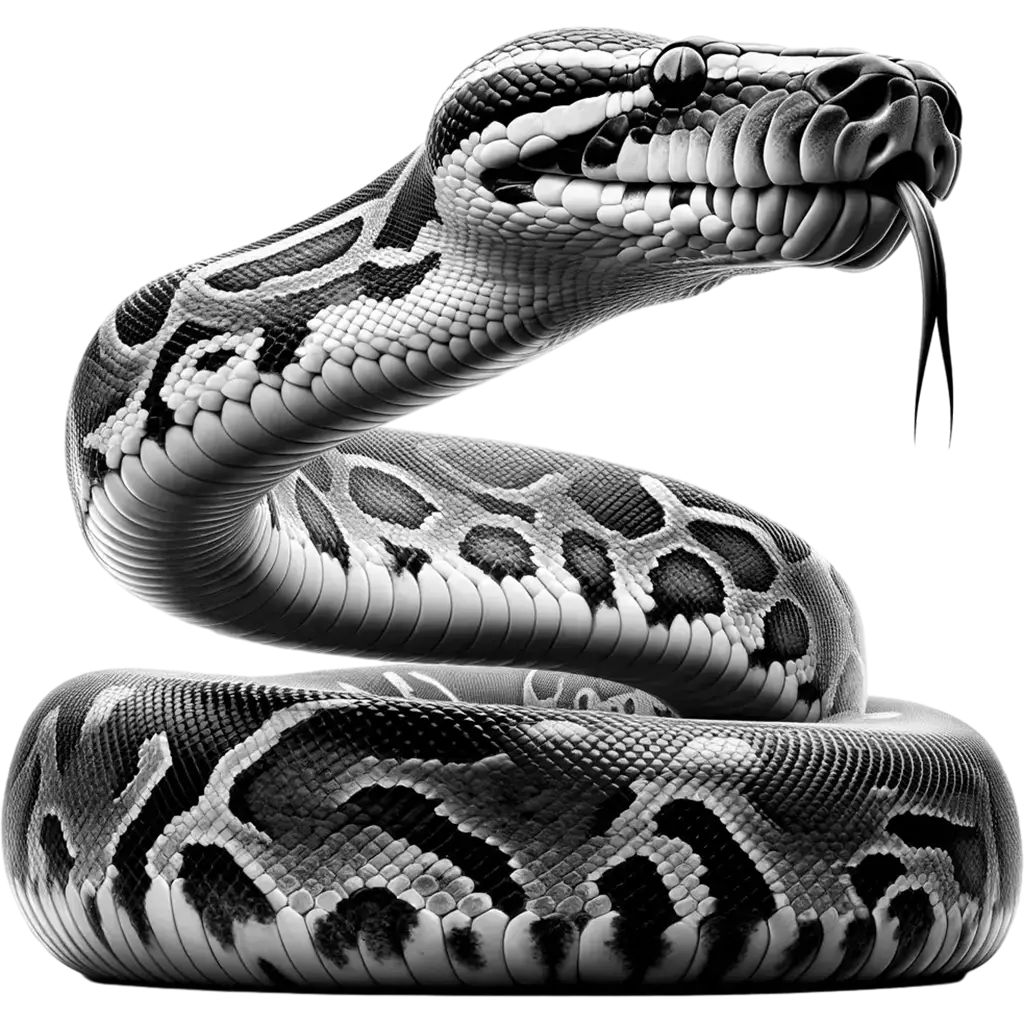
Python Sebae
African Rock Python
Forests, savannas, grasslands, semi-deserts, and rocky areas
The African Rock Python, Python sebae, is a large, non-venomous snake native to sub-Saharan Africa. It is one of the largest snake species on the continent, with adults commonly reaching lengths of 3 to 4.5 meters, and some exceptional individuals exceeding 6 meters. Their skin is thick and covered in patterned scales that vary in color from brown to olive, featuring dark brown blotches bordered by lighter colors, providing excellent camouflage in their natural habitats.
| Population: | Unknown, but not currently listed as endangered |
| Generation Length: | 12-18 years |
| Average Weight: | 55-70 kg |
| Average Length: | 4.8-6 m |
| Lifespan: | 20-30 years in the wild, longer in captivity |
| Diet: | Whole prey items swallowed whole |
| Conservation Status: | Near Threatened (NT) |
African Rock Pythons lead solitary lives, primarily active during the twilight hours (crepuscular) and at night (nocturnal). They are excellent swimmers and can be found in a variety of habitats, including savannas, forests, grasslands, and near water bodies. These powerful constrictors hunt by ambushing prey, using their camouflage to blend into the surroundings. Once they capture their prey, they coil around it and suffocate it before consumption. Young pythons may climb trees, but adults are mostly terrestrial due to their size.
Their diet is diverse, consisting mainly of mammals and birds. Juvenile pythons may start with smaller prey such as rodents or birds, but as they grow, they can tackle larger animals, including antelopes, crocodiles, and occasionally even small hippos. They have a slow metabolism, allowing them to survive for extended periods without food after consuming a large meal. The digestion process is efficient, capable of breaking down the entire prey, including bones and feathers, leaving no trace behind.
Mating for African Rock Pythons occurs primarily in the early spring. Males compete for females through wrestling matches, where they try to pin each other to the ground. After successful copulation, the female lays a clutch of 20 to 100 eggs, which she incubates by coiling around them and contracting her muscles to generate heat. This maternal care continues until the eggs hatch, about 90 days later.
The population of African Rock Pythons is not currently considered endangered, but it faces threats from habitat loss, hunting for their skin, and being killed out of fear by humans. Their adaptability to different environments has helped maintain their population, but in some regions, they are in decline. Conservation efforts are important to ensure their survival, emphasizing the need for habitat protection and education to reduce human-wildlife conflicts.
Classifications
The Key Attributes
Features
- Movement:
Serpentine locomotion
- Territorial Behavior:
Solitary, except during breeding season
- Speed:
Not specified due to variable context-dependent movement
- Diet:
Carnivore
- Physical Features:
- Thick body with colored blotches often joining up in a broad, irregular stripe
- Large head with distinctive pits on lips which are heat-sensitive
- Sharp, backward-curving teeth
- Primary Senses:
- Heat-sensitivity
- Smell
- Sight
Understanding Habitat and Range
Geography
- Habitat:
Forests, savannas, grasslands, semi-deserts, and rocky areas
- Migration Patterns:
Non-migratory
- Geographical Range:
Sub-Saharan Africa
- Climate Preferences:
Prefers warm climates, but adaptable to various environmental conditions
Navigating the Wilderness
In the wild
- Predators:
Large birds of prey (for juveniles), crocodiles, large mammals (occasionally)
- Prey:
A wide range of animals including rodents, birds, and larger mammals such as antelopes
- Feeding Behavior:
Ambush predator, constrictor
- Diet:
Whole prey items swallowed whole
- Defensive Mechanisms:
- Camouflage
- Hissing
- Biting
- Constriction
- Preferred Food Sources:
- Varies widely with availability
Insights Into Reproduction
Mating
- Mating System:
Polygynandrous
- Number of Offspring:
20-100 eggs per clutch
- Gestation Period:
N/A (oviparous - lays eggs)
- Incubation Period:
90 days
- Parental Involvement:
- Female guards the eggs until they hatch
- Little to no parental involvement post-hatching
Youngsters Section
African Rock Python
Fun Fact
The African Rock Python is Africa's largest snake, reaching lengths of up to 20 feet.
These pythons are non-venomous constrictors, meaning they kill prey by wrapping around it and squeezing. They inhabit a range of environments, from savannas to forests. Despite their size, they are skilled swimmers and climbers. Their diet includes antelopes, monkeys, and occasionally crocodiles.

Download word search puzzles
Word Search Puzzles


Check Out Other Reptiles

The Green Iguana, iguana iguana, is a large, arboreal lizard native to Central and South America. Recognizable by its vibrant green scales, this reptile can grow up to 2 meters in length, including its tail, which it uses as a defense mechanism against predators. The Green Iguana has a row

The Jewelled Chameleon, furcifer campani, is a striking species of chameleon endemic to the central highlands of Madagascar, particularly known for its vibrant colors and ornate appearance. Adults can grow to a length of approximately 20 to 23 centimeters, including the tail. This species exhibits a remarkable array of colors,
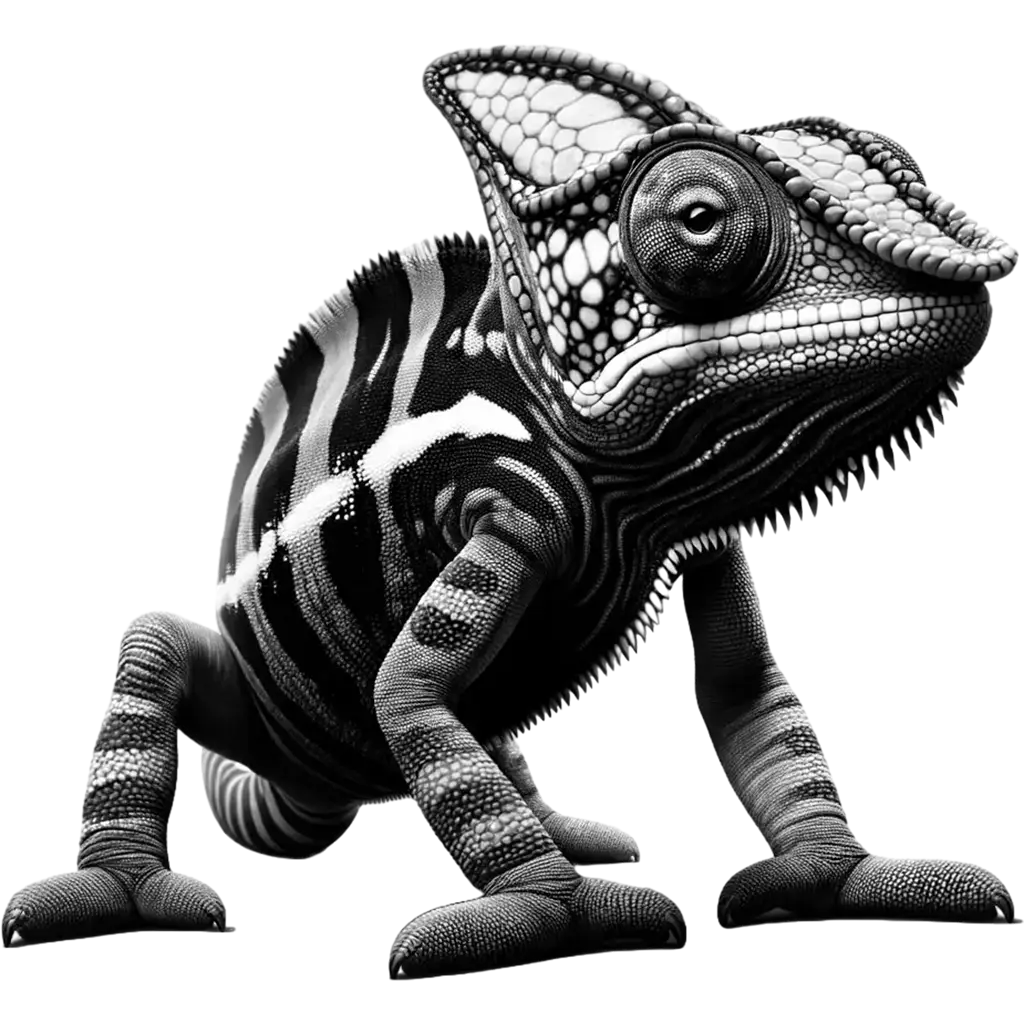
The Namaqua Chameleon, chamaeleo namaquensis, is a distinctive species of chameleon found primarily in the arid regions of southern Africa, including the Namib Desert. This species is particularly notable for its large size, with adults reaching up to 25 cm in length, making it one of the larger chameleon species.

The Egyptian Cobra, naja haje, is a highly venomous snake native to Africa, renowned for its imposing size and potent venom. Adults can reach lengths of up to 2 meters, making it one of the largest cobra species. The Egyptian Cobra has a broad and rounded head, distinct from its