
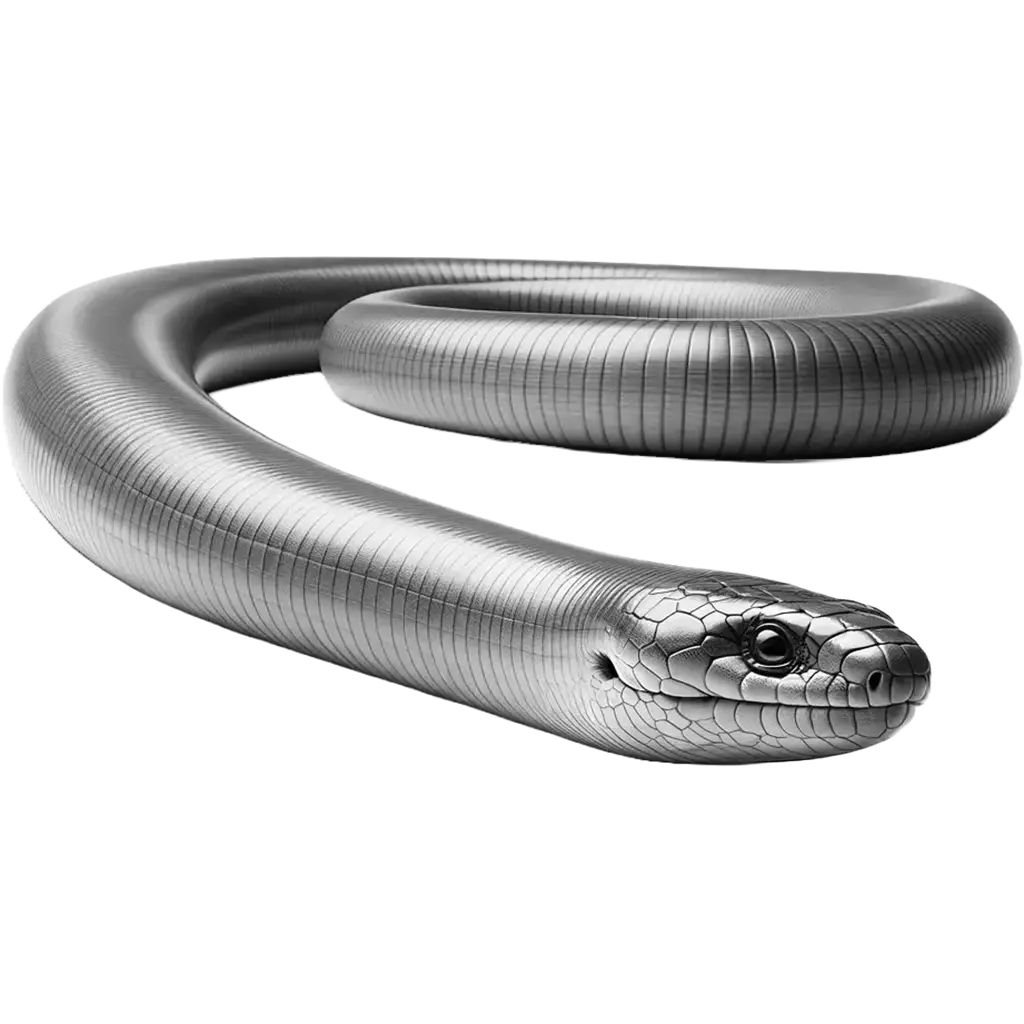
Anguis Fragilis
Slow Worm
Grasslands, woodlands, heathlands, and gardens
The Slow Worm, anguis fragilis, is a legless lizard native to Eurasia, often mistaken for a snake due to its elongated body and absence of limbs. Adults typically measure between 40 to 50 cm in length, with females usually larger than males. Their bodies are covered in smooth, shiny scales, with coloration ranging from brown and grey to copper, often with a distinctive line running down the back. Unlike snakes, Slow Worms possess eyelids and can blink. They have a blunt tail, which, like other lizards, can be shed as a defense mechanism against predators.
| Population: | Listed as Least Concern, but populations are declining in some areas due to habitat loss |
| Generation Length: | 5-6 years |
| Average Weight: | 20-100 grams |
| Average Length: | 30-50 cm |
| Lifespan: | Up to 30 years in the wild |
| Diet: | Carnivorous, specializing in slow-moving prey |
| Conservation Status: | Least Concern (LC) |
Slow Worms inhabit a variety of environments, including woodland, grassland, and garden areas, where they can find shelter under rocks, logs, and foliage. They are secretive and primarily nocturnal, emerging in the late afternoon and early evening to bask in the sun or hunt. During colder months, they hibernate, usually from October to March, depending on the climate.
Their diet consists mainly of small invertebrates, including slugs, snails, and earthworms, making them beneficial for gardens by controlling pest populations. Slow Worms use their keen sense of smell to locate prey, consuming it whole due to their small, non-venomous mouths.
Reproduction in Slow Worms is unique among reptiles, as they give birth to live young rather than laying eggs. Mating occurs in spring, and by late summer, females give birth to 6 to 12 live offspring, which are immediately independent. This viviparous reproduction is advantageous in cooler climates, providing the embryos with a stable temperature during development.
The population of the Slow Worm is considered stable in many parts of its range, but it faces threats from habitat destruction and fragmentation, pesticide use, and predation by domestic pets. Conservation efforts focus on habitat protection and creating wildlife-friendly environments in gardens and urban areas to support Slow Worm populations. Despite their elusive nature, Slow Worms play a significant role in the ecosystem as both predators and prey, contributing to the biodiversity of their habitats.
Classifications
The Key Attributes
Features
- Movement:
Slithering
- Territorial Behavior:
Solitary, with defined home territories
- Speed:
Not particularly fast, relies on stealth and camouflage
- Diet:
Carnivore
- Physical Features:
- Legless, elongated body resembling a snake
- Smooth, shiny scales
- Eyelids present, which is uncommon for reptiles and distinguishes it from snakes
- Can detach its tail when threatened, a process known as autotomy
- Primary Senses:
- Sight
- Smell
- Vibration sensitivity
Understanding Habitat and Range
Geography
- Habitat:
Grasslands, woodlands, heathlands, and gardens
- Migration Patterns:
Sedentary, with limited movement within their territory
- Geographical Range:
Europe and Asia, from the British Isles eastward to Mongolia and northern China
- Climate Preferences:
Prefers temperate climates, often found in areas with cover and sunny spots for basking
Navigating the Wilderness
In the wild
- Predators:
Birds of prey, snakes, larger mammals, and domestic cats
- Prey:
Invertebrates, particularly gastropods like slugs and snails
- Feeding Behavior:
Feeds on slugs, snails, worms, and occasionally small insects
- Diet:
Carnivorous, specializing in slow-moving prey
- Defensive Mechanisms:
- Camouflage for hiding from predators
- Autotomy (tail detachment) as a defensive distraction
- Preferred Food Sources:
- Areas rich in invertebrates, with ground cover for hiding and hunting
Insights Into Reproduction
Mating
- Mating System:
Oviparous
- Number of Offspring:
3-10 live young
- Gestation Period:
Females give birth to live young after about 3 months
- Parental Involvement:
- No parental care after birth; young are independent immediately
Youngsters Section
Slow Worm
Fun Fact
The slow worm is a legless lizard, often mistaken for a snake due to its appearance.
Unlike snakes, slow worms have eyelids and can blink. They also have a detachable tail, which can break off to escape predators. Slow worms are beneficial to gardens as they feed on pests like slugs and insects, helping maintain a balanced ecosystem.
Download word search puzzles
Word Search Puzzles
Check Out Other Reptiles
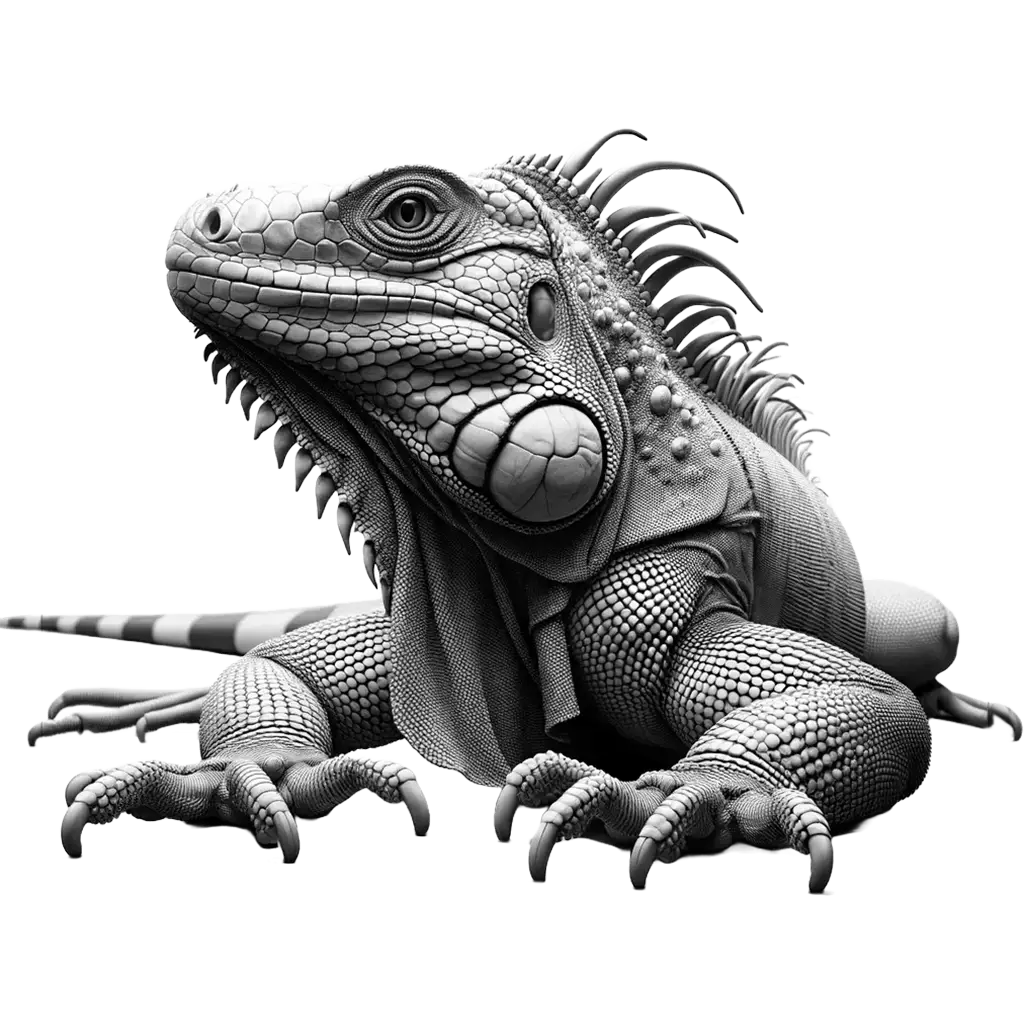
The Green Iguana, iguana iguana, is a large, arboreal lizard native to Central and South America. Recognizable by its vibrant green scales, this reptile can grow up to 2 meters in length, including its tail, which it uses as a defense mechanism against predators. The Green Iguana has a row
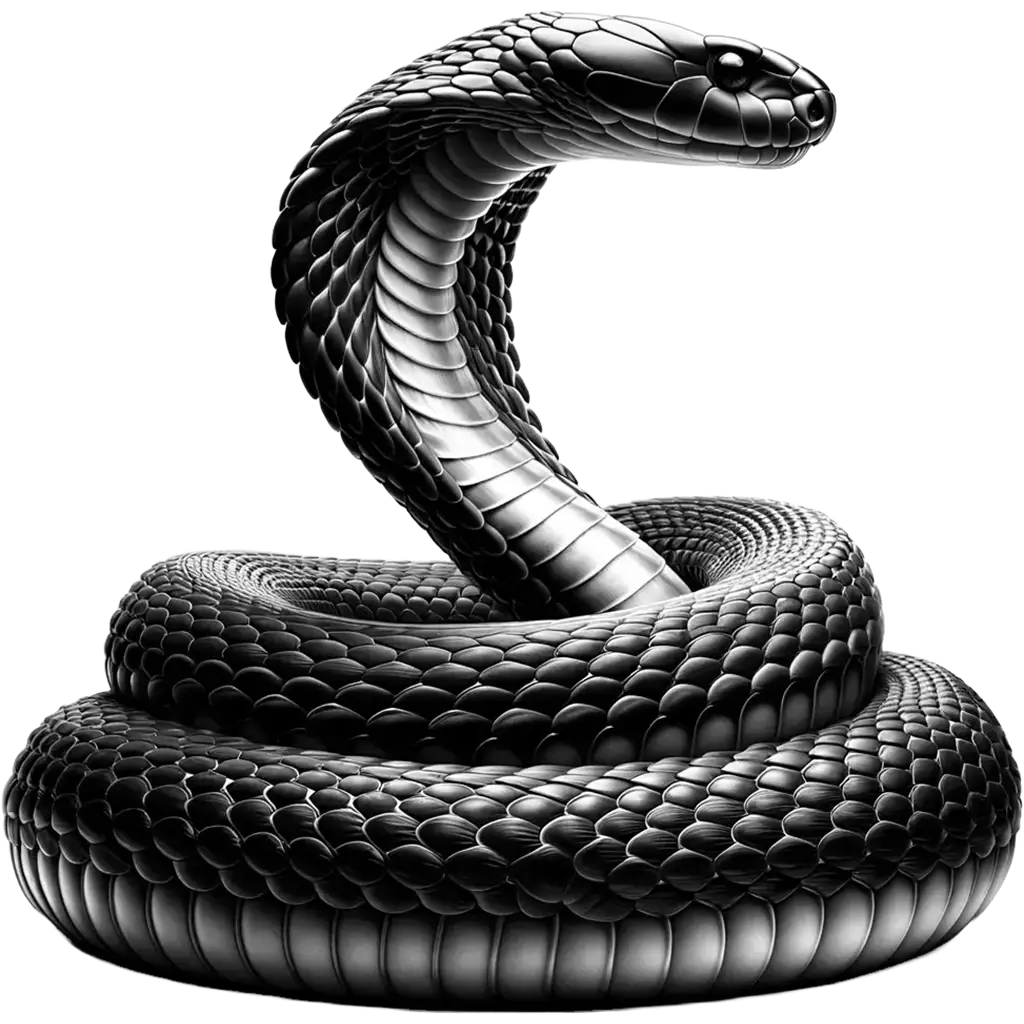
The Egyptian Cobra, naja haje, is a highly venomous snake native to Africa, renowned for its imposing size and potent venom. Adults can reach lengths of up to 2 meters, making it one of the largest cobra species. The Egyptian Cobra has a broad and rounded head, distinct from its
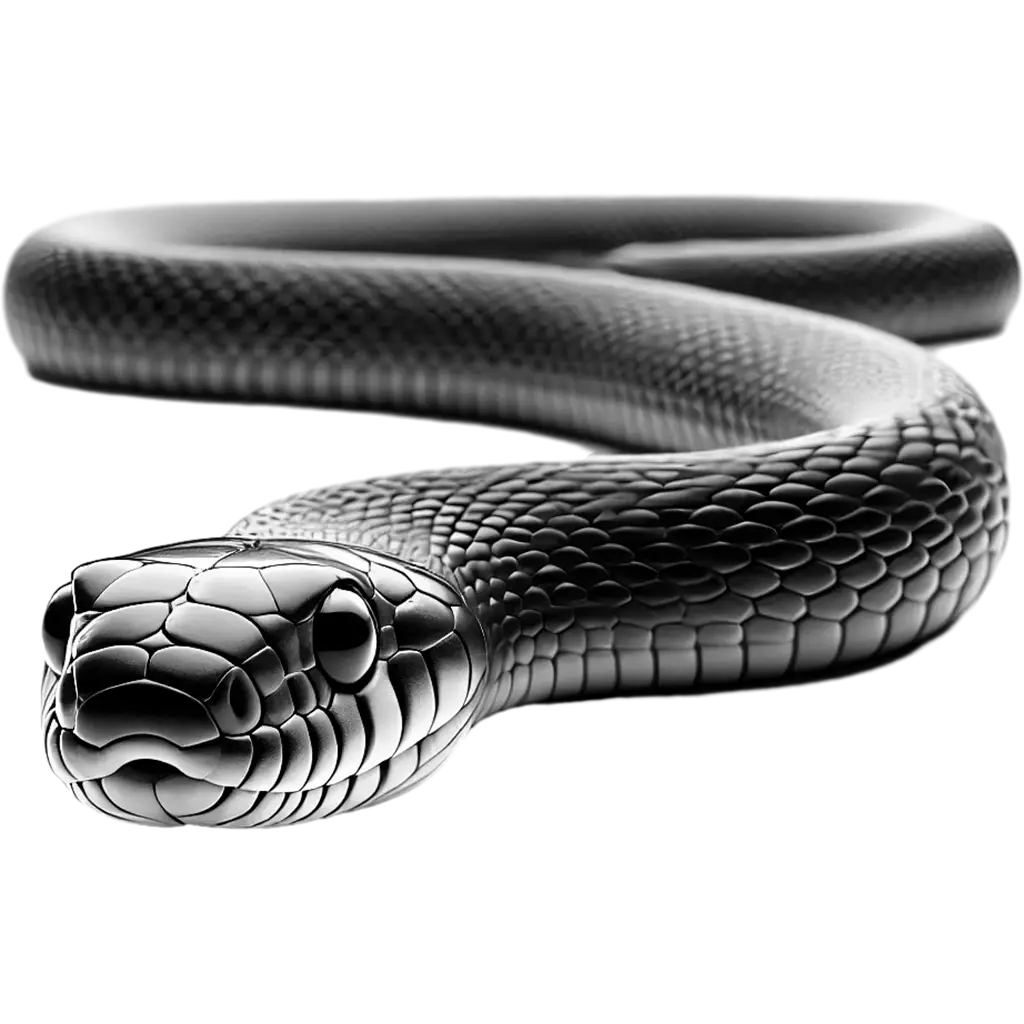
The Short-nosed Snake is a slender reptile defined by its unusually short, blunt snout and smooth, dark scales that provide exceptional camouflage among rocky outcrops. Its streamlined, agile body is perfectly adapted for a life in harsh, arid landscapes, making it appear both cryptic and striking in appearance. Active primarily
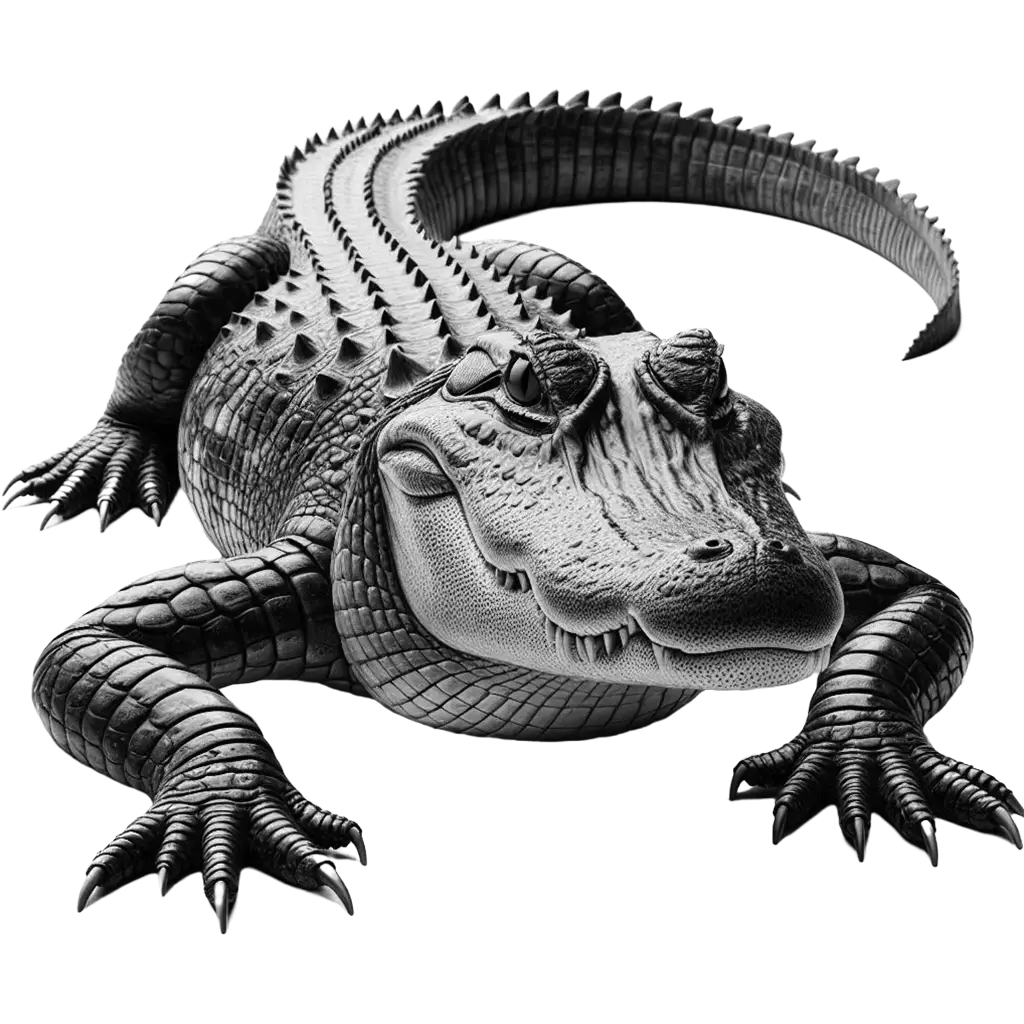
The American Alligator, Alligator mississippiensis, is a formidable reptile native to the southeastern United States, easily recognized by its armored body, strong tail, and powerful jaws. Adults typically measure between 3 to 4.6 meters in length, with males being larger than females. Their skin is a dark, olive-brown color with