
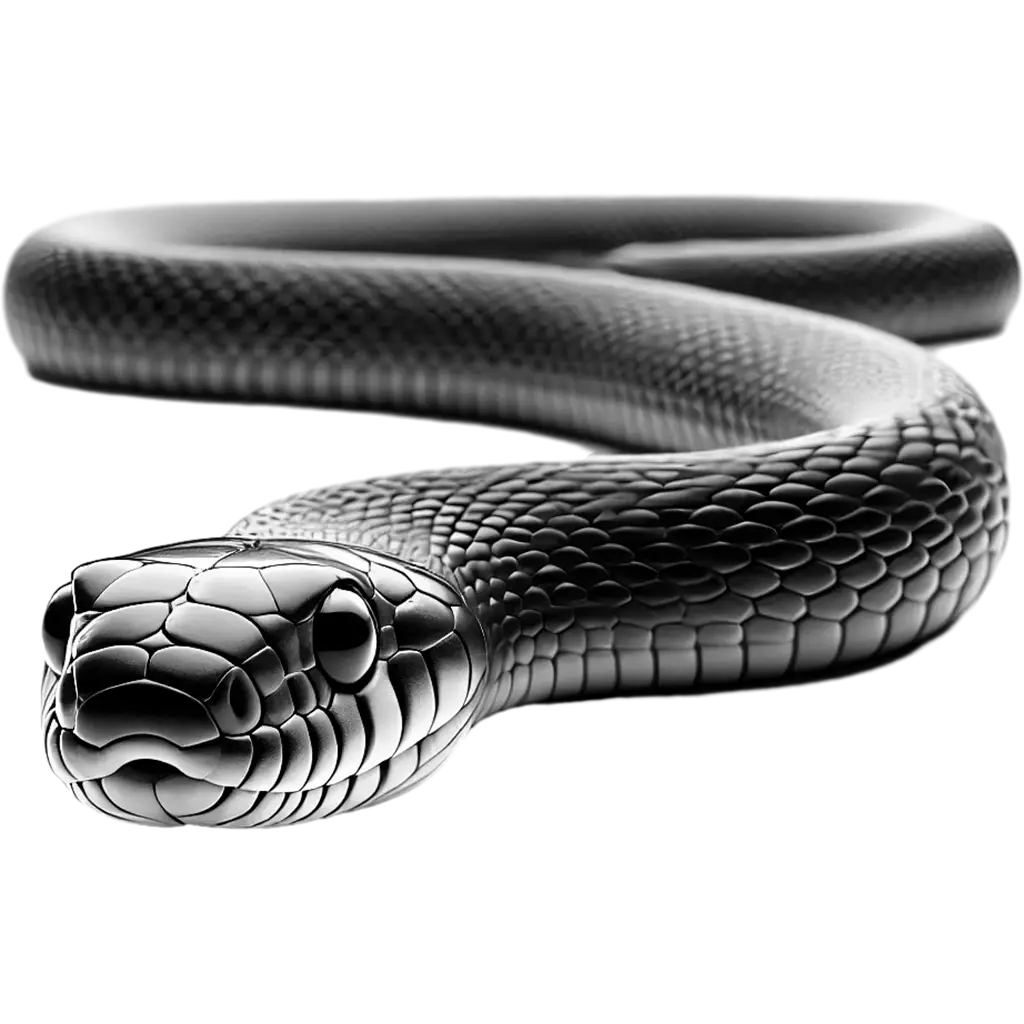
Elapognathus Minor
Short-Nosed Snake
Arid scrublands and rocky outcrops in semi-arid regions
The Short-nosed Snake is a slender reptile defined by its unusually short, blunt snout and smooth, dark scales that provide exceptional camouflage among rocky outcrops. Its streamlined, agile body is perfectly adapted for a life in harsh, arid landscapes, making it appear both cryptic and striking in appearance.
| Population: | Listed as Least Concern; known from few localized observations in its native range |
| Generation Length: | Approximately 4 years |
| Average Weight: | 100-200 grams |
| Average Length: | Approximately 40-50 cm |
| Lifespan: | Approximately 5-7 years in the wild |
| Diet: | Carnivorous, using a rapid strike to secure and subdue prey |
| Conservation Status: | Least Concern (LC) |
Active primarily during the cooler hours of dawn and dusk, this snake navigates rugged, scrubby terrains with quiet precision. It moves with measured, undulating motions that help it blend into its surroundings, relying on its keen sight and heat detection to locate prey. Despite its secretive, solitary lifestyle, the Short-nosed Snake exhibits a strong territorial instinct by marking its small habitat with subtle scent cues.
Specializing in an ambush-based feeding strategy, the Short-nosed Snake preys on small lizards, amphibians, and occasionally rodents. It remains motionless until an unsuspecting target ventures near, then strikes with a rapid burst of speed to secure its meal. This carnivorous diet is vital for sustaining its active, energy-demanding lifestyle in an environment where every meal is hard-won.
During the breeding season, individuals engage in brief courtship encounters marked by subtle scent exchanges and short displays. Mating is fleeting, with the female later laying a clutch of 4-8 eggs that hatch approximately 60 days afterward. No parental care is provided, and the young are on their own from the moment of hatching.
The Short-nosed Snake, though not commonly encountered, appears to maintain a stable and resilient population within its specialized habitat. Despite its limited range, current observations suggest it is not facing any immediate threats. As a result, it is classified as a species of Least Concern. Continued monitoring is recommended to ensure long-term stability.
Classifications
The Key Attributes
Features
- Movement:
Slithers silently with smooth, undulating motions over rocky terrain.
- Territorial Behavior:
Largely solitary, marking small territories with subtle scent cues.
- Speed:
Moderate overall, with rapid bursts during an ambush.
- Diet:
Strictly carnivorous; preys on small reptiles, amphibians, and occasionally rodents.
- Physical Features:
- Short, blunt snout that gives the species its common name
- Sleek, slender body covered in smooth, dark scales
- Subdued patterning that provides excellent camouflage
- Primary Senses:
- Sight
- Smell
- Heat detection
Understanding Habitat and Range
Geography
- Habitat:
Arid scrublands and rocky outcrops in semi-arid regions
- Migration Patterns:
Non-migratory; restricted to local, rugged habitats.
- Geographical Range:
Endemic to parts of Australia.
- Climate Preferences:
Arid to semi-arid climates with sparse vegetation.
Navigating the Wilderness
In the wild
- Predators:
Larger birds of prey and carnivorous mammals may target juveniles.
- Prey:
Small lizards, amphibians, and rodents.
- Feeding Behavior:
Employs an ambush strategy, remaining motionless until prey comes within range.
- Diet:
Carnivorous, using a rapid strike to secure and subdue prey
- Defensive Mechanisms:
- Effective camouflage against rocky substrates
- Quick, evasive bursts to escape threats
- Preferred Food Sources:
- Small vertebrates in arid environments
Insights Into Reproduction
Mating
- Mating System:
Solitary outside the breeding season; individuals come together briefly for courtship.
- Number of Offspring:
Typically 4-8 eggs per clutch.
- Incubation Period:
Eggs hatch approximately 60 days after being laid.
- Parental Involvement:
- No parental care; hatchlings are independent upon emergence.
Youngsters Section
Short-Nosed Snake
Fun Fact
The short-nosed snake is a small, secretive reptile with a unique, blunt snout that helps it burrow into the ground.
This snake is excellent at hiding and stays mostly underground, where it hunts for insects and small prey. With its short, powerful body, it can quickly move through soil and tight spaces, making it a master of camouflage and surprise!

Download word search puzzles
Word Search Puzzles
Check Out Other Reptiles
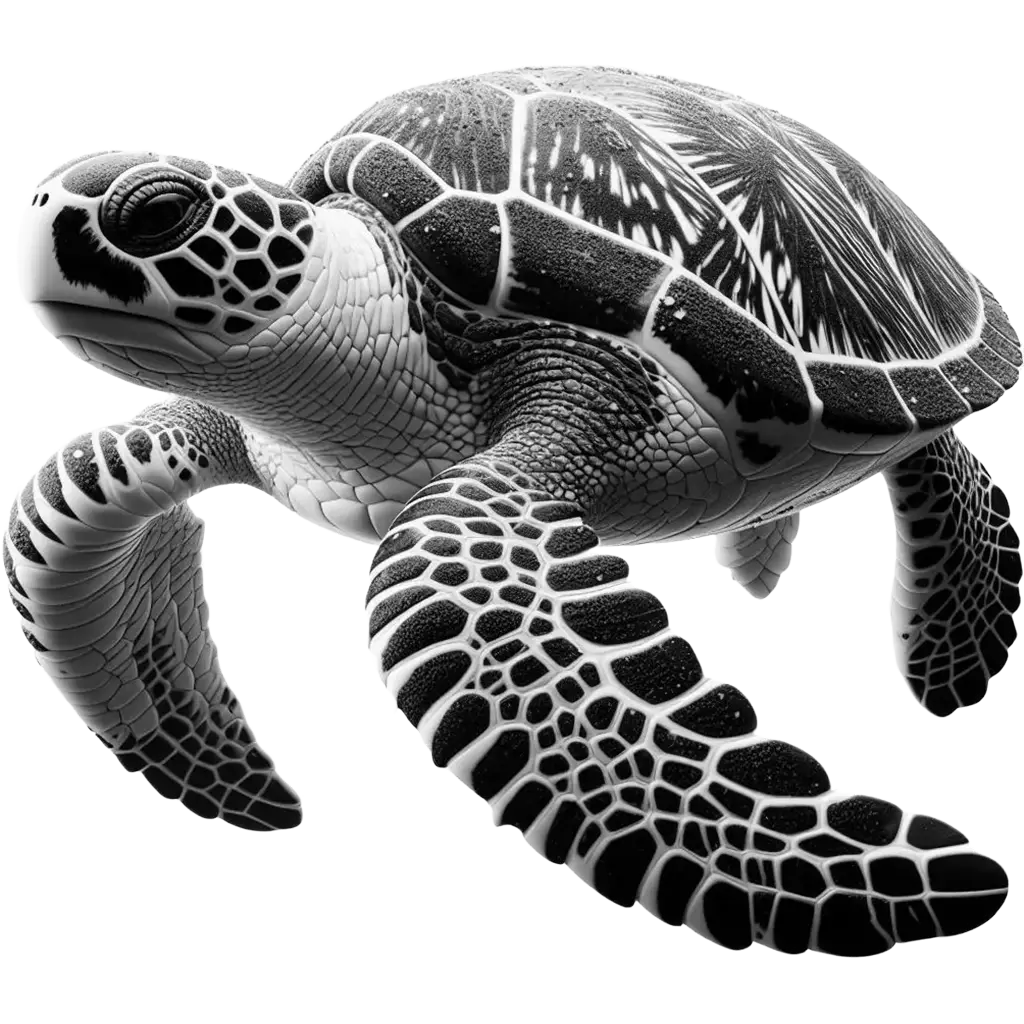
The Leatherback Sea Turtle, dermochelys coriacea, stands out as the largest of all living turtles and is the only existing species in the genus Dermochelys. Unlike other sea turtles, the Leatherback lacks a hard, bony shell and instead boasts a flexible, rubbery skin overlaying bony plates, with distinctive longitudinal ridges
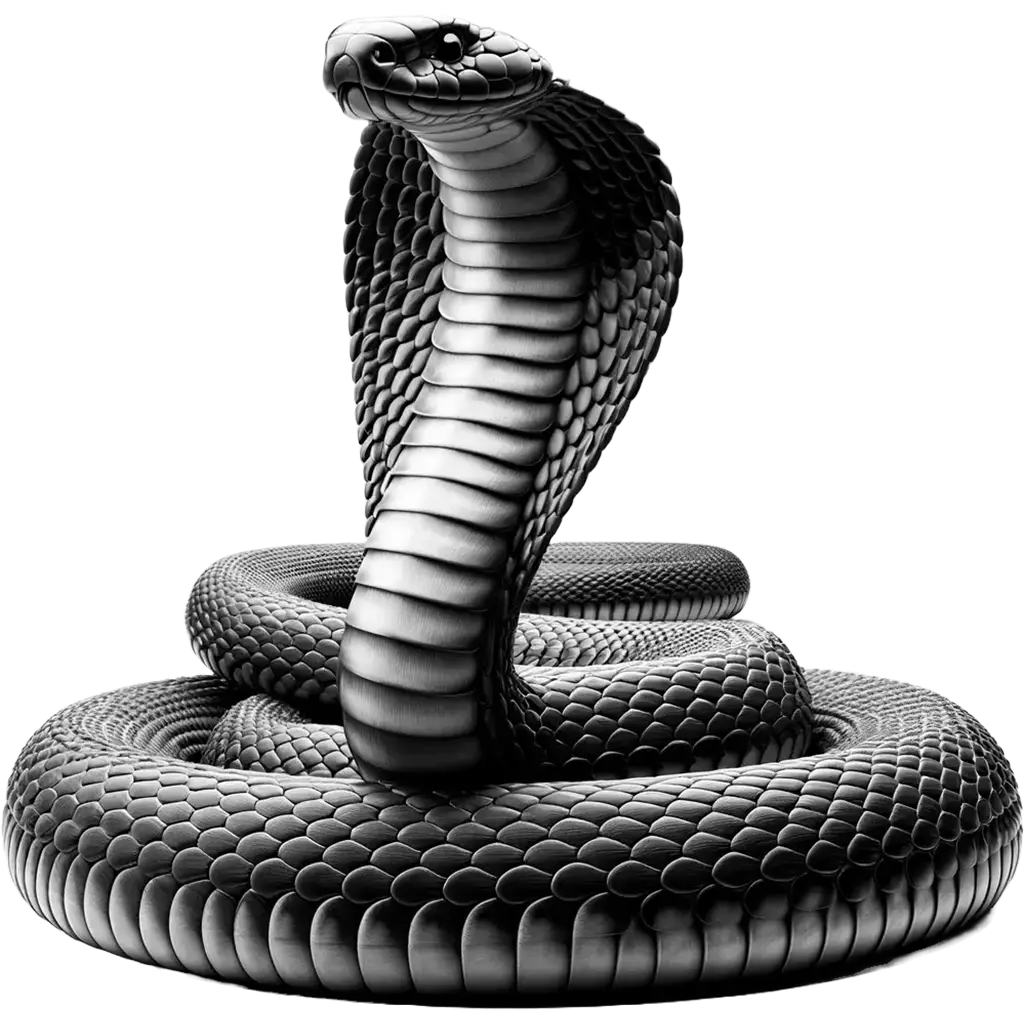
The King Cobra, ophiophagus hannah, stands as the world's longest venomous snake, with adults typically reaching 3 to 4 meters in length, though specimens exceeding 5 meters have been recorded. Its skin color varies from dark olive to black, with light yellow bands crossing over the body, providing camouflage in
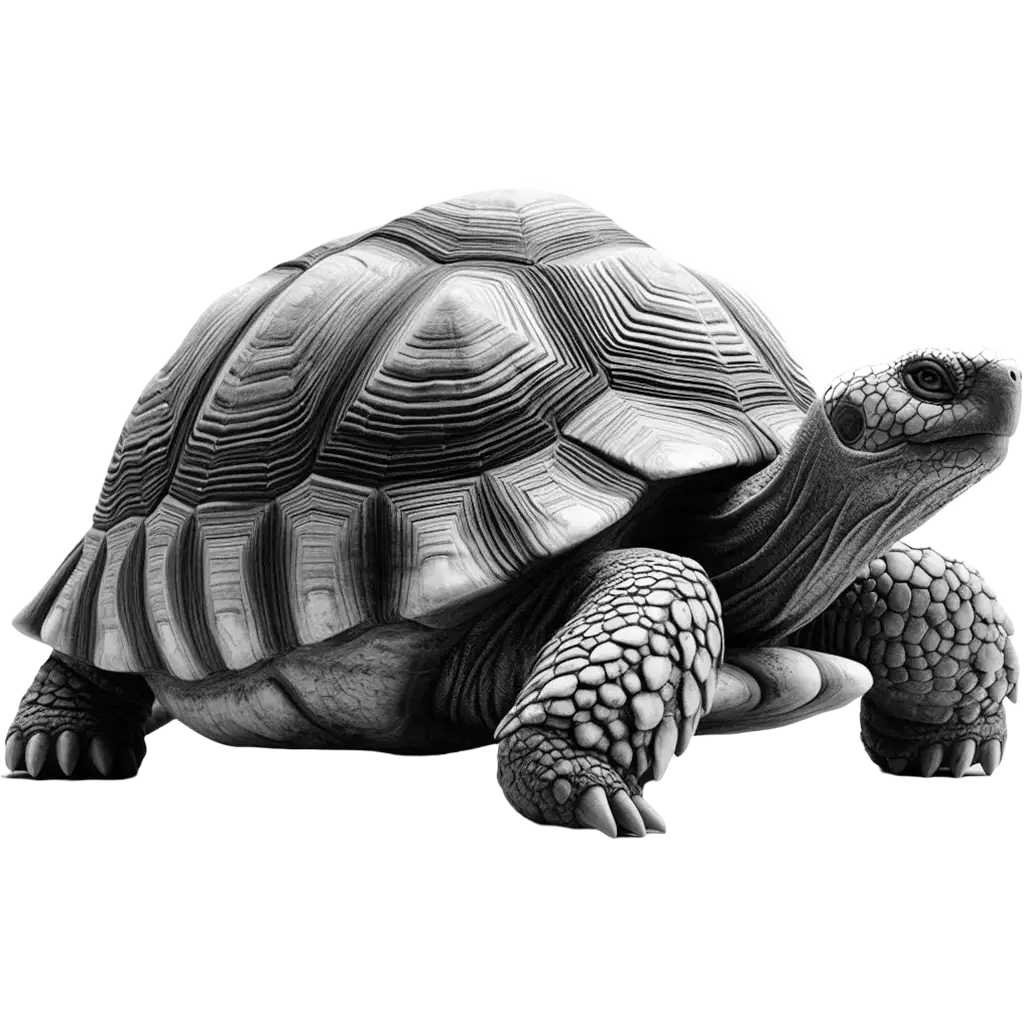
The Greek Tortoise, testudo graeca, also known as the Spur-thighed Tortoise, is a species of tortoise native to North Africa, Southern Europe, and parts of Asia. This species is distinguished by its high-domed shell, which ranges in color from golden yellow to dark brown, often with distinctive black markings. Adult
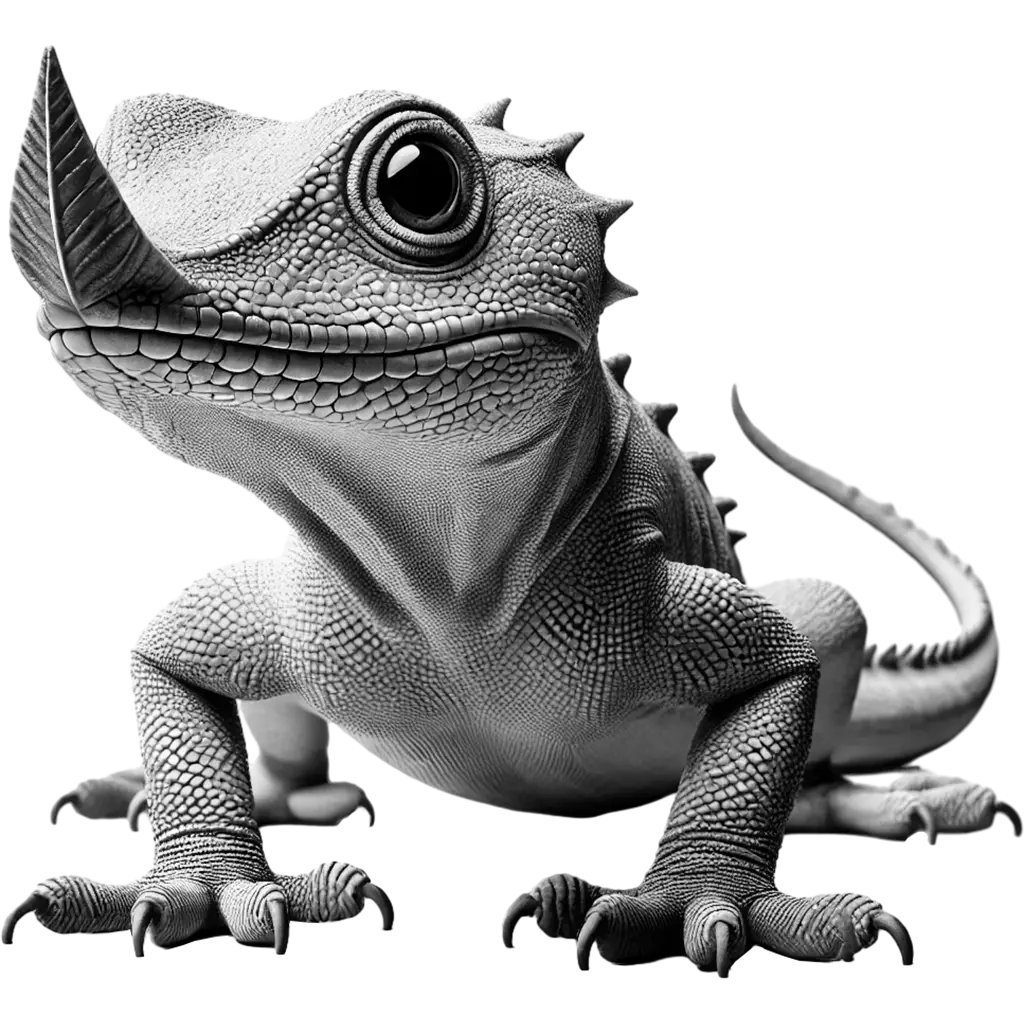
The Leaf-nosed Lizard, Ceratophora tennentii, is a small reptile endemic to Sri Lanka, notable for the distinctive leaf-like appendage on its snout. This fleshy, laterally compressed structure is present in both sexes, though it is somewhat smaller in females. Adults typically reach a total length of approximately 18.5 centimeters, including