

Trachemys Scripta Scripta
Yellow-Bellied Slider
Freshwater ponds, lakes, slow-moving rivers, and marshes
The Yellow-bellied Slider is a medium-sized freshwater turtle, easily recognized by its smooth, domed carapace colored in dark greens and browns, and its striking, bright yellow plastron that stands out when basking. Its streamlined body, webbed feet, and slightly elongated head are perfectly adapted for an aquatic lifestyle. The overall appearance is both robust and elegant, ideal for life in shallow, sunlit waters.
| Population: | Common in the southeastern U.S. and invasive worldwide, populations fluctuate due to habitat changes and pet trade |
| Generation Length: | 5 years |
| Average Weight: | Approximately 1-2 kg |
| Average Length: | Approximately 30-40 cm |
| Lifespan: | Approximately 15-20 years in the wild; up to 25 years in captivity |
| Diet: | Omnivorous |
| Conservation Status: | Least Concern (LC) |
Native to the southeastern United States, this turtle thrives in freshwater ponds, lakes, and slow-moving rivers where it finds ample opportunities to bask in the sun on logs and rocks. During the day, Yellow-bellied Sliders can be seen emerging from the water to warm themselves, a behavior that is crucial for their metabolic processes and overall health. Their social nature is evident as they are often observed in groups during basking periods.
Feeding is a constant activity for the Yellow-bellied Slider; it is an omnivore that grazes on aquatic vegetation while also taking advantage of small invertebrates and occasional small fish. This varied diet provides a balanced mix of nutrients, ensuring energy for both foraging and thermoregulation. Their sharp, beak-like mouths allow them to efficiently clip plants and capture prey, playing a vital role in maintaining the ecological balance of their freshwater habitats.
During the breeding season, these turtles engage in brief but active courtship displays, during which males compete for the attention of females. Females lay clutches of 10 to 30 eggs on sandy or soft soil near water, with the eggs hatching after an incubation period of roughly 70 to 90 days. Once hatched, the young are on their own, equipped by nature to fend for themselves from the start.
Although the Yellow-bellied Slider is listed as Least Concern, its presence in non-native regions has raised ecological concerns due to its invasive potential. In its native range, the species remains an integral part of freshwater ecosystems, contributing to vegetation control and seed dispersal. Ongoing conservation efforts and habitat management practices are essential to ensure that populations remain healthy and that ecological balance is maintained both in native and introduced areas.
Classifications
The Key Attributes
Features
- Movement:
Primarily aquatic, the Yellow-bellied Slider is an excellent swimmer and is often seen basking on logs or rocks along pond edges.
- Territorial Behavior:
Generally non-territorial; they are commonly seen in loose aggregations, especially during basking periods.
- Speed:
Not especially fast on land but capable of rapid movements in water when startled.
- Diet:
Omnivorous; feeds on aquatic vegetation, small invertebrates, insects, and occasionally small fish.
- Physical Features:
- Smooth, domed carapace with a mix of dark greens and browns
- Bright yellow plastron (underside) that is distinctive and vivid when basking
- Webbed feet adapted for swimming
- A slightly elongated head with a rounded snout
- Primary Senses:
- Sight
- Hearing
- Smell
Understanding Habitat and Range
Geography
- Habitat:
Freshwater ponds, lakes, slow-moving rivers, and marshes
- Migration Patterns:
Non-migratory; local movements occur seasonally in response to temperature and food availability.
- Geographical Range:
Native to the southeastern United States; widely introduced to Europe, Asia, and other regions as an invasive species.
- Climate Preferences:
Prefers temperate to subtropical climates with warm summers and mild winters.
Navigating the Wilderness
In the wild
- Predators:
Birds of prey, raccoons, and larger reptiles; humans also pose a threat through collection and habitat modification.
- Prey:
Aquatic plants, insects, small crustaceans, and occasionally small fish.
- Feeding Behavior:
Forages both in water and along the water's edge; uses a combination of grazing on vegetation and opportunistic feeding on small animals.
- Diet:
Omnivorous
- Defensive Mechanisms:
- Basking in groups to dilute individual risk of predation
- Retreating into water or under logs when threatened
- Preferred Food Sources:
- Aquatic vegetation
- Invertebrates found in and around freshwater habitats
Insights Into Reproduction
Mating
- Mating System:
Polygynous; individuals come together briefly during the breeding season for courtship.
- Number of Offspring:
Clutch sizes vary from 10 to 30 eggs, depending on environmental conditions.
- Incubation Period:
Eggs are laid on sandy or soft soil near water and typically hatch after 70-90 days.
- Parental Involvement:
- No parental care is provided; hatchlings are independent from birth.
Youngsters Section
Yellow-Bellied Slider
Fun Fact
The yellow-bellied slider is a colorful turtle with bright yellow markings on its belly and along its head.
This turtle loves to bask in the sun on rocks or logs, soaking up warmth before swimming in the water. With its smooth, green shell and cheerful yellow accents, it's a beautiful sight as it glides gracefully through ponds and rivers. The yellow-bellied slider is a calm, peaceful swimmer, often seen enjoying the quiet of its watery home.

Download word search puzzles
Word Search Puzzles
Check Out Other Reptiles
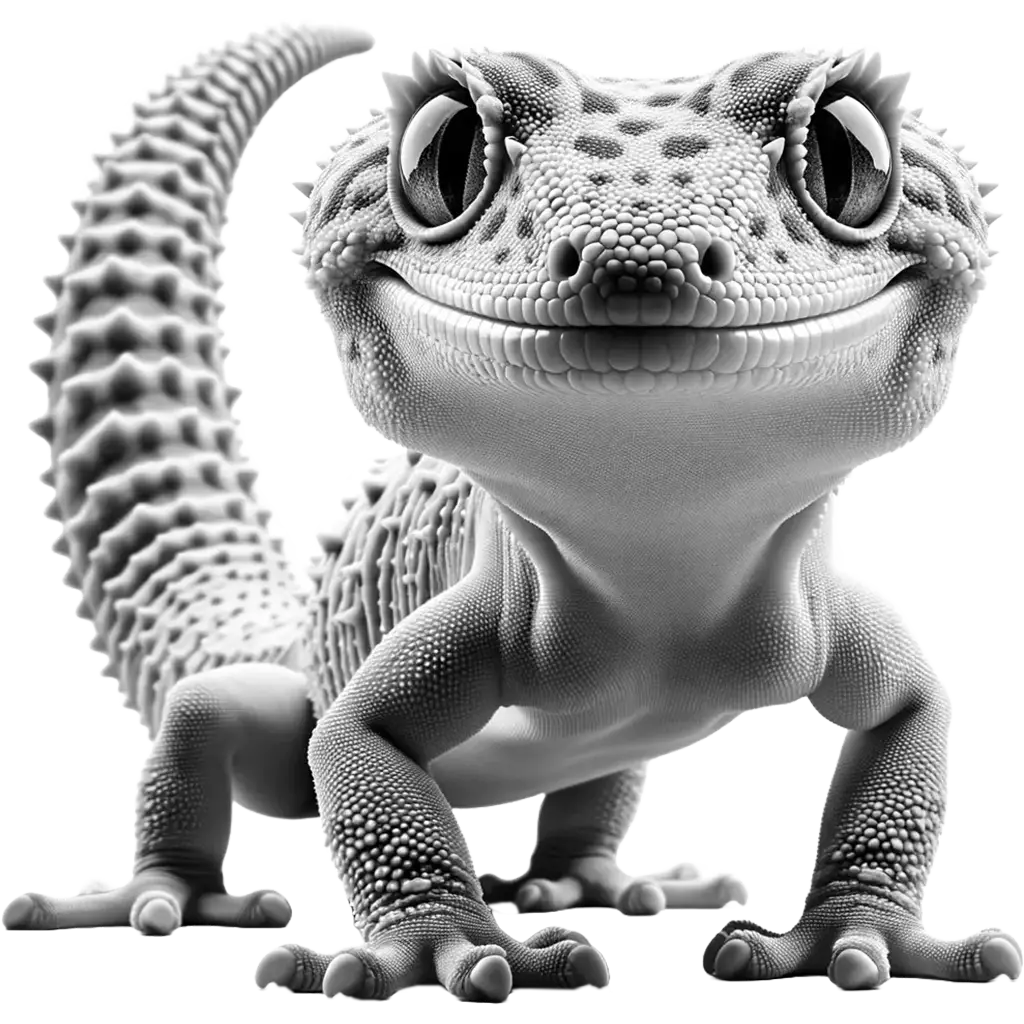
The Northern Spiny-Tailed Gecko, strophurus ciliaris, is a distinctive lizard known for its unique defense mechanism and striking appearance. Native to Australia, this species is characterized by a row of spiny scales along the sides of its tail and body, giving it its common name. Adults can reach lengths of
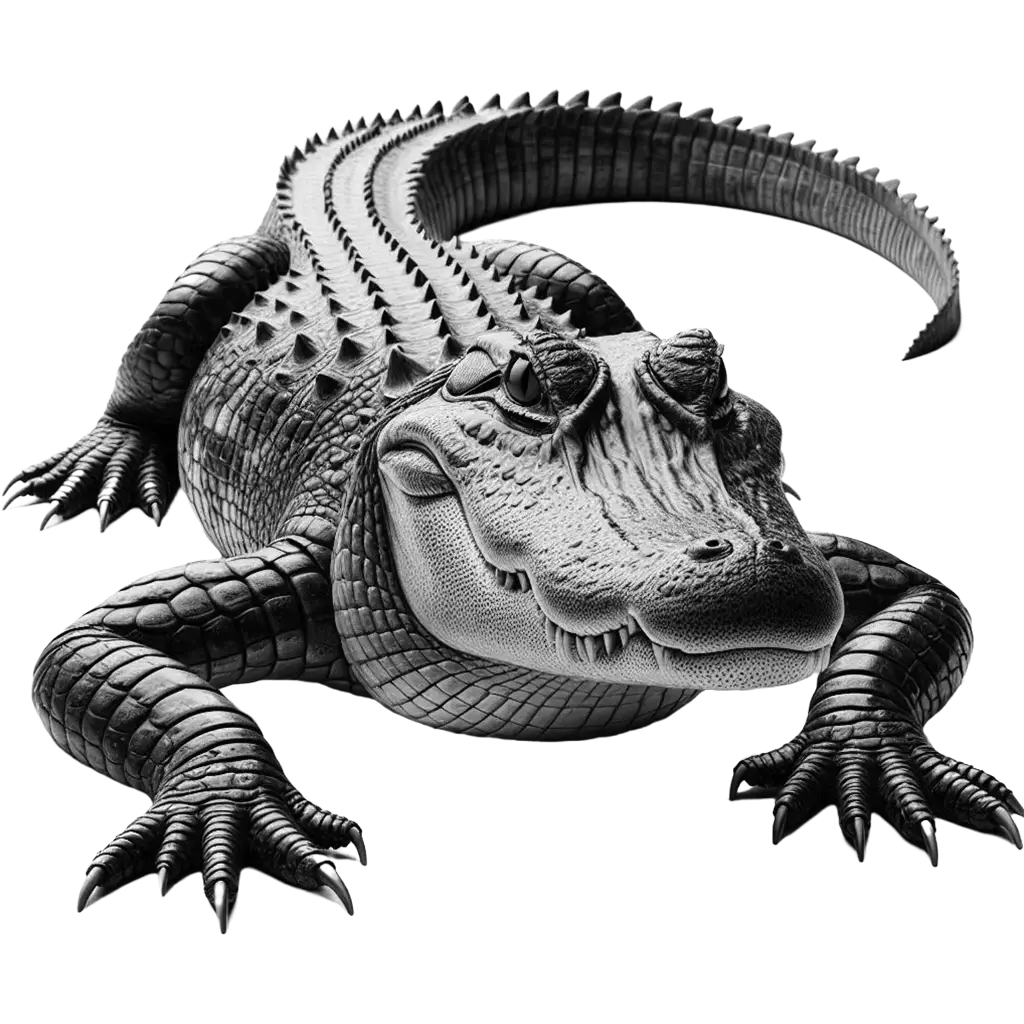
The American Alligator, Alligator mississippiensis, is a formidable reptile native to the southeastern United States, easily recognized by its armored body, strong tail, and powerful jaws. Adults typically measure between 3 to 4.6 meters in length, with males being larger than females. Their skin is a dark, olive-brown color with
The Greek Tortoise, testudo graeca, also known as the Spur-thighed Tortoise, is a species of tortoise native to North Africa, Southern Europe, and parts of Asia. This species is distinguished by its high-domed shell, which ranges in color from golden yellow to dark brown, often with distinctive black markings. Adult
The Eastern Coral Snake, micrurus fulvius, is a highly venomous snake native to the southeastern United States. Characterized by its distinctive color pattern of black, yellow, and red bands, this slender snake can reach lengths of up to 30 inches (76 cm), though most are smaller. The vivid bands serve