
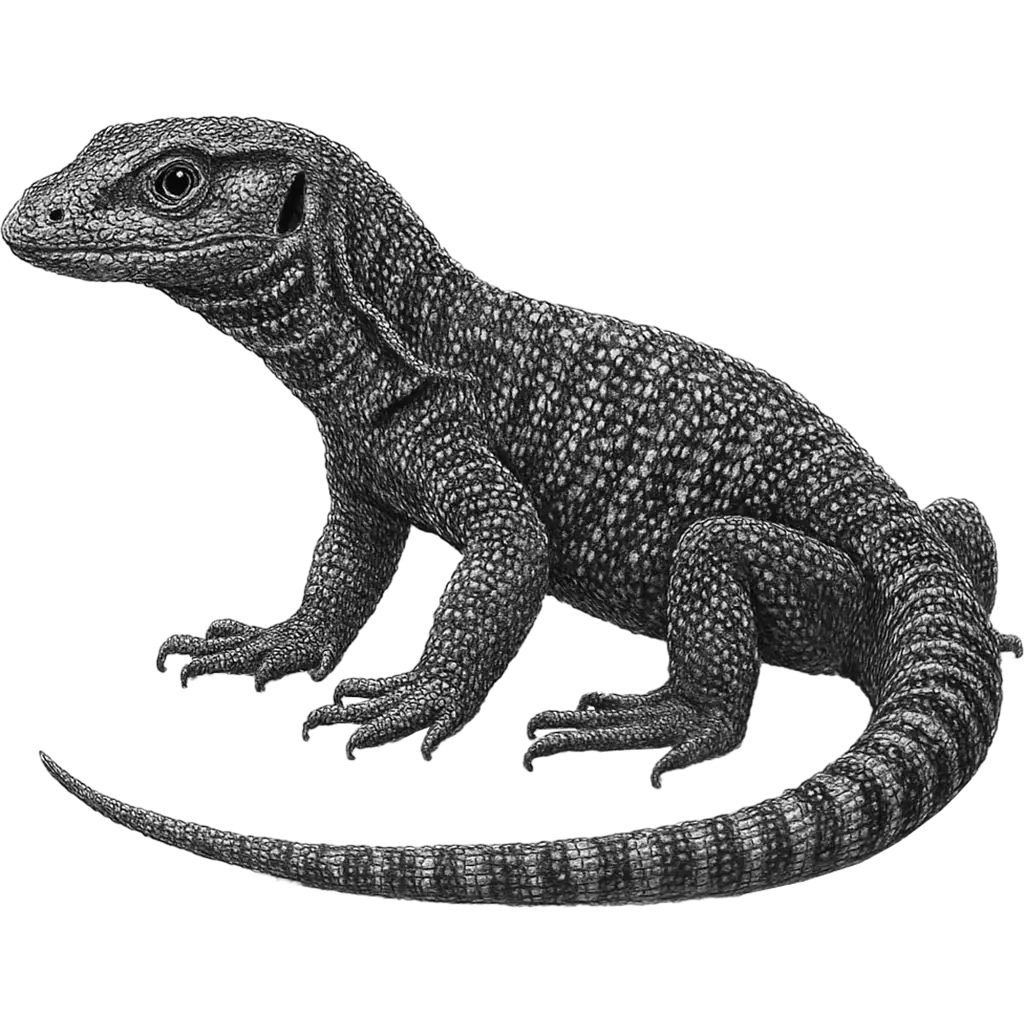
Varanus Timorensis
Timor Monitor
Tropical forests, savannas, and rocky woodlands
The Timor Monitor reaches up to 61 cm in total length, including a long prehensile tail that comprises two‑thirds of its body. Its dorsal coloration is dark greenish‑gray to black, adorned with bright yellow or pale blue spots that form irregular bands. The ventral surface is straw‑yellow. It has a pointed snout, small keen eyes, and long sharp claws on each toe, facilitating an arboreal lifestyle. Its slender neck and streamlined body aid swift movements among branches.
| Population: | Widespread on Timor and adjacent islets; likely stable, but habitat loss causes localized declines |
| Generation Length: | 4 years |
| Average Weight: | 100-350 g |
| Average Length: | Up to 61 cm |
| Lifespan: | 10-15 years in the wild, up to 20 years in captivity |
| Diet: | Invertebrates, small lizards, eggs and occasional small mammals captured by rapid strike |
| Conservation Status: | Least Concern (LC) |
As an arboreal and diurnal species, the Timor Monitor spends daylight hours actively exploring tree hollows, fallen logs, and rock crevices within tropical forests and savanna woodlands. It navigates branches with agility, using its prehensile tail and sharp claws to stabilize its movements. Solitary by nature except during breeding aggregations, it maintains small home ranges, marking territory with scent glands. When threatened, it may freeze or perform a defensive display by arching its back and hissing. Though primarily terrestrial in its foraging, these monitors are skilled climbers and occasionally take refuge high in canopy gaps. Their activity patterns are influenced by temperature and humidity, becoming most active during cooler morning and late afternoon periods. They exhibit strong site fidelity, returning to familiar refuges after foraging bouts.
Timor Monitors are predominantly insectivorous, feeding on a variety of invertebrates such as grasshoppers, beetles, spiders, and scorpions, supplemented by small lizards, eggs, and occasional small mammals. They use keen vision and tongue‑flicking to detect prey, then employ a rapid strike and powerful jaws to secure their meal. This feeding strategy conserves energy, as monitors ambush or forage actively with minimal pursuit. Seasonal fluctuations in prey abundance drive dietary shifts; during the wet season, insect populations surge, favoring invertebrate consumption, while drier months lead to increased predation on vertebrate prey and egg foraging. Nutritionally, the high protein content of animal prey supports muscle development and reproductive output. These monitors may consume up to five percent of their body weight daily, balancing hydration through prey moisture and occasional water sources.
Timor Monitors reach sexual maturity at around two years of age and engage in a breeding season from December to March. Males perform head bobbing and tail swishing displays to court females. After mating, females lay clutches of six to eleven eggs in termite mounds or hollow logs. Incubation lasts approximately three to four months, with hatchlings emerging fully independent and dispersing to establish individual home ranges.
Native to the islands of Timor, Rote, and nearby islets, the Timor Monitor inhabits a limited range but maintains stable populations in suitable forested and rocky habitats. Although their conservation status is Least Concern, localized threats include habitat loss from deforestation and capture for the pet trade. Monitoring population trends and protecting habitat fragments are essential for long‑term security of these distinctive dwarf monitor lizards across their restricted range.
Classifications
The Key Attributes
Features
- Movement:
Climbing and walking
- Territorial Behavior:
Solitary
- Speed:
Moderate
- Diet:
Carnivore
- Physical Features:
- Bright yellow or blue dorsal spots
- Prehensile tail
- Sharp curved claws
- Pointed snout
- Keen eyes
- Primary Senses:
- Sight
- Smell
- Hearing
Understanding Habitat and Range
Geography
- Habitat:
Tropical forests, savannas, and rocky woodlands
- Migration Patterns:
Non-migratory
- Geographical Range:
Island of Timor and adjacent islets
- Climate Preferences:
Tropical climates
Navigating the Wilderness
In the wild
- Predators:
Large birds of prey, larger monitors, humans
- Prey:
Invertebrates, small lizards, eggs, occasional small mammals
- Feeding Behavior:
Diurnal forager in trees and on ground
- Diet:
Invertebrates, small lizards, eggs and occasional small mammals captured by rapid strike
- Defensive Mechanisms:
- Camouflage
- Hissing
- Quick retreat into crevices
- Preferred Food Sources:
- Grasshoppers
- Beetles
- Spiders
- Small lizards
- Eggs
Insights Into Reproduction
Mating
- Mating System:
Polygynous
- Number of Offspring:
6-11 eggs per clutch
- Incubation Period:
90-120 days
- Parental Involvement:
- No parental care after egg-laying
Youngsters Section
Timor Monitor
Fun Fact
The Timor Monitor is one of the smallest monitor lizards, often only reaching around 60 cm in length.
Despite its diminutive size, it uses its prehensile tail to stabilize on slender branches, and its long tongue and keen eyes allow it to detect hidden prey in crevices. It can consume up to five percent of its body weight daily, balancing energy for growth and reproduction.

Download word search puzzles
Word Search Puzzles


Check Out Other Reptiles
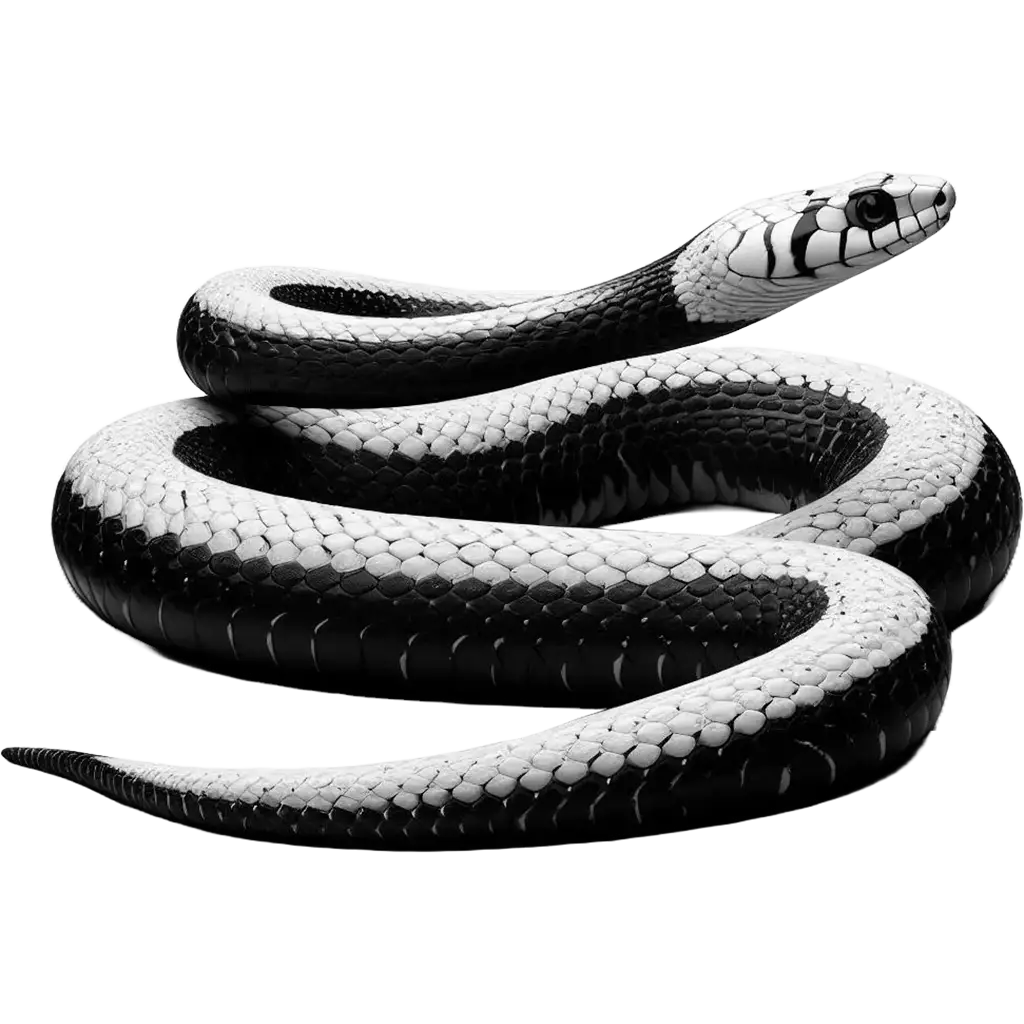
The Eastern Coral Snake, micrurus fulvius, is a highly venomous snake native to the southeastern United States. Characterized by its distinctive color pattern of black, yellow, and red bands, this slender snake can reach lengths of up to 30 inches (76 cm), though most are smaller. The vivid bands serve

The Giant Horned Lizard, phrynosoma asio, is a remarkable reptile known for its distinctive appearance, featuring an array of sharp horns that adorn its head and sides, providing an effective deterrent against predators. This species is the largest of the horned lizards, with adults reaching lengths of up to 15
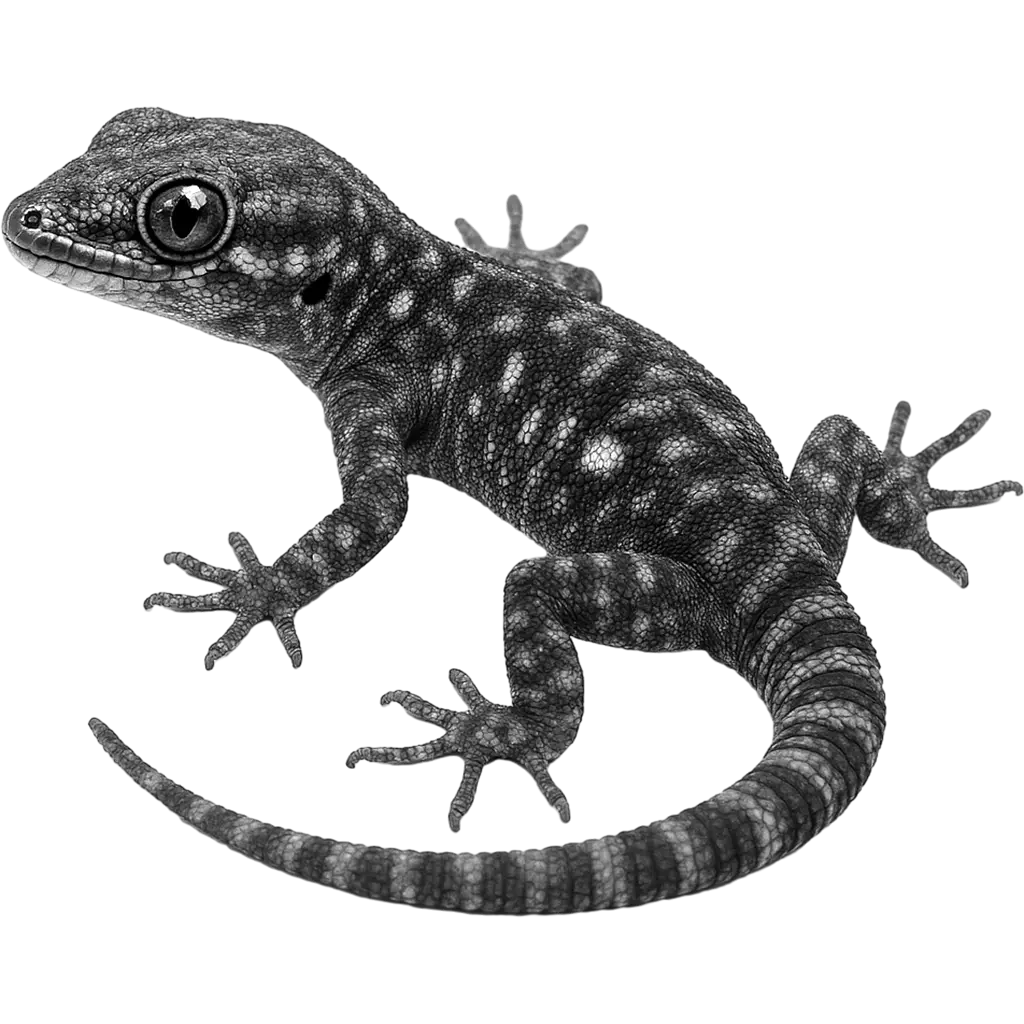
The Eyespot Gecko displays a compact, sturdy body with smooth, textured skin that shows a vibrant pattern of contrasting colors. Its most striking feature is the prominent eyespots on its dorsal surface, which appear almost like painted circles and enhance its distinctive look. The gecko's enlarged toe pads enable agile

The Jewelled Chameleon, furcifer campani, is a striking species of chameleon endemic to the central highlands of Madagascar, particularly known for its vibrant colors and ornate appearance. Adults can grow to a length of approximately 20 to 23 centimeters, including the tail. This species exhibits a remarkable array of colors,