

Terrapene Carolina Carolina
Eastern Box Turtle
Forested areas, meadows, and near bodies of water within its range
The Eastern Box Turtle, terrapene carolina carolina, is a subspecies of the common box turtle and is native to the eastern United States. This small, land-dwelling turtle is known for its highly domed carapace, which can range in color from brown to black, often adorned with bright yellow, orange, or red markings. The Eastern Box Turtle's plastron (the lower part of the shell) is hinged, allowing the turtle to completely close its shell to protect itself from predators. Adults typically measure between 4.5 to 6 inches (11.4 to 15.2 cm) in length, making them a manageable size for the habitats they occupy.
| Population: | Decreasing, considered Near Threatened due to habitat destruction and fragmentation |
| Generation Length: | 20-30 years |
| Average Weight: | Approximately 500 grams |
| Average Length: | 12-15 cm |
| Lifespan: | Up to 100 years, but typically 40-50 years in the wild |
| Diet: | Varied; includes both plant and animal material |
| Conservation Status: | Vulnerable (VU) |
Eastern Box Turtles prefer deciduous forests, meadowlands, and marshy areas, where they can find abundant food and places to hide. They are omnivores, feeding on a wide variety of plant and animal matter, including fruits, mushrooms, insects, worms, and even carrion. Their varied diet plays a significant role in their ecosystem, contributing to the control of insect populations and the dispersal of plant seeds.
These turtles are known for their longevity, with some individuals living more than 100 years in the wild. Their slow rate of reproduction, however, makes their populations vulnerable to rapid declines. Females lay a small clutch of eggs, typically 3 to 6, once a year in a nest dug into the soil. The sex of the hatchlings is determined by the incubation temperature of the eggs, a characteristic common to many reptiles.
The Eastern Box Turtle has experienced declines in population due to habitat loss, road mortality, and collection for the pet trade. They are currently considered Vulnerable by the IUCN Red List, with specific populations under significant threat. Conservation efforts include habitat preservation, road-crossing signs in high-traffic areas, and regulations on the collection of wild individuals.
The Eastern Box Turtle's distinctive appearance and behavior have made it a beloved species among naturalists and wildlife enthusiasts. Educational programs and citizen science projects often include this turtle, highlighting its importance in local ecosystems and the need for conservation efforts to ensure its survival.
Classifications
The Key Attributes
Features
- Movement:
Quadrupedal, terrestrial
- Territorial Behavior:
Solitary, with a home range it rarely leaves
- Speed:
Slow-moving
- Diet:
Omnivore
- Physical Features:
- Highly domed shell that can be brown, olive, or black with variable yellow or orange markings
- Hinged plastron that allows it to close its shell tightly
- Stout, short legs
- Primary Senses:
- Sight
- Smell
- Hearing
Understanding Habitat and Range
Geography
- Habitat:
Forested areas, meadows, and near bodies of water within its range
- Migration Patterns:
Non-migratory, but may undertake small movements within its home range
- Geographical Range:
Eastern United States, from Maine to Georgia and west to Michigan and Tennessee
- Climate Preferences:
Temperate, with a preference for moist environments
Navigating the Wilderness
In the wild
- Predators:
Raccoons, foxes, skunks, birds of prey, and snakes
- Prey:
Worms, insects, berries, and fungi
- Feeding Behavior:
Feeds on a wide range of food including fruits, vegetables, fungi, worms, insects, and carrion
- Diet:
Varied; includes both plant and animal material
- Defensive Mechanisms:
- Ability to completely enclose itself within its shell
- Camouflage
- Preferred Food Sources:
- Berries
- Mushrooms
- Insects
- Worms
Insights Into Reproduction
Mating
- Mating System:
Polygynandrous
- Number of Offspring:
3-8 eggs
- Incubation Period:
About 3 months
- Parental Involvement:
- Females lay eggs in a nest but provide no further care after laying
Youngsters Section
Eastern Box Turtle
Fun Fact
Eastern Box Turtles can completely close their shells, providing a unique defense mechanism against predators.
Their plastron is hinged, allowing them to retract their head, limbs, and tail fully inside. This adaptation makes them less vulnerable. They are often found in moist forested areas and are known for their longevity, living up to 100 years in the wild.

Download word search puzzles
Word Search Puzzles


Check Out Other Reptiles
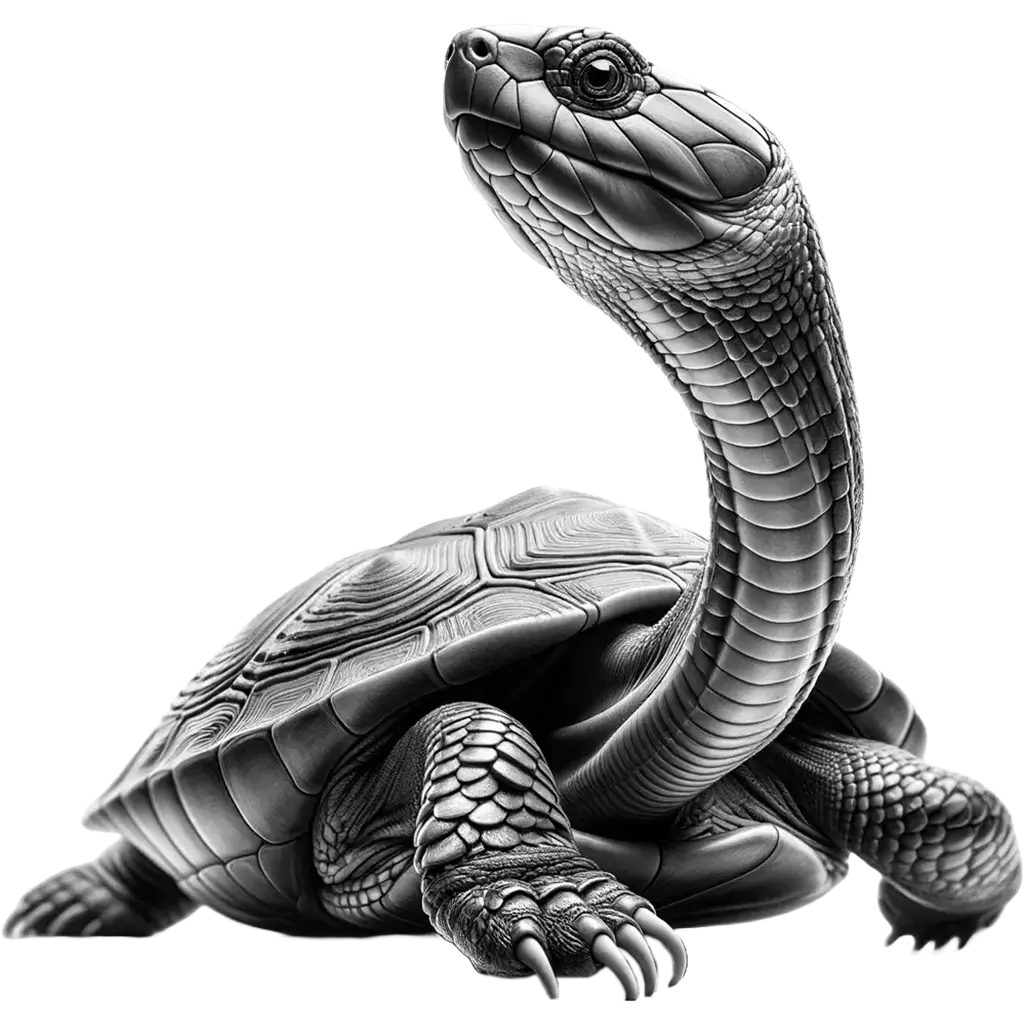
The Eastern Long-Necked Turtle, chelodina longicollis, is a distinctive species of freshwater turtle native to eastern Australia. Known for its remarkably long neck, which is almost as long as its shell, this turtle can reach a shell length of about 25 cm in adults. The shell is typically dark brown
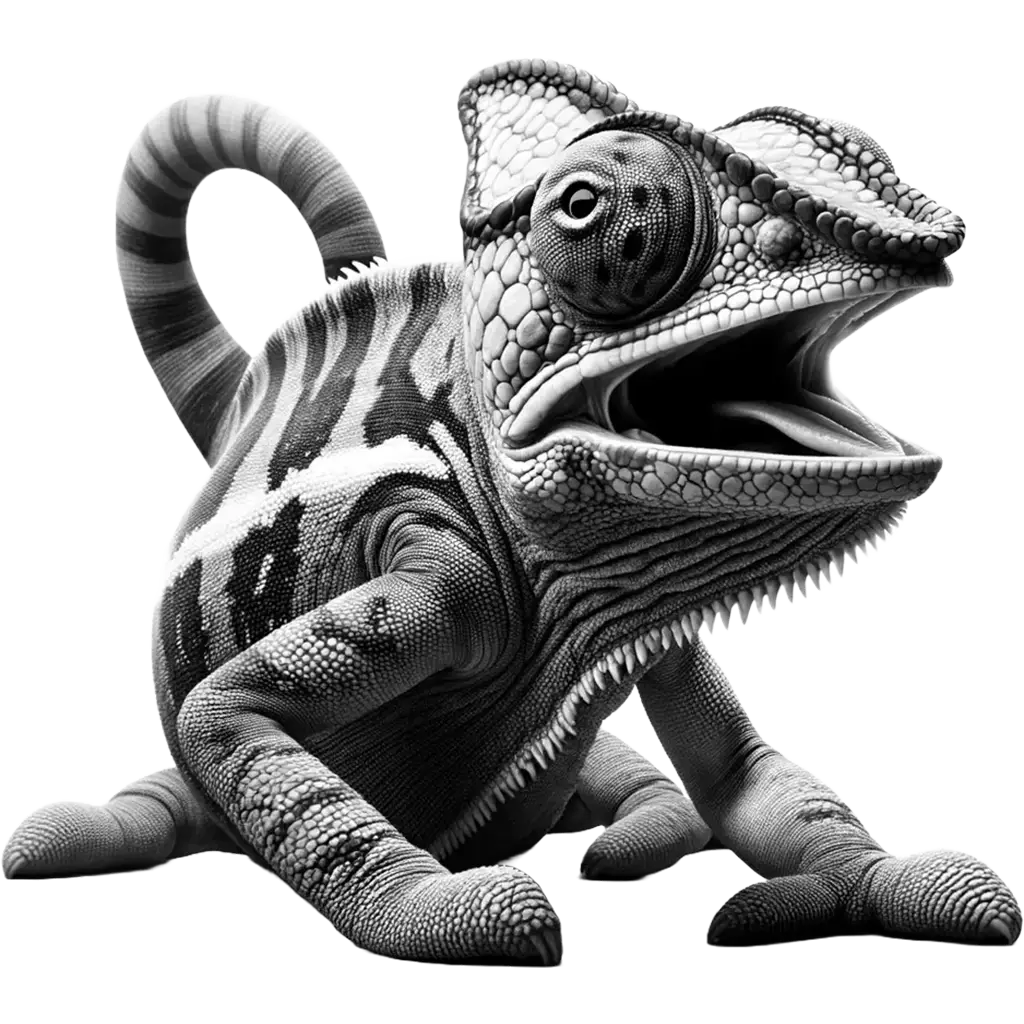
The Jewelled Chameleon, furcifer campani, is a striking species of chameleon endemic to the central highlands of Madagascar, particularly known for its vibrant colors and ornate appearance. Adults can grow to a length of approximately 20 to 23 centimeters, including the tail. This species exhibits a remarkable array of colors,
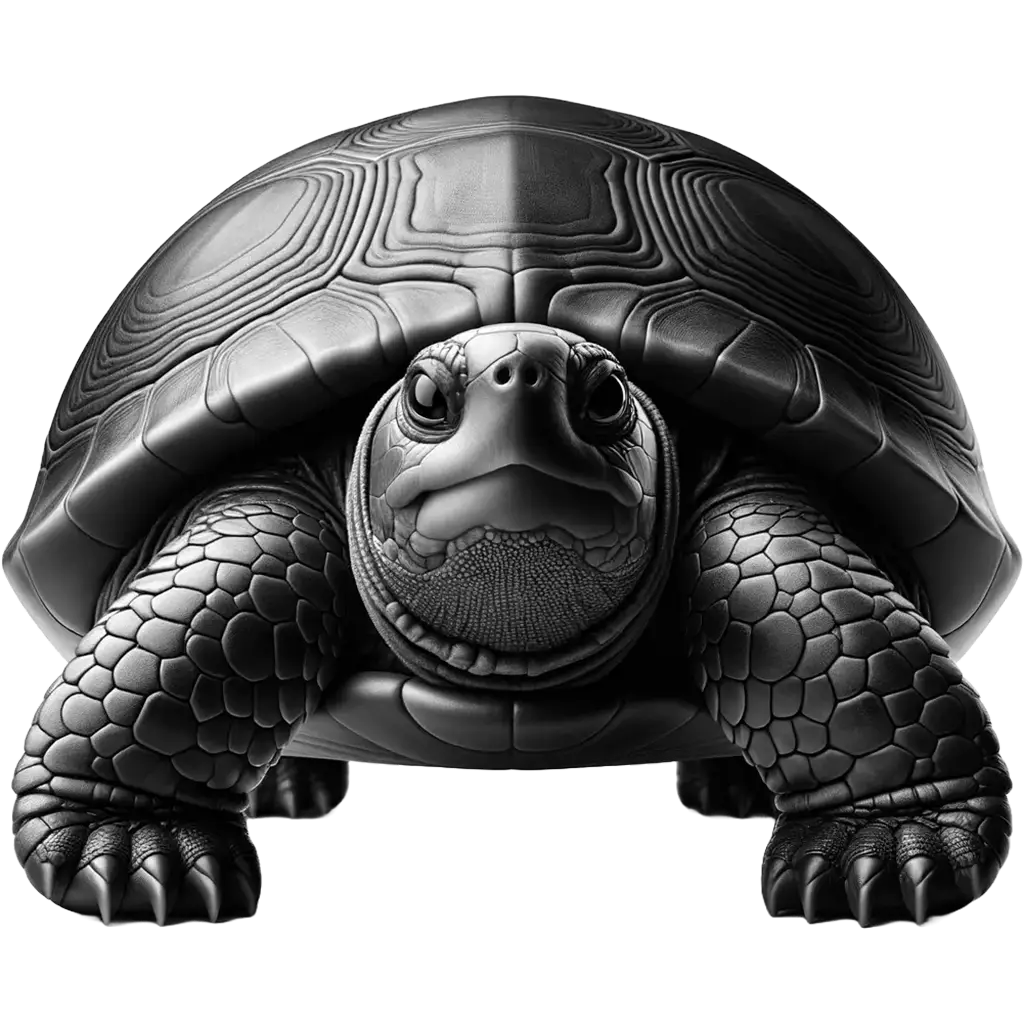
The Diamondback Terrapin, malaclemys terrapin, is a distinctive species of turtle known for its uniquely patterned shell, which resembles the diamond-shaped markings of a terrapin's back. Adults can vary significantly in size depending on their sex and subspecies, generally measuring between 12 to 20 cm in shell length, with females
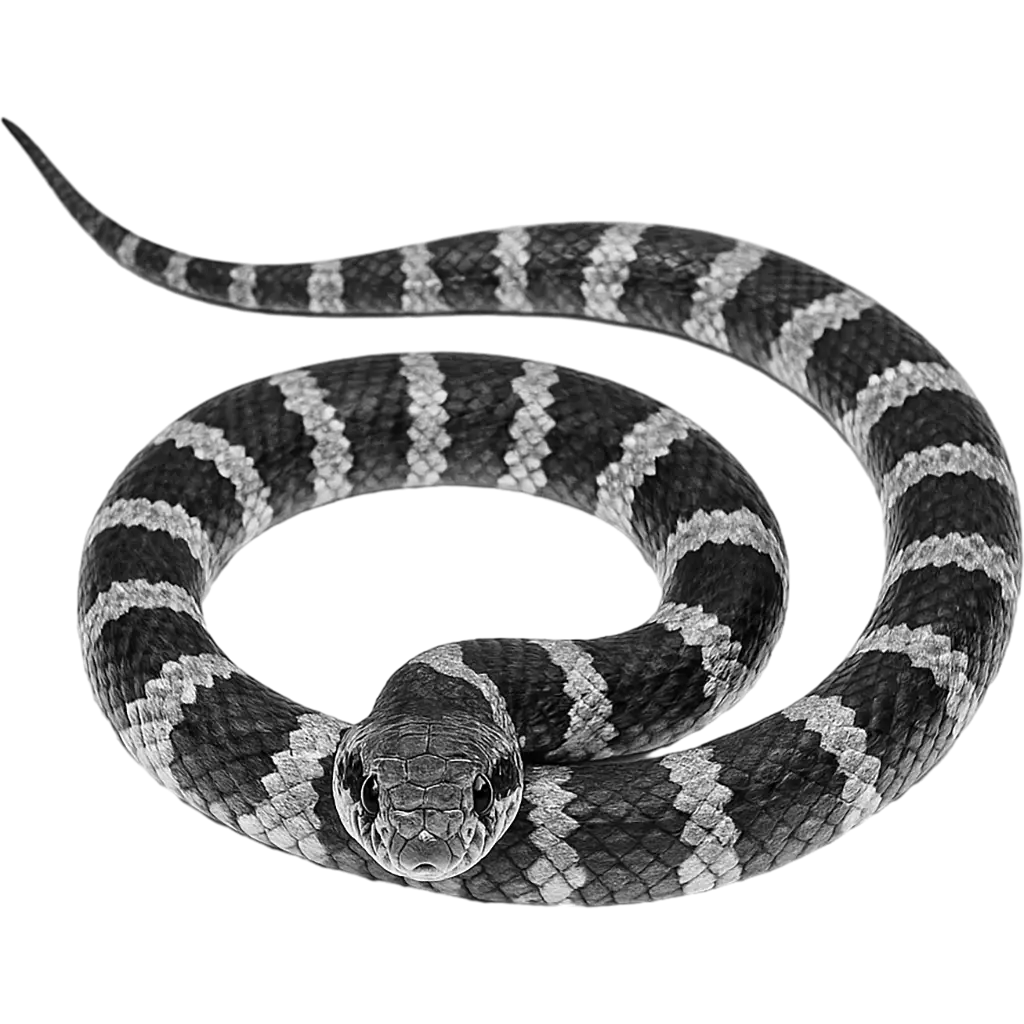
The Eastern Milk Snake boasts a sleek, elongated body adorned with bold, contrasting bands of red, black, and cream. Its smooth, glossy scales reflect light as it glides effortlessly over varied terrains, and its triangular head merges seamlessly with a slender, sinuous form. The natural banding not only adds striking