
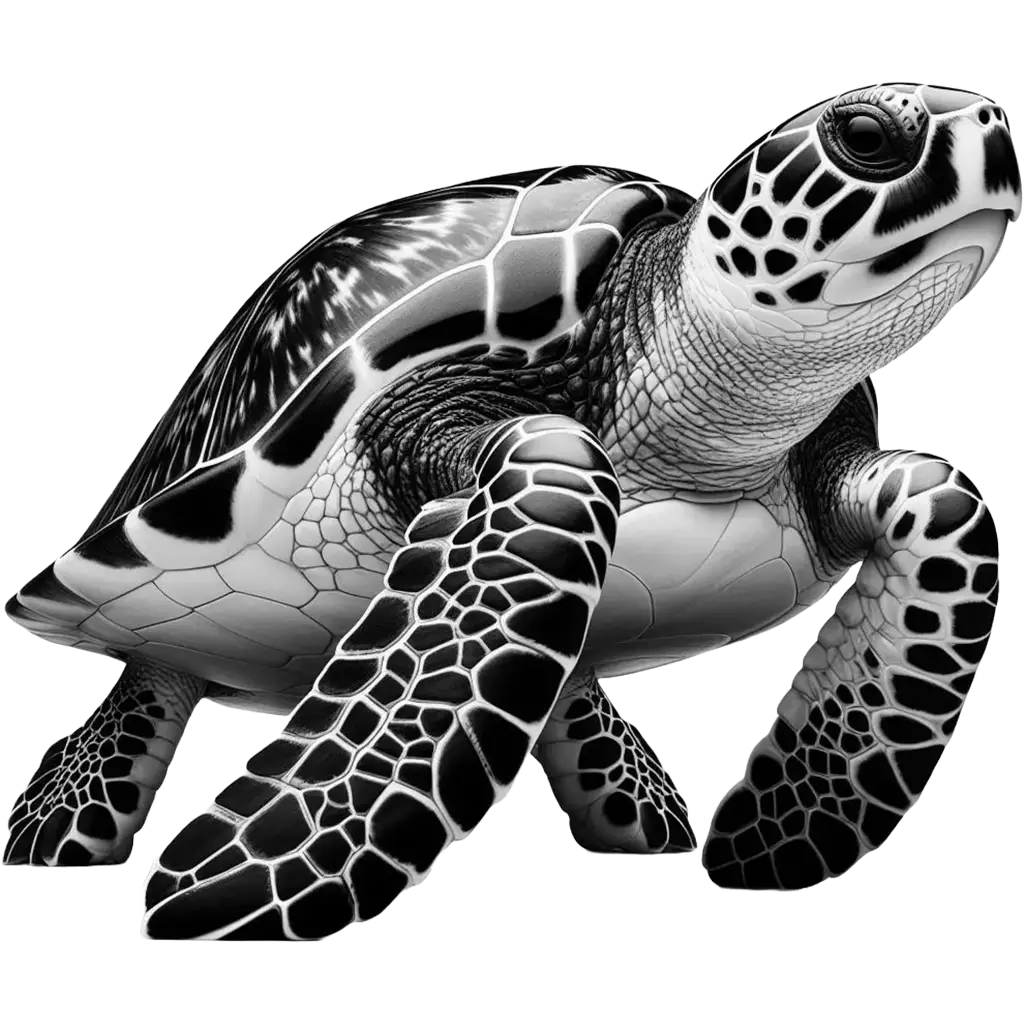
Eretmochelys Imbricata
Hawksbill Sea Turtle
Tropical and subtropical oceans worldwide, primarily in coral reefs
The Hawksbill Sea Turtle, eretmochelys imbricata, is a critically endangered marine turtle known for its distinctive hawk-like beak and beautifully patterned shell of overlapping scales, or scutes, which are sought after for their use in decorative arts, leading to the species' decline. Adults typically measure about 90 centimeters (35 inches) in length and weigh around 45 to 68 kilograms (99 to 150 pounds), although larger specimens have been recorded. The shell features an intricate pattern of rich browns, oranges, and yellows, contributing to its common name.
| Population: | Classified as Critically Endangered, with declining populations |
| Generation Length: | 30 years |
| Average Weight: | 45-68 kg |
| Average Length: | 70-90 cm |
| Lifespan: | 30-50 years in the wild |
| Diet: | Mainly sponges, supplemented with other marine invertebrates |
| Conservation Status: | Critically Endangered (CR) |
Hawksbill Sea Turtles are found in tropical and subtropical regions of the Atlantic, Pacific, and Indian Oceans, favoring coral reefs, rocky areas, lagoons, oceanic islands, and shallow coastal zones. These habitats provide abundant sponges, which constitute the majority of their diet, alongside other invertebrates.
The diet of the Hawksbill is unique among sea turtles, as they primarily feed on sponges, helping control sponge populations on coral reefs and maintaining reef health. They also consume jellyfish, sea anemones, and other marine invertebrates. Their specialized beak allows them to extract food from crevices in coral reefs.
Reproduction involves complex migratory patterns and beach selection for nesting. Females return to their natal beaches to lay eggs every two to three years, burying clutches of 100 to 140 eggs in the sand, which incubate for about two months before the hatchlings emerge and make their perilous journey to the sea.
The Hawksbill Sea Turtle is classified as Critically Endangered by the IUCN Red List, facing threats from habitat loss, climate change, incidental capture in fishing gear, and the illegal trade of their shells. Conservation efforts include international agreements like CITES to halt the trade of hawksbill products, protected areas to safeguard nesting beaches and feeding grounds, and initiatives to reduce bycatch. These measures are crucial for the survival of the species, highlighting the need for continued global cooperation and local conservation actions to protect these ancient mariners and their habitats. The preservation of the Hawksbill Sea Turtle is not only vital for maintaining biodiversity but also for the health of coral reef ecosystems, where they play an integral role.
Classifications
The Key Attributes
Features
- Movement:
Swimming
- Territorial Behavior:
Solitary, except during mating and nesting
- Speed:
Not specifically quantified; efficient swimmers over long distances
- Diet:
Omnivore, with a preference for sponges
- Physical Features:
- Distinctive hawk-like beak
- Oval or heart-shaped carapace with overlapping scutes
- Flippers for swimming
- Colorful shell with patterns of brown, orange, yellow, and sometimes green
- Primary Senses:
- Sight
- Smell
- Tactile
Understanding Habitat and Range
Geography
- Habitat:
Tropical and subtropical oceans worldwide, primarily in coral reefs
- Migration Patterns:
Migratory, with long-distance travels between feeding sites and nesting beaches
- Geographical Range:
Found in the Atlantic, Pacific, and Indian Oceans
- Climate Preferences:
Prefers warm ocean waters
Navigating the Wilderness
In the wild
- Predators:
Sharks are natural predators; eggs and hatchlings are vulnerable to birds, crabs, and other predators
- Prey:
Sponges, sea anemones, jellyfish
- Feeding Behavior:
Primarily feeds on sponges, but also eats sea anemones and jellyfish
- Diet:
Mainly sponges, supplemented with other marine invertebrates
- Defensive Mechanisms:
- Hard shell provides some protection
- Swimming away or hiding in reefs to escape predators
- Preferred Food Sources:
- Sponges
Insights Into Reproduction
Mating
- Mating System:
Polygynous
- Number of Offspring:
100-140 eggs per nest, with multiple nests per season
- Incubation Period:
About 60 days
- Parental Involvement:
- No parental care after laying eggs; hatchlings must survive on their own
Youngsters Section
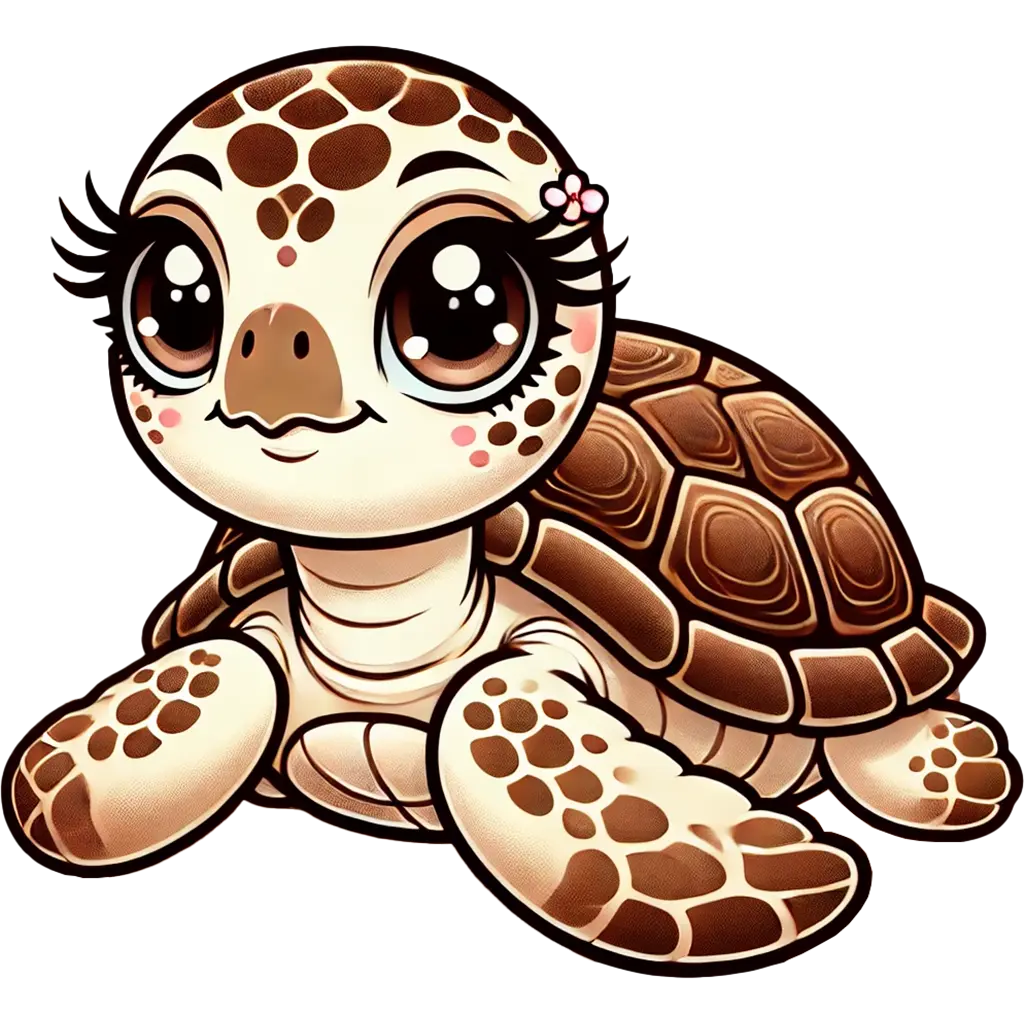
Hawksbill Sea Turtle
Fun Fact
Hawksbill sea turtles are known for their beautiful shells, which feature colorful overlapping scales.
These turtles play a crucial role in maintaining healthy coral reefs by consuming sponges, which allows other marine life to thrive. Their beak-like mouths are perfectly adapted to reach into crevices and extract their prey. Despite their importance, hawksbills are critically endangered due to habitat loss and illegal poaching for their shells.

Download word search puzzles
Word Search Puzzles

Check Out Other Reptiles
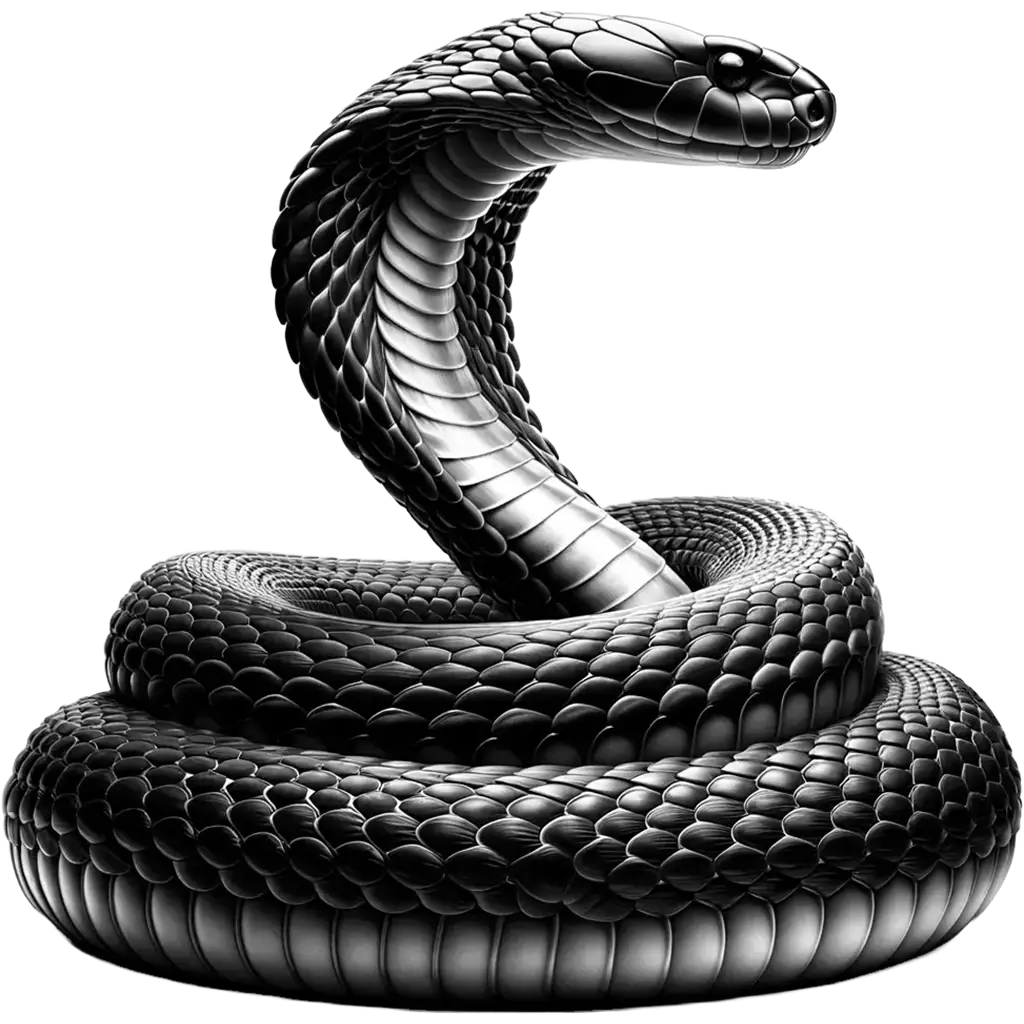
The Egyptian Cobra, naja haje, is a highly venomous snake native to Africa, renowned for its imposing size and potent venom. Adults can reach lengths of up to 2 meters, making it one of the largest cobra species. The Egyptian Cobra has a broad and rounded head, distinct from its
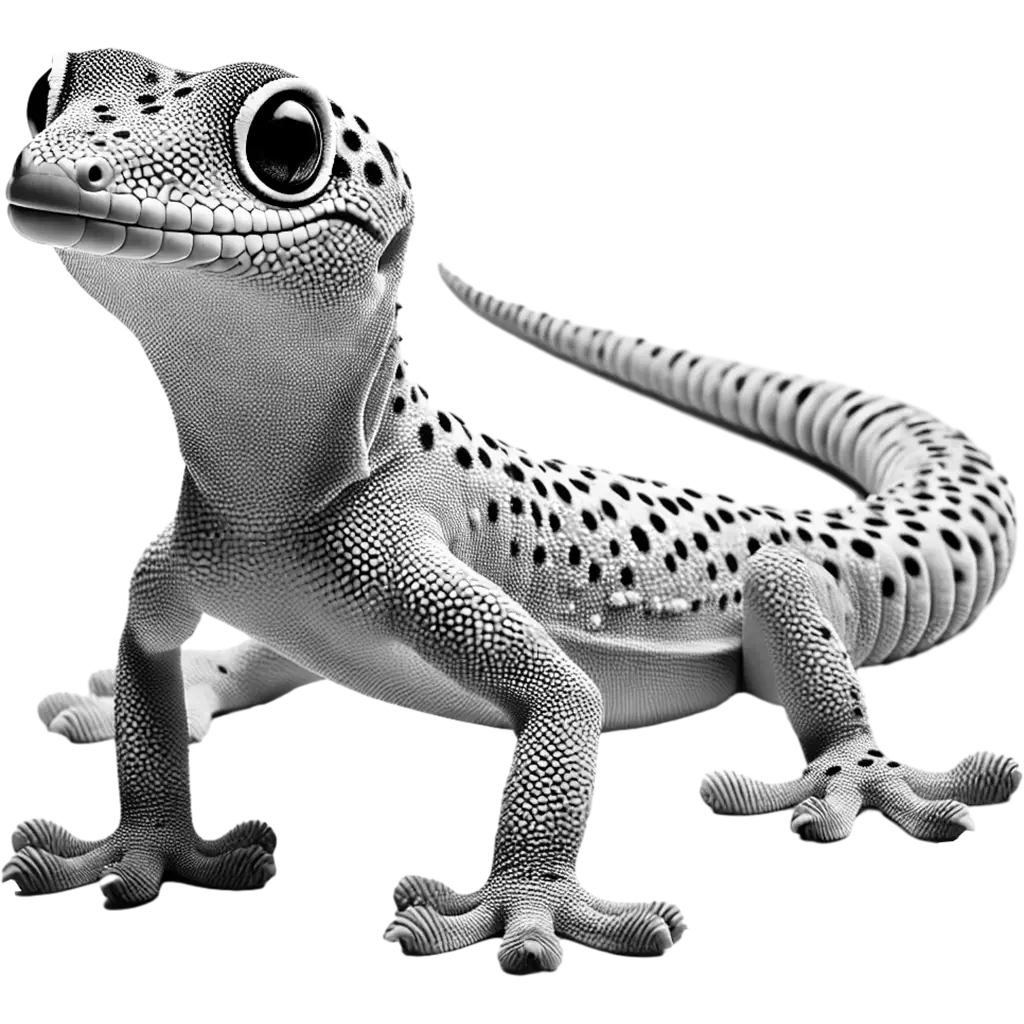
The Brilliant South American Gecko is a small, striking reptile characterized by its vibrant, iridescent scales that shimmer in hues of blue, green, and orange. Its slender, elongated body and flat head, accentuated by large, expressive eyes, create a captivating mosaic of colors that distinguishes it from other geckos. The
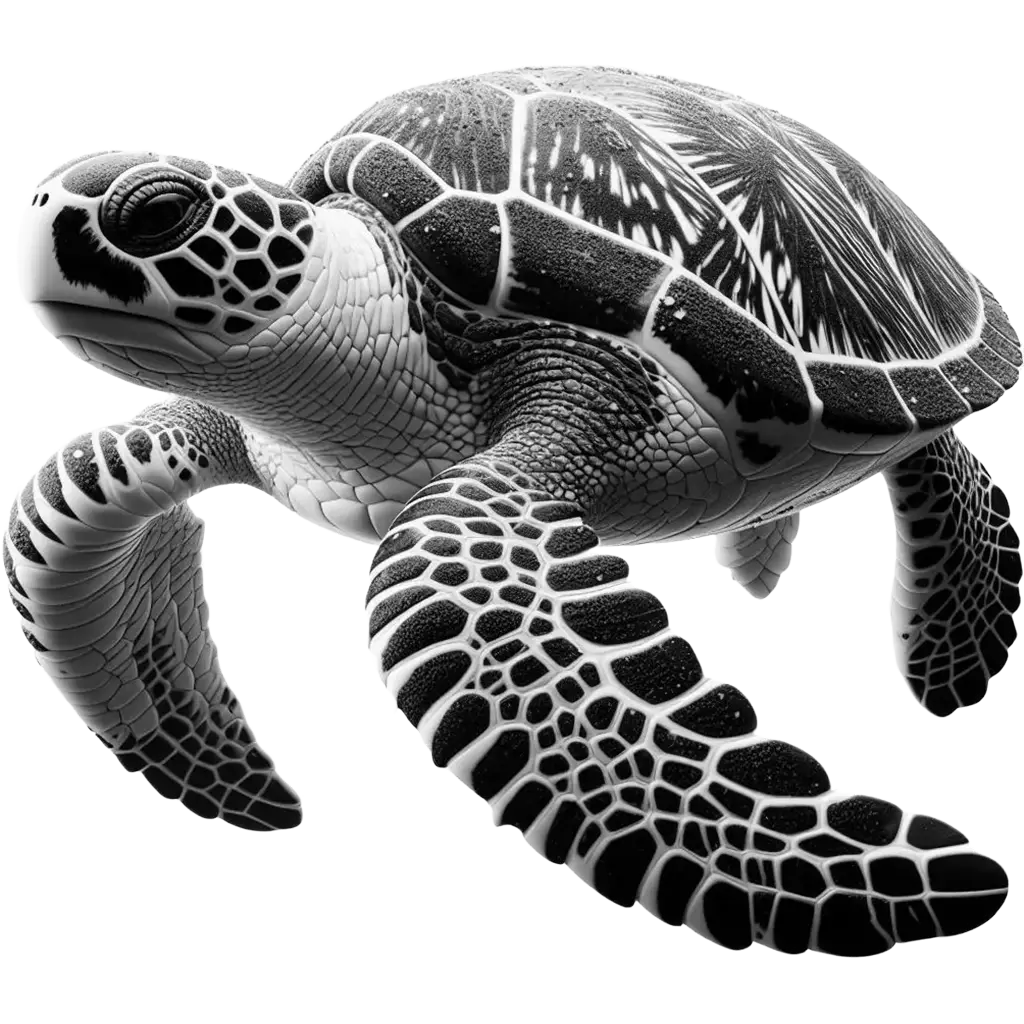
The Leatherback Sea Turtle, dermochelys coriacea, stands out as the largest of all living turtles and is the only existing species in the genus Dermochelys. Unlike other sea turtles, the Leatherback lacks a hard, bony shell and instead boasts a flexible, rubbery skin overlaying bony plates, with distinctive longitudinal ridges
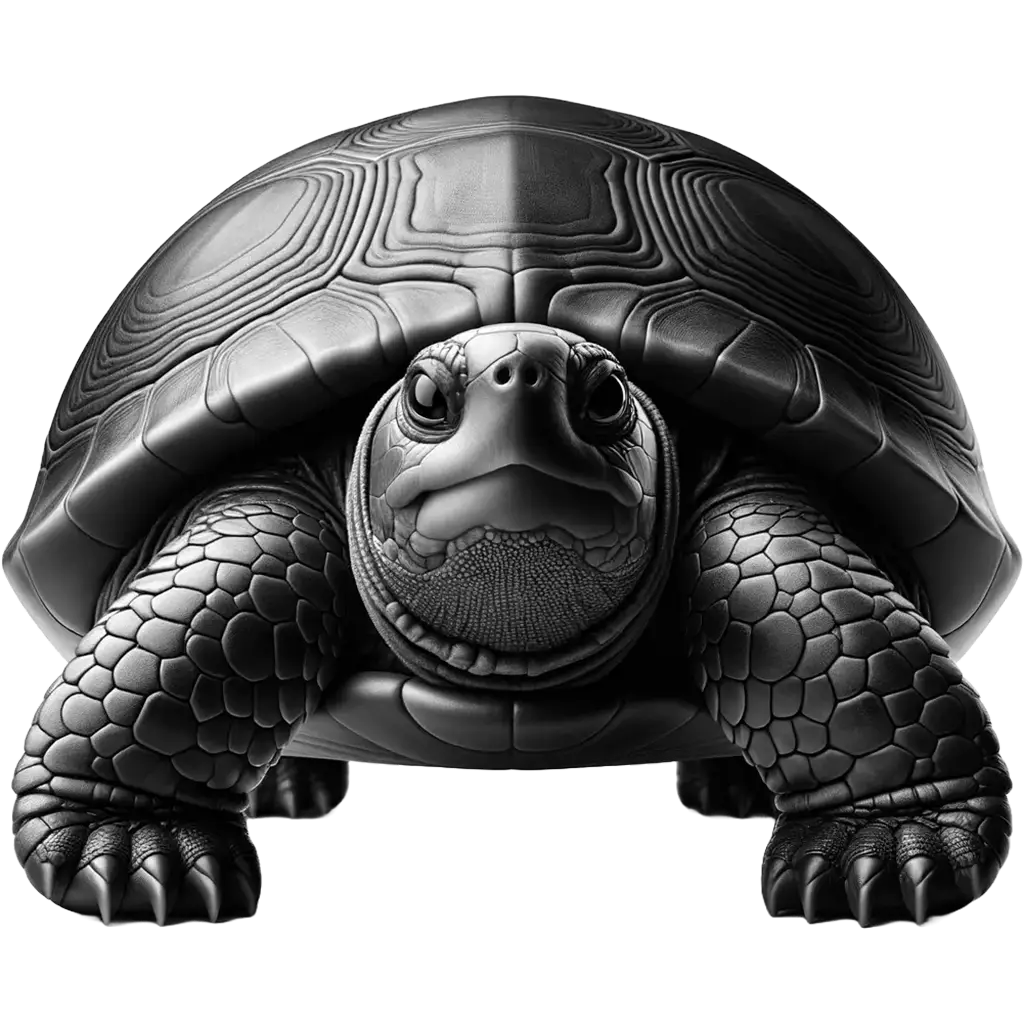
The Diamondback Terrapin, malaclemys terrapin, is a distinctive species of turtle known for its uniquely patterned shell, which resembles the diamond-shaped markings of a terrapin's back. Adults can vary significantly in size depending on their sex and subspecies, generally measuring between 12 to 20 cm in shell length, with females