
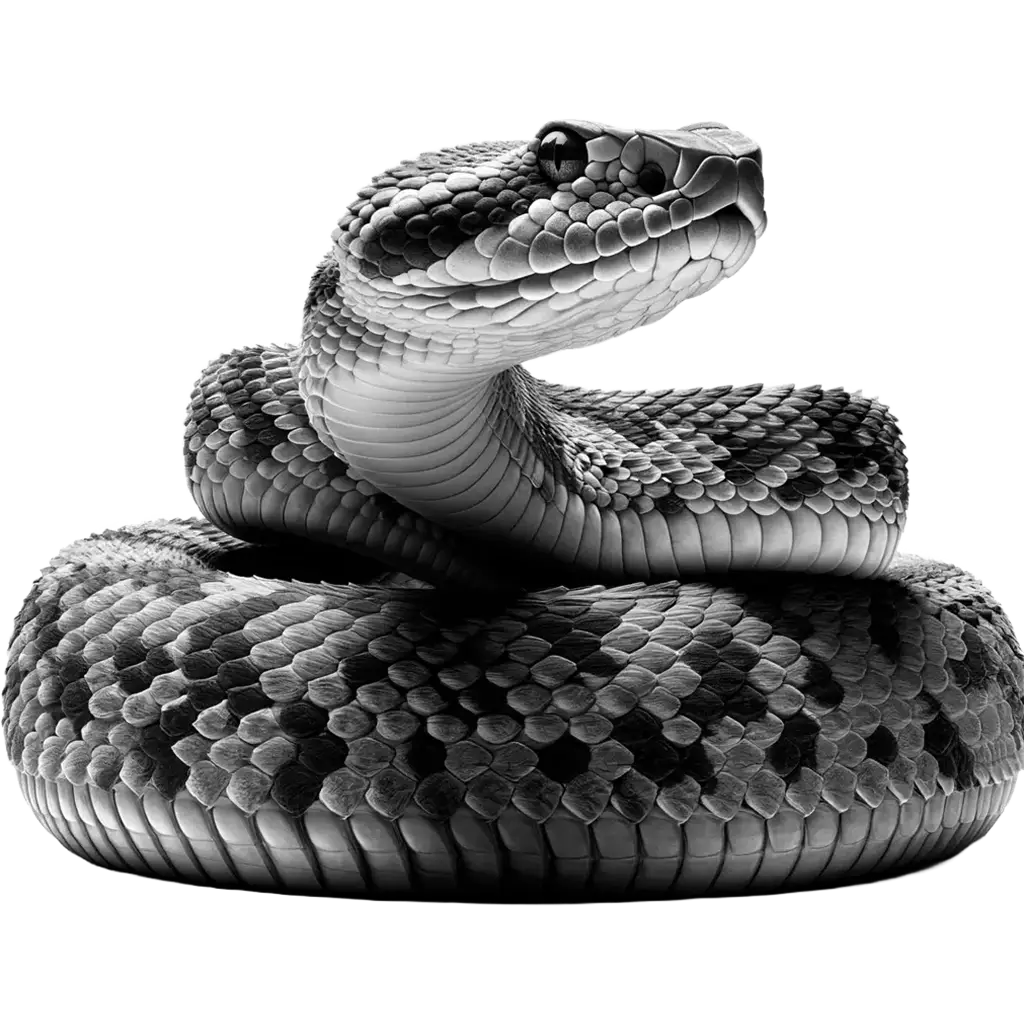
Crotalus Scutulatus
Mojave Rattlesnake
Desert and semi-arid regions with sparse vegetation
The Mojave Rattlesnake, crotalus scutulatus, often referred to as the 'Mojave Green' due to the greenish hue of its scales, is a highly venomous snake native to the desert regions of the southwestern United States and central Mexico. This rattlesnake is recognized by its distinctive diamond-shaped pattern along its back, set against a base color that can vary from shades of green to brown, aiding in its camouflage among desert and scrubland habitats. Adult Mojave Rattlesnakes typically measure between 90 to 120 cm (3 to 4 feet) in length, featuring a robust body, a triangular head, and the characteristic rattle at the end of their tail, used as a warning signal to potential threats.
| Population: | Not specifically quantified but considered to be stable; not currently listed as endangered |
| Generation Length: | 5-10 years |
| Average Weight: | 0.8-1.5 kg |
| Average Length: | 90-120 cm |
| Lifespan: | 10-20 years in the wild |
| Diet: | Venomous predator feeding primarily on small vertebrates |
| Conservation Status: | Least Concern (LC) |
Inhabiting arid desert regions, rocky outcrops, and scrublands, the Mojave Rattlesnake is well-adapted to survive in extreme conditions with minimal water. They exhibit nocturnal or crepuscular behavior during the hotter months, becoming more active during the day in cooler seasons. These snakes play a critical role in their ecosystems as both predators and prey, contributing to the balance of their environments.
The diet of the Mojave Rattlesnake primarily consists of small mammals, birds, and lizards, which they immobilize with a potent neurotoxic and hemotoxic venom, considered one of the most toxic of any North American rattlesnake. This dual-action venom is highly effective at subduing prey quickly, minimizing the snake's risk of injury during hunts.
Reproduction in Mojave Rattlesnakes occurs biennially, with females giving birth to live young in late summer or early fall. Litters can range from 2 to 17 offspring, which are born fully equipped with venom and fangs, capable of fending for themselves shortly after birth.
The population of the Mojave Rattlesnake is considered stable, though it faces threats from habitat destruction and human encroachment. Misidentification with other rattlesnake species often leads to unnecessary killing. Conservation efforts focus on habitat preservation and public education to reduce conflicts and ensure the survival of this species. Their presence is vital for maintaining the ecological balance, controlling rodent populations, and contributing to the biodiversity of their habitats.
Classifications
The Key Attributes
Features
- Movement:
Slithering
- Territorial Behavior:
Solitary and territorial
- Speed:
Not specifically quantified; capable of quick strikes
- Diet:
Carnivore
- Physical Features:
- Diamond-shaped pattern along the back
- Heavy-bodied with a triangular head
- Distinctive rattle on the tail used as a warning signal
- Heat-sensing pits between the eyes and nostrils for detecting warm-blooded prey
- Primary Senses:
- Sight
- Heat sensing
- Vibration detection
Understanding Habitat and Range
Geography
- Habitat:
Desert and semi-arid regions with sparse vegetation
- Migration Patterns:
Non-migratory, but may have seasonal movements within their range
- Geographical Range:
Southwestern United States and central Mexico
- Climate Preferences:
Prefers hot, dry environments
Navigating the Wilderness
In the wild
- Predators:
Birds of prey, other snakes, and mammals
- Prey:
Rodents, small birds, lizards
- Feeding Behavior:
Ambush predator, using its venom to immobilize and digest prey such as small mammals, birds, and lizards
- Diet:
Venomous predator feeding primarily on small vertebrates
- Defensive Mechanisms:
- Venomous bite as both a hunting tool and a defense mechanism
- Rattling sound to warn potential threats of its presence
- Preferred Food Sources:
- Areas with abundant rodent populations and suitable cover for ambushing prey
Insights Into Reproduction
Mating
- Mating System:
Polygynous
- Number of Offspring:
6-12 live young
- Gestation Period:
5-7 months
- Parental Involvement:
- No parental care after birth; neonates are self-sufficient
Youngsters Section
Mojave Rattlesnake
Fun Fact
The Mojave Rattlesnake is renowned for its potent venom, which is among the most toxic of any rattlesnake.
It has a distinctive rattle on its tail, used to warn potential threats. This species inhabits deserts and scrublands in the southwestern United States and Mexico. Despite their venom, they play a crucial role in controlling rodent populations, thus maintaining ecological balance.

Download word search puzzles
Word Search Puzzles
Check Out Other Reptiles
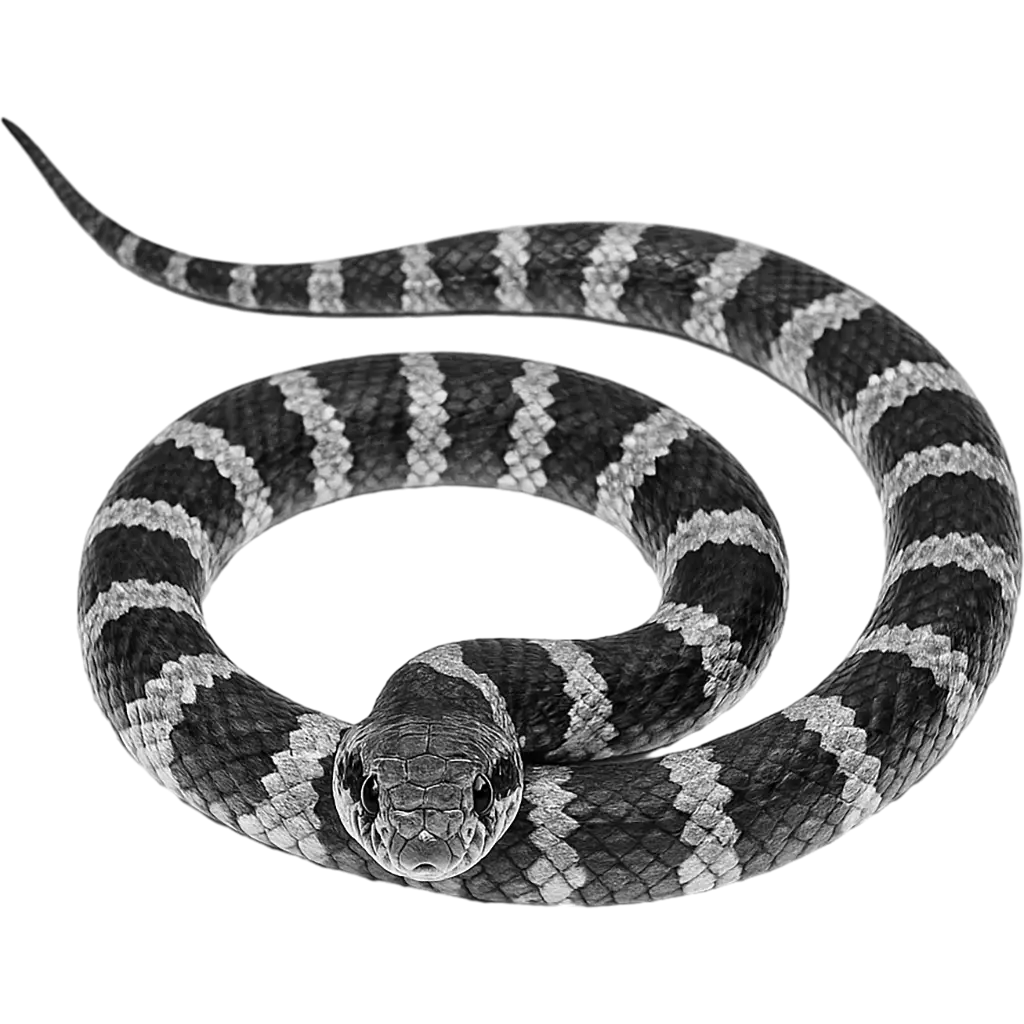
The Eastern Milk Snake boasts a sleek, elongated body adorned with bold, contrasting bands of red, black, and cream. Its smooth, glossy scales reflect light as it glides effortlessly over varied terrains, and its triangular head merges seamlessly with a slender, sinuous form. The natural banding not only adds striking
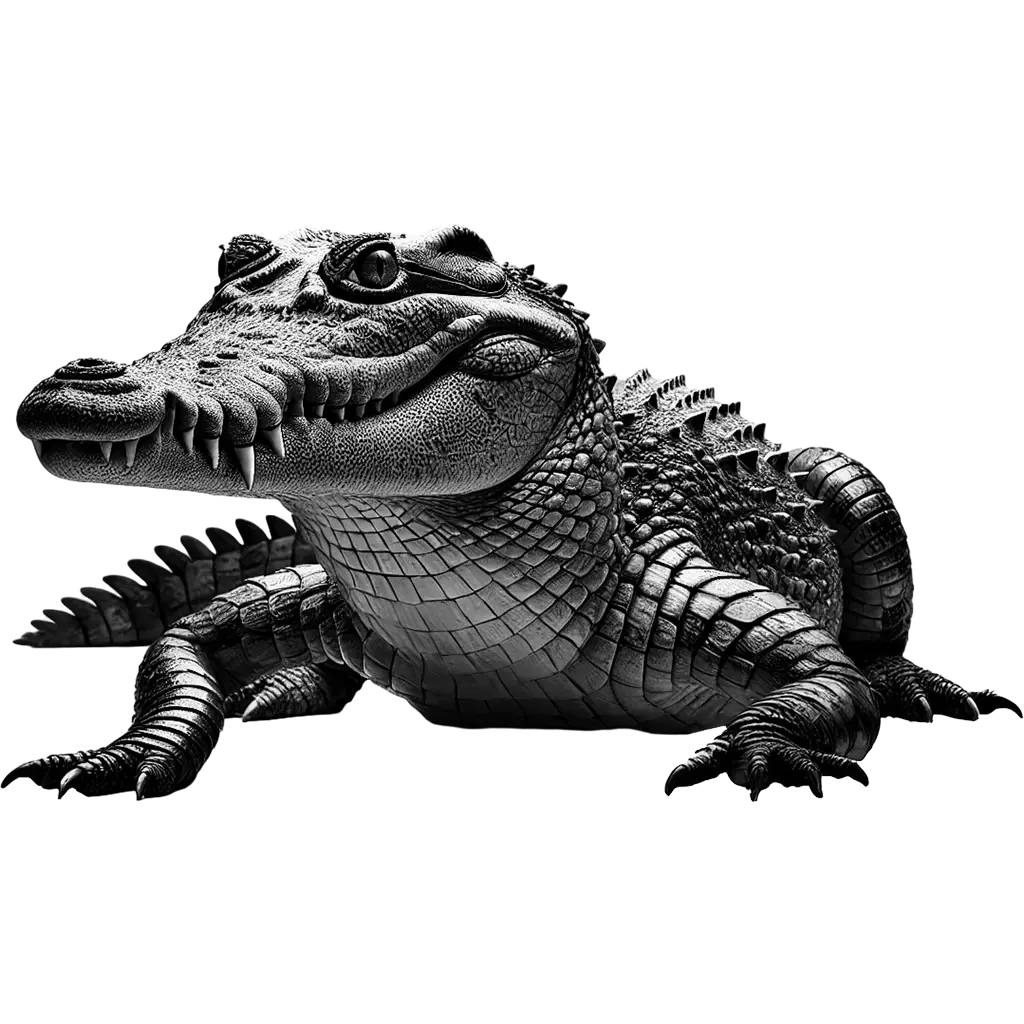
The American Crocodile is a large reptilian predator that inhabits coastal wetlands, rivers, and estuaries in the Americas. It is easily distinguished from its close relative, the American Alligator, by its long, V-shaped snout and lighter grayish-green coloration. Adults range between 3 to 5 meters in length, with some exceptional
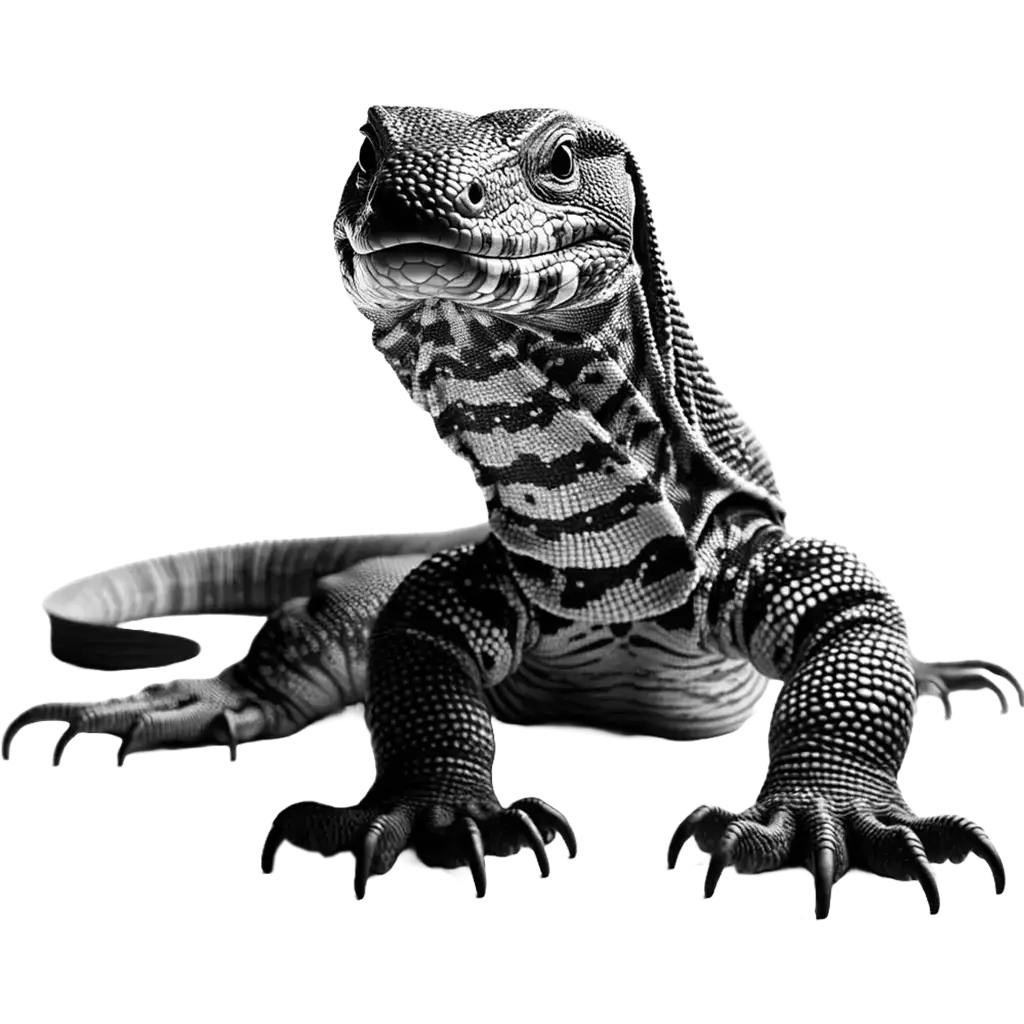
The Nile Monitor, varanus niloticus, is a large, robust lizard native to Africa, renowned for its versatility and adaptability to various environments. This species is among the largest lizards in Africa, with adults commonly reaching lengths of up to 2 meters (6.5 feet), including their long, muscular tails which are
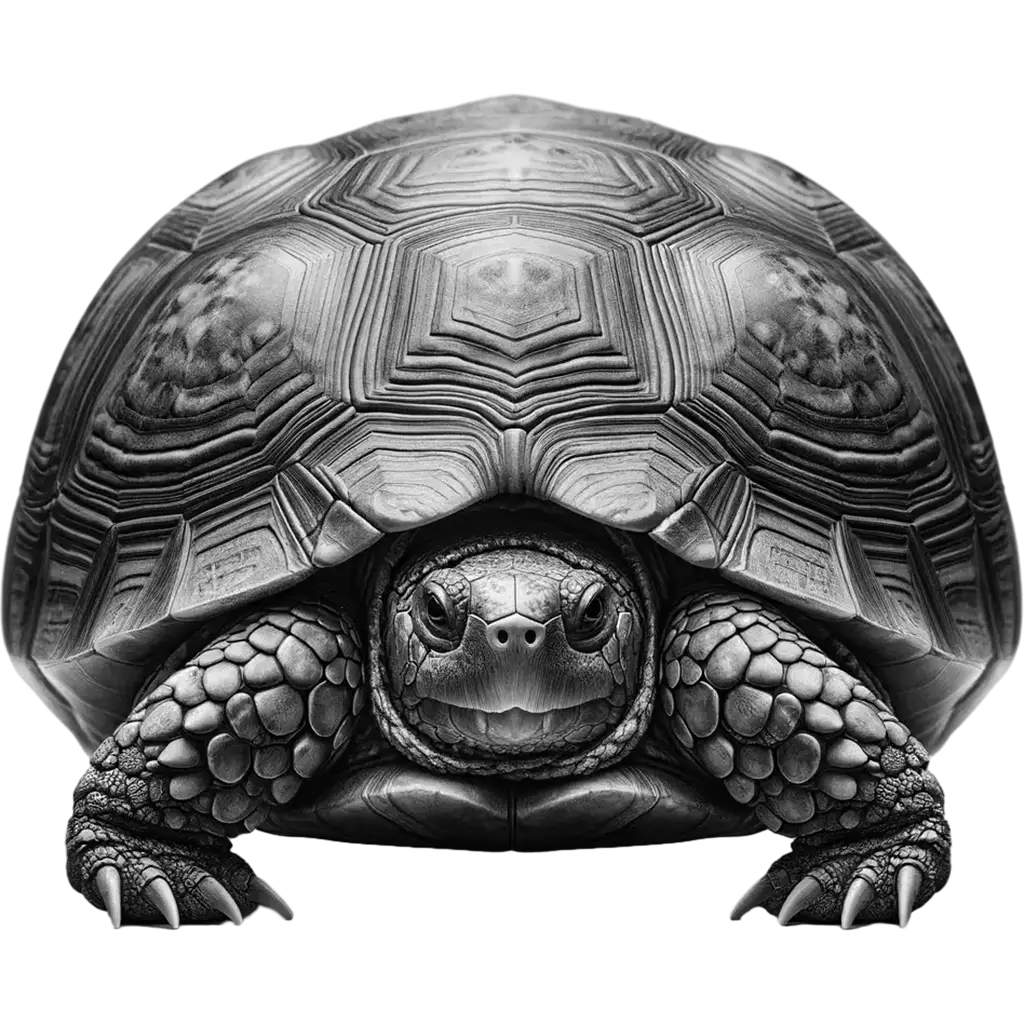
The Eastern Box Turtle, terrapene carolina carolina, is a subspecies of the common box turtle and is native to the eastern United States. This small, land-dwelling turtle is known for its highly domed carapace, which can range in color from brown to black, often adorned with bright yellow, orange, or