
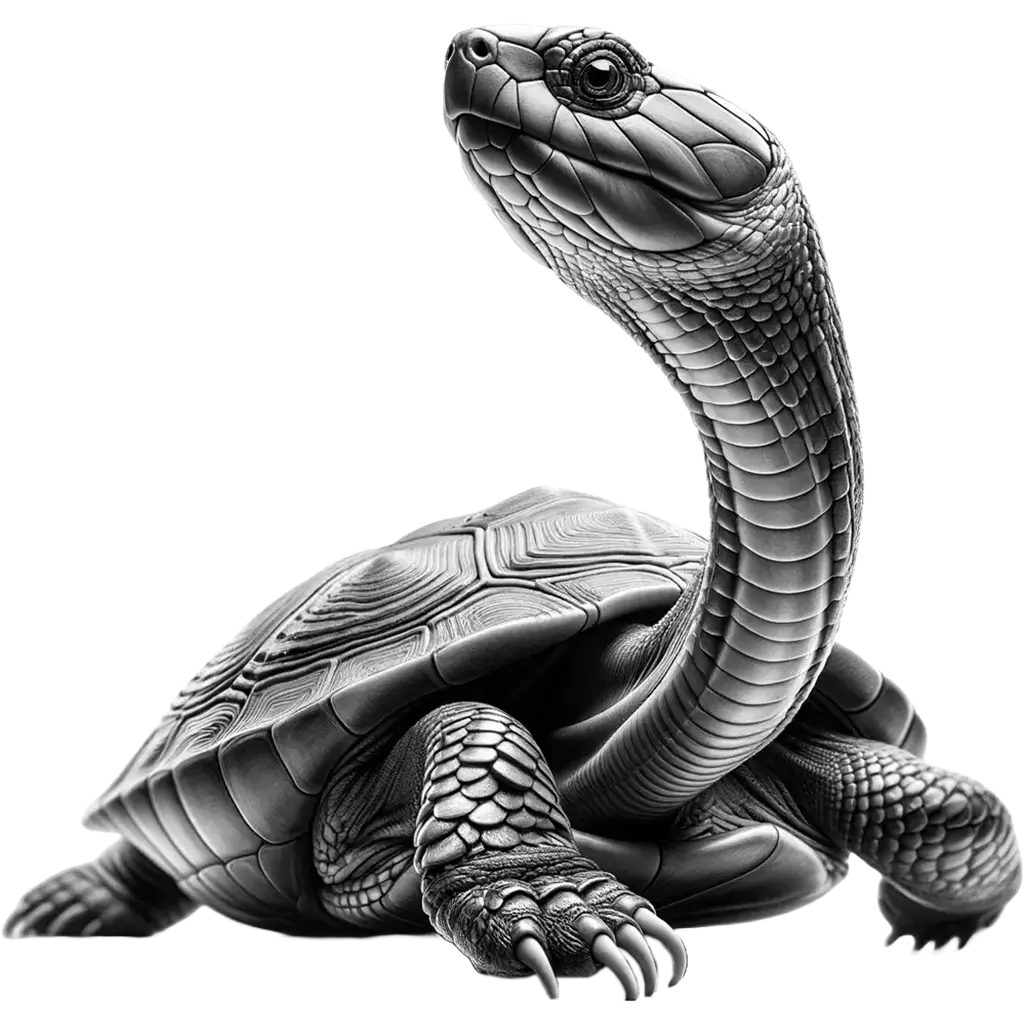
Chelodina Longicollis
Eastern Long-Necked Turtle
Freshwater environments like ponds, lakes, swamps, and rivers
The Eastern Long-Necked Turtle, chelodina longicollis, is a distinctive species of freshwater turtle native to eastern Australia. Known for its remarkably long neck, which is almost as long as its shell, this turtle can reach a shell length of about 25 cm in adults. The shell is typically dark brown to black, while the skin ranges from dark grey to brown, with the neck often lighter in color. This species has webbed feet, aiding in its proficiency as a swimmer, and sharp claws for digging and defense.
| Population: | Listed as Least Concern, but faces threats from habitat loss and pollution |
| Generation Length: | 10-20 years |
| Average Weight: | 500-1,000 grams |
| Average Length: | Shell length of 20-30 cm |
| Lifespan: | Up to 50 years in the wild |
| Diet: | Primarily carnivorous, utilizing its long neck and swift movements to catch prey |
| Conservation Status: | Least Concern (LC) |
Eastern Long-Necked Turtles inhabit a wide range of freshwater environments, including rivers, lakes, swamps, and ponds. They are highly adaptable and can often be found in slow-moving or still waters where they can easily hunt for food. These turtles are predominantly aquatic but will travel overland, especially after rain, to find new water bodies or nesting sites. Their long necks, which they use to strike at prey, allow them to breathe at the surface without exposing much of their body, providing an advantage against predators.
The diet of the Eastern Long-Necked Turtle primarily consists of aquatic invertebrates, such as insects and worms, as well as small fish and amphibians. They are ambush predators, using their elongated necks to quickly strike at passing prey. This diet reflects their role as important predators within their aquatic ecosystems, helping to maintain healthy waterways.
Reproduction in Eastern Long-Necked Turtles involves the females laying eggs in nests dug into sandy or soft soil, usually close to water. Clutches typically contain 4 to 20 eggs, which are laid in the warmer months. The eggs undergo temperature-dependent sex determination, with the temperature during incubation influencing the sex of the hatchlings. This reproductive strategy allows for flexibility in sex ratios, depending on environmental conditions.
The population of the Eastern Long-Necked Turtle is considered stable, though they face threats from habitat destruction, pollution, and predation by introduced species such as foxes. Conservation efforts focus on habitat protection, pollution control, and reducing road mortality. This species is a common and beloved sight in eastern Australia, playing a vital role in the health of freshwater ecosystems.
Classifications
The Key Attributes
Features
- Movement:
Swimming, crawling
- Territorial Behavior:
Solitary, with territorial tendencies around nesting sites
- Speed:
Adept swimmer in water; slower on land
- Diet:
Carnivore
- Physical Features:
- Long neck, often equal to or greater than the length of the shell
- Oval carapace with a dark, mottled coloration
- Webbed feet for swimming
- Sharp claws and strong jaws
- Primary Senses:
- Sight
- Smell
- Tactile
Understanding Habitat and Range
Geography
- Habitat:
Freshwater environments like ponds, lakes, swamps, and rivers
- Migration Patterns:
Non-migratory, but can travel over land to find new water sources or nesting sites
- Geographical Range:
Eastern Australia, from Queensland to South Australia
- Climate Preferences:
Temperate to subtropical climates
Navigating the Wilderness
In the wild
- Predators:
Birds, mammals, and larger fish preying on eggs and juveniles
- Prey:
Small aquatic animals and insects
- Feeding Behavior:
Predatory, feeding on fish, amphibians, crustaceans, and aquatic insects
- Diet:
Primarily carnivorous, utilizing its long neck and swift movements to catch prey
- Defensive Mechanisms:
- Retracts into its shell for protection
- Can emit a foul-smelling fluid from its musk glands when threatened
- Preferred Food Sources:
- Ecosystems rich in aquatic life and vegetation for cover
Insights Into Reproduction
Mating
- Mating System:
Polygynous
- Number of Offspring:
4-10 eggs per clutch
- Incubation Period:
3-5 months
- Parental Involvement:
- Females lay eggs on land and then return to the water, with no further care provided
Youngsters Section
Eastern Long-Necked Turtle
Fun Fact
The Eastern Long-Necked Turtle is known for its distinctive long neck, which can exceed the length of its shell.
This turtle exhibits a unique defense mechanism: when threatened, it releases a pungent-smelling liquid from its musk glands. This foul-smelling secretion deters predators, offering the turtle a chance to escape. Found in southeastern Australia, these turtles are adaptable, thriving in various freshwater habitats like ponds and rivers. Their long neck aids in catching prey such as small fish and insects.

Download word search puzzles
Word Search Puzzles


Check Out Other Reptiles
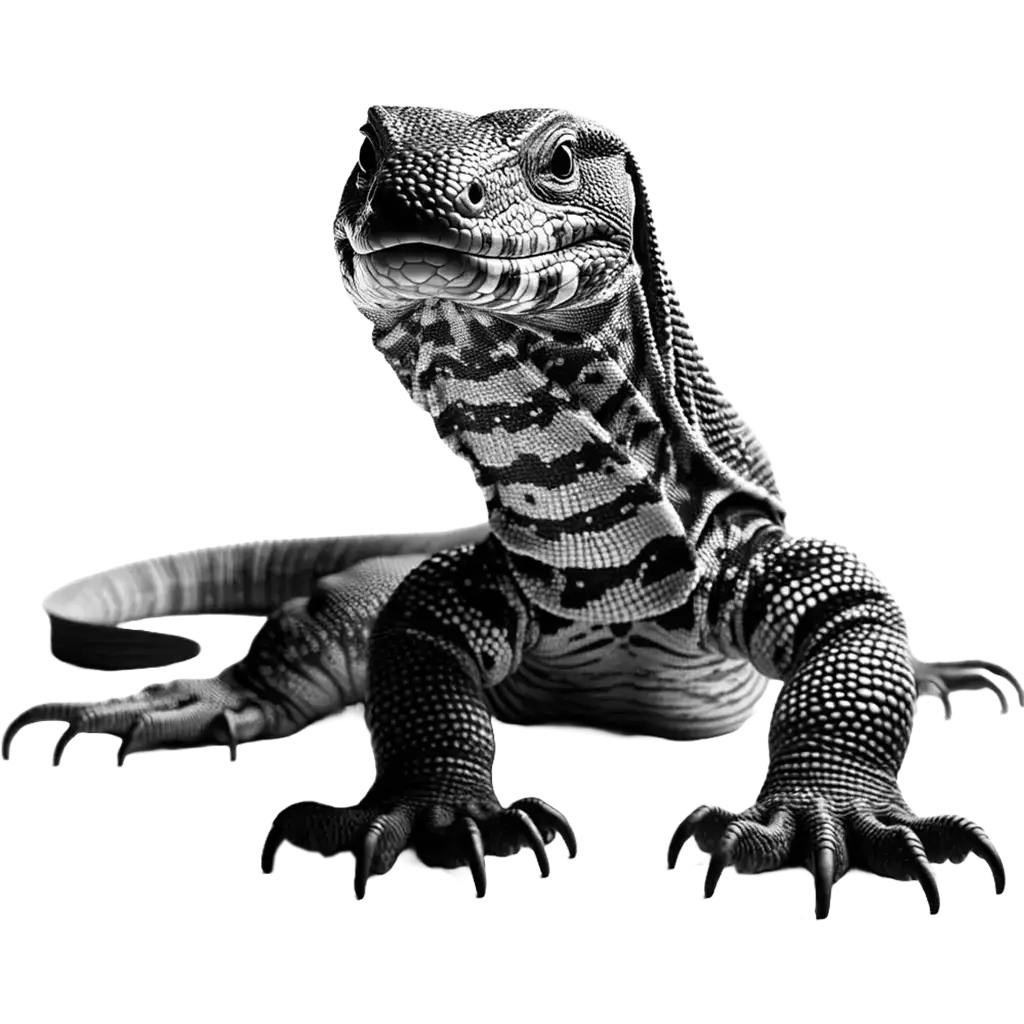
The Nile Monitor, varanus niloticus, is a large, robust lizard native to Africa, renowned for its versatility and adaptability to various environments. This species is among the largest lizards in Africa, with adults commonly reaching lengths of up to 2 meters (6.5 feet), including their long, muscular tails which are
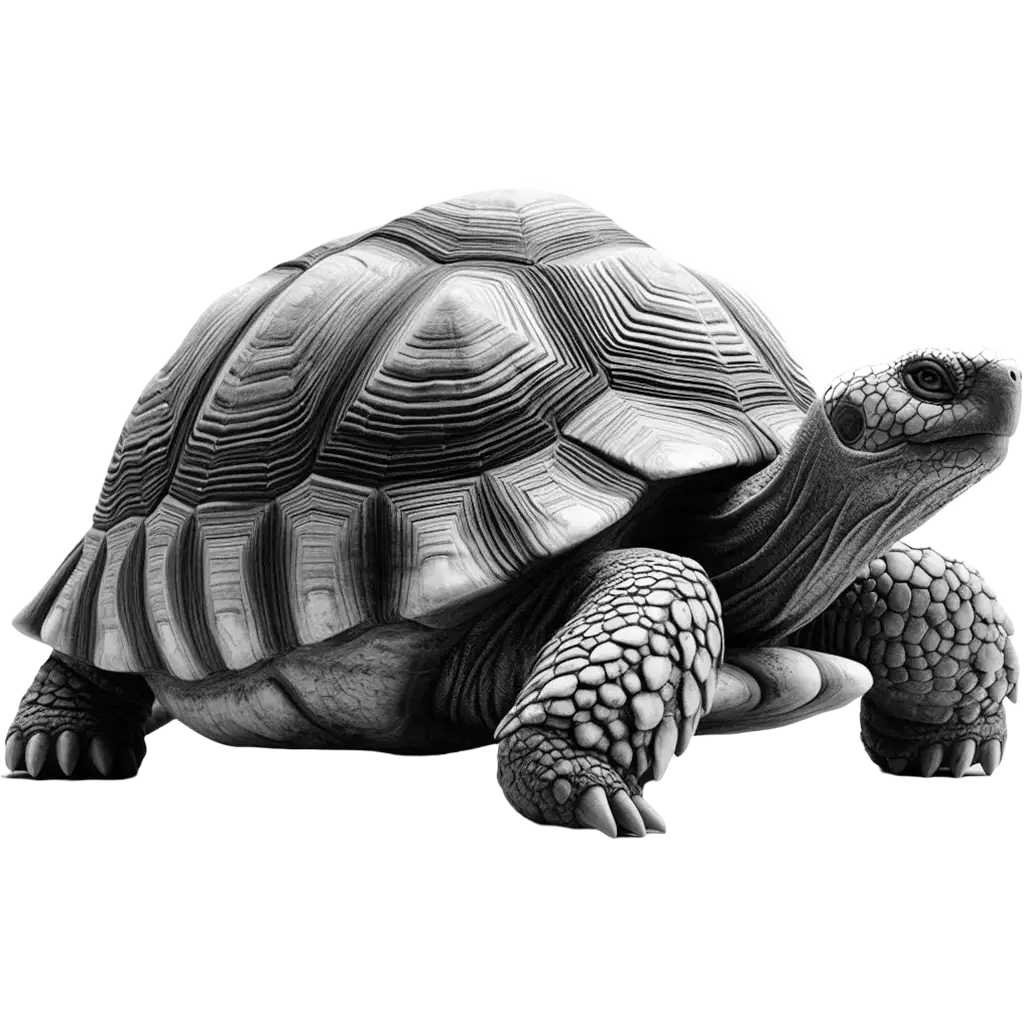
The Greek Tortoise, testudo graeca, also known as the Spur-thighed Tortoise, is a species of tortoise native to North Africa, Southern Europe, and parts of Asia. This species is distinguished by its high-domed shell, which ranges in color from golden yellow to dark brown, often with distinctive black markings. Adult
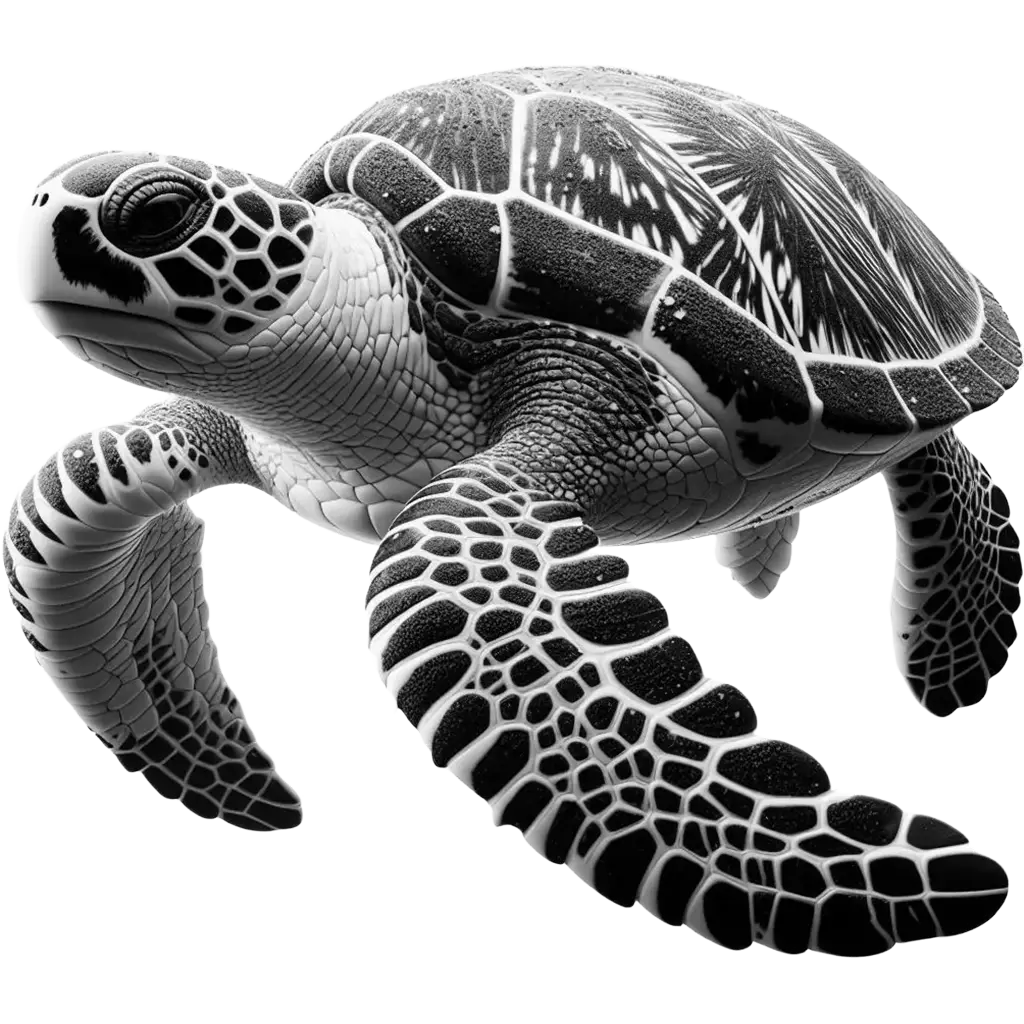
The Leatherback Sea Turtle, dermochelys coriacea, stands out as the largest of all living turtles and is the only existing species in the genus Dermochelys. Unlike other sea turtles, the Leatherback lacks a hard, bony shell and instead boasts a flexible, rubbery skin overlaying bony plates, with distinctive longitudinal ridges
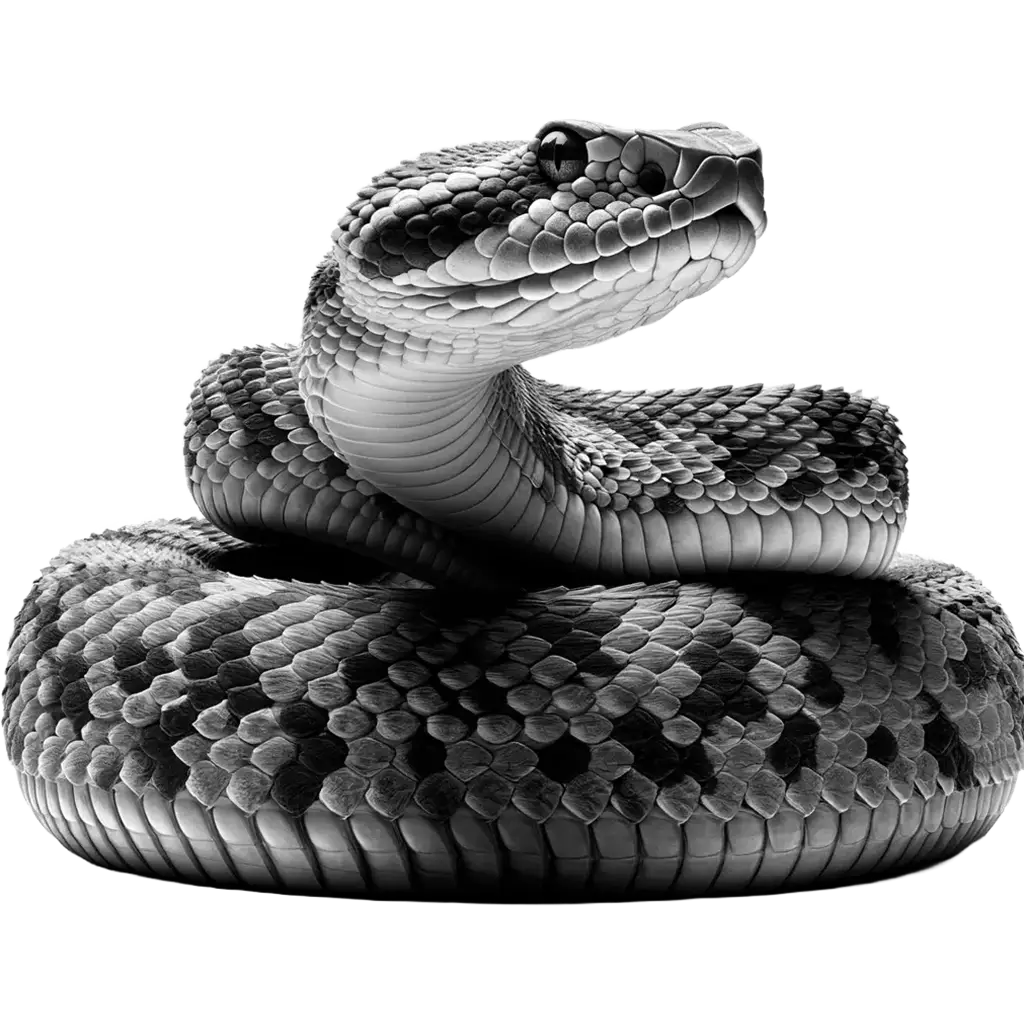
The Mojave Rattlesnake, crotalus scutulatus, often referred to as the 'Mojave Green' due to the greenish hue of its scales, is a highly venomous snake native to the desert regions of the southwestern United States and central Mexico. This rattlesnake is recognized by its distinctive diamond-shaped pattern along its back,